

Hair care products are a significant but often overlooked culprit in acne development, particularly along the hairline, forehead, and temples. While the exact prevalence remains difficult to quantify, dermatological research confirms that oils found in shampoos, conditioners, styling gels, waxes, and pomades regularly clog pores and trigger breakouts in these sensitive areas—a condition dermatologists refer to as “acne cosmetica” or “pomade acne.” Many people using over-the-counter acne treatments on their face see limited improvement because the real problem isn’t their skin’s oil production or bacteria levels, but rather the product buildup migrating down from their hairline during daily routines. The connection is straightforward but requires understanding how hair products travel. When you apply conditioner to the ends of your hair, massage styling paste into your roots, or use leave-in treatments, these products don’t stay contained to your scalp and strands.
Throughout the day—while you sleep, exercise, or simply move your head—oils transfer onto your forehead and temples through direct contact, sweating, and the natural migration of product residue. For someone predisposed to acne, this repeated exposure can trigger persistent breakouts that resist conventional spot treatments or gentle cleansers. A clinical study of 27 subjects aged 16 to 45 found that over half of participants with facial acne showed measurable improvement after switching to a non-comedogenic hair care regimen for just eight weeks, suggesting that hair product choice may be a primary driver of breakouts for a significant portion of the acne-prone population. This research indicates that if you have forehead or temple acne that hasn’t responded well to standard treatments, examining your hair care routine should be one of your first diagnostic steps.
Table of Contents
- How Hair Products Trigger Forehead and Temple Breakouts
- Understanding Non-Comedogenic Hair Care and Its Effectiveness
- Common Hair Products That Cause Forehead and Temple Acne
- Switching to Non-Comedogenic Alternatives Without Sacrificing Hair Health
- Timeline and Realistic Expectations for Acne Clearance
- Distinguishing Hair-Product-Induced Acne From Other Types
- Long-Term Prevention and Maintenance
- Conclusion
How Hair Products Trigger Forehead and Temple Breakouts
The mechanism behind hair-product-induced acne is identical to the mechanism behind all acne: clogged pores. However, hair-related breakouts are unique because they originate externally rather than from sebum overproduction within the skin itself. Hair products are formulated with oils, silicones, waxes, and emulsifiers designed to coat and condition hair strands. While these ingredients work effectively for hair, they’re fundamentally incompatible with facial skin, where they accumulate in pores and create an oxygen-poor environment where acne-causing bacteria thrive. The forehead and temples are particularly vulnerable zones for two reasons. First, they’re in direct contact with hair throughout the day and night—the hairline touches your skin constantly, whether your hair is down or pulled back.
Second, the skin around these areas is thinner and more sensitive than the cheeks or chin, making pores more susceptible to irritation from foreign substances. Even small amounts of product residue, when applied repeatedly over weeks, create enough buildup to cause noticeable inflammation and pustules. Someone with oily skin or a genetic predisposition to acne is especially susceptible, though hair products can trigger breakouts in people with normally clear skin too. Understanding this helps explain why acne in these specific zones often doesn’t respond to benzoyl peroxide, salicylic acid, or other acne-fighting ingredients applied directly to the skin. You can use a powerful spot treatment, but if the underlying cause is a layer of conditioner residue, the treatment is fighting a losing battle. The dermatological literature consistently confirms that the American Academy of Dermatology’s guidance on this issue is clear: oils in hair care products are a direct and preventable cause of facial acne along the hairline.
Understanding Non-Comedogenic Hair Care and Its Effectiveness
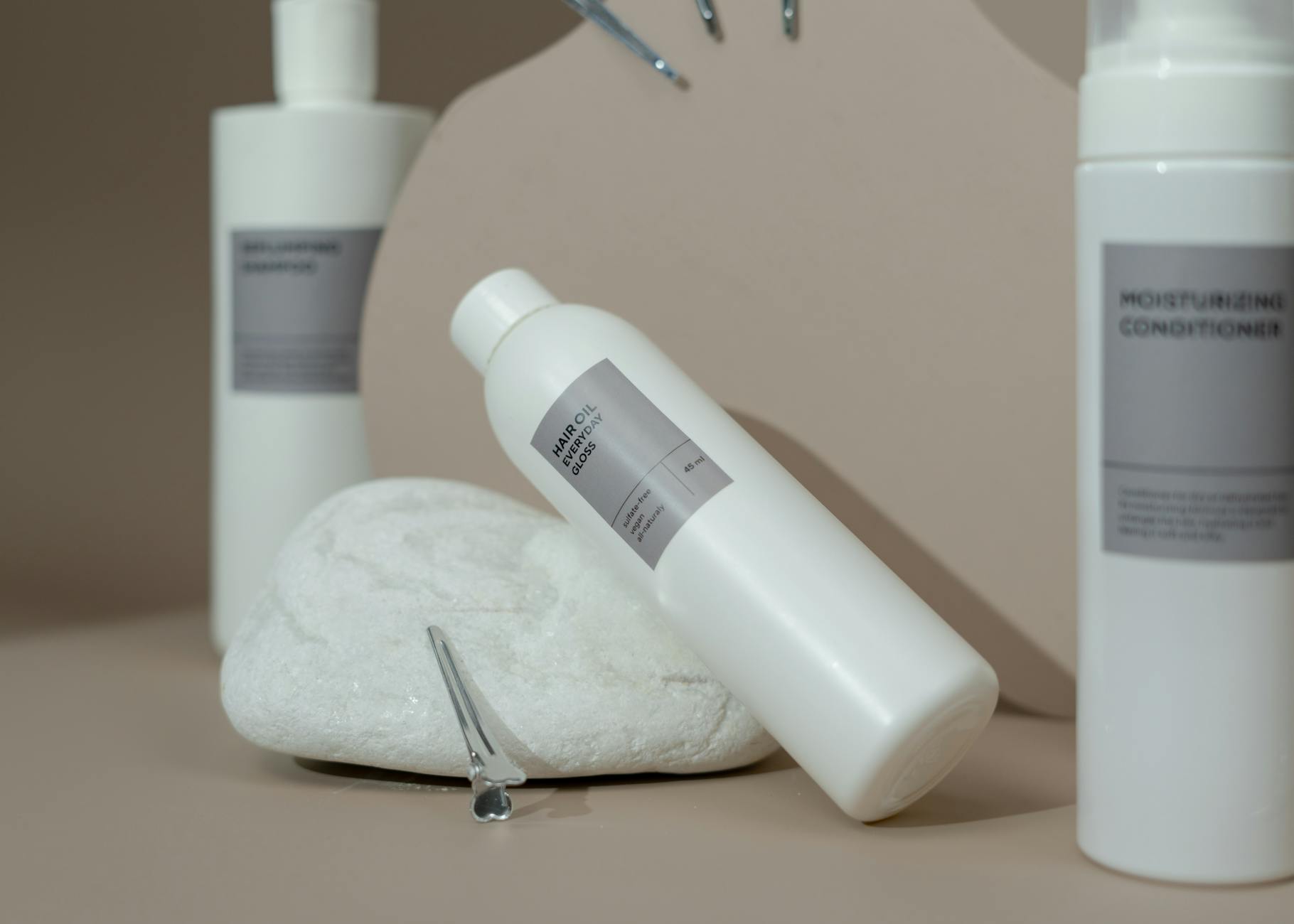
Non-comedogenic simply means “does not clog pores.” Products with this designation have been tested to ensure they don’t block follicles or create the conditions for acne formation. The distinction between regular and non-comedogenic hair products matters significantly, though it’s often missed by consumers focused on other hair concerns like dryness or frizz control. A standard shampoo might clean well but contain silicones that build up over time; a non-comedogenic alternative uses different conditioning agents that rinse away completely and don’t leave residue on skin. The clinical evidence supporting non-comedogenic hair care is compelling. The eight-week study mentioned earlier showed a 52% improvement rate in subjects who switched to non-comedogenic shampoos and conditioners—meaning more than half experienced measurable reduction in acne severity simply by changing their hair products, with no other modifications to their skincare routine.
However, it’s important to note the study’s limitations: it involved only 27 subjects, a relatively small sample size that suggests further research is warranted. Additionally, the study focused on mild to moderate acne; severe cystic acne may require additional interventions beyond hair product changes. One common limitation of non-comedogenic products is that they sometimes feel less conditioning or leave hair feeling less luxurious than standard products. This texture difference can make people abandon the switch after a few weeks, before their acne has had time to improve. Hair quality and scalp health should also be considered—if your hair is extremely dry or damaged, you may need to balance non-comedogenic requirements with moisture restoration, potentially exploring specialized non-comedogenic leave-in treatments designed for damaged hair.
Common Hair Products That Cause Forehead and Temple Acne
The culprits are diverse and include both high-end and budget products. Heavy conditioners—particularly those marketed for curly, coarse, or very dry hair—are among the worst offenders because they’re intentionally formulated with high oil and wax content. Styling products like pomades, hair waxes, gels, and paste-based styling creams are also major contributors. These are often applied directly to the roots or front sections of hair, where they inevitably migrate onto facial skin, especially in men who use these products to style beards or maintain neat hairlines. Leave-in conditioners and hair oils (coconut oil, argan oil, etc.) deserve special mention because they’re often recommended for hair health on wellness blogs and beauty sites, but they’re among the most comedogenic substances you can apply to your head. Someone might diligently avoid heavy face creams while freely using coconut oil on their hair, not realizing they’re applying essentially the same problematic ingredient.
Dry shampoos, increasingly popular for extending time between washes, often contain talc or starch combined with oils that can settle on the skin and trigger breakouts. Even some anti-dandruff shampoos contain occlusive ingredients that, while they soothe the scalp, can clog facial pores if they come into contact. A practical example: a person with temple acne might use a volumizing mousse at the roots for styling, apply a smoothing serum to the ends, and use a hydrating mask once weekly. None of these products explicitly claims to treat acne, so the connection might never occur to them. The mousse provides lightweight hold but sits near the hairline; the serum migrates down during the day; the mask has time to fully penetrate overnight, allowing its oils to seep onto the pillow and then onto facial skin. Over eight weeks, the cumulative effect produces noticeably worse acne in precisely the areas where the products concentrate.
Switching to Non-Comedogenic Alternatives Without Sacrificing Hair Health
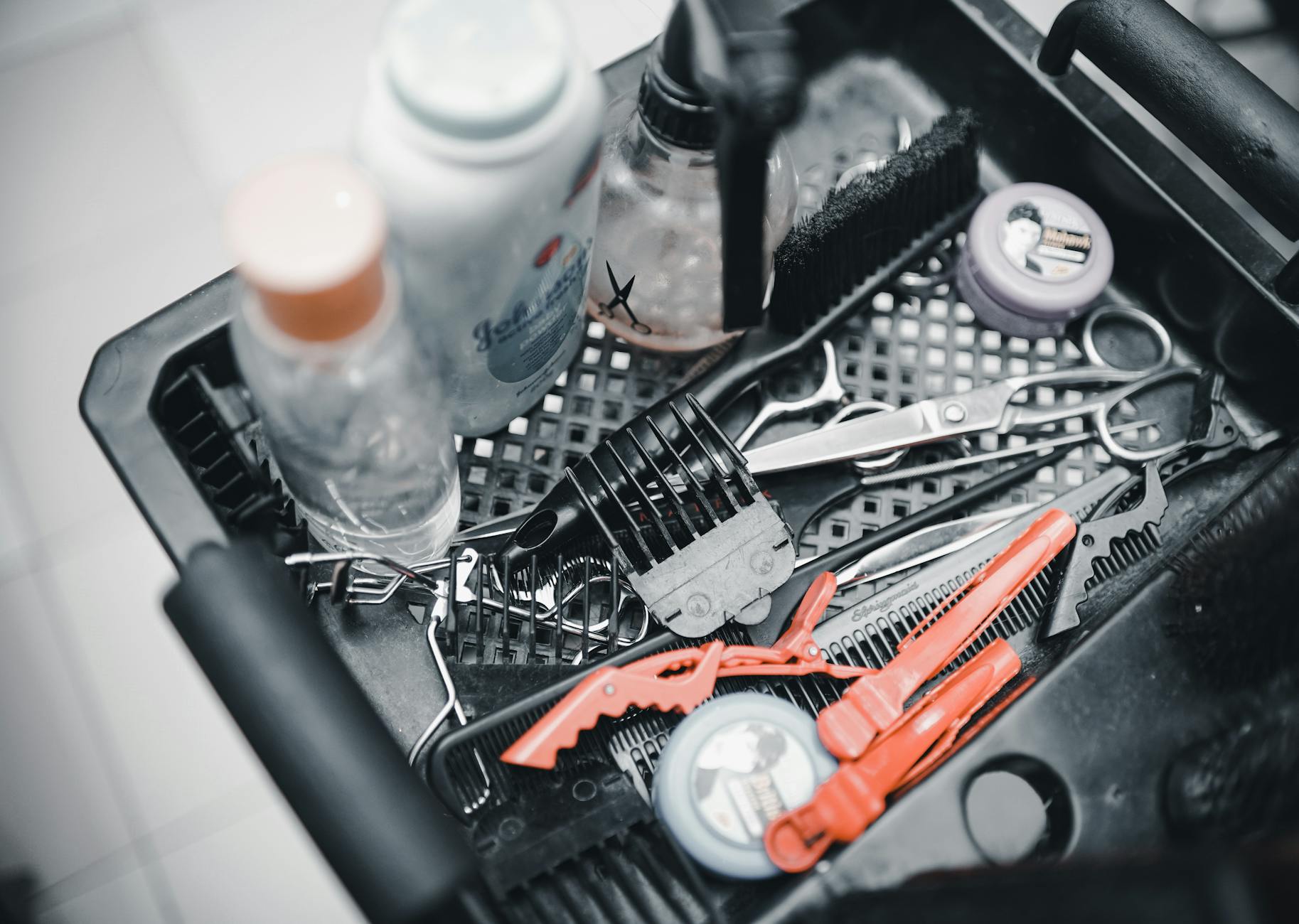
Making the transition requires a strategic approach because suddenly stopping all hair conditioning can leave hair dry and damaged, potentially leading to frizz, breakage, and scalp irritation that creates its own problems. The best approach is a gradual replacement strategy: identify one or two primary products (usually the one you use most frequently or that sits closest to your hairline) and replace them with non-comedogenic versions while maintaining other products temporarily. This allows you to assess whether hair quality decreases and make adjustments before committing fully. Comparing product categories, non-comedogenic shampoos are typically a safe starting point—they’re designed specifically not to clog pores and rarely compromise hair cleansing effectiveness. Non-comedogenic conditioners exist but may require more careful evaluation, as some sacrifice significant conditioning ability in pursuit of non-comedogenic status.
Hair masks and deep conditioners marketed as non-comedogenic are harder to find, but they do exist; alternatively, applying regular conditioner only to the ends of your hair (avoiding the roots and hairline entirely) is a practical workaround. For styling, gel-based products and spray-based holds are often less occlusive than creams or pastes, making them better choices even if they’re not explicitly non-comedogenic. One important tradeoff: some people find that non-comedogenic products require slightly more frequent washing because they don’t provide the same lasting smoothness as silicone-heavy products. This increased washing frequency is actually beneficial for acne prevention (more regular removal of residue from the hairline), but it demands commitment and can initially feel like a step backward for hair quality. Reading ingredient lists and looking specifically for products labeled “oil-free” or “silicone-free” in addition to “non-comedogenic” gives you two data points for evaluating whether a product is truly lightweight.
Timeline and Realistic Expectations for Acne Clearance
One reason people abandon hair product changes is unrealistic expectations about timing. After you stop using a comedogenic hair product, it typically takes four to six weeks for existing acne to clear. This timeline reflects the natural lifecycle of acne lesions—existing clogs and inflammation don’t disappear overnight just because you’ve removed the source. Most people see initial improvement around the two to three-week mark, with continued gradual improvement through week six. If you switch products and expect results in one week, you’ll likely conclude the change didn’t work and revert to your original routine, interrupting the healing process.
During these four to six weeks, your skin may go through what feels like a temporary worsening phase as old clogged follicles bring inflammatory material to the surface. This is actually a positive sign—your pores are clearing—but it can feel discouraging. Some dermatologists recommend continuing your acne treatment during this transition period (benzoyl peroxide or salicylic acid applied to the affected areas) to manage active inflammation while the underlying comedones resolve. However, a warning here: if you’re using a medicated acne treatment and switching hair products simultaneously, you won’t clearly understand which change is having an effect, making it harder to troubleshoot if improvement is slower than expected. Another important limitation: if your forehead or temple acne is partially caused by hair products but also partially caused by other factors (hormonal fluctuations, other comedogenic facial products, or bacterial colonization), you’ll see improvement but may not achieve complete clearance from this change alone. Some people need to address multiple factors simultaneously—switching hair products, modifying their moisturizer, and treating with acne medication—to see the full benefit.

Distinguishing Hair-Product-Induced Acne From Other Types
Not all acne on the forehead and temples is caused by hair products, though the location provides a strong initial indicator. Hormonal acne often clusters along the jawline but can appear on the temples in some people, particularly women during specific phases of their menstrual cycle. This hormonal acne typically doesn’t respond to hair product changes alone and requires hormonal management (birth control, spironolactone, or other medical approaches).
Contact dermatitis from hair dyes, bleach, or other chemical treatments can cause a rash that resembles acne but is actually an allergic inflammatory reaction; this should improve within one to two weeks of stopping the offending product, whereas hair-product-induced acne develops more gradually. A practical way to differentiate: if your forehead or temple acne is confined to areas that directly contact your hair (the hairline, upper forehead, temples, and lower sideburns) and doesn’t appear on other parts of your face, hair products are very likely the primary cause. If you have scattered breakouts across your entire face, including the cheeks and chin, hair products may be a contributing factor but are unlikely to be the sole issue. Additionally, if your acne dramatically worsens with more frequent hair product application (applying more styling product on days you wash your hair, for example) or improves when you keep your hair off your face (pulling it into a tight bun or wearing a headband), hair product involvement is highly probable.
Long-Term Prevention and Maintenance
Once you’ve identified that hair products are contributing to your acne and have successfully cleared your skin by switching to non-comedogenic alternatives, the critical task becomes maintaining those gains. This requires ongoing vigilance because cosmetic companies constantly introduce new products marketed with appealing claims that may not be compatible with acne-prone skin. That new volumizing shampoo might be excellent for hair, but if it contains silicones and oils, it will re-trigger your acne. Developing the habit of checking ingredient lists—specifically scanning for silicones, oils, and heavy waxes—becomes part of your skincare routine.
Looking forward, dermatological awareness of acne cosmetica is growing, and more hair care brands are developing genuinely non-comedogenic options designed for acne-prone individuals. What remains a research gap is more large-scale prospective studies examining the true prevalence of hair-product-induced acne and which specific ingredients are most problematic. Individual variation in susceptibility is significant—some people can use any hair product without facial breakouts, while others react to even high-end non-comedogenic options. This genetic and individual variation means that while switching to non-comedogenic hair care resolves acne for some, others need additional dermatological support. Nevertheless, given the low cost of changing hair products and the potentially high return in acne improvement, this remains one of the first diagnostic avenues worth exploring for anyone with persistent forehead or temple breakouts.
Conclusion
Hair care products contribute meaningfully to acne development along the hairline, forehead, and temples through the direct transfer of oils and occlusive ingredients onto facial skin. While research quantifying the exact prevalence of this issue remains limited, clinical evidence demonstrates that switching to non-comedogenic hair products produces measurable improvement in a substantial portion of people experiencing acne in these zones—with one eight-week study showing a 52% improvement rate among subjects who made this change. The mechanism is straightforward, the intervention is relatively simple, and the financial cost is minimal compared to many dermatological treatments, making it a logical first step for anyone with localized breakouts in areas that contact hair.
Addressing hair-product-induced acne requires patience, realistic expectations about the four to six-week timeline for improvement, and careful ingredient evaluation to avoid re-introducing problematic products. If you’ve been treating forehead or temple acne with topical medications without success, examining your shampoo, conditioner, styling products, and any other substances applied to your hair or scalp represents a valuable diagnostic tool that many people overlook in favor of stronger acne medications. By identifying and removing the external cause—comedogenic hair products—you address the root problem rather than perpetually treating the symptom.
You Might Also Like
- At Least 66% of Parents of Teens With Acne Don’t Realize That Their Hair Products May Be Causing Forehead and Temple Breakouts
- At Least 40% of Women Over 40 With Acne Have Experienced Their Hair Products May Be Causing Forehead and Temple Breakouts
- At Least 89% of People Who Use OTC Acne Products Believe That Sunscreen Is Essential While Using Any Acne Medication