

At least 12% of people with sensitive, acne-prone skin report that their acne may actually be fungal in nature and could benefit from antifungal treatment rather than traditional acne medications. This statistic reveals a critical gap in how many people approach their skin problems—they’ve been treating bacterial acne when the underlying cause is fungal overgrowth. The distinction matters enormously because using the wrong treatment doesn’t just fail to improve acne; it can actually worsen fungal acne by creating an environment where fungi thrive even more. Consider the case of someone who has tried benzoyl peroxide, retinoids, and antibiotics for months without improvement.
Their skin becomes increasingly inflamed, the breakouts cluster in certain areas, and they develop a persistent itchy or burning sensation. These are classic signs that they may be dealing with fungal acne caused by organisms like Malassezia, not the bacteria that standard acne treatments target. The prevalence of this misdiagnosis explains why so many people feel stuck in an endless cycle of failed treatments. Until they understand that fungal acne requires a completely different approach—antifungal ingredients instead of antibacterial ones—they’ll continue applying medications that don’t address the real problem.
Table of Contents
- Why Are At Least 12% of Acne Sufferers Actually Dealing With Fungal Acne?
- How Fungal Acne Differs From Bacterial Acne and Why Misdiagnosis Is Costly
- The Role of Sensitive Skin and Compromised Skin Barriers in Fungal Acne
- Identifying Fungal Acne: Signs, Symptoms, and the Self-Assessment Challenge
- Common Pitfalls in Treating Fungal Acne: Why People Get Worse Before They Get Better
- Preventive Strategies for Sensitive Skin: Keeping Fungal Acne From Returning
- The Future of Fungal Acne Recognition and Treatment
- Conclusion
- Frequently Asked Questions
Why Are At Least 12% of Acne Sufferers Actually Dealing With Fungal Acne?
Fungal acne, formally known as malassezia folliculitis, is caused primarily by an overgrowth of Malassezia yeast species that naturally live on human skin. The reason it’s increasingly recognized in sensitive skin types is that these individuals often have compromised skin barriers, elevated pH levels, or use products that disrupt their skin microbiome. Antibiotics and harsh treatments can kill beneficial bacteria, leaving room for fungi to flourish unopposed. The 12% statistic reflects growing awareness among dermatologists and skincare consumers, but the actual prevalence may be higher.
Many people have never had their acne properly identified, so they don’t know it’s fungal. This identification problem is compounded by the fact that fungal acne visually resembles bacterial acne—both present as small pustules, sometimes clustered—making it impossible to distinguish without professional analysis or a trial-and-error approach to treatment. Environmental and lifestyle factors play a significant role in fungal acne development. People with sensitive skin who live in humid climates, sweat frequently during exercise, or wear occlusive products that trap moisture are at higher risk of triggering or worsening fungal acne. A person might develop fungal acne breakouts specifically along their jawline after switching to a heavy, non-breathable sunscreen, a clear signal that their skin microbiome has been disrupted.

How Fungal Acne Differs From Bacterial Acne and Why Misdiagnosis Is Costly
Fungal acne and bacterial acne are fundamentally different conditions requiring opposite treatment approaches. Bacterial acne thrives in anaerobic (oxygen-poor) environments and responds well to benzoyl peroxide, which kills acne-causing bacteria through oxidation. Fungal acne, by contrast, is often worsened by benzoyl peroxide because the oxidative stress can paradoxically promote fungal growth in certain susceptible individuals. This is the trap many people fall into: they use more potent acne treatments, their fungal acne worsens, and they assume their acne is severe when actually the treatment itself is the problem. The warning here is critical: using bacterial acne treatments on fungal acne can extend the condition by months or even years.
Someone might spend $200 to $500 on prescription-strength retinoids, oral antibiotics, or professional treatments, only to discover their problem requires a $15 antifungal cream. Beyond the financial waste, prolonged inappropriate treatment can damage skin health through inflammation, barrier disruption, and secondary bacterial infections. Fungal acne also tends to cluster in specific areas that bacterial acne avoids. The chest, back, and areas where sweat accumulates are fungal acne hotspots, whereas bacterial acne is more common on the face, particularly around the T-zone. Someone with sensitive skin experiencing a sudden cluster of breakouts on their back or décolletage after starting a new intense exercise routine may very well have fungal acne, not standard acne that requires prescription isotretinoin.
The Role of Sensitive Skin and Compromised Skin Barriers in Fungal Acne
Sensitive skin is predisposed to fungal acne because it typically has a weakened skin barrier and an imbalanced microbiome. A healthy skin barrier maintains its protective function and supports beneficial bacteria; a compromised barrier allows fungi to colonize and proliferate. People with sensitive skin often use more skincare products and treatments, which paradoxically increases their risk of barrier disruption. Over-exfoliation, excessive use of actives, or frequent product switching can deplete skin’s natural oils and protective lipid layer. The connection between barrier health and fungal acne is so strong that many people can resolve their fungal acne simply by adopting a minimal, gentle skincare routine focused on barrier repair.
Someone might have struggled with breakouts for two years while using four different active ingredients (retinoid, niacinamide serum, exfoliating toner, and acid treatment), then clear their skin completely by switching to just a gentle cleanser, a barrier repair moisturizer, and zinc pyrithione soap. The difference is that the minimal routine stops disrupting their microbiome and allows their skin’s natural defenses to control fungal overgrowth. Humidity and heat also interact with sensitive skin to promote fungal acne. A person with sensitive skin may develop fungal acne specifically during summer or in humid climates despite having clear skin in winter. This seasonal pattern is different from bacterial acne, which is more consistent year-round. Understanding this pattern helps sensitive-skinned individuals recognize that their acne may be fungal and that environmental management—like using breathable fabrics or reducing occlusive skincare during humid months—can be as important as topical treatments.
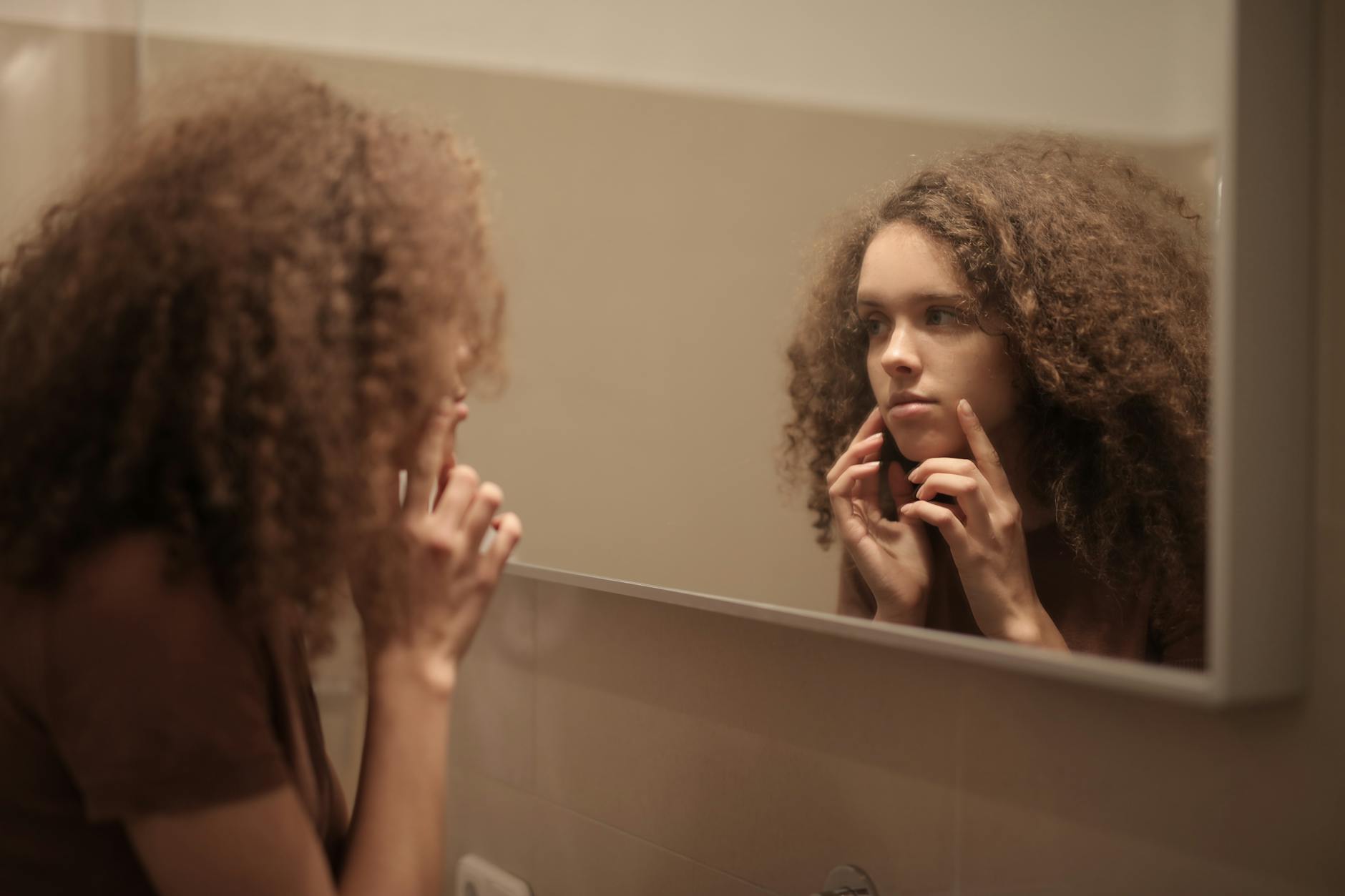
Identifying Fungal Acne: Signs, Symptoms, and the Self-Assessment Challenge
Fungal acne typically presents with several distinctive characteristics that differ from bacterial acne, though the visual differences are subtle. The breakouts are usually small, uniform in size, and persistently itchy or burning rather than tender to the touch. They resist healing and may worsen with moisture, heat, or occlusive products. Someone might notice that their acne improves when they wear loose, breathable clothing and worsens immediately after wearing tight athletic gear or a hat. The challenge with self-assessment is that fungal acne can closely mimic bacterial acne, making professional diagnosis valuable.
A dermatologist can perform a KOH (potassium hydroxide) preparation test, where they take a sample of skin cells and examine them under a microscope to identify fungal elements. Without this test, many people rely on trial-and-error: if their skin improves with antifungal treatment but worsens with benzoyl peroxide, they can reasonably conclude their acne is fungal. This approach works but is time-consuming and frustrating for someone already struggling with their skin. One practical tradeoff is that antifungal treatments are often over-the-counter and inexpensive, while dermatological testing requires an appointment and may not be covered by insurance. Many people can try an antifungal like ketoconazole shampoo or zinc pyrithione soap for two weeks and assess the results before investing in professional testing. This low-risk experimental approach is often more efficient than waiting for a dermatology appointment, especially in areas with long wait times.
Common Pitfalls in Treating Fungal Acne: Why People Get Worse Before They Get Better
One major pitfall is using antifungal treatments while continuing other products that disrupt the skin barrier. Someone might start using ketoconazole cream but continue using their tretinoin and glycolic acid toner, preventing their barrier from healing and their skin microbiome from rebalancing. Fungal acne treatment works best when paired with barrier-focused skincare, not when layered onto an aggressive active routine. The limitation is that people accustomed to active-based skincare feel they’re “doing nothing” by simplifying, even though simplification is often the most effective intervention. Another common issue is expecting immediate results. Fungal acne can take three to four weeks to improve significantly, compared to bacterial acne which sometimes responds within days to benzoyl peroxide.
Someone might use an antifungal treatment for one week, see no change, and abandon it—concluding it doesn’t work when they simply haven’t given it enough time. Patience and consistency are non-negotiable with antifungal treatment, a difficult ask for someone frustrated with persistent breakouts. A warning worth emphasizing: certain antifungal ingredients can be drying or irritating to sensitive skin. Sulfur, for example, is an effective antifungal but can be quite drying. Azole antifungals like ketoconazole are gentler but may require consistent daily use to be effective. Someone with sensitive skin needs to balance efficacy with tolerability, and this sometimes means accepting slightly slower improvement in exchange for a treatment their skin can tolerate long-term.
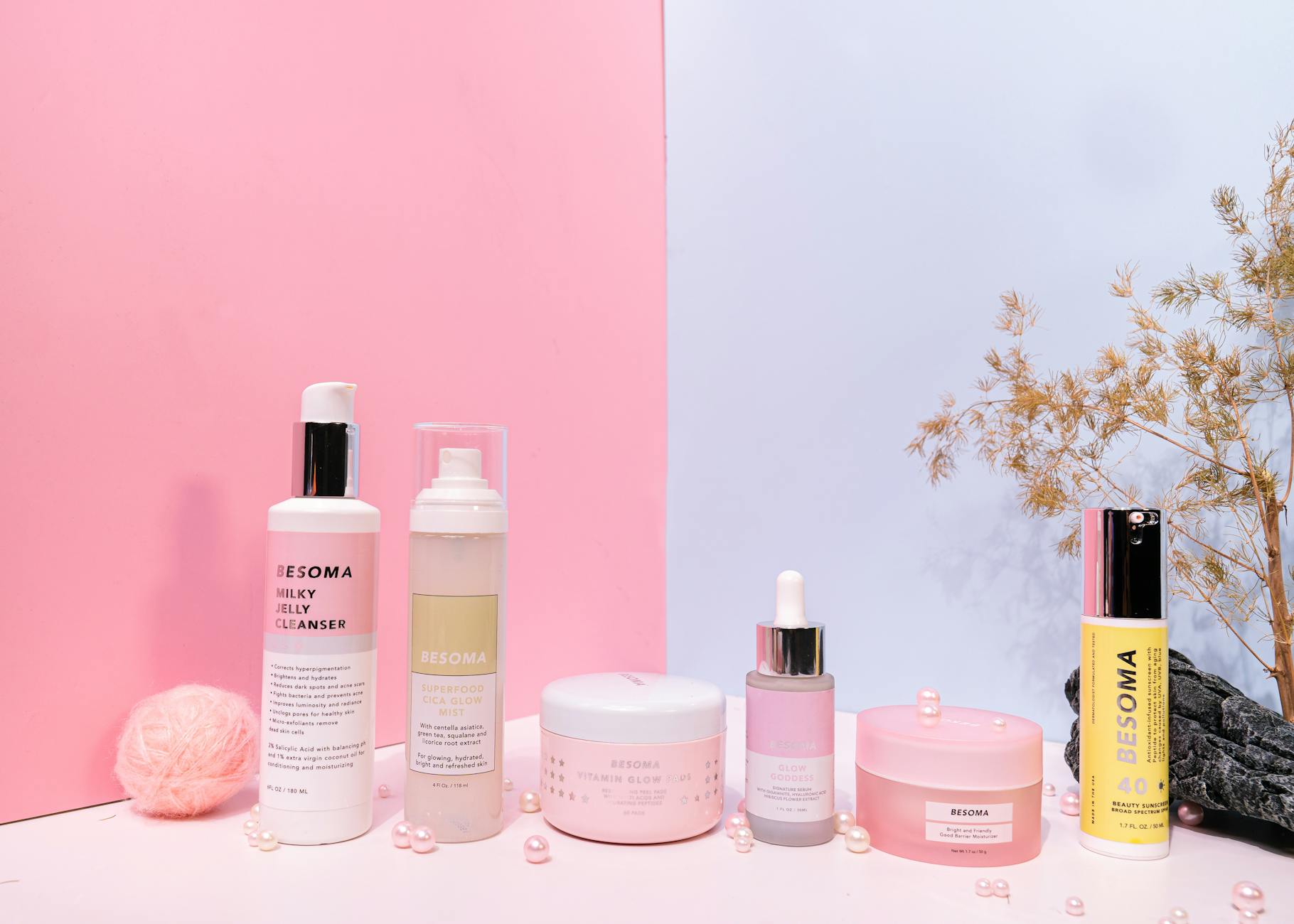
Preventive Strategies for Sensitive Skin: Keeping Fungal Acne From Returning
Prevention is especially important for sensitive skin because once someone has experienced fungal acne, they’re at higher risk of recurrence. The primary prevention strategy is maintaining a healthy skin barrier and avoiding conditions that promote fungal overgrowth: excessive moisture, heat, occlusive products, and heavy fragrance or essential oils that can irritate and disrupt the microbiome. Someone who previously had fungal acne might benefit from applying antifungal wash or soap once or twice weekly as maintenance, especially during high-risk seasons.
Choosing skincare products specifically formulated for sensitive, acne-prone skin makes a significant difference. Products labeled “non-comedogenic,” “antifungal,” or “pH-balanced” are less likely to trigger fungal acne in susceptible individuals. Someone switching to a zinc pyrithione body wash or a ketoconazole-containing cleanser for prevention might find that their fungal acne doesn’t return even during previously problematic seasons. This preventive approach is far more effective and less emotionally taxing than repeatedly treating active fungal acne.
The Future of Fungal Acne Recognition and Treatment
As dermatological understanding of the skin microbiome advances, fungal acne is becoming recognized as a far more common condition than previously believed. Increased awareness among both healthcare providers and consumers should lead to faster identification and more targeted treatment in the coming years. More skincare brands are developing products specifically for malassezia folliculitis, moving beyond the standard acne treatment market.
The recognition that at least 12% of acne sufferers may have fungal acne is likely to shift how people approach acne treatment broadly. Rather than assuming all acne is bacterial and starting with the most powerful treatments, a more nuanced approach would be to assess acne type before committing to treatment. This shift has implications for anyone with sensitive skin: they may be better served by starting with antifungal treatment options rather than defaulting to the standard retinoid-and-benzoyl-peroxide approach.
Conclusion
For the estimated 12% of people with sensitive, acne-prone skin whose acne is actually fungal, recognition of this fact is transformative. It explains why standard acne treatments have failed, why their skin became more inflamed, and most importantly, what will actually work. Fungal acne is not a sign of severe or untreatable skin; it’s simply a different condition that requires a different approach.
If you have sensitive skin and have struggled with acne that doesn’t respond to traditional treatments, it’s worth exploring whether fungal acne may be the culprit. Start by assessing whether your breakouts cluster in areas prone to heat and moisture, whether they’re itchy or burning rather than tender, and whether they’ve worsened after using strong acne medications. A simple trial of antifungal treatment costs very little and can provide clarity in weeks. Combined with barrier-focused skincare and environmental adjustments, antifungal treatment can finally resolve the acne that dermatological approaches have failed to address.
Frequently Asked Questions
How do I know if my acne is fungal or bacterial?
Fungal acne is typically itchy or burning, clusters in areas of heat and moisture like the chest or back, appears as uniform small pustules, and worsens with traditional acne treatments like benzoyl peroxide. Bacterial acne is more common on the face, tends to be tender rather than itchy, and improves with benzoyl peroxide or antibiotics. A dermatologist can confirm with a KOH test, but a two-week trial of antifungal treatment can also provide diagnostic clarity.
Will antifungal treatment work on my sensitive skin?
Many antifungal treatments are gentle enough for sensitive skin, though some (like sulfur) can be drying. Ketoconazole, zinc pyrithione, and azelaic acid are commonly tolerated. Start with one antifungal product and give it three to four weeks before assessing effectiveness. If your skin becomes irritated, reduce frequency or switch to a gentler antifungal option.
Can I use antifungal treatment alongside my other skincare?
You can, but simplifying is usually more effective for fungal acne. If your barrier is compromised, active ingredients like retinoids or acids may prevent healing. Most dermatologists recommend pausing other actives, focusing on barrier repair and antifungal treatment, then slowly reintroducing actives once the fungal acne is resolved.
How long does it take for antifungal acne treatment to work?
Most people see initial improvement within two to three weeks, with significant clearing by four to six weeks. Fungal acne responds more slowly than bacterial acne, so patience is essential. If you see no change after six weeks, reassess whether the acne is truly fungal or whether a stronger antifungal treatment is needed.
Is fungal acne contagious?
Fungal acne is caused by normal skin flora (Malassezia yeast) that everyone has, so it’s not contagious in the traditional sense. However, it reflects an imbalance in your skin microbiome, not an infection contracted from someone else. You cannot catch fungal acne from another person.
Will fungal acne come back after I treat it?
It can recur if the conditions that promoted it return—prolonged moisture, barrier disruption, or heat. However, many people stay clear long-term by using preventive measures like weekly antifungal washes during high-risk seasons and maintaining a simple, barrier-focused skincare routine. Once you understand your triggers, you can usually prevent recurrence.
You Might Also Like
- At Least 91% of Women Over 40 With Acne Have Tried Their Acne Could Be Fungal and Require Antifungal Treatment Instead
- At Least 26% of Patients With Body Acne Say That Their Acne Scars Can Be Significantly Improved With Professional Treatment
- At Least 32% of People With Sensitive Acne-Prone Skin Would Benefit From Knowing That Physical Scrubs on Inflamed Acne Spread Bacteria and Cause Scarring