
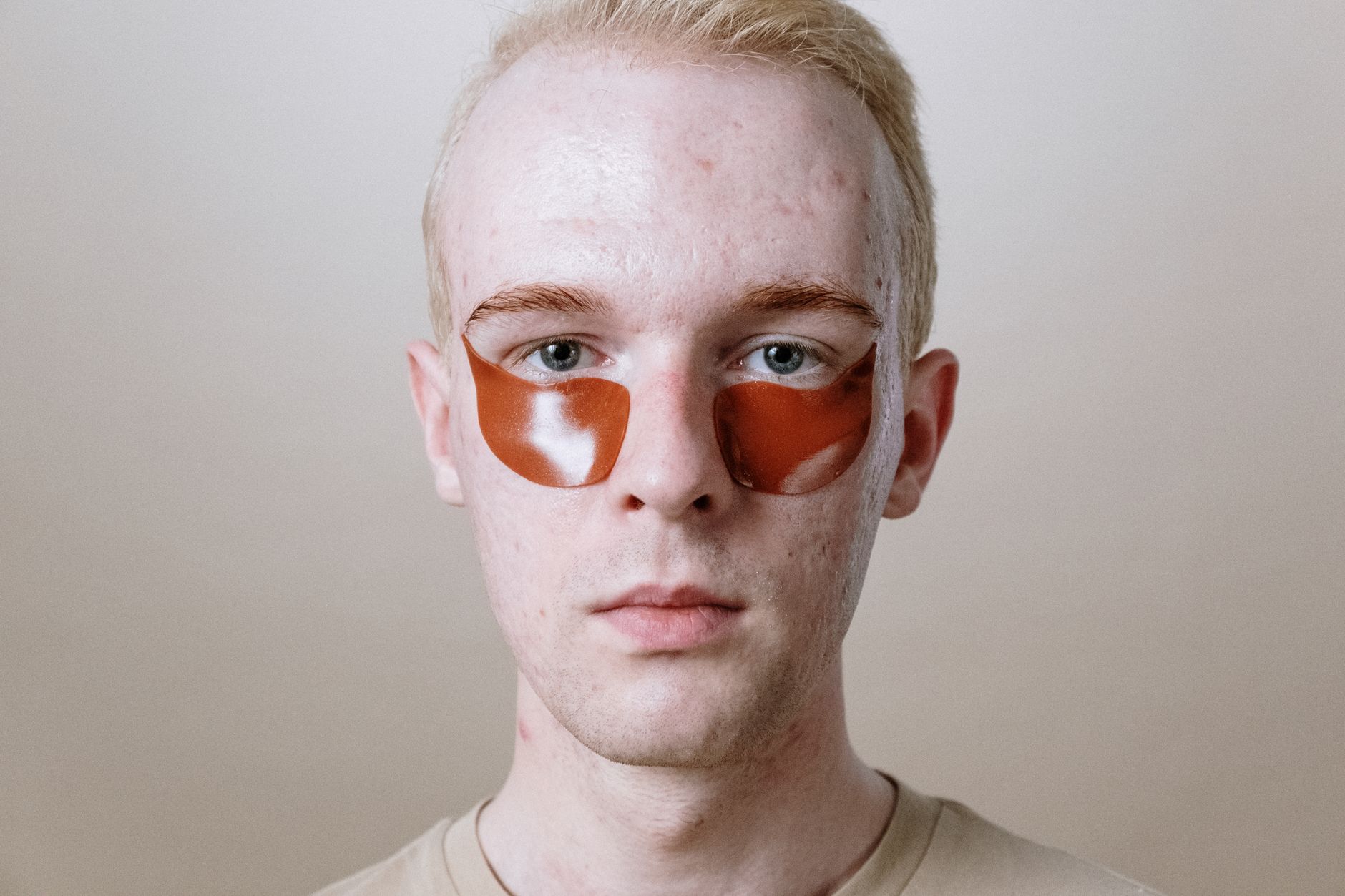
Acne flare-ups happen for specific, identifiable reasons—and understanding them is the first step toward clearer skin. The primary culprits are hormonal fluctuations that increase sebum production, bacterial colonization of the skin, dietary choices that fuel inflammation, stress and sleep disruption, improper skincare, and underlying biological imbalances that require targeted intervention. A teenage girl might notice her skin worsens two weeks before her period due to hormonal changes; a college student eating a high-sugar diet combined with poor sleep during exams might experience a sudden breakout within 48 hours; an adult using pore-clogging moisturizers despite oily skin could trigger painful cystic acne within days. These aren’t random—they’re predictable responses from your skin to identifiable triggers. Acne is far more common than many people realize. Nearly 85% of people in the U.S.
experience acne at some point in their lives, with approximately 50 million Americans affected annually. Globally, acne affects an estimated 9.4% to over 20% of the population, with higher rates in East Asia, Latin America, and the Middle East. The prevalence has increased across nearly all countries since the 1990s, making it a growing concern for adolescents and young adults. Understanding the root causes allows you to identify which triggers apply to your skin and take targeted action rather than guessing which products or habits might help. Each of the primary causes operates through different biological mechanisms, and prevention strategies vary accordingly. Some factors—like hormonal changes during menstruation or puberty—require medical intervention; others, like dietary habits or skincare mistakes, are entirely within your control. The most effective approach combines awareness of your personal triggers with proven prevention methods tailored to address them.
Table of Contents
- How Hormonal Factors Trigger Acne Flare-Ups
- The Role of Cutibacterium acnes in Acne Development
- Diet and Acne: What You Eat Affects Your Skin
- Stress, Sleep, and Menstrual Cycles: Lifestyle Triggers for Acne
- Your Skincare Routine: A Common Source of Acne Flare-Ups
- Hormonal Treatments and Medical Prevention Options
- Practical Daily Steps to Prevent and Manage Acne Flare-Ups
- Frequently Asked Questions
How Hormonal Factors Trigger Acne Flare-Ups
Androgens are the primary hormonal drivers of acne. These male hormones, present in both men and women, activate receptors in sebaceous glands and increase sebum production—the oily substance that, when combined with dead skin cells and bacteria, clogs pores and creates an ideal environment for breakouts. But androgens aren’t the only culprits; excess circulating growth hormone, thyroxine, or prolactin also increase sebum production, explaining why some people experience flare-ups tied to thyroid dysfunction or other hormonal imbalances. Cortisol, the stress hormone, elevates during stressful periods and directly stimulates sebaceous gland activity, creating a direct link between emotional stress and oilier skin. In women ages 20-29, acne prevalence is notably high at 51% compared to 43% in males the same age—a disparity driven largely by menstrual cycle fluctuations and hormonal contraceptive use. In adult women specifically, acne remains a significant issue: up to 45% of women ages 21-30 experience acne, but prevalence drops substantially to 12% in women ages 41-50.
This age-related pattern reflects declining estrogen fluctuations and more stable hormonal environments as women move through their 30s and into perimenopause and menopause. For women whose acne flares in the second half of their menstrual cycle, hormonal shifts during the luteal phase trigger increased sebum production and skin sensitivity, making breakouts nearly predictable each month. Treatment options depend on the underlying hormonal driver. Spironolactone, an anti-androgen medication, decreases testosterone production and sebum output, making it effective for hormonal acne in women. Estrogen-based contraceptives also suppress androgen activity and are frequently prescribed specifically for acne management. For localized, persistent hormonal acne, Winlevi (clascoterone 1%), an FDA-approved topical cream introduced in 2020 and increasingly prescribed since 2024-2025, is the only topical medication that directly blocks androgen receptors in the skin without affecting systemic hormones—a significant advancement for those who cannot or prefer not to take oral medications.
The Role of Cutibacterium acnes in Acne Development
Acne isn’t simply caused by “dirty skin” or poor hygiene—it’s driven by a specific bacterium called Cutibacterium acnes, formerly known as Propionibacterium acnes. This bacterium colonizes hair follicles and sebaceous glands in virtually all people, but in acne-prone individuals, it triggers a cascade of inflammatory responses. Not all strains of C. acnes contribute equally to acne; certain phylotypes, particularly the IA1 lineage, are strongly associated with acne pathology, suggesting that bacterial strain type influences acne severity. The bacterium damages skin tissue through multiple mechanisms. C.
acnes secretes hydrolytic enzymes—proteases, lipases, and hyaluronidases—that break down proteins and fats, directly damaging the structural integrity of follicle walls. Simultaneously, the bacteria stimulate monocytes (immune cells) to produce pro-inflammatory cytokines including IL-1β, IL-6, and TNF-α, which trigger the redness, swelling, and tenderness characteristic of inflammatory acne. This means that acne is fundamentally an inflammatory infection within the follicle, not just a cosmetic issue. The implication is significant: treating acne requires either reducing bacterial load through antimicrobials like benzoyl peroxide or antibiotics, reducing sebum that feeds the bacteria, or reducing the inflammatory response once bacteria are present. A single acne lesion represents the combination of follicle obstruction, bacterial overgrowth, and immune activation—which is why combination treatments (such as benzoyl peroxide paired with a retinoid) often work better than single-ingredient approaches. A critical limitation is that overusing antibiotics to kill C. acnes is increasingly problematic; antibiotic-resistant strains are becoming more common, making prevention through sebum control and physical removal of dead skin more valuable long-term.
Diet and Acne: What You Eat Affects Your Skin
The relationship between diet and acne is now scientifically established, not speculative. A 2024 review from the European Academy of Dermatology and Venereology analyzed interventional studies and found that 3 out of 4 showed positive associations between high glycemic index foods and acne—meaning foods that rapidly spike blood sugar directly correlate with acne severity. Additionally, a large 78,000-person study found a clear positive association between dairy intake, particularly skim milk, and increased acne risk. These aren’t minor correlations; they represent robust epidemiological evidence that dietary choices have measurable effects on skin health. The mechanism is straightforward: high-glycemic foods cause rapid insulin spikes, which increase IGF-1 (insulin-like growth factor 1) and androgens, both of which stimulate sebaceous glands and follicle proliferation.
Dairy products, especially skim milk, contain hormones from lactating cows and whey proteins that independently trigger IGF-1 pathways. Furthermore, diets high in omega-6 polyunsaturated fats relative to omega-3 fats create an inflammatory state in the body that exacerbates skin inflammation. A person eating refined carbohydrates, processed dairy, and vegetable oil-heavy fried foods is essentially creating a hormonal and inflammatory environment optimized for acne production. The limitation is that diet alone rarely causes acne unless combined with other triggers—genetics, bacterial load, and hormonal status still matter enormously. However, for someone with acne-prone skin, dietary modification is one of the few entirely controllable factors. Choosing low-glycemic index foods like whole grains, legumes, and non-starchy vegetables; reducing added sugars; limiting dairy intake; and balancing fatty acid intake toward omega-3 sources like fatty fish, flaxseed, and walnuts can produce visible improvements within 4-8 weeks for many individuals.
Stress, Sleep, and Menstrual Cycles: Lifestyle Triggers for Acne
Stress and sleep deprivation trigger acne through multiple overlapping pathways, all centered on cortisol elevation and immune dysregulation. Cortisol, your body’s primary stress hormone, directly activates sebaceous glands—meaning that high-stress periods reliably produce oilier skin. Poor sleep prevents the immune system from clearing bacteria efficiently and disrupts the skin’s natural repair cycles, leaving the barrier compromised and more susceptible to irritation. For women, hormonal fluctuations tied to menstrual cycles represent an additional stressor; changes in estrogen and progesterone during the luteal phase disrupt skin’s barrier function and increase inflammation, which is why many women report significantly worse acne in the two weeks leading up to menstruation. The real-world pattern is predictable: a student pulling all-nighters during exam week, drinking excess caffeine and eating fast food while stressed, and menstruating simultaneously will almost certainly experience a significant acne flare within 48-72 hours. Each stressor—sleep deprivation, stress, hormonal change—independently triggers sebum production and immune dysregulation; combined, they create a perfect biological storm.
Busy routines that prioritize productivity over sleep and stress management directly feed acne development. Practical management requires addressing the root stressors, not just their skin manifestations. Deep breathing exercises, meditation, and yoga measurably reduce cortisol levels and can diminish acne severity over time. Light exercise like walking, swimming, or cycling also manages cortisol without the immune-suppression risk of intense overtraining. Sleep is non-negotiable; even one night of poor sleep elevates cortisol and impairs immune function. For women whose acne is tied to menstrual cycles, tracking breakout patterns relative to cycle timing allows for targeted prevention—for example, intensifying skincare during the high-risk luteal phase.
Your Skincare Routine: A Common Source of Acne Flare-Ups
One of the most overlooked acne triggers is the skincare routine itself. Using heavy, pore-clogging moisturizers, oil-based makeup, or occlusive products on acne-prone skin creates an environment where bacteria thrive and follicles cannot shed dead skin cells efficiently. Similarly, overwashing or using harsh, drying cleansers strips the skin’s protective barrier, triggering a rebound increase in sebum production as the skin attempts to compensate. Many people unknowingly make their acne worse by treating it too aggressively or with products inappropriate for their skin type. Effective acne prevention through skincare starts with fundamentals: cleanse your face twice daily with a gentle cleanser to remove bacteria, excess oil, and dead skin cells without stripping the skin. Use products containing proven acne-fighting ingredients like salicylic acid (a beta-hydroxy acid that penetrates pores and exfoliates from within) or benzoyl peroxide (which kills C.
acnes bacteria and prevents antibiotic resistance). The critical limitation is that these ingredients are only effective if you’re also controlling the other factors—using benzoyl peroxide while eating a high-sugar diet and sleeping poorly will still result in breakouts. Product selection matters as much as the routine itself. Lightweight, non-comedogenic moisturizers (those formulated not to clog pores) are essential even for oily skin, as dehydration triggers compensatory sebum production. Avoid heavy creams, silicone-based primers, and occlusive sunscreens unless they’re specifically labeled non-comedogenic. Sunscreen is critical when using acne treatments like benzoyl peroxide and retinoids, which increase sun sensitivity, but applying a heavy sunscreen over acne-prone skin without using the right formulation will worsen breakouts. This highlights a practical tradeoff: sun protection is necessary, but only with products specifically designed for acne-prone skin.
Hormonal Treatments and Medical Prevention Options
For acne driven by hormonal imbalances, topical skincare alone is insufficient—medical intervention becomes necessary. Anti-androgen medications work by reducing the circulating hormones that stimulate sebaceous glands. Spironolactone, a potassium-sparing diuretic that blocks androgen receptors, decreases sebum production and is particularly effective for women experiencing hormonal acne. Estrogen-based hormonal contraceptives suppress androgen activity at the ovarian level and are frequently prescribed specifically for acne management in women; different formulations vary in their anti-androgen potency. The recent introduction of Winlevi (clascoterone 1%) in 2020, with increasing clinical adoption since 2024-2025, represents a paradigm shift in acne treatment.
It is the only topical medication that directly blocks androgen receptors in the skin, meaning it reduces sebum production locally without systemic hormonal effects. For patients unwilling or unable to take oral contraceptives or anti-androgens, or for those with mild-to-moderate hormonal acne, this topical option provides targeted androgen blockade without the side effect profile of systemic medications. The tradeoff is that topical treatment only addresses local androgen signaling; for severe systemic hormonal acne with elevated circulating androgens, oral anti-androgens remain more effective. Dermatologists may also prescribe oral isotretinoin (Accutane) for severe, treatment-resistant acne, but this powerful retinoid requires careful monitoring due to birth defect risks, liver enzyme elevations, and potential psychiatric effects. It’s reserved for cases where acne is severely scarring or psychologically distressing, not for routine prevention. For most people, addressing the modifiable triggers—diet, stress, skincare, and hormonal management if appropriate—prevents the need for systemic medications.
Practical Daily Steps to Prevent and Manage Acne Flare-Ups
Prevention strategies must be personalized to your specific triggers, but several evidence-based approaches apply universally. Start with a consistent, gentle skincare routine: cleanse twice daily, apply a salicylic acid or benzoyl peroxide treatment to affected areas, follow with a lightweight non-comedogenic moisturizer, and use sunscreen (SPF 30+) during the day. This foundation addresses bacterial load and follicle obstruction regardless of other triggers. Simultaneously, address dietary and lifestyle factors by reducing high-glycemic foods like refined bread, sugary drinks, desserts, and fast food; limiting dairy intake, especially skim milk; and prioritizing omega-3 rich foods like fatty fish, flaxseeds, and walnuts.
Aim for at least seven hours of sleep nightly, as sleep deprivation directly elevates cortisol and impairs immune function. For stress management, identify a practice that resonates—whether that’s 10 minutes of daily meditation, three 30-minute exercise sessions weekly, or another stress-reduction technique—and commit to it consistently. These modifications work not by masking acne but by removing the biological conditions that produce it. For women with menstrual-cycle-linked acne, tracking breakout timing relative to your cycle allows for intensified prevention during the high-risk luteal phase. For anyone with persistent acne unresponsive to these changes, consulting a dermatologist to identify whether hormonal testing or prescription treatments like spironolactone, hormonal contraceptives, or topical clascoterone might help ensures you’re not leaving effective options on the table.
- —
Frequently Asked Questions
How long does it take for dietary changes to improve acne?
Most people see visible improvements within 4-8 weeks of consistently reducing high-glycemic foods and dairy. The timeline varies based on how strictly you follow dietary changes and the severity of your acne.
Can I use benzoyl peroxide and retinoids together?
Benzoyl peroxide is stable with most retinoids, but it can inactivate some prescription retinoids like tretinoin. Use them at different times of day—benzoyl peroxide in the morning, tretinoin at night—if your dermatologist recommends both.
Is acne caused by poor hygiene or dirty skin?
No. Acne is caused by sebum production, bacterial colonization, inflammation, and follicle obstruction—not by dirt. Over-washing or using harsh soaps can actually worsen acne by stripping your skin barrier.
Will reducing stress alone clear my acne?
Stress reduction helps, but acne is multifactorial. You’ll likely need to address diet, skincare, sleep, and possibly hormonal factors simultaneously for significant improvement.
Is Winlevi better than benzoyl peroxide?
They work differently. Winlevi blocks androgen receptors and reduces sebum production. Benzoyl peroxide kills bacteria. Your dermatologist might recommend one or both depending on your acne’s underlying cause.
Can birth control help acne if I’m not using it for contraception?
Yes. Hormonal contraceptives, especially those with high anti-androgen potency, reduce sebum production and can significantly improve hormonal acne in women. This is a legitimate medical use even if contraception isn’t your primary goal. —