
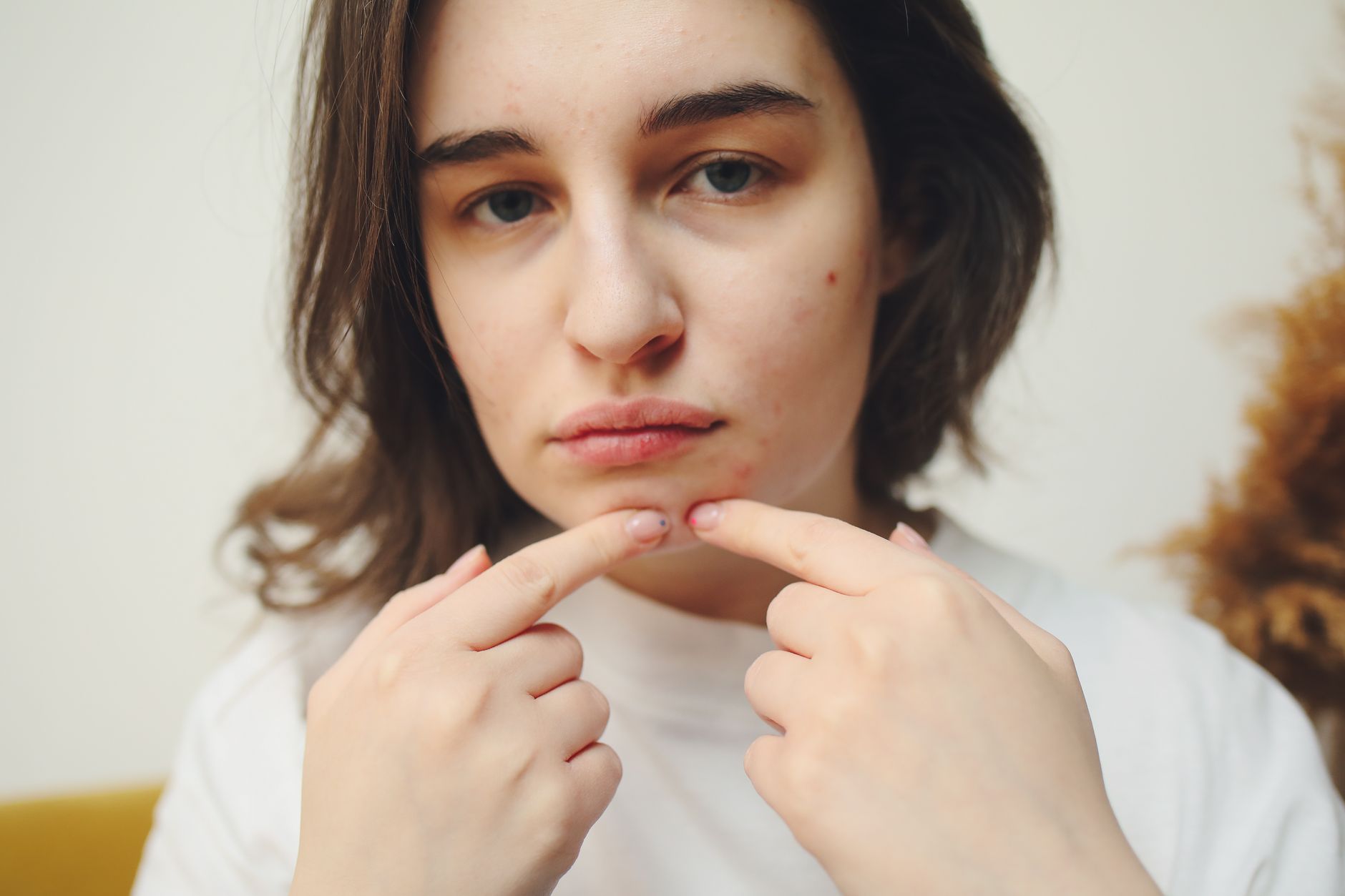
Adult acne is treatable through a combination of targeted topical treatments, oral medications, professional procedures, and preventive skincare habits tailored to the underlying causes of breakouts. Unlike teenage acne, which is driven primarily by hormonal shifts and excess sebum production, adult breakouts often stem from hormonal fluctuations, stress, dietary factors, or irritation from skincare and cosmetic products—requiring a different diagnostic and treatment approach. A person struggling with breakouts in their 30s or 40s might discover that their acne improves dramatically once they switch from a heavy moisturizer to a lightweight, non-comedogenic formula, or address an underlying hormonal imbalance, rather than applying the same harsh benzoyl peroxide treatment that worked in high school.
Effective acne prevention and treatment in adults depends on correctly identifying the root cause of breakouts and selecting interventions that address those specific triggers while maintaining the skin’s barrier integrity. Many adults waste time and money on treatments that don’t work for their acne type because they haven’t pinpointed whether their breakouts are bacterial, hormonal, stress-related, or triggered by product sensitivity. The good news is that a systematic approach—involving dermatological evaluation, appropriate medication selection, and consistent skincare—can resolve or significantly minimize adult acne for most people.
Table of Contents
- How Do Topical Treatments Target Adult Acne?
- What Oral Medications Treat Persistent Adult Acne?
- How Do Professional Treatments Complement Home Care?
- What Role Does Daily Skincare Play in Adult Acne Prevention?
- How Do Stress, Diet, and Sleep Affect Adult Acne?
- What Is Hormonal Acne and Why Do Adult Women Experience It?
- How Should Adults Approach Treatment Planning With a Dermatologist?
- Frequently Asked Questions
How Do Topical Treatments Target Adult Acne?
Topical treatments are often the first line of defense for adult acne because they work directly on the skin surface and can be adjusted based on tolerance. Benzoyl peroxide remains highly effective at killing acne-causing bacteria and is available in concentrations ranging from 2.5% to 10%, though lower concentrations (2.5% to 5%) are often recommended for adults because they cause less irritation and dryness than higher doses. Retinoids—prescription options like tretinoin or adapalene, or over-the-counter retinol and retinaldehyde—work by increasing cell turnover and preventing pores from becoming clogged, making them especially useful for adult acne because they also address fine lines and skin texture simultaneously. Salicylic acid, a beta hydroxy acid, penetrates oily pores to dissolve dead skin cells and is well-tolerated by most adults in concentrations of 0.5% to 2%.
A practical limitation of topical treatments is the adjustment period required, which can last 6 to 12 weeks before improvement becomes visible. Additionally, combining multiple active ingredients—such as using both benzoyl peroxide and a retinoid—can cause excessive dryness, irritation, and peeling if not introduced gradually. An adult starting tretinoin, for example, typically begins with the lowest concentration (0.025%) applied just two or three times per week, slowly increasing frequency over several months to minimize redness and flaking. Sun protection becomes non-negotiable when using any retinoid because these medications increase photosensitivity; skipping sunscreen can lead to accelerated sun damage and ironically worsen skin texture.
What Oral Medications Treat Persistent Adult Acne?
When topical treatments alone don’t clear acne within 8 to 12 weeks, oral antibiotics are often prescribed to reduce bacterial growth and inflammation. Doxycycline and minocycline are commonly used and have the advantage of providing systemic anti-inflammatory effects beyond their antibacterial action, which is why they work even in cases where bacteria aren’t the primary driver. However, oral antibiotics carry important limitations: prolonged use increases the risk of antibiotic resistance, which means the acne-causing bacteria may become less responsive over time, and antibiotics should ideally be paired with benzoyl peroxide to slow resistance development. Tetracycline antibiotics can also increase sun sensitivity and, in rare cases, cause photosensitivity reactions that result in a blue-gray discoloration of the skin if exposure occurs.
For women with hormonal acne—breakouts that worsen in the week before menstruation, improve during pregnancy, or appear after starting hormonal birth control—oral contraceptives or spironolactone offer targeted relief by reducing androgens (male hormones) that stimulate sebum production. Birth control pills containing both estrogen and progestin can be effective, though some progestins are more acne-friendly than others; for example, drospirenone-containing pills tend to have better acne outcomes than older formulations. Spironolactone, a potassium-sparing diuretic, is prescribed off-label specifically for hormonal acne and typically requires 2 to 3 months to show noticeable improvement. Isotretinoin (Accutane) is reserved for severe, scarring acne that hasn’t responded to other treatments, because despite its high effectiveness, it carries serious side effects including birth defects if taken during pregnancy, mandatory monthly liver function monitoring, and a risk of depression in some patients.
How Do Professional Treatments Complement Home Care?
Dermatologists offer in-office procedures that can accelerate acne clearance and prevent scarring. Chemical peels using glycolic acid or salicylic acid exfoliate the skin at a deeper level than at-home treatments and can be performed monthly or quarterly to reduce active breakouts and improve skin texture. Laser and light-based therapies, such as blue light phototherapy or laser treatments targeting sebaceous glands, work by either killing acne bacteria or reducing sebum production, though results vary significantly based on skin tone and acne severity.
Extraction of comedones and cystic acne by a professional is faster and less traumatic than attempting extraction at home, where picking or squeezing can rupture the follicle wall deeper into the skin and cause permanent scarring. The primary limitation of professional treatments is cost; a series of six to eight chemical peels or laser sessions can easily cost $1,000 to $3,000, and results may require ongoing maintenance every few months. Additionally, professional treatments work best when combined with home skincare and medications rather than as standalone solutions. A person with moderate acne might see the fastest clearance by using tretinoin at home while receiving monthly chemical peels at a dermatologist’s office, whereas someone using laser treatment alone without topical retinoids or antibiotics may see temporary improvement followed by relapse.
What Role Does Daily Skincare Play in Adult Acne Prevention?
A consistent skincare routine is foundational to preventing breakouts and supporting the efficacy of acne medications. Cleansing twice daily with a gentle, non-foaming cleanser removes excess oil and dead skin cells without stripping the skin barrier; foaming cleansers tend to over-dry adult skin and can trigger compensatory sebum production that worsens acne. Moisturizing is equally important, even for oily, acne-prone skin, because using acne medications without adequate hydration can compromise the skin barrier, leading to increased irritation and, paradoxically, more breakouts as the skin becomes inflamed and reactive. Non-comedogenic moisturizers, designed not to clog pores, are essential; common culprits that trigger breakouts include heavy oils like coconut oil, thick creams formulated for dry skin, and silicone-based primers in cosmetics.
Sunscreen is non-negotiable for anyone using acne medications, particularly retinoids, but many acne sufferers avoid sunscreen because they worry it will clog pores. Mineral sunscreens containing zinc oxide or titanium dioxide can be occlusive, while chemical sunscreens absorb into the skin, though both types have non-comedogenic formulations available. The tradeoff is accepting some trial and error to find a sunscreen that protects without causing breakouts; skipping sunscreen to avoid potential pore-clogging is a poor strategy because sun exposure increases skin inflammation and post-inflammatory hyperpigmentation, making acne marks darker and more visible. Adults should also evaluate their full skincare and cosmetic routine, including foundation, concealer, and powder, all of which can trigger acne if they’re comedogenic or if they’re not removed completely at the end of each day.
How Do Stress, Diet, and Sleep Affect Adult Acne?
Stress, sleep deprivation, and certain dietary patterns are well-established triggers for adult acne, though the mechanisms aren’t fully understood and vary between individuals. Stress raises cortisol levels, which increases sebum production and skin inflammation, potentially worsening existing acne or triggering new breakouts. Sleep deprivation impairs the skin’s barrier function and increases inflammatory cytokines, so adults who experience breakout flare-ups during high-stress periods or poor sleep may see improvement simply by prioritizing 7 to 9 hours of consistent sleep. However, stress and acne can create a vicious cycle: acne causes emotional distress, which elevates stress hormones, which worsens acne, which intensifies emotional burden.
Dietary factors are more controversial, but dairy consumption and high-glycemic foods (refined sugars and white bread) have been linked to acne worsening in some studies and individuals. The proposed mechanism is that both dairy and high-glycemic foods increase insulin levels, which in turn elevates androgens and sebum production. However, diet is not a universal acne trigger; some people can consume dairy and refined carbohydrates without issue, while others see clear improvement after cutting these foods out. Rather than prescribing a blanket dietary change, a more practical approach is to keep a food and breakout diary for 4 to 8 weeks to identify personal triggers. A person who notices flare-ups within 24 to 48 hours of consuming milk or ice cream has legitimate cause to restrict dairy, whereas someone who sees no correlation should not unnecessarily eliminate nutritious foods.
What Is Hormonal Acne and Why Do Adult Women Experience It?
Hormonal acne in adult women typically appears as deeper, tender cysts or nodules along the jawline, chin, and lower face, often worsening in the luteal phase of the menstrual cycle when progesterone rises and sebum production increases. Unlike inflammatory acne caused by bacteria, hormonal acne is driven by androgen sensitivity in sebaceous glands, making it resistant to antibiotics alone and requiring hormone-modulating treatments like oral contraceptives or spironolactone. Women entering perimenopause or experiencing polycystic ovary syndrome (PCOS) are particularly prone to hormonal acne because their androgens are elevated or their skin is more sensitive to normal androgen levels.
The distinction matters because a woman prescribed doxycycline for hormonal acne may see minimal improvement after three months of treatment, not because the medication is ineffective, but because antibiotics don’t address the hormonal driver. Adding a hormonal treatment, whether oral contraceptive or spironolactone, or switching to isotretinoin if acne is severe, becomes necessary. Some women discover their acne is hormonal only after switching birth control formulations; starting a pill containing a less androgenic progestin, such as norgestimate or desogestrel, can clear acne within 3 to 4 months, whereas switching to a more androgenic progestin can paradoxically trigger or worsen breakouts.
How Should Adults Approach Treatment Planning With a Dermatologist?
Effective acne treatment starts with a clear diagnosis and a realistic timeline. A dermatologist should evaluate whether acne is primarily bacterial, hormonal, inflammatory, or a combination, because the answer determines which treatments are most likely to work. Adults often expect acne to clear in weeks, but most treatments require 8 to 12 weeks to show meaningful improvement, and some medications like spironolactone or oral contraceptives may take 3 to 6 months to reach full effectiveness.
Setting this expectation upfront prevents frustration and abandonment of treatments that would eventually work if continued. Treatment escalation should follow a logical progression: start with topical treatments and skincare optimization; add oral antibiotics if needed after 8 to 12 weeks; introduce hormone-modulating treatments if acne appears hormonal; and consider isotretinoin only for severe acne or after multiple failed treatment attempts. Monitoring for side effects and efficacy requires follow-up appointments every 4 to 8 weeks initially, then spacing out to every 3 to 6 months once acne is controlled. Adults who have persistent acne despite compliant use of medications should return to their dermatologist to reassess rather than continuing ineffective treatments indefinitely; sometimes a simple change, like switching from doxycycline to minocycline, or adding a retinoid to an antibiotic regimen, makes the difference.
Frequently Asked Questions
How long does it take for acne treatment to work?
Most topical and oral acne treatments require 8 to 12 weeks to show noticeable improvement, though some medications like spironolactone or hormonal birth control may take 3 to 6 months to reach full effectiveness. If you see no improvement after 12 weeks of consistent use, consult your dermatologist about adjusting your treatment plan rather than assuming the medication has failed.
Is acne in adults the same as teenage acne?
No. Adult acne often has different triggers, including hormonal fluctuations, stress, product sensitivities, and skincare routines designed for different skin types. This means treatment approaches differ; an adult may need hormone-modulating medications or adjustment of their moisturizer and sunscreen, whereas a teenager with the same breakouts might benefit primarily from benzoyl peroxide and salicylic acid.
Can I use multiple acne treatments at the same time?
Combining treatments can be effective, but layering too many active ingredients—such as benzoyl peroxide, retinoids, and acids simultaneously—can cause severe dryness and irritation, reducing compliance and potentially worsening acne. A safer approach is to introduce treatments gradually, starting with one and adding a second after 4 to 6 weeks once tolerance is established.
Does diet really cause acne?
Diet is a trigger for some people but not others. Dairy and high-glycemic foods have been linked to acne in some studies and individuals, but the effect is not universal. Keeping a food and breakout diary for 4 to 8 weeks helps identify personal dietary triggers rather than following a blanket restriction based on general population data.
When should I see a dermatologist instead of treating acne at home?
Consider dermatology consultation if over-the-counter treatments don’t improve acne after 8 to 12 weeks, if acne is severe or leaving scars, if you suspect hormonal acne, or if acne significantly impacts your emotional well-being. A dermatologist can prescribe medications not available over-the-counter and design a personalized treatment plan based on your acne type.
Is hormonal acne only a women’s issue?
Acne driven by androgens occurs predominantly in women, but men can also experience acne worsened by hormonal factors, particularly testosterone fluctuations. If a man’s acne is resistant to standard treatments, underlying hormonal imbalance should be evaluated, though treatment options are more limited than for women due to the role of testosterone in male development.