
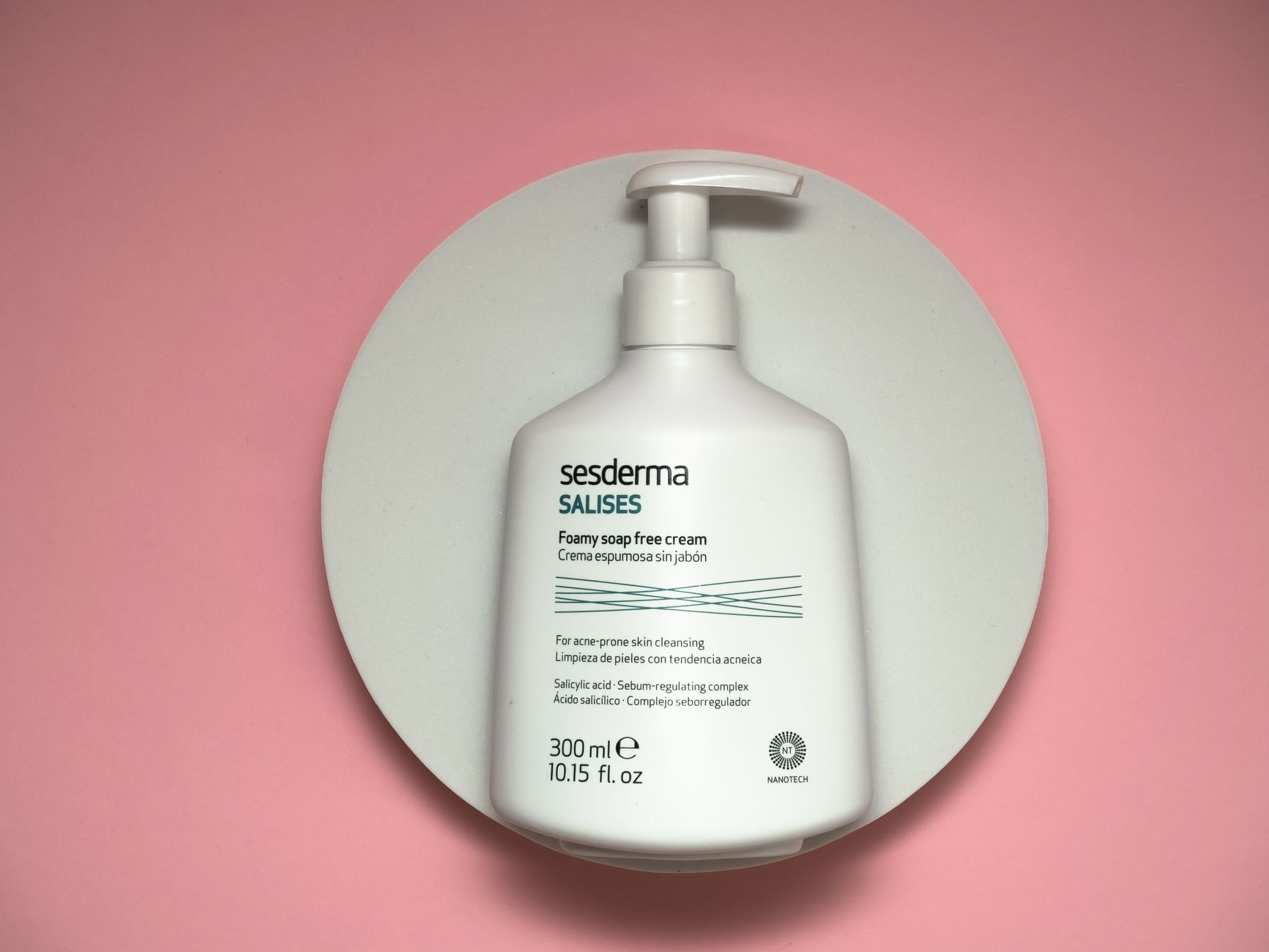
Salicylic acid cleansers are among the most effective over-the-counter options for managing acne-prone skin and congested pores because they penetrate the skin’s surface and break apart the sebum and dead cell buildup that clogs follicles. A good salicylic acid cleanser works as a daily foundation, helping to prevent breakouts before they form rather than only treating existing blemishes. For someone dealing with blackheads on the nose, enlarged pores, or recurring acne across the chin and jawline, a 0.5% to 2% salicylic acid cleanser applied twice daily can noticeably reduce congestion within two to four weeks.
The key is understanding that salicylic acid—a beta hydroxy acid—dissolves in oil, making it uniquely suited for oily and acne-prone skin types. It works differently than physical scrubs or benzoyl peroxide, offering gentler yet consistent exfoliation that removes debris from inside the pore rather than just the surface. Not all salicylic acid cleansers are created equal; strength, pH, additional ingredients, and your individual skin tolerance all matter when selecting the right product for your routine.
Table of Contents
- How Do Salicylic Acid Cleansers Help Clear Acne and Unclog Pores?
- Choosing Strength and Concentration for Your Skin Type
- Understanding Product Formulation and Additional Ingredients
- Building an Effective Daily Cleansing Routine with Salicylic Acid
- Managing Side Effects and Recognizing Skin Sensitivity
- Combining Salicylic Acid with Other Acne Treatments
- Specific Product Formats and Their Practical Differences
- Frequently Asked Questions
How Do Salicylic Acid Cleansers Help Clear Acne and Unclog Pores?
Salicylic acid’s effectiveness stems from its molecular structure—it’s lipophilic, meaning it dissolves in oil and can penetrate deep into sebaceous follicles where bacteria, sebum, and dead skin cells accumulate. When you use a salicylic acid cleanser, it exfoliates the inner walls of the pore, breaking the bonds between keratinized cells and reducing the packed debris that forms blackheads and whiteheads. This preventive action stops acne before it becomes inflamed, which is why dermatologists often recommend salicylic acid cleansers as a starting point for mild to moderate acne.
Unlike benzoyl peroxide, which kills acne bacteria directly, salicylic acid’s primary job is mechanical clearance and exfoliation. A person using salicylic acid cleanser may see fewer new breakouts developing, but it won’t necessarily eliminate active pustules as quickly as benzoyl peroxide. This is an important limitation: if your acne is predominantly inflammatory (red, painful bumps), you may need to combine salicylic acid with other treatments rather than rely on it alone.
Choosing Strength and Concentration for Your Skin Type
Salicylic acid cleansers typically range from 0.5% to 2% concentration, with over-the-counter products usually maxing out at 2%. Lower concentrations (0.5% to 1%) are gentler, suitable for sensitive skin or first-time users, while higher concentrations (1.5% to 2%) offer more aggressive exfoliation for thicker skin or severe congestion. The concentration alone doesn’t determine effectiveness; formulation pH matters significantly. Salicylic acid only penetrates skin effectively at a pH below 4, so a cleanser with a high pH may contain salicylic acid but won’t deliver the same results.
A major pitfall is assuming that a stronger product will work better or faster. using a 2% salicylic acid cleanser on sensitive, reactive skin can trigger irritation, dryness, and a compromised skin barrier within days. Starting with a lower concentration and increasing gradually over weeks gives your skin time to adapt and helps you identify your tolerance threshold. If you already use other acne medications—particularly retinoids, vitamin C, or prescription treatments—a high-strength salicylic acid cleanser may cause excessive irritation when layered into your routine.
Understanding Product Formulation and Additional Ingredients
Not all salicylic acid cleansers are simple formulations; many include complementary ingredients like niacinamide for pore appearance, zinc for oil control, green tea for antioxidant benefits, or charcoal for extra cleansing appeal. These additions can provide modest benefits but may also introduce fragrances or other irritants that counteract the simplicity and efficacy of salicylic acid alone. A cleanser with added fragrance or essential oils defeats the purpose for truly sensitive or reactive skin, since the cleanser’s job is to unclog pores, not deliver aromatherapy.
The base formula—whether it’s a gel, foam, cream, or liquid—affects how well salicylic acid contacts your skin and how much residue remains after rinsing. Gel and foam cleansers tend to feel drying but rinse clean, while cream-based salicylic acid cleansers may feel more comfortable but can leave film if not rinsed thoroughly. If your skin is already dehydrated, a cream or milk cleanser with salicylic acid may be gentler than a foaming option, though you’ll need to verify it contains an active concentration of the ingredient.
Building an Effective Daily Cleansing Routine with Salicylic Acid
A typical regimen involves using a salicylic acid cleanser once or twice daily, depending on your skin’s tolerance and the concentration of the product. Morning cleansing removes overnight oil buildup; evening cleansing removes dirt, sunscreen, and environmental debris accumulated throughout the day. Many people benefit from using salicylic acid at night only, pairing it with a gentle, non-medicated cleanser in the morning to avoid over-drying.
The duration you leave a cleanser on your skin matters less than the frequency and consistency of use. You don’t need to let a salicylic acid cleanser sit for several minutes; thirty seconds to a minute of gentle cleansing is sufficient. Overusing these products—either by increasing concentration too quickly, using them more than twice daily, or combining multiple salicylic acid products simultaneously—is a common mistake that leads to irritation, sensitivity, and sometimes a damaged moisture barrier that makes acne worse. Patience and consistency beat aggressive tactics.
Managing Side Effects and Recognizing Skin Sensitivity
Common side effects of salicylic acid include dryness, mild flaking, slight redness, and temporary sensitivity to sunlight. These effects often diminish within two weeks as your skin adjusts, but they can also signal that the concentration or frequency is too high for you. If you experience persistent irritation, burning, severe dryness, or worsening acne after starting salicylic acid, stop use and return to your baseline routine. This reaction may mean that your skin barrier is compromised or that you’re sensitive to the ingredient.
Sun sensitivity is a real concern: salicylic acid increases skin cell turnover, exposing newer, more photosensitive cells. This doesn’t mean you can’t use salicylic acid, but it demands consistent daily sunscreen use, even on cloudy days or when staying indoors. Skipping sunscreen while using salicylic acid increases your risk of sun damage, age spots, and uneven skin tone—ironically worsening the appearance of skin. People with certain skin conditions like rosacea or severe eczema should avoid salicylic acid cleansers entirely, as the ingredient can trigger flares.
Combining Salicylic Acid with Other Acne Treatments
Salicylic acid works well alongside some treatments but clashes with others. Pairing it with niacinamide, zinc, or gentle moisturizers generally poses no problem and can reduce irritation. However, combining salicylic acid with retinoids, benzoyl peroxide, and prescription acne medications like adapalene requires careful timing and lower concentrations to avoid over-irritation.
If you’re using a retinoid at night, many dermatologists recommend using the salicylic acid cleanser in the morning only, reserving the evening for the retinoid and a gentle, unmedicated cleanser. Layering multiple exfoliating or keratolytic ingredients—salicylic acid, glycolic acid, and physical scrubs all in one routine—multiplies the risk of barrier damage and sensitivity. Your skin needs recovery time between different exfoliating methods. If you’re already using glycolic acid or lactic acid serums, you may not need a salicylic acid cleanser; choosing one exfoliating approach and allowing 4 to 6 weeks to evaluate results is wiser than cycling through several at once.
Specific Product Formats and Their Practical Differences
Salicylic acid comes in multiple delivery formats: foaming cleansers, cream washes, liquid cleansers, facial pads, and bar formulas. Foaming cleansers feel more “clean” and remove oil effectively but often contain surfactants that can dry sensitive skin. Liquid and cream formulas are gentler and suitable for combination or sensitive skin but require more careful rinsing to avoid residue.
Salicylic acid pads or towelettes offer concentrated delivery and are useful for spot-treating areas like the T-zone, but they’re not ideal as a full-face cleanser due to their small size and the risk of inconsistent application. Bar cleansers with salicylic acid are gaining popularity for their convenience and reduced packaging waste, but they can be harder to rinse thoroughly and may leave residue, especially on congested skin. If you choose a bar format, ensure you’re cleansing for a full minute and rinsing with warm water until no soap film remains. The format you choose matters less than consistent use and proper technique; a simple gel cleanser used correctly every day will outperform a more elaborate cream formula used sporadically or rinsed hastily.
Frequently Asked Questions
How long does it take to see results from a salicylic acid cleanser?
Most people notice reduced congestion and fewer new breakouts within two to four weeks of consistent, twice-daily use. Full results typically emerge after six to eight weeks. Patience is essential; switching products every few days prevents your skin from adapting and makes results impossible to judge.
Can I use salicylic acid if my skin is sensitive or dry?
Yes, but at a lower concentration (0.5% to 1%) and less frequently (once daily, usually at night). Start with the gentlest available option and increase gradually. If irritation persists, salicylic acid may not be suitable for your skin type; discuss alternatives with a dermatologist.
Should I use salicylic acid if I’m already taking prescription acne medication?
Ask your prescribing dermatologist, as the answer depends on your specific medication and dosage. Many prescription acne treatments already include keratolytic ingredients, and adding salicylic acid could cause excessive irritation. Timing and concentration adjustments may allow safe combination use.
Does salicylic acid work for body acne or only facial acne?
Salicylic acid cleansers work well on chest, back, and other body acne areas. The skin on your body is often thicker and more resilient, so you may tolerate higher concentrations or more frequent use than on your face. Shower timing (cleanse while skin is wet) and thorough rinsing are still important.
Can I use a salicylic acid cleanser if I have oily skin but also use prescription retinoids?
Yes, but keep concentrations low (under 1%) and use the salicylic acid cleanser in the morning, reserving your evening routine for the retinoid and a gentle, unmedicated cleanser. Using both at night will almost certainly cause irritation and barrier damage.
What’s the difference between a salicylic acid cleanser and a salicylic acid toner or mask?
Cleansers are rinsed off immediately, limiting contact time and reducing irritation risk; they’re designed for daily use. Toners and masks allow longer contact with skin and deliver higher concentrations of salicylic acid, so they’re used less frequently (two to three times weekly) and suit more resistant skin. Use one delivery method at a time rather than layering all three.