
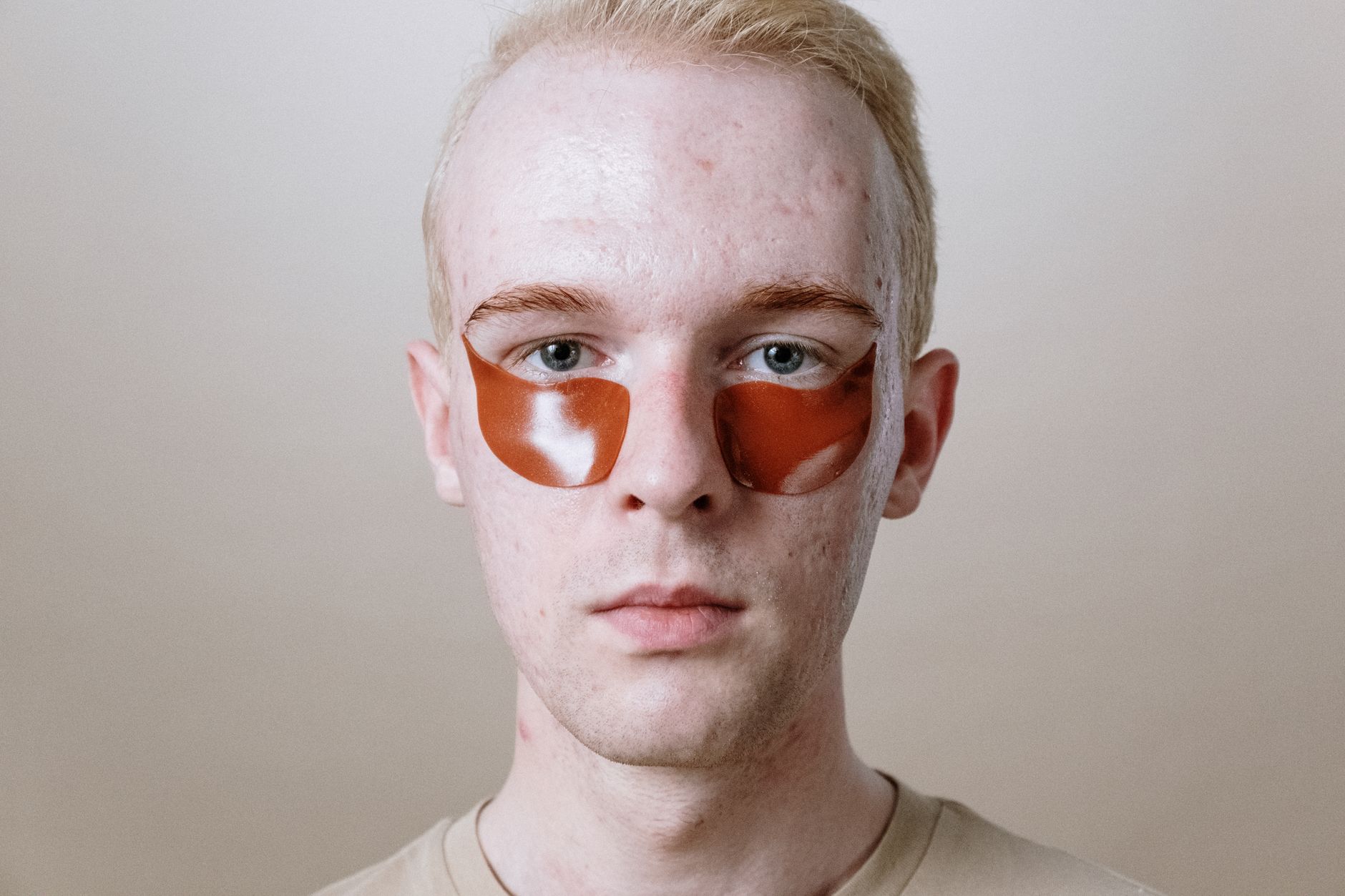
Acne scars represent a lasting reminder of past breakouts, affecting millions of people well after the active acne has cleared. These marks—whether indented (atrophic), raised (hypertrophic), or discolored—form when inflamed acne lesions damage collagen in the dermis, the skin’s middle layer. Modern science-based scar treatments work by stimulating collagen remodeling, resurfacing damaged skin, or using targeted energy delivery to trigger the body’s natural healing response, fundamentally changing how dermatologists and aestheticians approach post-acne restoration.
Science-based solutions for acne scars have evolved significantly over the past decade, moving beyond superficial treatments toward methods that address the underlying structural damage. These approaches range from laser resurfacing and microneedling to chemical peels and energy-based devices, each designed to either remove scarred tissue, promote new collagen formation, or both. The most effective treatments often combine multiple modalities, customized to the individual scar type and skin characteristics, rather than relying on a single solution.
Table of Contents
- What Distinguishes Science-Based Acne Scar Treatments from Older Methods?
- How Collagen Remodeling and Energy-Based Devices Work
- Chemical Peels and Microneedling for Acne Scars
- Combining Treatments and Customization for Individual Scar Types
- Safety Considerations and Limitations in Scar Treatment
- The Role of Early Treatment and Prevention
- Assessing Treatment Candidacy and Realistic Expectations
What Distinguishes Science-Based Acne Scar Treatments from Older Methods?
Traditional scar treatments like silicone ointments or topical retinoids offered limited results because they could not reverse the structural collagen loss that defines true scarring. Science-based approaches, by contrast, target the underlying problem: they either ablate (remove) damaged skin to trigger controlled healing, or they stimulate fibroblasts—cells that produce collagen—to fill in indented areas from within. This fundamental shift from surface treatment to structural remodeling has made visible scar reduction achievable for many patients who previously had no effective options.
The evidence supporting modern scar treatments comes from clinical studies measuring collagen density, skin texture analysis, and patient satisfaction across large patient populations. Laser-based treatments, for example, have demonstrated 40-60% scar improvement in clinical trials, with results continuing to improve over several months as the skin continues to remodel. However, these treatments are not universally effective: individuals with darker skin tones face higher risks of post-inflammatory hyperpigmentation, meaning scar treatment protocols must be adapted based on skin type and ethnic background.
How Collagen Remodeling and Energy-Based Devices Work
Collagen remodeling occurs when controlled injury—whether from laser, radiofrequency, or microneedles—triggers the body’s wound-healing cascade. This process activates fibroblasts and increases collagen production over weeks and months. Fractional laser systems, for instance, create microscopic columns of controlled thermal damage while leaving surrounding skin intact, allowing faster healing and reduced downtime compared to older full-ablation lasers. This precision is what makes modern treatments viable for routine clinical use rather than requiring extended recovery periods.
The limitation of collagen remodeling is that it works best on mild to moderate scars; severe, deeply indented scars may require multiple sessions or combination therapies. Additionally, individual variation in healing response means results are unpredictable. Some patients achieve dramatic improvement after two to three treatments, while others see minimal changes. Darker skin types and those prone to keloid formation face the additional risk that aggressive treatment could worsen scarring rather than improve it, requiring careful patient selection and lower treatment intensities.
Chemical Peels and Microneedling for Acne Scars
Chemical peels work by dissolving the outermost layers of skin to reduce surface irregularities and stimulate healing. Stronger peels (TCA and phenol-based) can improve rolling scars and mild boxcar scars, though they carry higher risks of complications including hyperpigmentation and, rarely, systemic toxicity. Microneedling creates thousands of tiny puncture wounds with a specialized device, triggering collagen production without removing tissue—an attractive option for patients who want less downtime and lower complication risks.
The choice between peels and microneedling often depends on scar type and patient tolerance. A patient with rolling scars and fair skin might benefit from a stronger chemical peel for more immediate improvement, while someone with darker skin might choose microneedling to minimize pigmentation risks. Microneedling typically requires four to six sessions spaced four to six weeks apart, compared to one to three sessions for laser treatments, meaning the total treatment timeline spans several months regardless of modality.
Combining Treatments and Customization for Individual Scar Types
The most effective acne scar treatment plans rarely rely on a single modality. A dermatologist treating mixed scar types—some indented, some raised, some discolored—might combine laser resurfacing for surface irregularities with subcision (a technique that cuts scar tissue beneath the skin) for deep rolling scars, followed by microneedling for collagen induction. This layered approach addresses multiple scar mechanisms simultaneously and typically yields better results than monotherapy.
The tradeoff of combination treatment is increased cost, downtime, and potential for adverse effects if procedures are not properly sequenced. Performing laser resurfacing immediately followed by microneedling, for example, risks excessive inflammation and could delay healing. Treatment plans must space procedures appropriately—typically four to eight weeks apart—to allow skin recovery between sessions, extending the overall timeline to six to twelve months for comprehensive scar improvement.
Safety Considerations and Limitations in Scar Treatment
Post-inflammatory hyperpigmentation (darkening of the treated area) remains the most common complication, particularly in individuals with skin types III through VI on the Fitzpatrick scale. This risk cannot be eliminated entirely, though it can be minimized through lower laser settings, sun protection, and careful patient counseling. More severe but rare complications include scarring from treatment itself, infection, and permanent skin texture changes.
The fundamental limitation that all scar treatments face is that they cannot erase scars completely in every case. Even the most advanced technologies achieve visible improvement rather than scar elimination. Severe ice-pick scars—narrow, deep indentations—may require surgical punch excision combined with resurfacing, rather than energy-based treatments alone. Patients entering treatment must understand realistic endpoints: a 50-70% improvement is considered an excellent outcome, and some scars remain visible even after multiple sessions.
The Role of Early Treatment and Prevention
Initiating scar treatment early—ideally within one to two years of acne resolution—offers advantages because newer scars have greater collagen plasticity and respond more readily to remodeling therapies. A person who seeks treatment one year after their acne clears typically requires fewer sessions than someone waiting five years, when scarring has fully matured and fibrous tissue has stabilized. This timing advantage has made acne scar awareness increasingly important for dermatology patient education.
Prevention remains underutilized despite being the most effective strategy. Aggressive treatment of active inflammatory acne—using retinoids, antibiotics, or isotretinoin as appropriate—reduces deep nodular lesions that cause the worst scarring. Additionally, avoiding picking, squeezing, or manipulating active acne lesions, as tempting as it is, prevents extension of the inflammatory reaction into deeper skin layers where permanent collagen damage occurs.
Assessing Treatment Candidacy and Realistic Expectations
Not every patient with acne scars is a candidate for every treatment. Individuals with active acne still require acne management before scar treatment, as new lesions will create new scars, undermining the benefit of treating old ones. Patients with unrealistic expectations—believing that one or two sessions will erase severe scarring—often report dissatisfaction regardless of actual clinical improvement.
A thorough consultation discussing scar type, skin type, realistic outcome probabilities, and total cost upfront prevents many misaligned expectations. The scientific basis for modern acne scar treatment is robust, but individual response remains variable. A person examining treatment options should review before-and-after images of patients with their specific scar type, discuss realistic timelines of six to twelve months for final results, and understand that most patients see gradual improvement rather than dramatic change after a single session. Asking a prospective provider about their complication rate, experience with your skin type, and protocol for managing adverse effects reveals the depth of their evidence-based practice.
- —
You Might Also Like
- At Least 70% of Patients Seeking Scar Treatment Believe That Picking at Acne Can Push Bacteria Deeper and Cause Permanent Scarring
- How Early Acne Treatment Prevents Long-Term Skin and Psychological Damage
- At Least 31% of Patients on Accutane Have Tried Oral Contraceptives Take 3 to 6 Months to Show Acne Improvement