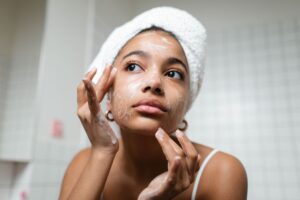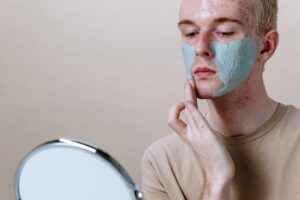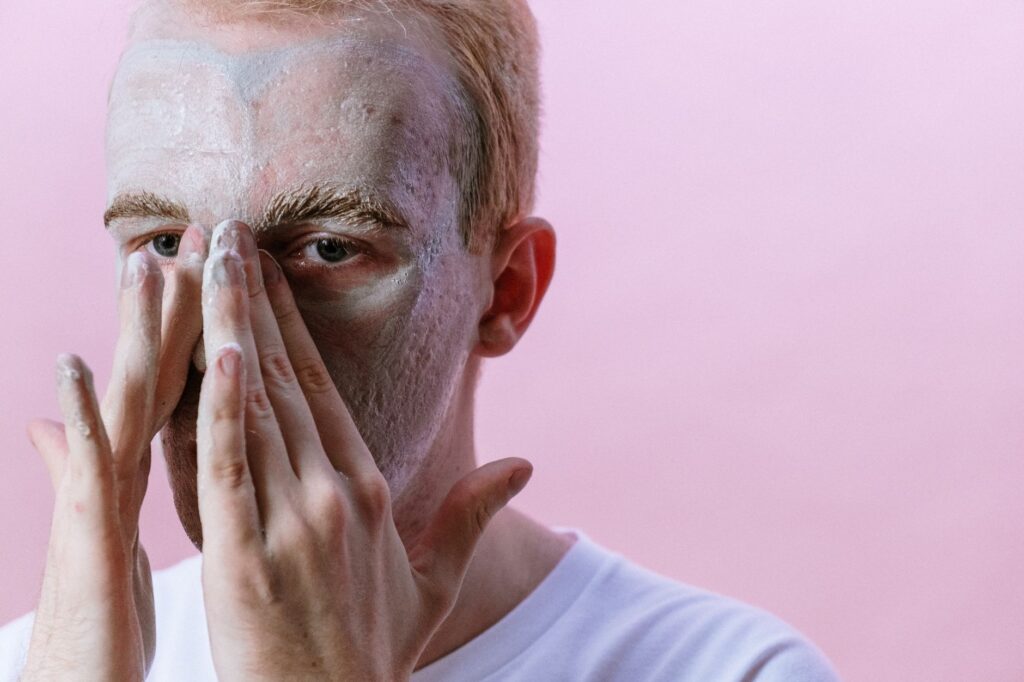
Adult acne happens when stress, diet, and hormonal fluctuations overwhelm your skin’s ability to stay clear. These three factors work independently and together to increase oil production, clog pores, and trigger inflammation—creating the conditions for breakouts that feel especially frustrating because you thought acne was supposed to end after your teens. A 35-year-old woman who drinks three cups of coffee daily, skips sleep before project deadlines, and has unmanaged PCOS may experience sudden jawline breakouts during her luteal cycle, even though her skin was fine a month earlier.
The reason is biological, not a failure on your part. Unlike teenage acne, which is primarily driven by puberty hormones flooding the skin with oil, adult acne involves a complex interplay between your nervous system (stress), your digestive system (diet), and your endocrine system (hormones). When any of these systems is disrupted, your skin pays the price. Understanding which factor is driving your breakouts is the first step toward actually treating them.
Table of Contents
- Why Does Stress Cause Adult Acne Breakouts?
- The Hormonal Factors Behind Adult Acne, Especially in Women
- How Diet Directly Affects Breakout Frequency and Severity
- Understanding Hormonal Phases and Breakout Timing
- When Acne Signals a Deeper Hormonal or Metabolic Problem
- The Stress-Cortisol-Acne Feedback Loop
- Testing Your Own Triggers and Building a Personal Acne Map
Why Does Stress Cause Adult Acne Breakouts?
Stress doesn’t just make you feel anxious—it triggers a cascade of hormonal changes that directly affect your skin. When you’re under pressure, your body releases cortisol and adrenaline, which signal your sebaceous glands to produce more oil. That excess sebum is a food source for acne-causing bacteria and clogs pores more easily, especially in people whose skin is already congestion-prone. A clinical team tracking cortisol levels in stressed college students found that those with high cortisol during exam periods experienced more acne flare-ups than those with stable cortisol levels, even when their routines didn’t change. The inflammatory response compounds the problem.
Stress hormones also increase inflammation throughout your body, which means acne bacteria trigger a more aggressive immune response in your skin. Breakouts appear angrier, redder, and take longer to heal. This is why acne that appears during stressful periods often feels different from your baseline acne—it’s genuinely more inflamed at a physiological level. What makes stress-related acne particularly tricky is that it’s often invisible until it appears. You might feel fine emotionally or think you’re “handling it well,” but your skin is already responding to the physiological stress even before you consciously register the pressure. Some dermatologists note that the worst breakouts often come two to four weeks after a stressful event ends, because that’s when cortisol levels drop and your immune system mounts a rebound response.
The Hormonal Factors Behind Adult Acne, Especially in Women
hormonal acne in adults is almost always connected to fluctuations in estrogen, progesterone, and androgens—not to a single “high hormone” level. For women, this means acne often worsens during specific phases of the menstrual cycle, typically five to seven days before menstruation when progesterone peaks and sebum production spikes. Hormonal contraceptives can help suppress this cycle, but not all birth control pills have the same effect; some progestin formulations actually worsen acne in sensitive individuals. Polycystic ovary syndrome (PCOS), thyroid disorders, and perimenopause are common hormonal drivers of adult acne that don’t resolve with topical treatments alone. Someone with PCOS produces elevated androgens, which directly stimulate oil glands and fuel bacteria growth.
A woman entering perimenopause experiences estrogen drops that can trigger severe acne despite never having struggled with breakouts in her twenties. The limitation here is that skincare alone cannot fix a hormonal imbalance—you may need bloodwork and possibly medication to address the root cause. Men experience acne differently but not necessarily less severely in adulthood. Male hormones remain relatively stable, which is why men don’t typically see monthly patterns, but stress-related cortisol spikes hit their already androgen-sensitive skin hard. Testosterone-driven acne tends to cluster on the chin, jaw, and back of the neck.
How Diet Directly Affects Breakout Frequency and Severity
Diet influences acne through multiple mechanisms: insulin response, inflammation, and nutrient status. High-glycemic foods—like white bread, refined cereals, sugary drinks, and processed snacks—cause rapid blood sugar and insulin spikes. Insulin stimulates androgen production and sebum secretion, making breakouts more likely. A person eating cereal for breakfast, a sandwich for lunch, and pasta for dinner is setting themselves up for higher insulin levels than someone eating eggs, fish, and vegetables, and their skin responds accordingly. Dairy products have a specific association with acne that goes beyond general inflammation.
Milk contains hormones naturally present in cow’s blood—including androgens and precursors to androgens. Regular dairy consumption, especially of skim milk (which has more hormones than full-fat), appears to increase acne risk in susceptible people more consistently than other foods. The link isn’t universal; some people can drink milk without issue, while others see immediate jawline breakouts from a single serving of Greek yogurt. High-omega-6-to-omega-3 ratio diets also increase inflammation, which worsens existing acne. A practical example: someone switching from drinking two cups of whole milk daily and eating processed snacks to drinking almond milk and eating grains with legumes may see a measurable reduction in breakouts within 4–6 weeks, though individual timelines vary. The warning is that diet alone rarely clears severe acne—it can reduce frequency and severity but typically works best as part of a broader treatment strategy that includes topical or systemic medication if necessary.
Understanding Hormonal Phases and Breakout Timing
For people who menstruate, predicting acne timing means understanding the luteal phase, which is the second half of the menstrual cycle. During this phase, progesterone and temperature rise, oil production increases, and skin barrier function decreases slightly—all conditions that favor acne development. The worst breakouts typically appear five to ten days before bleeding starts. Tracking breakout patterns against cycle dates often reveals this correlation, even in people who initially thought their acne was random.
Some people find that cycle syncing—adjusting skincare ingredients, diet, or exercise with their hormonal phase—helps reduce breakouts. During the luteal phase, using gentler cleansing, avoiding strong actives like retinoids, and increasing antioxidants can minimize irritation during the high-sebum period. This is different from treating acne itself but can reduce flare-ups. The limitation is that cycle syncing doesn’t prevent the hormonal acne from occurring in the first place; it just manages the skin’s condition more carefully during vulnerable periods.
When Acne Signals a Deeper Hormonal or Metabolic Problem
Sudden severe acne in an adult who previously had clear skin—especially if accompanied by irregular periods, excess facial hair, weight gain, or fatigue—warrants bloodwork. This presentation can indicate PCOS, thyroid dysfunction, or adrenal imbalance. Waiting for skincare to work in these cases is futile because the skin is responding to systemic hormonal dysfunction. A dermatologist can order tests or refer you to an endocrinologist, but if you suspect hormonal involvement, don’t assume your primary care doctor will catch it without you raising the concern. Some medications also trigger or worsen acne.
Certain corticosteroids increase sebum production and bacterial growth. Lithium, used for bipolar disorder, is notoriously acne-worsening. If acne suddenly flares after starting a new medication, that connection should be investigated before switching skincare routines. Similarly, nutritional deficiencies—particularly in zinc, vitamin D, and iron—can impair skin barrier function and immune response, making acne persist even with solid treatment. A blood panel can identify these gaps, which are easier to fix than you might think.
The Stress-Cortisol-Acne Feedback Loop
One often-overlooked aspect is that acne itself causes stress, which then worsens acne—a difficult feedback loop. Breakouts reduce confidence, disrupt sleep (stress state itself), and increase anxiety about appearance, all of which spike cortisol further. This means that managing the psychological impact of acne through stress reduction techniques—therapy, meditation, exercise, sleep improvement—is not just wellness fluff; it’s actual acne treatment.
Studies on stress-reduction interventions have found measurable improvements in inflammatory acne severity. Sleep deprivation specifically worsens acne by elevating cortisol and impairing immune function. Someone consistently sleeping five hours a night will see worse acne than they would sleeping eight hours, even with everything else held constant. This makes sleep one of the most underrated acne treatments available—free and directly physiological.
Testing Your Own Triggers and Building a Personal Acne Map
The most actionable step is systematic tracking. Keep a simple log noting breakout locations, severity, date of menstrual cycle (if applicable), major stressors, diet changes, and sleep quality for eight to twelve weeks. Patterns emerge that generic advice won’t capture. Someone might discover that their acne spikes not from daily dairy but from weekly pizza nights where they combine dairy, high-glycemic crust, and weekend stress recovery. Someone else might realize their breakouts follow sleeping badly before presentations, not the presentations themselves.
Elimination trials can clarify diet’s role. Removing dairy or reducing refined carbohydrates for four weeks and observing changes is more informative than reading general acne-diet advice. If removing dairy produces no change, dairy likely isn’t your trigger; you can reintroduce it confidently. If acne improves measurably, you’ve identified an actionable lever. The same applies to stress management: someone who reduces workload stress might see improvements, while someone under relational stress may not until that issue shifts. Identifying which stressor actually affects your skin is individual work that no article can do for you, but the framework is straightforward.
- —
You Might Also Like
- At Least 91% of Patients Using Retinoids Don’t Realize That Their Diet May Be Contributing to 20-30% of Their Breakouts
- At Least 75% of Teenagers With Acne Don’t Realize That Stress Directly Increases Sebum Production Through Cortisol
- Body acne treatments for chest back and shoulder breakouts
Browse more: Acne | Acne Scars | Adults | Back | Blackheads