
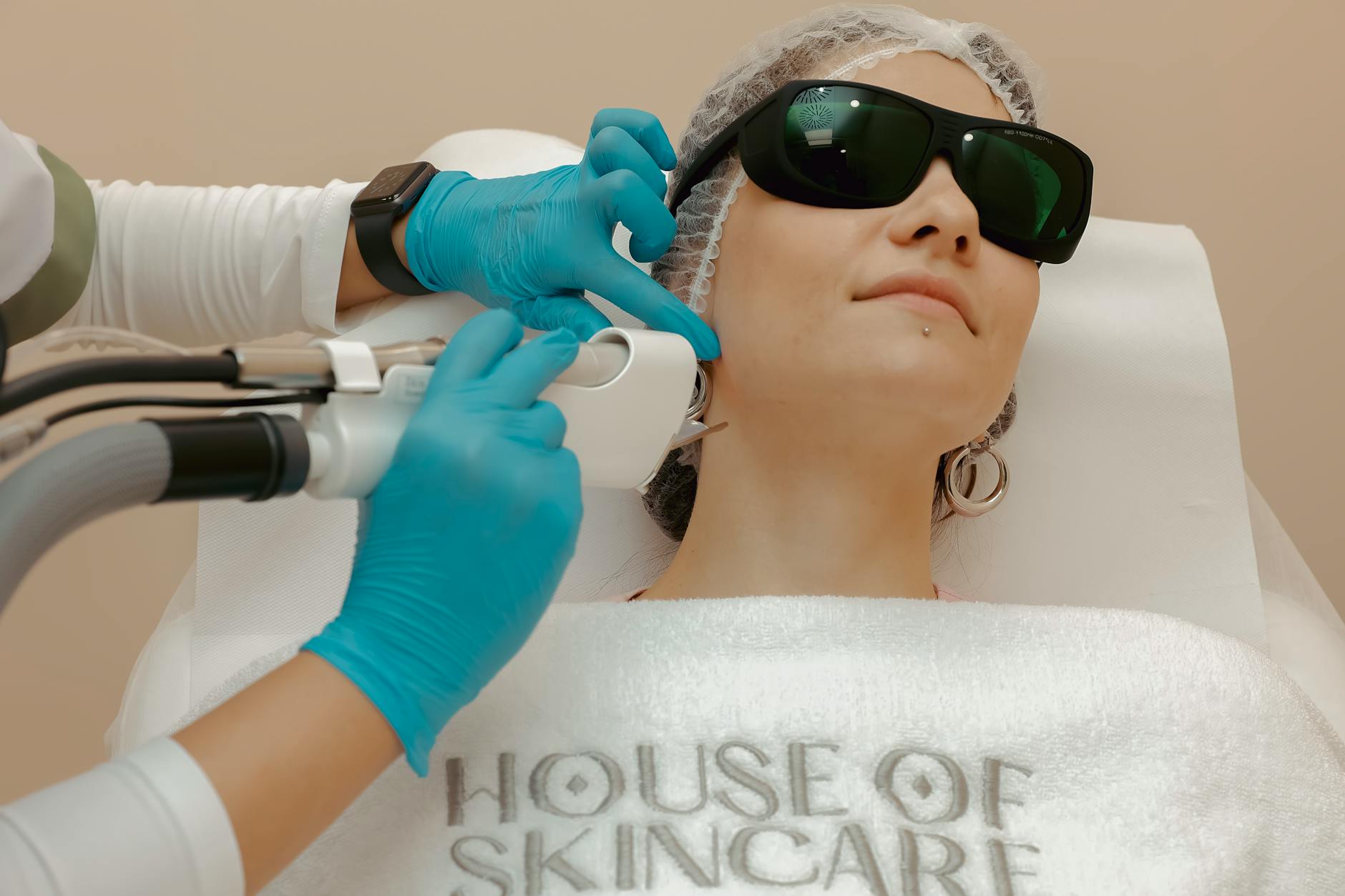
For most acne patients, teledermatology delivers comparable results to in-person visits and often works exceptionally well for mild-to-moderate cases. However, when acne becomes severe or requires close monitoring of systemic medications, an in-person dermatologist remains the safer, more effective choice. The decision depends less on the quality of care available through telehealth and more on the complexity of your skin condition and the medications you need.
Consider a patient with moderate acne responding to topical retinoids. A 2025 systematic review analyzing 21 studies found teledermatology is well-suited for effective acne management, achieving an 87.94% reduction in Global Acne Grading System scores—nearly identical to in-person outcomes. That same patient could comfortably use virtual follow-up visits. But if they need isotretinoin for severe nodular acne, or if their acne isn’t responding to standard treatments, they’ll need the hands-on assessment only an in-person dermatologist can provide.
Table of Contents
- Can Teledermatology Really Work as Well as In-Person Visits for Acne?
- The Real Limits of Virtual Care for Complex Acne
- How Accurate Is Acne Diagnosis Through Photos?
- Cost, Speed, and When Convenience Actually Matters
- The Compliance Problem Nobody Talks About
- Severe Acne and Isotretinoin: Where Virtual Care Reaches Its Limit
- The Future of Acne Treatment: Hybrid Approaches
- Conclusion
Can Teledermatology Really Work as Well as In-Person Visits for Acne?
The short answer is yes, but with important caveats. Clinical research shows teledermatology delivers strong results across multiple measures. Diagnostic accuracy for acne in virtual settings ranges from 95% to 98% depending on image quality, meaning dermatologists can reliably assess your condition through photographs. One study of mild-to-moderate acne patients achieved 94.2% patient satisfaction (97 of 103 patients) using virtual follow-up visits for topical treatment monitoring. These aren’t marginal differences—these are rates that match or exceed what many practices see in-person.
The catch is that these high success rates assume adequate image quality and clear communication between you and your dermatologist. Poor lighting, blurry photos, or difficulty describing your symptoms can degrade outcomes. Additionally, teledermatology performed best in these studies for patients already on a treatment regimen requiring simple monitoring rather than those needing complex initial evaluation or physical manipulation of the skin. Asynchronous teledermatology—where you submit photos and wait for a written response—remains the most common approach for acne management. This works well for straightforward cases but can slow down treatment adjustments if complications arise.
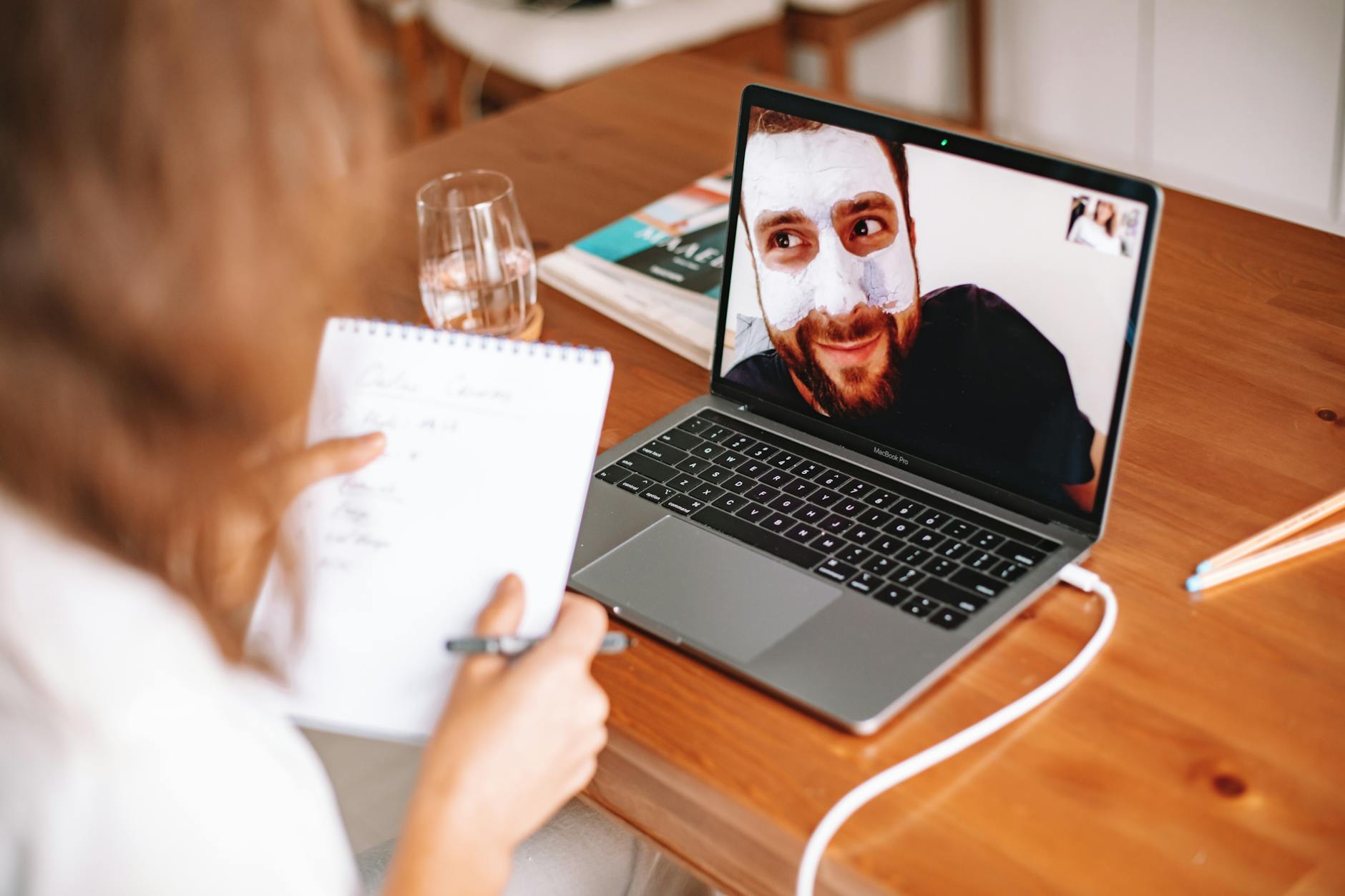
The Real Limits of Virtual Care for Complex Acne
Teledermatology has genuine limitations that become apparent when acne doesn’t fit the mild-to-moderate profile. While diagnostic concordance between virtual and in-person assessments was rated “good” (0.611 test value) in head-to-head studies, that goodness breaks down at the edges. severe inflammatory acne, acne with secondary infections, or acne intertwined with other skin conditions requires physical examination. A dermatologist needs to feel the texture of your skin, assess true depth and spread of lesions, and rule out other causes mimicking acne. Follow-up compliance poses another practical problem. Studies comparing virtual to in-person care found that patients receiving virtual treatment had lower follow-up rates and lower adherence to prescribed regimens.
This matters because acne management depends on consistency. Missing a follow-up visit because it’s inconvenient to schedule in-person is different from skipping a virtual visit, yet the latter happens more often. Without the accountability of showing up somewhere, some patients drift off their regimens. There’s also the question of intervention. If your dermatologist needs to perform extractive procedures, prescribe intralesional corticosteroid injections, or physically assess how your skin responds to a new medication, telehealth cannot replicate that experience. For these patients, a virtual visit is a supplement to in-person care, not a replacement.
How Accurate Is Acne Diagnosis Through Photos?
Teledermatology diagnostic accuracy studies are reassuring. When researchers tested three different image acquisition methods—standard smartphone photos, dermatologist-taken images, and high-resolution clinical images—acne diagnosis accuracy ranged from 95% to 98%. This high concordance means your dermatologist can reliably grade your acne severity and recommend appropriate treatment through photographs. However, accuracy and treatment success are different things.
Accurate diagnosis of moderate acne tells you what stage of acne you have, but it doesn’t tell you whether your skin will tolerate a certain retinoid, whether you’re prone to post-inflammatory hyperpigmentation, or whether there are subtle signs of rosacea or other conditions masquerading as acne. These nuances often only emerge through conversation and examination during an in-person visit. The most reliable teledermatology outcomes occur when patients have already been seen in person once. That initial visit establishes baseline understanding, allows the dermatologist to assess your skin type, sensitivities, and response patterns, and creates context for virtual follow-ups.

Cost, Speed, and When Convenience Actually Matters
Teledermatology is measurably more cost-effective than in-person dermatology, with lower consultation fees and no travel time. For mild acne managed with retinoids or benzoyl peroxide, this efficiency advantage is genuine—you save money without sacrificing outcomes. Virtual visits also matter for patients with mobility challenges, those in areas with few dermatologists, or anyone with complicated schedules. The convenience factor cuts both ways, though. Virtual visits are faster to schedule but slower to resolve if complications arise.
You can’t walk into a dermatologist’s office with a new flare-up and get same-day evaluation; you submit photos and wait. For straightforward follow-ups, this timing is fine. For patients whose acne suddenly worsens or who develop unexpected side effects from medication, in-person access becomes valuable. Geographic access reveals another asymmetry: teledermatology genuinely helps rural and underserved patients who might otherwise travel hours for care. But in urban areas with abundant dermatology practices, the cost and convenience benefits diminish. Your choice becomes more about preference than necessity.
The Compliance Problem Nobody Talks About
One finding buried in several studies stands out: virtual acne care shows lower follow-up compliance and adherence rates compared to in-person visits. Some of this is practical—virtual visits require active effort to photograph your skin clearly, write descriptions, and initiate contact. Some is psychological; the absence of an in-person appointment creates less accountability. This matters because acne treatment is iterative. Retinoid tolerance builds gradually. Antibiotics work best on a fixed schedule. Combination treatments need time to work and careful monitoring for interactions.
When patients miss follow-ups with virtual dermatologists at higher rates, treatment progress stalls. You might improve to 60% clear, give up for three weeks because you didn’t make a follow-up appointment, and regress. An in-person appointment on your calendar creates different motivation. The solution isn’t obvious. Some patients do fine with virtual care and keep perfect schedules. Others thrive with the structure of in-person visits. Understanding your own behavior patterns around healthcare matters.

Severe Acne and Isotretinoin: Where Virtual Care Reaches Its Limit
Isotretinoin (Accutane) represents the line where virtual care becomes complicated. For severe acne that doesn’t respond to standard treatments, isotretinoin works—it offers high cure rates and potential permanent clearance. However, isotretinoin carries serious risks including teratogenicity, dry mucous membranes, potential mood effects, and rare but serious liver and lipid changes. Surprisingly, research shows isotretinoin management via teledermatology achieved similar outcomes to in-person management, suggesting that even for this powerful systemic medication, virtual care protocols can work.
This likely reflects careful selection; patients on isotretinoin are usually motivated, compliant patients already under close monitoring with regular blood work. But here’s the practical reality: isotretinoin requires enrollment in iPLEDGE, a risk management program with specific requirements, and coordination with other healthcare providers for lab work. While these requirements can technically be met through teledermatology, most dermatologists prefer in-person baseline evaluation, initial assessments, and periodic check-ins. The first visit especially benefits from physical examination to confirm severe acne and rule out contraindications.
The Future of Acne Treatment: Hybrid Approaches
The evidence increasingly suggests the answer isn’t either/or but both/and. The most effective acne management likely combines initial in-person evaluation with ongoing virtual monitoring. This allows your dermatologist to understand your baseline skin, establish treatment plans with physical assessment, and then use convenient virtual visits for routine follow-ups and medication adjustments.
As teledermatology technology improves—with better imaging tools, better integration with medical records, and easier communication—the boundaries of what virtual care can accomplish will shift. But the fundamental principle won’t: acne care depends on establishing therapeutic relationship and understanding individual skin patterns. The format that best enables this differs for every patient.
Conclusion
For mild-to-moderate acne managed with topical treatments, teledermatology offers comparable outcomes to in-person care with greater convenience and lower cost. A 2025 systematic review confirmed similar results across multiple acne-grading scales, with 94.2% patient satisfaction rates for virtual follow-ups.
However, in-person evaluation remains superior for severe acne, complex cases requiring combination therapies, and initial assessments where physical examination informs the treatment plan. The practical choice depends on your acne type, treatment stage, and personal preferences around follow-up compliance. Start with honest assessment of your case: is this straightforward and stable enough for virtual management, or does it need hands-on evaluation? For most patients, the ideal path involves at least one in-person visit to establish baseline, then virtual follow-ups to maintain momentum and convenience.
You Might Also Like
- She Was 24 When She Had Acne Since Age 12 and Had Never Seen a Dermatologist Due to Cost
- New JAK Inhibitor Cream in Clinical Trials…Originally for Eczema Now Being Tested for Severe Inflammatory Acne
- He Was 37 When He Finally Got Insurance That Covered Dermatology…Acne Cleared in 8 Weeks After Decades of Struggling