
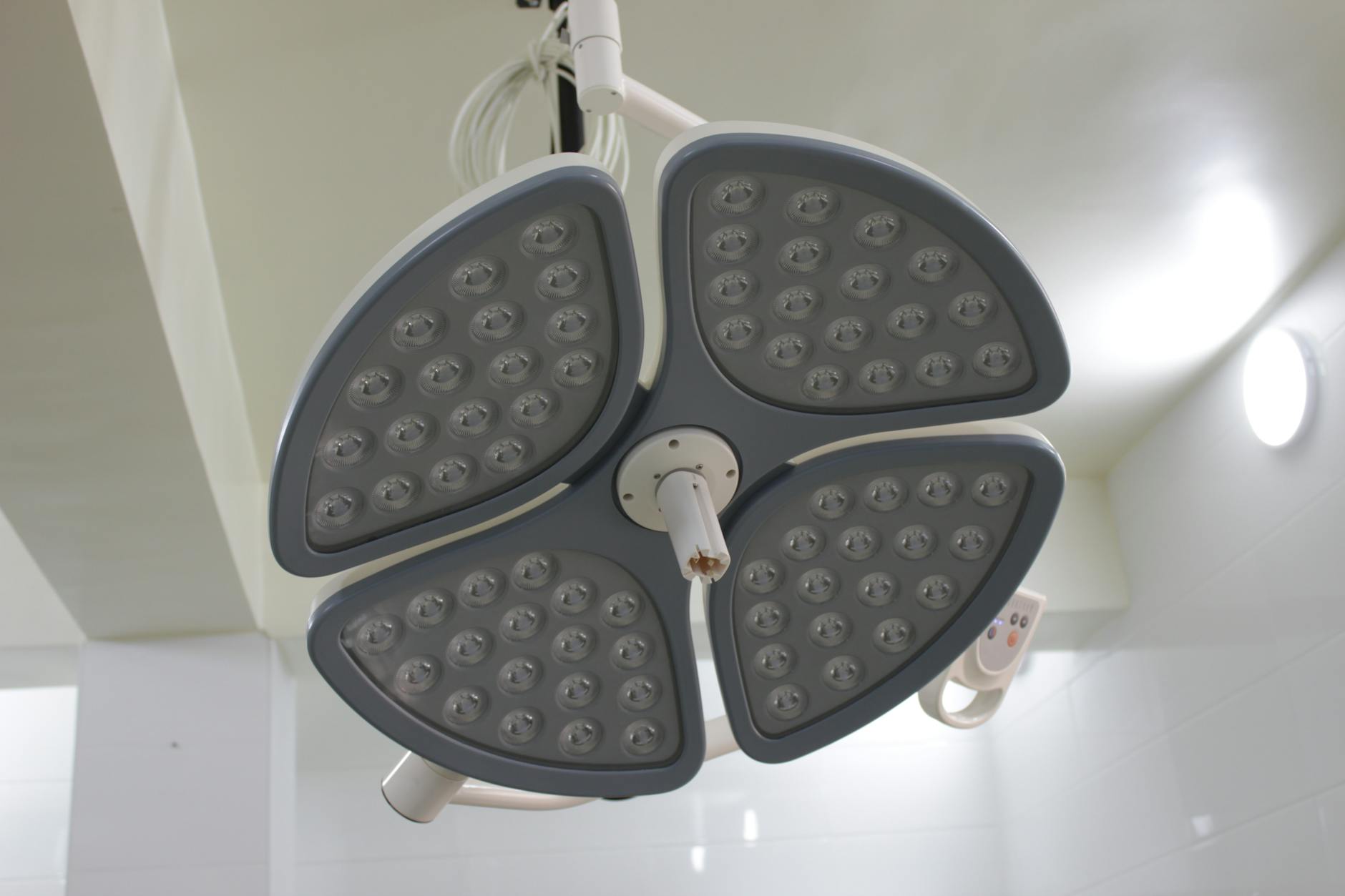
The headline that medical-grade LED panels cost $5,000 and in-office treatment series cost $400 doesn’t align with current market reality. In 2026, medical-grade LED panels typically range from $449 for entry-level professional devices to $2,500 or more for advanced clinical systems—significantly less than $5,000 for most practices. Meanwhile, in-office LED treatment series actually cost considerably more than $400, with most treatment courses ranging from $1,000 to $4,500 depending on the number of sessions and clinic location.
Understanding the true cost structure of LED therapy is essential for anyone considering this acne treatment option. The confusion around pricing stems partly from the wide range of available devices, varying provider expertise, and different treatment protocols used across dermatology practices. Whether you’re evaluating LED therapy as a patient or exploring it as a skincare investment, knowing what you should actually expect to pay helps you make an informed decision.
Table of Contents
- What Do Medical-Grade LED Panels Actually Cost for Clinic Use?
- Why In-Office LED Treatment Series Cost More Than $400
- How Do Medical-Grade Panels Compare to At-Home Devices?
- What’s Included in the Cost of an In-Office Treatment Series?
- What Are the Hidden Costs and Limitations of LED Therapy?
- How Long Do Clinical Results Last After Treatment?
- What’s the Future of LED Therapy Pricing and Accessibility?
- Conclusion
What Do Medical-Grade LED Panels Actually Cost for Clinic Use?
Medical-grade LED panels designed for professional clinic use fall into a more accessible price range than many assume. Professional-grade red light therapy panels typically cost between $800 and $2,500, depending on specifications like wavelength precision, treatment area size, and additional features. For example, a mid-range clinical LED panel suitable for a dermatology practice or medical spa might run $1,200 to $1,800, capable of treating multiple patients and providing years of service.
Entry-level professional devices start around $449, while premium full-body systems designed for high-volume practices can exceed $2,500. The $5,000 price point sometimes cited likely refers to advanced research-grade systems with specific wavelength combinations, larger treatment surfaces, or integrated treatment protocols rather than standard clinical panels. For typical acne treatment purposes, most dermatologists invest in panels in the $1,000–$2,000 range, making LED therapy equipment investment manageable for most clinical settings. Brand reputation, warranty support, and clinical validation of wavelengths also affect pricing within this range.
Why In-Office LED Treatment Series Cost More Than $400
In-office LED treatment sessions are priced per visit rather than as a single flat fee, which explains why a complete treatment series costs significantly more than $400. The typical per-session cost ranges from $25 to $150, with most clinics charging $50 to $75 per visit. A recommended treatment course requires 20 to 30 sessions, making the total investment $1,000 to $4,500 depending on session frequency and provider location.
Pricing variations reflect several factors: geographic location (urban clinics charge more than rural practices), practitioner credentials (board-certified dermatologists charge higher rates than estheticians), treatment duration per session (15-minute sessions cost less than 30-minute sessions), and whether LED therapy is combined with other treatments. A major limitation to consider is that results aren’t immediate—most patients need at least 8 to 12 weeks of consistent sessions before noticing significant acne improvement. This extended timeline means ongoing time and financial commitment beyond the initial cost estimate.
How Do Medical-Grade Panels Compare to At-Home Devices?
The cost difference between clinical-grade and consumer-grade LED panels is substantial. Medical-grade professional panels ($800–$2,500+) deliver significantly higher irradiance (light intensity) and more precise wavelength specifications than at-home devices ($449 or less for quality consumer options). This intensity difference means professional treatments work faster and more effectively, though they require supervised administration in a clinical setting.
Many patients consider purchasing their own medical-grade panel rather than paying for ongoing sessions. However, this creates practical trade-offs: a $1,500 investment in equipment represents approximately 20–30 sessions at typical clinic rates, but requires space, technical knowledge to operate safely, and lacks professional supervision to monitor skin reactions. Additionally, clinical-grade panels are designed for frequent professional use with durable construction and calibration, unlike consumer devices intended for occasional personal use.
What’s Included in the Cost of an In-Office Treatment Series?
In-office LED treatment costs cover more than just light exposure. The price includes professional assessment of your skin condition, supervised treatment application, monitoring for adverse reactions, and adjustments to the protocol based on your skin’s response. For acne specifically, many dermatologists combine LED therapy with other modalities—your first session might include consultation time, skin analysis, and customized wavelength selection, while subsequent sessions involve technician time and facility overhead.
Package pricing offers cost savings for committed patients. Many clinics offer discounted rates for 5–10 session bundles, reducing per-session cost from $75 to $60 or lower when you purchase in advance. This approach incentivizes patients to complete full treatment courses and helps clinics plan staffing and equipment use. However, bundle pricing is non-refundable if your skin doesn’t respond as expected, so clarify the practice’s policies before committing to a package.
What Are the Hidden Costs and Limitations of LED Therapy?
Beyond the direct treatment cost, several hidden expenses may arise. Transportation to sessions, taking time off work for multiple appointments, and potential need for complementary treatments (like topical retinoids to enhance LED benefits) add to the total expense. More importantly, results vary significantly among individuals—some acne sufferers see 60–80% improvement, while others see minimal response, meaning you could invest $2,000 in a course without satisfactory results.
The biggest limitation is that LED therapy works best for mild to moderate inflammatory acne; severe cystic acne or acne requiring systemic treatment (like isotretinoin) won’t respond adequately to light therapy alone. Additionally, active acne treatments with certain medications (like some antibiotics that increase photosensitivity) can complicate LED therapy. Always disclose your full acne treatment history and current medications to your provider before starting, as combining LED therapy with incompatible treatments can reduce effectiveness or cause irritation.
How Long Do Clinical Results Last After Treatment?
Most patients don’t achieve permanent acne cure from a LED treatment series—maintenance is required. Results typically last 3–6 months after completing a full course, after which many practitioners recommend quarterly or semi-annual maintenance sessions.
This means the real cost of LED therapy extends beyond the initial series, with ongoing maintenance sessions adding another $200–$300 annually to remain acne-free. Some practices offer “maintenance packages” where patients return monthly or every 6 weeks for single preventative sessions at reduced rates ($30–$40 per session). For chronic acne sufferers accustomed to long-term treatments, this ongoing cost may still be more affordable than continuous prescription medications, though the break-even point depends on your insurance coverage for pharmaceutical alternatives.
What’s the Future of LED Therapy Pricing and Accessibility?
As LED technology becomes more mainstream and competition increases among providers, treatment costs may gradually decrease. Newer research into optimized wavelength combinations and treatment protocols could also improve efficacy, potentially reducing the number of sessions needed per course.
However, medical-grade equipment costs have remained relatively stable, meaning professional treatment pricing likely won’t drop dramatically in the near term. The accessibility gap between clinical-grade and consumer devices continues to narrow. Higher-quality at-home LED panels under $500 now approach clinical specifications for wavelength and safety, making home-based LED therapy an increasingly viable alternative for patients seeking long-term cost savings or those who’ve already successfully completed clinical treatment series and want to maintain results affordably.
Conclusion
The actual cost landscape for LED acne treatment differs significantly from the headline figures suggesting $5,000 panels and $400 treatment series. Medical-grade clinic panels cost $800–$2,500, while a complete in-office treatment course typically costs $1,000–$4,500 for the recommended 20–30 sessions at $50–$75 per visit. Success requires not just upfront financial investment but also time commitment, realistic expectations about results variability, and understanding that maintenance sessions extend the true cost of therapy.
If you’re considering LED therapy for acne, request a detailed quote from your dermatology practice that breaks down per-session costs, required number of sessions, and any package discounts available. Ask whether your skin type and acne severity are suitable candidates for LED monotherapy or if combination treatments would be more effective. Compare this cost against your other treatment options—including prescription medications, professional extractions, or combination approaches—to determine whether LED therapy offers the best value for your specific situation and budget.