
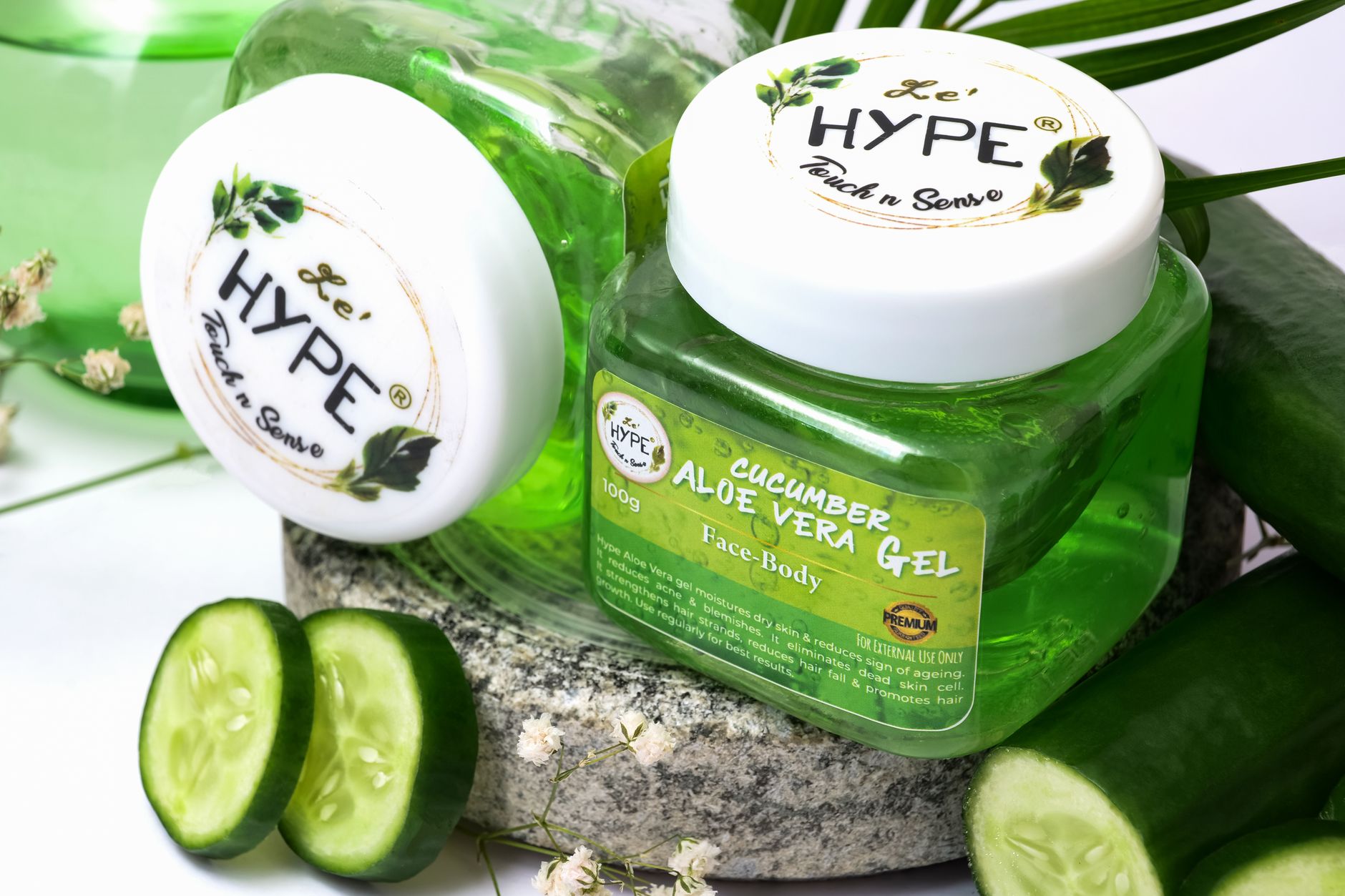
Aloe vera transforms your skincare regimen primarily through its natural hydrating and anti-inflammatory properties, delivering visible improvements in skin clarity and radiance without the harshness of synthetic actives. When applied consistently, aloe vera penetrates the skin’s outer layers, reducing redness from acne and irritation while maintaining moisture balance—something particularly valuable if you’ve over-stripped your skin with benzoyl peroxide or salicylic acid. For example, someone rotating between a strong acne treatment and pure aloe vera gel often sees their skin barrier recover within a week, with less peeling and a more even complexion.
The transformation isn’t instant, but it’s tangible. Aloe vera works best as a rebalancing step rather than a standalone acne cure, filling the gap between active treatments and your skin’s natural recovery cycles. The plant’s polysaccharides and amino acids support skin repair while mannans and glucomannans lock in hydration—benefits that compound over weeks of use, revealing skin that looks clearer and more luminous.
Table of Contents
- What Makes Aloe Vera Effective for Glowing, Clear Skin
- Hydration and the Moisture Barrier Connection
- Aloe Vera and Acne Scar Appearance
- Integrating Aloe Vera Into Your Existing Acne Routine
- Allergic Reactions and Skin Sensitivity Concerns
- Comparing Fresh Aloe to Commercial Preparations
- Long-Term Results and Skin Transformation Timeline
- Frequently Asked Questions
What Makes Aloe Vera Effective for Glowing, Clear Skin
Aloe vera’s effectiveness stems from its composition: it contains salicylates (mild exfoliants), polysaccharides (hydration boosters), and compounds like aloin and barbaloin that possess antioxidant and antimicrobial properties. Unlike prescription retinoids or strong chemical peels, aloe works gently, making it suitable for sensitive or compromised skin that’s been irritated by acne treatments. The gel also contains choline salicylate, which can reduce inflammation—though the concentration is lower than in dedicated acne serums, making it complementary rather than primary.
Aloe vera particularly shines when your skin is inflamed from active acne breakouts. The plant’s polysaccharides increase collagen production in deeper skin layers, supporting the skin’s natural healing process and potentially reducing the depth of acne scars over time. However, aloe vera alone won’t eliminate active bacterial acne; it works best alongside targeted treatments like benzoyl peroxide or niacinamide serums. Some users make the mistake of replacing their acne treatment with aloe vera, only to see breakouts return within weeks.
Hydration and the Moisture Barrier Connection
Hydration is central to glowing skin, and this is where aloe vera makes a measurable difference. A compromised moisture barrier—common after using acne treatments—leads to flaky, dull, and ironically, sometimes oilier skin as your sebaceous glands overproduce to compensate for dryness. Aloe vera restores this barrier by delivering water-binding compounds directly to the stratum corneum, the skin’s outermost layer. Users often notice that their skin looks plumper and more radiant within two to three weeks of consistent aloe use.
The limitation to understand: pure aloe gel, particularly commercial store-bought versions, often contain thickeners, preservatives, and sometimes alcohol that can be counterproductive if your skin is already sensitive. Some commercial aloe gels list carbomers or phenoxyethanol as stabilizers—ingredients that can irritate acne-prone skin in certain concentrations. Fresh-cut aloe from a plant contains fewer of these additives, but also has a shorter shelf life. If you’re using bottled aloe, check the ingredient list; the first ingredient should be aloe barbadensis leaf juice, with minimal fillers.
Aloe Vera and Acne Scar Appearance
One of the more compelling reasons to incorporate aloe vera is its effect on the appearance of acne scars and post-inflammatory hyperpigmentation. The plant stimulates fibroblast activity—the cells responsible for collagen and elastin production—which can gradually improve the texture and color of depressed scars. Someone with shallow rolling or boxcar scars might see modest but noticeable improvement over several months of daily aloe application, particularly if combined with gentle exfoliation via AHAs or BHAs.
For post-inflammatory hyperpigmentation (the dark or red marks left after acne heals), aloe vera’s antioxidants and polysaccharides can reduce inflammation and support the skin’s natural regeneration cycle, helping these marks fade faster. However, if your scars are deep or pitted, aloe vera alone won’t reverse them; professional treatments like microneedling or chemical peels are more effective. The key is realistic expectation: aloe vera improves the appearance incrementally, not dramatically, and requires patience across months rather than weeks.
Integrating Aloe Vera Into Your Existing Acne Routine
The most effective approach is treating aloe vera as a repairing, hydrating step that sits between your active acne treatment and any occlusive moisturizer. If you’re using benzoyl peroxide or retinoids, these can leave skin dry and irritated; aloe vera applied afterward—while skin is still slightly damp—absorbs quickly and calms inflammation without interfering with the active’s efficacy. Compare this to using a heavy cream immediately after retinoid application, which can dilute the treatment. Aloe’s lightweight texture and quick absorption make it ideal for layering without pilling or creating a barrier that blocks subsequent products.
A practical routine might look like: cleanser, acne treatment (wait for drying time), aloe vera gel (pat gently into skin), then a lightweight hydrating serum or oil. The tradeoff is that you’re adding a step, which increases routine complexity, but the payoff is noticeably calmer, more hydrated skin that looks more radiant and tolerates your acne treatments better. Many people find they can use active treatments more frequently—or at higher concentrations—when aloe vera is part of their regimen because the irritation is mitigated. If your skin is extremely sensitive, you might apply aloe every other night and active treatments on alternating nights until your barrier is stronger.
Allergic Reactions and Skin Sensitivity Concerns
While aloe vera is generally well-tolerated, some people experience contact dermatitis or allergic reactions to compounds in the plant, particularly to aloin—the yellow latex found just under the plant’s skin. Commercial aloe gels are processed to remove this, but sensitivity remains possible. If you’ve never used aloe, patch-test on your inner arm or jawline for a few days before applying it to your entire face. Reactions can range from mild itching and redness to more pronounced swelling or hives in people with allergies to plants in the Liliaceae family.
Another caution: aloe vera’s antimicrobial properties are modest, and some people mistakenly rely on it as their primary acne treatment. If you’re using aloe as a standalone treatment for moderate to severe acne, you may see your breakouts worsen after the initial anti-inflammatory effect fades, typically within one to two weeks. Always pair aloe with an evidence-based acne treatment such as benzoyl peroxide, salicylic acid, or prescription retinoids. Additionally, if you’re using photosensitizing medications or ingredients like vitamin C or niacinamide serums in high concentrations, be aware that some aloe products can enhance photosensitivity—though this is rare with properly processed gels.
Comparing Fresh Aloe to Commercial Preparations
Fresh aloe from a plant delivers the highest concentration of active compounds and contains no preservatives or thickeners. If you have access to a live aloe plant, cutting a leaf and squeezing the gel directly onto clean, damp skin is the most potent option. The gel dries clear, absorbs within minutes, and users often report the most noticeable hydration and anti-inflammatory effect from fresh versions. The downside is shelf life—once cut, fresh aloe oxidizes and loses efficacy within 24 to 48 hours, and improper extraction (leaving the yellow latex on the leaf) can cause irritation.
Commercial aloe gels and creams are convenient and stable, but the trade-off is dilution. Most store-bought options contain 50 to 80 percent aloe vera, with the remainder being glycerin, water, carbomers, and preservatives. These formulations are still effective, but they deliver a gentler, slower-acting version of aloe’s benefits. Some premium aloe products are freeze-dried or cold-processed to preserve more of the plant’s active compounds, though these typically cost more. For most people, a good-quality commercial aloe gel (check for minimal additives) is practical and reliably effective.
Long-Term Results and Skin Transformation Timeline
Visible transformation with aloe vera follows a gradual curve. Within the first week, you’ll notice reduced redness and a softer, more hydrated appearance—this is aloe’s anti-inflammatory and moisturizing effect. After two to three weeks, if you’re also using acne treatments, you’ll likely see less irritation and flaking, allowing your skin to tolerate actives better. By four to eight weeks, users often report clearer, more even skin tone and a subtle but genuine glow from improved hydration and reduced inflammation. Acne scarring improvements take longer—typically three to six months of consistent use—because collagen remodeling is slow.
The transformation isn’t linear. Some people see rapid improvement in the first month, then plateau; others experience gradual, steady improvement over weeks. Consistency matters far more than frequency—daily use of aloe vera will yield better results than sporadic application. If you stop using it, the hydration and anti-inflammatory benefits fade within one to two weeks, though any collagen-related improvements to scarring persist longer. For someone with acne-prone, dehydrated, or irritated skin, aloe vera becomes a cornerstone product—not as a treatment but as essential maintenance that allows your active acne treatments to work more effectively and keeps your skin’s foundation strong.
Frequently Asked Questions
Can aloe vera replace my acne treatment?
No. Aloe vera’s antimicrobial and anti-inflammatory effects are mild and work best as a supporting product alongside benzoyl peroxide, salicylic acid, or prescription retinoids. Using aloe alone for moderate acne typically results in breakouts returning within weeks.
How often should I use aloe vera?
Daily application is safe for most people and delivers the best results. Apply to damp skin after cleansing and acne treatment, before heavier moisturizers. If your skin becomes irritated, reduce to every other day.
Will aloe vera help fade acne scars?
Aloe vera can modestly improve scar appearance over three to six months by stimulating collagen production, but it’s most effective for shallow scars and post-inflammatory marks. Deep pitted scars require professional treatments like microneedling.
Can I use aloe vera with retinoids?
Yes. Applying aloe vera after retinoids, on damp skin, can reduce irritation and dryness without interfering with the retinoid’s effectiveness. This combination often allows people to tolerate retinoids better.
Is fresh aloe better than bottled aloe?
Fresh aloe is more potent but has a one-day shelf life. Good-quality commercial aloe gels (with minimal additives) are nearly as effective and much more practical for daily use.
What ingredients should I avoid in commercial aloe products?
Look for aloe barbadensis leaf juice as the first ingredient. Avoid products with high alcohol content, strong fragrance, or excessive carbomers if your skin is sensitive. Preservatives like phenoxyethanol are generally safe in small amounts.