
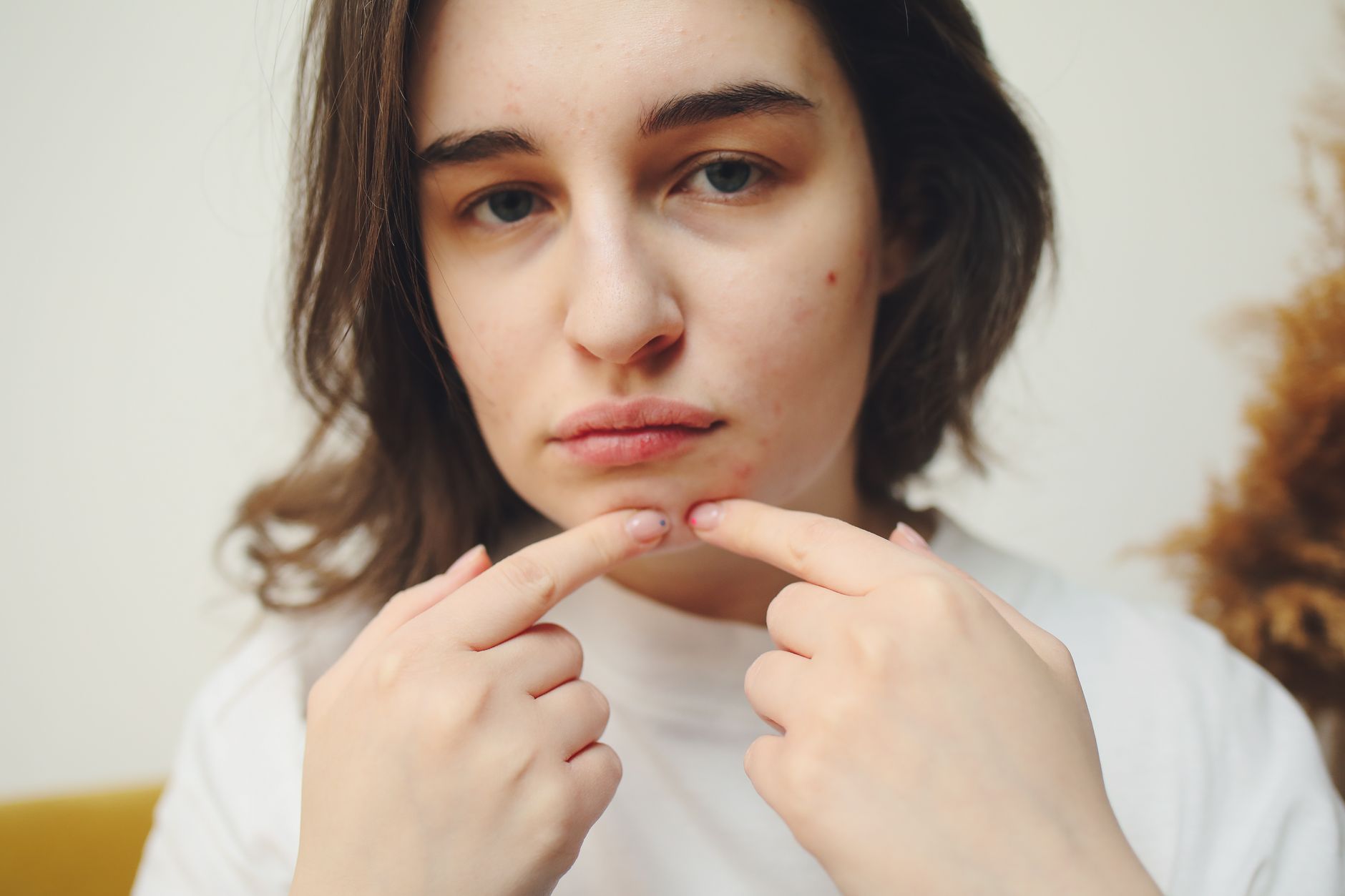
Hormonal acne and winter dry skin are two separate dermatological challenges that often collide during the colder months, creating a frustrating situation for acne-prone people. When hormonal fluctuations trigger breakouts while winter’s low humidity strips moisture from your skin barrier, you’re left managing competing demands—treating active acne without over-drying already compromised skin. The six expert-backed solutions for this dual problem focus on maintaining acne control while restoring barrier function, rather than choosing between clear skin and hydrated skin.
A common example is someone managing hormonal breakouts who switches to heavy winter moisturizers, only to find that the rich formulas trap bacteria and worsen congestion. Conversely, sticking with lightweight acne treatments through winter can dehydrate the skin so severely that the barrier breaks down, allowing bacteria to proliferate and making acne worse. The key is strategic adjustment rather than abandonment of either goal.
Table of Contents
- Why Winter and Hormonal Acne Create a Compounding Problem
- Adjusting Your Acne Treatment Strength for Winter Conditions
- Layering Hydration Without Triggering Breakouts
- Choosing Ingredients That Address Both Problems Simultaneously
- The Role of Skin Barrier Repair in Breaking the Acne Cycle
- Addressing Hormonal Acne at the Source
- Professional Treatments and When to Escalate Beyond Home Care
- Frequently Asked Questions
Why Winter and Hormonal Acne Create a Compounding Problem
Winter air contains less moisture, and heating systems indoors further dehydrate skin. Simultaneously, hormonal acne often worsens during specific cycle phases or stress periods, which frequently align with winter months due to seasonal stress, travel, and schedule disruptions. The skin barrier becomes compromised when dehydrated, which actually makes acne-causing bacteria more likely to cause inflammation—a phenomenon dermatologists call increased transepidermal water loss (TEWL).
When the skin barrier weakens from dryness, it can’t regulate pH or maintain its protective lipid layer effectively. This means acne treatments that work perfectly in spring—say, a benzoyl peroxide cleanser—can irritate and damage skin in winter, turning a manageable condition into a painful, flaky, and inflamed situation. Understanding this interplay prevents the common mistake of assuming acne worsened simply because hormones are involved, when actually poor barrier function is amplifying the problem.
Adjusting Your Acne Treatment Strength for Winter Conditions
Rather than stopping acne medications entirely, experts recommend reducing frequency or strength during winter while maintaining active ingredients. For example, if you use prescription retinoids or benzoyl peroxide daily in summer, dropping to three times weekly in winter can preserve their benefits while preventing excessive dryness. The goal is maintaining the acne-fighting action at a level your barrier can handle.
A critical limitation here is that reducing treatment strength may mean more breakouts appear during the transition—this is often temporary as your skin acclimates, but it requires patience. Some people mistakenly assume their acne medication stopped working when actually they’ve simply scaled back during the most challenging season. Another warning: this strategy only works if you’re simultaneously adding hydration; cutting treatment strength without adding moisture is just procrastination of the same problem.
Layering Hydration Without Triggering Breakouts
The most practical winter approach involves layering lightweight, non-comedogenic hydrating products over acne treatments before applying occlusive moisturizers. A typical layering order would be: cleanser, active acne treatment (retinoid or benzoyl peroxide), hydrating toner or essence, lightweight serum, then a barrier-repair moisturizer. This approach keeps the treatment close to skin while buffering irritation with hydration layers.
Specific examples of effective layering include applying hydrating toners (often containing glycerin or hyaluronic acid) before a retinoid to reduce irritation, or using a hydrating serum under a benzoyl peroxide treatment to minimize over-drying. The timing matters—allowing each layer to absorb (usually 30-60 seconds) before adding the next one prevents pilling and ensures even distribution. However, the downside is that layering takes longer and adds steps to an already complex routine, which can reduce compliance.
Choosing Ingredients That Address Both Problems Simultaneously
Certain ingredients actively combat both hormonal acne and dry skin: niacinamide regulates sebum and reduces inflammation, salicylic acid exfoliates congestion without being as harsh as benzoyl peroxide, and azelaic acid addresses both acne bacteria and redness. In winter, these gentler actives often work better than stronger treatments because they address the underlying issue (follicle blockage and inflammation) without compromising barrier function.
Comparing treatment options: benzoyl peroxide is highly effective but very drying in winter; salicylic acid (2-3%) is less aggressive and more suitable for dual-concern skin. Azelaic acid works on hormonal acne through anti-inflammatory action and is particularly useful if you also experience rosacea-like reactions in winter. The tradeoff is that gentler ingredients require more consistent use over weeks to show results, whereas benzoyl peroxide works faster—but that speed often comes with barrier damage you’ll regret mid-January.
The Role of Skin Barrier Repair in Breaking the Acne Cycle
Winter hormonal acne often perpetuates itself through barrier damage. When skin is dehydrated and irritated, it upregulates sebum production as a defensive mechanism, which then feeds acne-causing bacteria. Breaking this cycle requires direct barrier repair: products with ceramides, cholesterol, and fatty acids (the three main components of skin’s lipid barrier) are non-negotiable in winter routines.
However, many barrier-repair products are occlusive enough to trigger congestion in acne-prone skin. This is where targeted application matters—using rich creams only on areas that are genuinely dry (the cheeks, forehead, around eyes) rather than applying them across the entire face, including the T-zone where acne typically congregates. A common mistake is applying heavy creams everywhere at night, then waking to closed comedones and microcomedones caused by the heavy occlusion over acne-prone areas.
Addressing Hormonal Acne at the Source
Topical treatments alone often can’t fully control hormonal acne, especially during winter stress or significant cycle fluctuations. Dermatologists often recommend consultation with a prescriber about options like low-dose oral contraceptives (which regulate hormone fluctuations) or other medications if acne is moderate to severe. These systemic approaches don’t conflict with winter skincare adjustments—they work alongside them.
Additionally, stress management and sleep quality directly influence both hormonal acne and skin barrier function. Winter often involves schedule disruption and reduced daylight, both of which can worsen hormonal fluctuations and reduce the skin’s natural repair capacity overnight. Simple shifts like maintaining consistent sleep and managing seasonal stress through exercise or meditation can noticeably improve winter acne independent of topical changes.
Professional Treatments and When to Escalate Beyond Home Care
When home adjustments and medications aren’t sufficient, professional treatments offer winter-friendly options that address both concerns simultaneously. Chemical peels designed for acne-prone skin (using lower concentrations during winter) can clear congestion without the downtime and drying associated with stronger treatments. Light-based therapies like blue light treat acne bacteria without damaging barrier function, and dermatologists can adjust intensity for winter sensitivity.
For severe hormonal acne alongside compromised barrier function, prescription treatments like adapalene (Differin) at reduced frequency, or newer retinoid formulations specifically designed to minimize irritation, offer stronger results than over-the-counter options. A dermatologist can also perform a skin barrier assessment and recommend targeted professional hydration treatments—hydrating facials or specific serums unavailable to consumers—that accelerate repair. The key difference between home care and professional intervention is that experts can customize treatment intensity to your exact barrier condition, whereas home routines rely on standard formulations.
Frequently Asked Questions
Can I continue using prescription retinoids in winter if I have hormonal acne?
Yes, but reduce frequency from daily to 2-3 times weekly and always follow with hydrating layers. Watch for excessive peeling or irritation as signs you need to scale back further.
What’s the best cleanser for hormonal acne and winter dryness?
A gentle, creamy cleanser (not foaming) that removes makeup and oil without stripping is ideal. Avoid sulfates and look for formulas with minimal disruption to the skin barrier.
Should I switch moisturizers for winter even if they break me out?
Not necessarily. Instead, apply your regular moisturizer only to dry areas and use a heavier occlusive cream on cheeks and other non-acne-prone zones. Targeted application prevents the all-or-nothing dilemma.
Is hormonal acne worse in winter because of the cold?
Cold air directly causes dryness, but winter’s impact on acne is mostly indirect—reduced daylight, heating systems, schedule disruption, and stress all amplify hormonal fluctuations and barrier damage.
Can hydration alone fix hormonal acne?
No. Hydration repairs the barrier and reduces inflammation, which makes acne treatments more effective and comfortable, but it doesn’t address the underlying hormonal or bacterial causes of breakouts.