
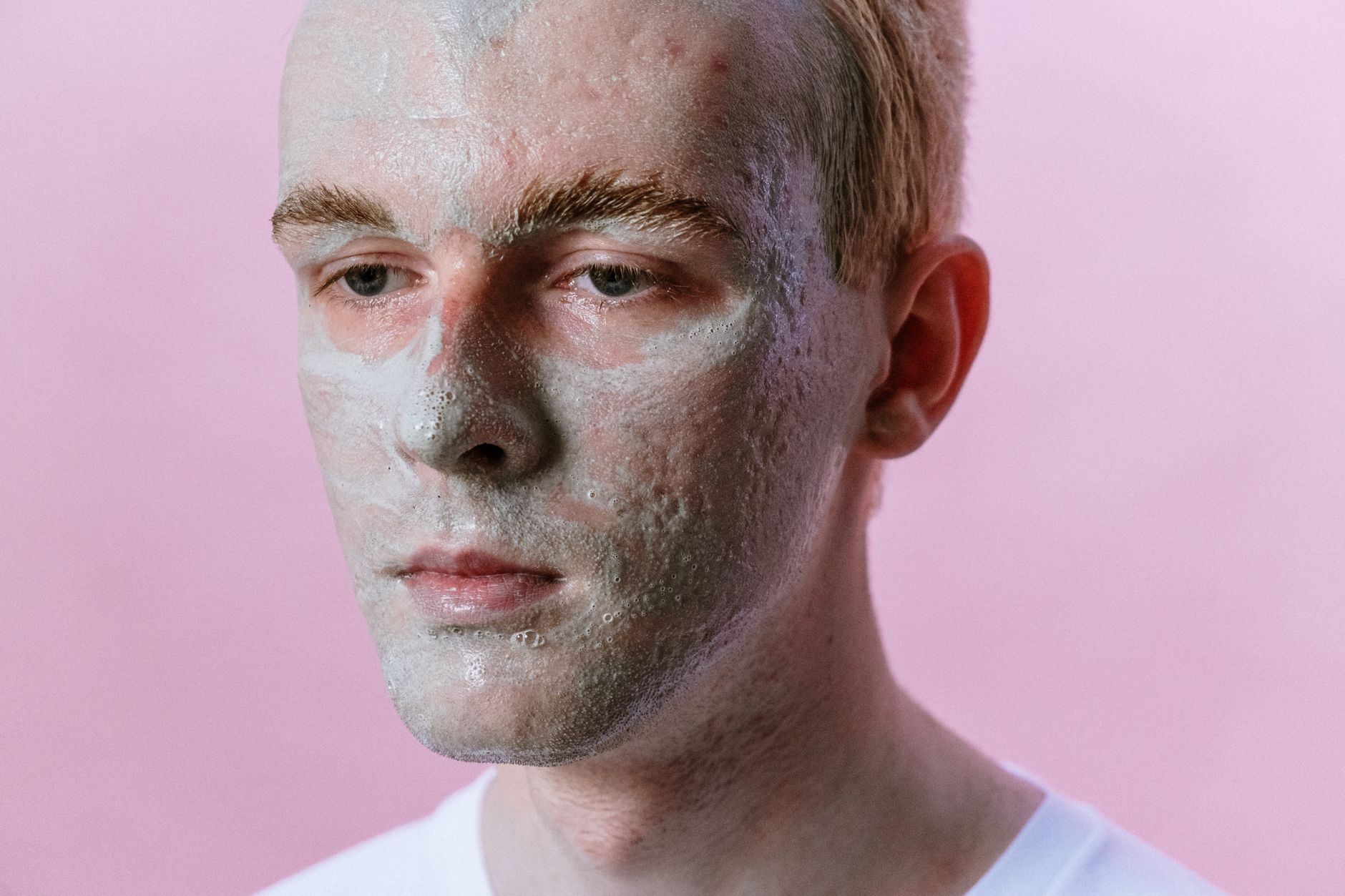
Facial acne during adolescence is far more than a cosmetic concern—it is a legitimate mental health crisis that demands immediate, thoughtful intervention. Teenagers with moderate to severe acne experience documented increases in anxiety, depression, and social withdrawal at rates that rival other chronic health conditions. A 16-year-old dealing with persistent breakouts on their face doesn’t simply feel less attractive; they often withdraw from peer interactions, avoid school events, and internalize shame that can persist into adulthood if left unaddressed. The timing of acne during adolescence creates a perfect storm for psychological harm. This is the exact developmental period when peer acceptance becomes psychologically central, self-image crystallizes, and social comparison intensifies.
When acne appears on the most visible part of the body at precisely this moment, the impact cascades far beyond the skin, affecting academic performance, friendship quality, and fundamental self-worth. The adolescent brain is wired to notice social rejection signals, and visible facial acne activates this threat-detection system repeatedly, day after day. Quick, effective treatment isn’t a luxury—it’s a mental health intervention. Dermatologists and mental health professionals increasingly recognize that clearing acne rapidly can be as important as treating the acne itself, because the psychological relief arrives alongside the physical healing. Waiting months for skin to improve during adolescence isn’t a reasonable timeline; it’s a period during which damage to self-image and social confidence can take hold.
Table of Contents
- Why Does Facial Acne Trigger Such Severe Mental Health Responses in Adolescents?
- How Severe Can Acne-Related Mental Health Problems Become?
- Why Early Intervention Changes the Mental Health Trajectory
- Acne Treatment Options: Weighing Mental Health Against Physical Considerations
- Common Treatment Barriers and Why Adolescents Abandon Care
- School Performance and Social Consequences
- Recognizing When Professional Mental Health Support Is Needed Alongside Dermatological Treatment
- Frequently Asked Questions
Why Does Facial Acne Trigger Such Severe Mental Health Responses in Adolescents?
Adolescent brains are neurologically wired to interpret social judgment as survival threat. The prefrontal cortex, which handles rational risk assessment, is still developing, while the limbic system—responsible for emotional reactivity and social sensitivity—is running at peak intensity. Facial acne becomes, in the adolescent mind, a permanent scarlet letter. Unlike acne on the chest or back, facial acne is impossible to hide during school, social gatherings, or any face-to-face interaction.
The psychological toll shows up in measurable ways. Adolescents with acne report higher rates of negative self-talk, rumination about their appearance, and avoidance of social situations. They’re more likely to assume peers are judging them, and this assumption shapes their behavior—they speak less in class, skip extracurricular activities, and isolate themselves at lunch. A teenager who might otherwise have joined a sports team or theater club opts out because the thought of appearing in front of others feels unbearable. The acne doesn’t just damage skin; it damages the social fabric of their adolescence.
How Severe Can Acne-Related Mental Health Problems Become?
The range of psychological outcomes varies widely, but the more severe cases deserve serious attention. Some adolescents develop body-focused repetitive behaviors, compulsively picking at their skin to “fix” it, which worsens the acne and creates a damaging feedback loop of shame and physical damage. Others develop clinical anxiety or depression specifically triggered by acne-related concerns, with symptoms that can persist even after skin clears if the underlying psychological damage hasn’t been addressed.
One critical limitation of casual discussion about “acne stress” is that severe cases can mask or mimic serious psychiatric conditions. An adolescent whose depression is primarily acne-related may still require psychiatric intervention, not just dermatological treatment. The psychological impact doesn’t automatically resolve when acne clears; if an adolescent has spent months or years withdrawing socially or developing anxiety patterns, those behaviors and thought patterns often persist. Additionally, adolescents with existing depression, anxiety disorders, or low self-esteem experience exponentially worse psychological outcomes from acne than their peers, and this population is often overlooked because the acne itself is blamed rather than recognized as a trigger for a pre-existing condition.
Why Early Intervention Changes the Mental Health Trajectory
Starting acne treatment as soon as acne appears—rather than waiting to see if it resolves on its own—offers profound psychological protection. The difference between a 16-year-old who begins treatment at the first sign of persistent breakouts versus one who waits six months to see a dermatologist can be the difference between mild social awkwardness and serious social withdrawal. Early treatment says to the adolescent: “This matters, and we’re taking it seriously,” which itself provides psychological reassurance.
Consider the practical timeline: acne treatments like retinoids or antibiotics typically take 6-8 weeks to show visible improvement, and optimal results often take 3-4 months. An adolescent who starts treatment in September might see real improvement by November or December, preserving their ability to participate in school events, holiday gatherings, and winter social activities. The same adolescent who waits until December to start treatment won’t see meaningful improvement until spring. Those three months of untreated acne during fall and early winter represent lost friendships, avoided school dances, and three months of daily shame that didn’t need to happen.
Acne Treatment Options: Weighing Mental Health Against Physical Considerations
The most psychologically effective treatments aren’t always the easiest ones. Oral antibiotics work quickly and require little daily effort, making them attractive for adolescents. However, they lose effectiveness over time as bacteria develop resistance, and they don’t address the underlying causes of acne. Topical retinoids like adapalene or tretinoin take longer to work and cause initial dryness and irritation that can feel discouraging to an adolescent already sensitive about their appearance.
The tradeoff is that retinoids address acne’s root causes and work long-term, but the 4-6 week adjustment period requires the adolescent to tolerate looking worse before looking better. Isotretinoin (Accutane) represents the most psychologically fraught decision. For adolescents with severe, scarring acne, it offers permanent or near-permanent clearing—a profound psychological benefit that can reverse years of self-isolation. However, it carries significant risks including potential depression and requires monthly blood work, strict sun protection, and absolute birth control compliance for females. The mental health calculus here is complex: does the certainty of clearing justify the medical risks? For some adolescents with severe acne, the answer is clearly yes; for others with moderate acne, less intensive approaches are safer.
Common Treatment Barriers and Why Adolescents Abandon Care
Acne treatments require consistency, and adolescents are developmentally prone to inconsistency. A topical retinoid causes mild peeling and redness for the first few weeks, which an already-sensitive adolescent interprets as failure and abandons. A course of antibiotics improves acne by 60 percent, leaving visible breakouts, and the adolescent feels the treatment didn’t work and quits. These premature abandonments are almost guaranteed to happen without explicit expectations-setting from the dermatologist.
A major warning: some adolescents won’t initiate acne treatment at all because of shame about showing skin to a dermatologist. They’d rather suffer with facial acne than endure the vulnerability of a skin examination, a barrier that parents and guardians often don’t anticipate. Additionally, acne treatment can interact with other medications an adolescent might be taking, and this risk often goes unexplored if the adolescent hasn’t disclosed all their medications to the dermatologist. Cost and insurance coverage represent another real barrier; many effective treatments require out-of-pocket spending that families can’t afford, forcing choices between cheaper, less effective options and treatments they can’t pay for.
School Performance and Social Consequences
The academic impact of unaddressed facial acne in adolescents is substantial and often invisible to educators. An adolescent who avoids class participation because of acne-related anxiety will appear disengaged or unmotivated when they’re actually responding to psychological distress. They’re more likely to develop school avoidance behaviors, to score lower on presentations requiring them to be in front of peers, and to underestimate their own capabilities. A student with clear skin might volunteer to present their project; the same student with facial acne sits silently and receives a lower grade. Socially, facial acne narrows an adolescent’s world.
They skip prom, avoid team photos, don’t attend parties, and position themselves at the back of group photos. These aren’t trivial social moments; they’re the experiences that become part of adolescent identity and memory. An adolescent who misses their high school prom because of acne shame has had a genuine loss, one that can’t be recovered. Friendships can be damaged or never formed because the adolescent opts out of social situations where they might meet peers. The psychological cost compounds year over year if acne persists untreated.
Recognizing When Professional Mental Health Support Is Needed Alongside Dermatological Treatment
Acne treatment alone isn’t sufficient if an adolescent has developed significant anxiety, depression, or avoidance behaviors around their appearance. A dermatologist can clear the skin, but they can’t undo months of social withdrawal or the thought patterns an adolescent developed during that time. If an adolescent is ruminating obsessively about their appearance, avoiding school or social events, or showing signs of depression, a mental health professional—therapist, counselor, or psychiatrist—should be involved in care. The most effective approach treats both the acne and the psychological response.
This might mean dermatological treatment paired with cognitive behavioral therapy to address appearance-related anxiety, or psychiatric medication if an adolescent has developed clinical depression. Some adolescents benefit from dermatology and mental health support happening in parallel, with providers communicating about progress. Others need the psychological work first before they can tolerate skin-focused treatment. The point is that rapid acne response is valuable precisely because it prevents psychological damage from taking root; once that damage exists, dermatological clearance alone may not be enough to repair it.
Frequently Asked Questions
How quickly should acne treatment start working psychologically?
Psychological relief often arrives before physical clearing. An adolescent who begins treatment receives reassurance that someone is taking their concern seriously, which can improve mood and anxiety within days. Visible skin improvement typically takes 6-12 weeks depending on the treatment.
Can acne treatment make an adolescent’s mental health worse?
Yes. Some treatments cause an initial worsening of acne (retinoid purging) or visible side effects like dryness and redness that an already-sensitive adolescent interprets as failure. Additionally, isotretinoin carries potential mood side effects that require monitoring. These risks should be discussed upfront.
Should an adolescent see a therapist while treating acne?
Not always. Mild acne that responds well to treatment may resolve psychological concerns naturally. However, if an adolescent has avoided social situations, developed anxiety around appearance, or shown depressive symptoms, mental health support should run parallel to dermatological treatment.
What if an adolescent refuses to see a dermatologist because of shame?
This is common and requires patience. Starting conversations with “your skin matters and treatment works” rather than “you need to fix this” can help. Some adolescents are more comfortable with telehealth dermatology visits or having a parent attend the appointment for support.
How long should an adolescent stay on acne treatment?
This depends on the treatment and severity. Some treatments like retinoids are intended for long-term use. Others like antibiotics should be cycled or discontinued after 3-4 months. The treatment plan should include a timeline so the adolescent knows what to expect.
Can acne-related mental health damage persist after acne clears?
Yes. If an adolescent has spent extended time isolated, avoiding peers, or developing negative self-beliefs, those psychological patterns can outlast the acne. This is why psychological support matters, not just skin clearing.