
Sunscreen isn’t optional while you’re treating acne—it’s part of the treatment. Retinoids, benzoyl peroxide, salicylic acid, and prescription medications like isotretinoin all make your skin more photosensitive, meaning it burns faster and with less sun exposure than untreated skin would. That matters beyond the sunburn itself: sun exposure darkens the marks left behind by healed breakouts, turning discoloration that would have faded in weeks into something that lingers for months. If you’re putting real effort into clearing your skin, skipping daily sun protection quietly undoes a good part of it.
The reason is straightforward: most acne medications work by increasing skin cell turnover, reducing sebum production, or triggering inflammation as part of the healing process. This leaves your skin thinner, more vulnerable, and less protected against UV radiation. A patient using adapalene for moderate acne might get a sunburn after 15 minutes of midday sun exposure, while the same person without treatment would take 30 minutes. Skip sunscreen during treatment, and you’re not just risking a temporary burn—you’re setting yourself up for hyperpigmentation, permanent scarring, and accelerated aging.
Table of Contents
- Why Acne Medications Make Your Skin More Vulnerable to Sun Damage
- Types of Acne Medications That Demand Sun Protection
- What Happens When You Skip Sunscreen During Acne Treatment
- How to Use Sunscreen Properly While Treating Acne
- Common Mistakes People Make With Sunscreen and Acne Medications
- Layering Protection Beyond Sunscreen
- Long-Term Skin Health and Prevention
- Conclusion
- Frequently Asked Questions
Why Acne Medications Make Your Skin More Vulnerable to Sun Damage
Acne medications work by altering your skin’s surface and increasing cellular turnover. Retinoids, which include both over-the-counter adapalene and prescription tretinoin, increase the rate at which skin cells shed and renew. This process is beneficial for treating acne and fine lines, but it temporarily compromises your skin barrier’s protective capacity. Your skin becomes thinner during this adjustment period, and the outer layer (stratum corneum) that normally reflects and scatters UV rays becomes less effective at doing so.
benzoyl peroxide operates differently—it kills acne-causing bacteria—but it still sensitizes skin to sunlight. When benzoyl peroxide is exposed to UV radiation, it can create free radicals that damage skin cells and increase inflammation beyond what either sun or benzoyl peroxide alone would cause. This synergistic effect is why patients using benzoyl peroxide report feeling like their skin is more “raw” or reactive in the sun. Similarly, chemical exfoliants like salicylic acid strip away protective oils and dead skin cells, leaving fresher, more delicate skin underneath that needs immediate UV protection.
Types of Acne Medications That Demand Sun Protection
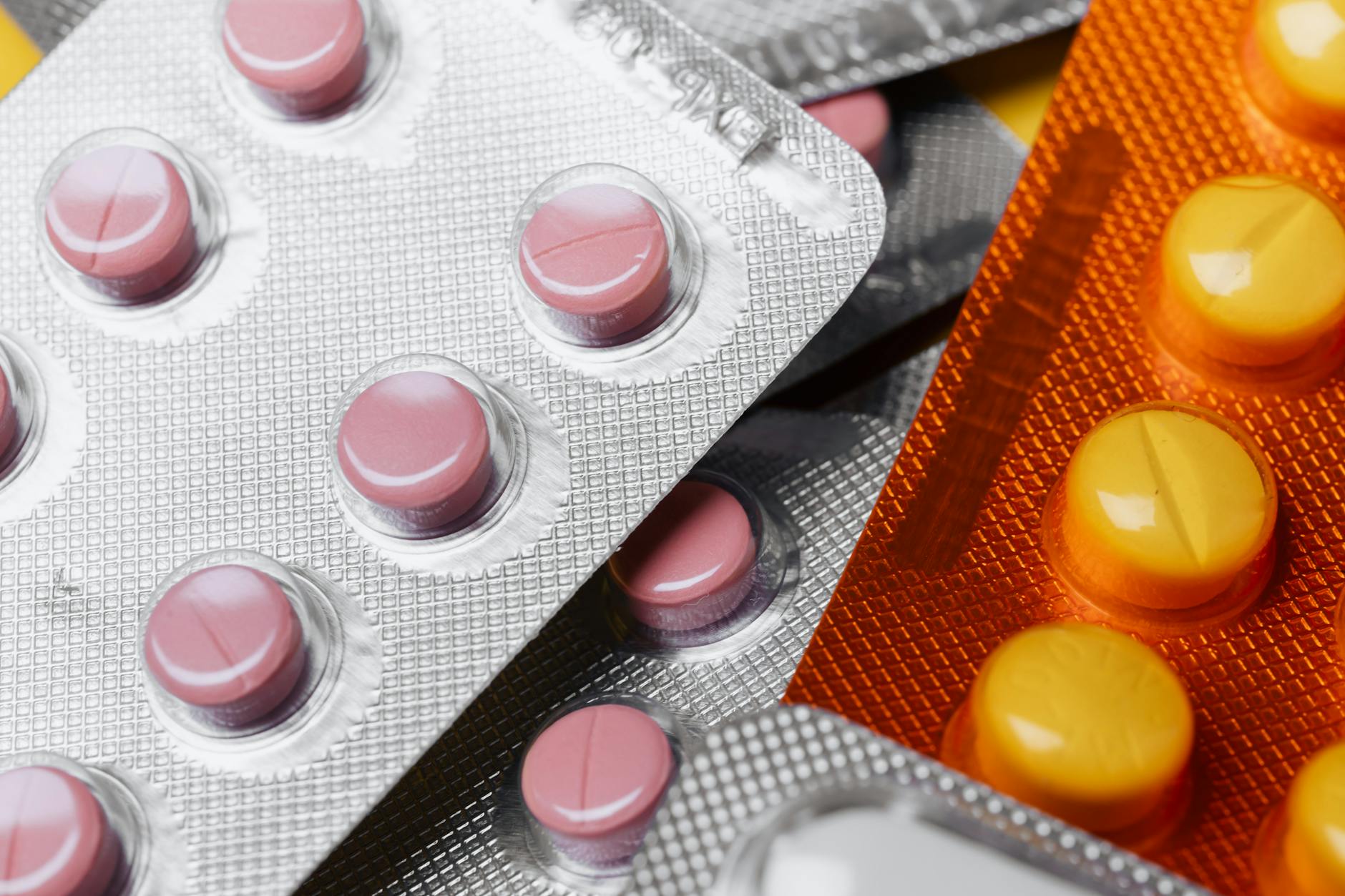
Not all acne treatments create equal sun sensitivity, but most require at least daily SPF 30. Topical retinoids—tretinoin, adapalene, and tazarotene—are among the most photosensitizing. If you’re using prescription-strength tretinoin for severe acne or anti-aging, you need broad-spectrum SPF 50+ daily, even on cloudy days. The sun exposure risk doesn’t diminish just because you’re indoors either; UVA rays penetrate windows, so an office worker still needs protection.
oral isotretinoin (accutane) is perhaps the strongest acne medication available, and it carries explicit warnings about sun exposure. Patients on Accutane experience severe photosensitivity and must avoid sun exposure entirely during treatment—which means daily SPF 50+, protective clothing, and sometimes avoiding outdoor activities altogether during peak hours. The limitation here is that Accutane is so photosensitizing that sunscreen alone isn’t always sufficient; patients need multiple protective layers. Even milder treatments like azelaic acid and niacinamide-based acne products can increase sensitivity, though the effect is less pronounced than with retinoids.
What Happens When You Skip Sunscreen During Acne Treatment
Hyperpigmentation is the most common consequence of sun exposure during acne treatment, especially for people with darker skin tones. A patient with brown skin using tretinoin might develop dark spots that take months or years to fade, essentially trading acne scars for hyperpigmentation scars. These aren’t just cosmetic issues—they can be more noticeable and harder to treat than the original acne problem.
More serious consequences include photoaging and worsening acne scarring. UV exposure during acne treatment can degrade collagen in deeper skin layers, creating or deepening atrophic (indented) scars that might otherwise have been prevented. A 28-year-old patient using adapalene without sunscreen might develop the sun damage and collagen breakdown that normally appears in sun-exposed individuals in their 50s. Additionally, some acne medications like tetracycline antibiotics (doxycycline) can trigger phototoxic reactions—serious burns or rashes—when combined with sun exposure, creating a situation far worse than simple sunburn.
How to Use Sunscreen Properly While Treating Acne
Applying sunscreen correctly while on acne medication requires more attention than everyday sun protection. The timing matters: if you’re using a morning retinoid, apply it first, wait 15-20 minutes for it to absorb, then apply a lightweight, non-comedogenic moisturizer, and finally sunscreen. Some people skip the moisturizer step, applying sunscreen directly over retinoid, but this creates a barrier that can reduce the medication’s effectiveness and cause irritation. Choose a sunscreen formulated for acne-prone skin—typically mineral sunscreens with zinc oxide or titanium dioxide rather than chemical filters, which can sometimes irritate already-sensitive skin.
SPF 30 is the minimum, but SPF 50+ is better during acne treatment. The tradeoff is that higher SPF sunscreens often feel heavier or whiter on the skin, which is why some people resist using them consistently. Reapplication is critical: sunscreen needs to be reapplied every two hours, or immediately after swimming or sweating. A common mistake is applying sunscreen once in the morning and assuming you’re protected all day.
Common Mistakes People Make With Sunscreen and Acne Medications
Underapplication is the single most common error. Studies show that most people apply roughly half the recommended amount of sunscreen—about 1/4 teaspoon for the face instead of 1/2 teaspoon. This dramatically reduces protection. Someone might think they’re using SPF 50, but they’re actually only getting SPF 15 due to underapplication. During acne treatment, this margin of error is dangerous.
Another widespread mistake is using sunscreen with silicone-based or occlusive ingredients that trap heat and moisture on acne-prone skin, making acne worse. Some people then abandon sunscreen entirely rather than dealing with breakouts, leaving them unprotected. The limitation of this reasoning is that some breakouts from sunscreen are temporary and settle down after a week or two, while sun damage is permanent. A second error is avoiding sun protection during evening or indoor use of acne medications. If you’re using tretinoin at night, you need SPF 50 in the morning—the medication is still present in your skin and causing photosensitivity even if you didn’t just apply it.
Layering Protection Beyond Sunscreen
While sunscreen is essential, it’s only one layer of protection during acne treatment. Wearing protective clothing—long sleeves, hats, and sunglasses—significantly reduces the amount of skin exposed to UV rays. For patients on oral isotretinoin or using very strong topical retinoids, adding a daily SPF 50+ lip balm is critical, since lips are especially vulnerable and often forgotten in sun protection routines.
Timing sun exposure is another practical strategy. If possible, avoid being outside during peak UV hours (10 AM to 4 PM) while undergoing intensive acne treatment, especially during the first few weeks when photosensitivity is highest. Some dermatologists recommend scheduling acne treatments during fall and winter when sun exposure is naturally lower and easier to manage. A patient starting tretinoin in January has an inherent advantage over someone starting in June—not because the medication works differently, but because natural sun exposure is reduced.
Long-Term Skin Health and Prevention
Consistent sun protection during acne treatment isn’t just about preventing immediate damage; it’s about preventing the compounding effects of UV exposure over time. A person who diligently uses sunscreen while treating acne in their 20s will likely have better skin quality, fewer age spots, and less photoaging in their 40s compared to someone who skipped sun protection during treatment.
The investment in daily SPF pays dividends across decades. Looking forward, new formulations of acne medications are being developed with photostability in mind, and dermatologists are increasingly emphasizing sun protection as a cornerstone of acne treatment rather than an optional add-on. The research is clear: sun protection during acne medication use prevents both acute complications like hyperpigmentation and long-term consequences like premature aging and worsening scarring.
Conclusion
Sunscreen is non-negotiable when using acne medications because these treatments fundamentally alter your skin’s vulnerability to UV radiation. Whether you’re using over-the-counter adapalene or prescription tretinoin, whether your medication targets bacteria or increases cell turnover, sun exposure during treatment creates risks that extend far beyond a simple sunburn. The 39% of scar-treatment patients who learned this lesson through experience discovered that preventing damage is far easier than reversing hyperpigmentation, photoaging, and deepened scars after the fact.
If you’re currently using or planning to start any acne medication, make SPF 50+ sunscreen a daily non-negotiable—applied generously, reapplied every two hours, and combined with protective clothing during peak sun hours. Your dermatologist should discuss sun protection as part of your treatment plan; if they don’t mention it, ask. The goal of acne treatment is clearer skin, and that outcome is best achieved when UV protection is integrated into the routine from day one.
Frequently Asked Questions
Can I use the same sunscreen I used before starting acne medication?
Maybe, but probably not optimally. If your previous sunscreen is heavy, silicone-based, or has ingredients that irritate your now-sensitive skin, switch to a lightweight, non-comedogenic formula specifically formulated for acne-prone skin during treatment. Even if your old sunscreen was fine, your skin’s tolerance has changed.
How soon after starting acne medication do I need sunscreen?
Immediately—ideally on the same day you begin treatment. Photosensitivity begins as soon as the medication is applied, and it builds over the first few weeks. Don’t wait to see if your skin gets irritated before adding sunscreen.
Does sunscreen reduce the effectiveness of my acne medication?
Not if applied correctly after the medication has fully absorbed. Apply your acne treatment first, wait 15-20 minutes, then apply sunscreen. The medication isn’t blocked if there’s a proper absorption window between steps.
What if sunscreen makes my acne worse?
Some temporary breakouts from new sunscreen are normal and usually settle within a week. However, if breakouts persist, switch to a different formula rather than abandoning sun protection. Mineral sunscreens are often more acne-friendly than chemical filters.
Do I need SPF 50+ or is SPF 30 enough during acne treatment?
SPF 50+ is strongly recommended during acne treatment because it provides a safety margin for underapplication and offers better protection given your skin’s increased vulnerability. SPF 30 is the minimum, but many dermatologists specify 50+ for patients on medications.
Can I use a moisturizer with SPF instead of separate sunscreen?
Moisturizer-SPF products typically don’t contain enough sunscreen to be applied at the correct protective amount without over-moisturizing. Separate products give you better control over how much of each product you’re using.
You Might Also Like
- Insurance Denied Coverage for Acne Patch Treatment Costing $120 Per Month…Monthly Supply Not Covered by Any Major Insurer
- She Was 42 When She Developed Rosacea-Type Acne That Required Completely Different Treatment Than Her Teenage Acne
- New AI-Guided Personalized Acne Protocol in Clinical Trials…Analyzes Skin Photos to Customize Treatment in Real Time