

Perioral dermatitis is frequently mistaken for acne, particularly when it develops around the mouth and lower face—but these are distinctly different conditions that require different treatment approaches. If you’ve been dealing with persistent bumps and irritation around your mouth area, and your typical acne treatments aren’t working, you may be dealing with perioral dermatitis rather than acne. The confusion is understandable: both appear as small red bumps around the mouth, but perioral dermatitis lacks the comedones (blackheads and whiteheads) that characterize true acne, and responding to the wrong treatment can actually make it worse.
Many people who struggle with skin picking behaviors are particularly vulnerable to this misdiagnosis. While skin picking itself doesn’t typically cause perioral dermatitis, the combination of picking at irritated skin and treating the wrong condition with ineffective products can create a frustrating cycle of inflammation that keeps getting worse. Understanding the distinction between these conditions is the first step toward getting effective treatment.
Table of Contents
- Why Perioral Dermatitis Is Often Mistaken for Acne Around the Mouth
- How Topical Steroids and Fluoride Exposure Trigger Perioral Dermatitis
- Who Is Most Vulnerable to Perioral Dermatitis and Why
- How to Tell the Difference Between Perioral Dermatitis and Acne
- Why Acne Treatments Can Make Perioral Dermatitis Worse
- Managing Skin Picking While Treating Perioral Dermatitis
- Looking Ahead: Prevention and Long-Term Management
- Conclusion
Why Perioral Dermatitis Is Often Mistaken for Acne Around the Mouth
The visual similarity between perioral dermatitis and acne is the primary reason for widespread confusion. Both conditions produce small, inflamed bumps in the facial region, and both can appear suddenly and persist for weeks or months. However, the mechanisms behind these conditions are entirely different. Perioral dermatitis is an inflammatory skin condition that affects approximately 0.5 to 1% of the population annually in developed countries, with significantly higher rates in specific demographics. The key distinguishing feature is the absence of comedones in perioral dermatitis.
When you have true acne, you’ll see blackheads and whiteheads mixed in with the inflamed bumps. With perioral dermatitis, you get only small papules—raised, solid bumps—without the blocked pores that define acne. This difference is crucial because it explains why acne treatments like benzoyl peroxide and salicylic acid often fail to help perioral dermatitis and may even worsen it. A person might spend months trying increasingly strong acne treatments, becoming more frustrated as their skin worsens, when a simple change in approach would resolve the issue. Research shows that up to 90% of perioral dermatitis cases occur in women aged 16 to 45 years, making misdiagnosis particularly common in this demographic. Women in this age group are also more likely to have acne or a history of acne, making the confusion even more natural—many assume the bumps around their mouth are just another breakout.

How Topical Steroids and Fluoride Exposure Trigger Perioral Dermatitis
Unlike acne, which develops from bacteria, excess oil production, and clogged pores, perioral dermatitis is primarily triggered by specific external factors. The most common culprit is prolonged use of topical corticosteroid creams or ointments. Someone might use a hydrocortisone cream on a patch of irritated skin, experience temporary improvement, and then find themselves dependent on the steroid—because stopping it causes a rebound flare that’s even worse than the original problem. This rebound phenomenon can trap people in a cycle where the treatment causes the condition it was meant to treat. Fluoride exposure is another frequently overlooked trigger.
Fluoride in toothpaste, mouthwash, and even some water supplies can contribute to perioral dermatitis development, particularly around the mouth where these products naturally concentrate. This is an important limitation to understand: even with perfect skincare habits, your toothpaste could be aggravating your skin condition. Some people find relief simply by switching to fluoride-free toothpaste, while others need to discontinue both steroid use and fluoride products simultaneously to see improvement. The inflammatory cascade in perioral dermatitis is different from acne inflammation as well. While acne inflammation is driven by bacterial colonization and immune response to blocked follicles, perioral dermatitis involves a distinct inflammatory process that may involve different immune system components. This fundamental difference in pathophysiology is why acne-specific antibiotics often don’t work for perioral dermatitis cases, and why dermatologists typically recommend a different treatment strategy altogether.
Who Is Most Vulnerable to Perioral Dermatitis and Why
Women aged 16 to 45 comprise the vast majority of perioral dermatitis cases—up to 90 percent by some estimates—but the condition can affect anyone. Understanding your risk factors can help you recognize the condition early. Beyond age and sex, certain occupational and lifestyle factors increase vulnerability. People in professions requiring heavy use of topical products, those with naturally sensitive skin, and individuals with a history of rosacea have higher rates of perioral dermatitis. Skin picking behavior introduces an additional layer of complexity. Approximately 2.1% of the general U.S.
population has clinically significant skin picking disorder (excoriation disorder), with lifetime prevalence reaching 3.1%—meaning roughly one in 30 people engage in compulsive skin picking at some point in their lives. Women are affected approximately three times more often than men. When someone with skin picking behavior develops perioral dermatitis, the combination can be particularly difficult to manage: the picking causes additional trauma to already-inflamed skin, the inflammation worsens picking urges, and standard acne treatments fail to help any of it. The psychological component of skin picking adds another dimension. People who pick at their skin often do so unconsciously or in response to stress, and they may not make the connection between their picking behavior and worsening skin inflammation. This unconscious aspect means that even after a correct diagnosis of perioral dermatitis, some people continue experiencing flares because they haven’t addressed the underlying picking behavior alongside the dermatitis treatment.
How to Tell the Difference Between Perioral Dermatitis and Acne
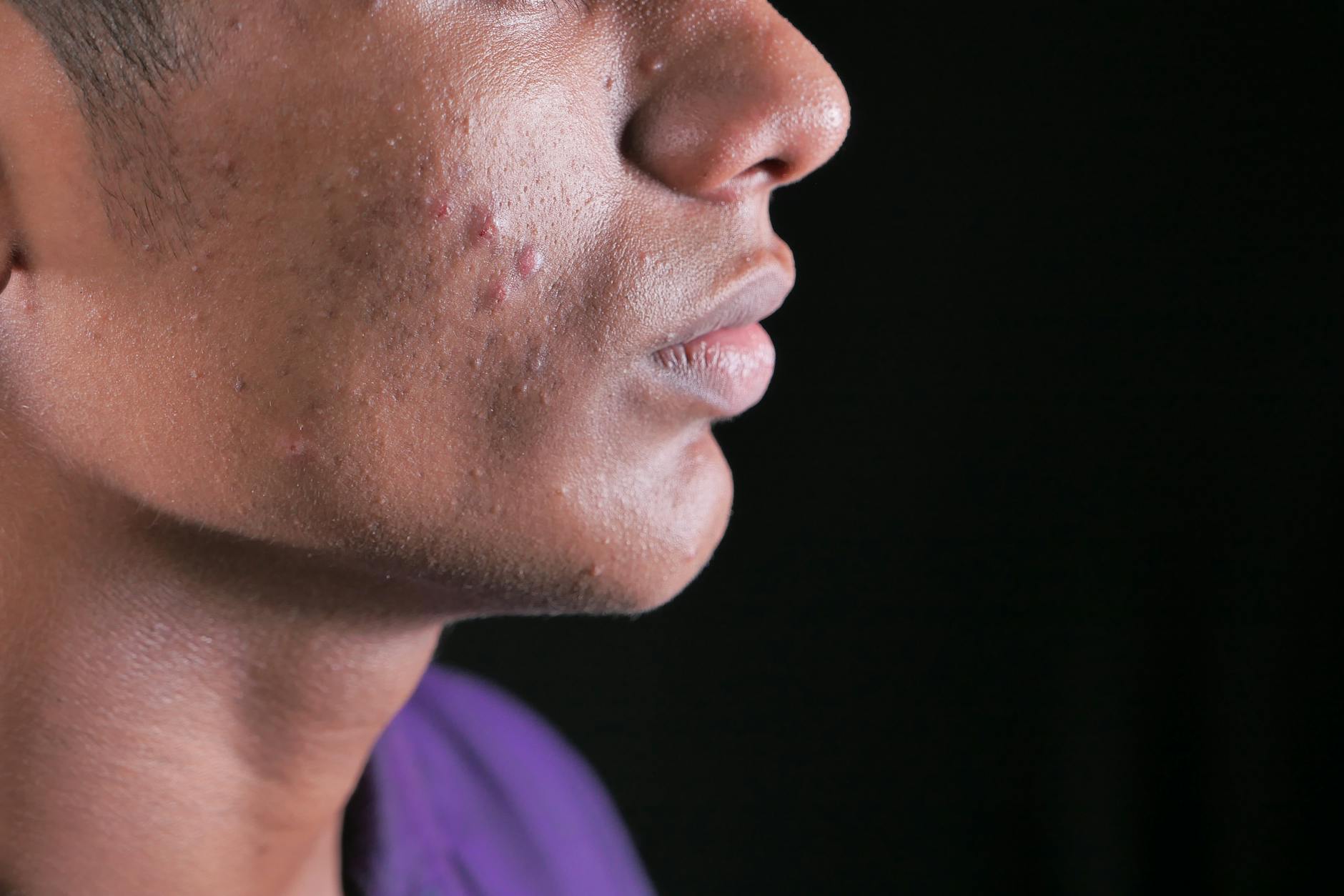
The diagnostic process starts with visual inspection, but the details matter. With perioral dermatitis, look for small, uniform papules concentrated around the mouth, nose, and sometimes the eyes. The bumps are typically flesh-colored to slightly red, smaller than typical acne lesions, and distinctly lacking comedones. Acne, by contrast, shows a mixture of lesion types: blackheads, whiteheads, papules, and sometimes cystic lesions, distributed across the face according to sebaceous gland density. Location offers another diagnostic clue. Perioral dermatitis is highly predictable in its distribution—it appears around the mouth, sometimes extending slightly up the nasolabial folds or to the chin. Acne shows no such predictable pattern and can appear anywhere on the face.
Additionally, perioral dermatitis typically doesn’t affect the forehead or cheeks as prominently as acne does, though there are exceptions. If you’re seeing clear bumps exclusively around your mouth and they’re not responding to acne treatments after four to six weeks, perioral dermatitis becomes increasingly likely. Response to treatment is perhaps the most definitive distinction. Acne improves noticeably with benzoyl peroxide or salicylic acid within 4-8 weeks. Perioral dermatitis often worsens with these treatments—the inflammation increases, and the bumps spread. This difference in treatment response is so characteristic that it can serve as a diagnostic tool itself. If standard acne treatments consistently make your mouth-area bumps worse rather than better, perioral dermatitis is the more likely diagnosis, and switching to appropriate treatment will show improvement within 2-4 weeks rather than escalating the problem.
Why Acne Treatments Can Make Perioral Dermatitis Worse
This is perhaps the most important practical warning: the standard acne treatment arsenal—benzoyl peroxide, salicylic acid, retinoids, and sometimes even oral antibiotics—can actually exacerbate perioral dermatitis. These treatments work by targeting the bacteria, excess oil, and cellular debris involved in acne formation, but perioral dermatitis doesn’t involve these factors. Instead, applying irritating acne products to perioral dermatitis strips away the skin barrier, increases inflammation, and intensifies the condition. Topical antibiotics present a particular trap. Many dermatologists prescribe oral antibiotics for perioral dermatitis due to their anti-inflammatory properties, and some oral antibiotics do help—specifically low-dose doxycycline is commonly used.
However, topical antibiotics can actually trigger or worsen perioral dermatitis in susceptible individuals. Additionally, prolonged antibiotic use raises concerns about bacterial resistance, making this approach something to use thoughtfully and temporarily rather than long-term. The limitation here is important: there’s no universally perfect treatment for perioral dermatitis. What works for one person may not work for another, and what works initially may stop working over time. The most evidence-based approach involves stopping whatever triggered the condition (corticosteroids, fluoride, irritating products), using only gentle cleansing, and sometimes adding specific treatments like topical metronidazole, sulfur-based products, or short-term oral antibiotics. Patience is required—perioral dermatitis often takes 4 to 12 weeks to fully resolve even with correct treatment, compared to acne which typically improves faster.
Managing Skin Picking While Treating Perioral Dermatitis
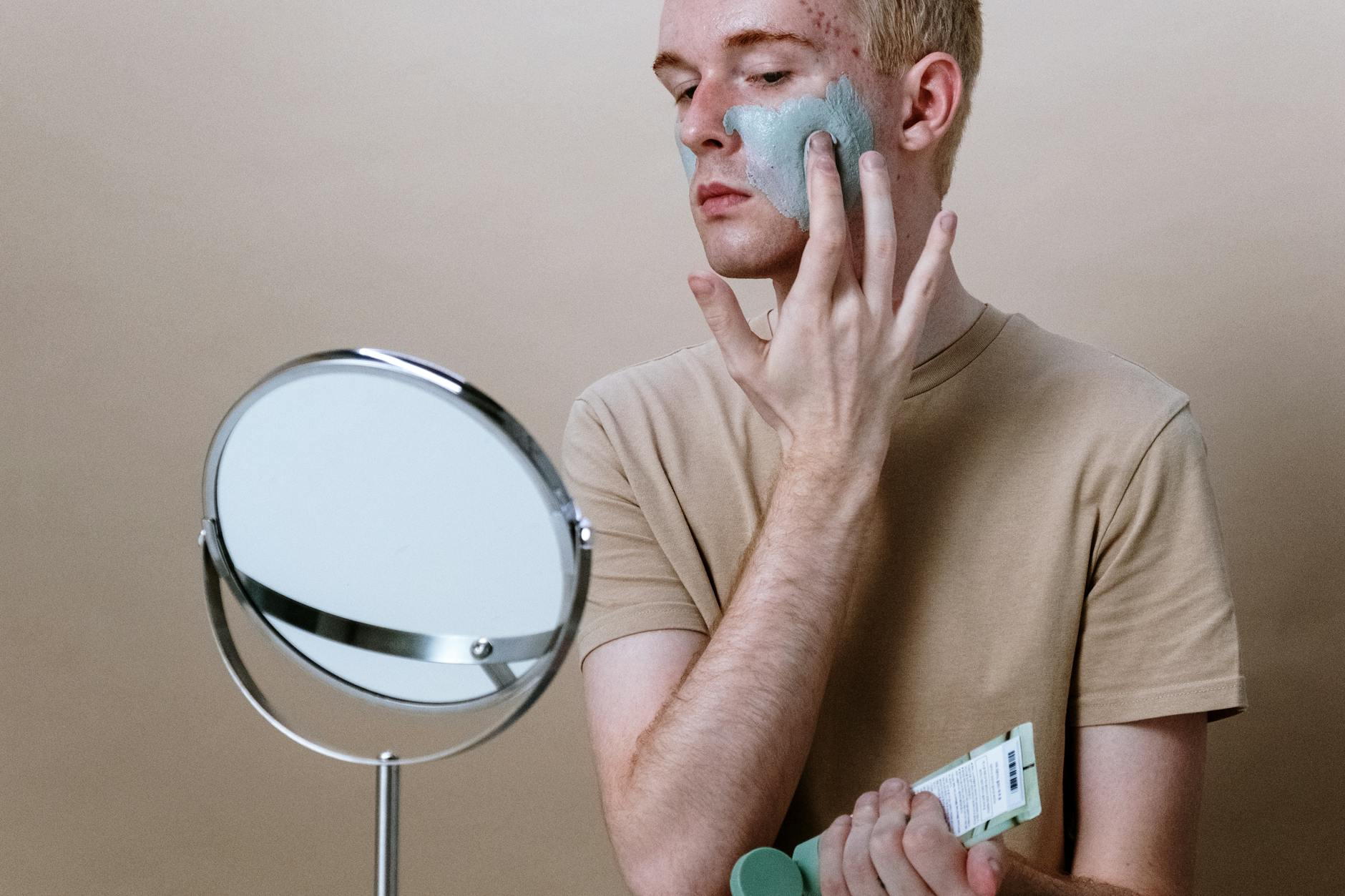
If you have a history of skin picking behavior, addressing that alongside treating perioral dermatitis is essential for success. The mechanical trauma from picking creates new areas of inflammation, delays healing, and can worsen the condition even while you’re using correct medical treatment. Some practical approaches include keeping your hands visibly occupied (fidget tools, gloves, bandages), using physical barriers like band-aids over affected areas, and addressing stress triggers that drive picking behavior.
Cognitive behavioral therapy (CBT) and habit reversal training have strong evidence for reducing skin picking behavior, and several studies show meaningful improvement in both the picking behavior and skin condition when these approaches are combined with dermatological treatment. For people without access to formal therapy, even simple awareness—keeping a log of when and why you pick, identifying your triggers, and developing substitute behaviors—can significantly reduce picking frequency. Using a humidifier or lightweight, fragrance-free moisturizer can also help by reducing the sensation-seeking that sometimes drives picking behavior, as dry, tight skin is more likely to be picked at than properly hydrated skin.
Looking Ahead: Prevention and Long-Term Management
Once you’ve successfully treated perioral dermatitis, preventing recurrence becomes the focus. This means identifying and avoiding your specific triggers—whether that’s switching toothpaste brands, discontinuing problematic skincare products, or being cautious about topical steroid use. Keeping a simple log of flare-ups can help identify patterns: did a new product trigger this, was I stressed, did I use fluoride mouthwash, or did picking behavior increase? The broader perspective is that perioral dermatitis, while frustrating, is highly manageable once correctly diagnosed.
The challenge lies in the initial misdiagnosis, which delays appropriate treatment and sometimes worsens the condition through incorrect acne management. As awareness of this condition increases among both patients and practitioners, fewer people will spend months treating dermatitis with acne products. For anyone dealing with persistent bumps around the mouth that don’t respond to standard acne treatment—particularly combined with skin picking behavior—asking specifically about perioral dermatitis rather than assuming acne could be the turning point toward clear skin.
Conclusion
Perioral dermatitis is frequently misdiagnosed as acne, particularly in women aged 16 to 45, and this confusion often leads to ineffective or counterproductive treatment. The condition lacks the comedones characteristic of acne, is triggered by factors like topical corticosteroids and fluoride rather than bacteria and oil production, and requires a different treatment approach entirely.
Understanding this distinction is crucial: acne treatments can actively worsen perioral dermatitis, while correct treatment typically shows improvement within 2 to 4 weeks. If you’re experiencing persistent bumps around your mouth that aren’t responding to acne treatment, or if you have skin picking behaviors alongside oral dermatitis, the first step is getting an accurate diagnosis from a dermatologist familiar with perioral dermatitis. Once you know what you’re treating, managing both the dermatitis and any underlying skin picking behavior can lead to clear, healthy skin and relief from a frustrating condition that affects many more people than currently recognize it.
You Might Also Like
- At Least 81% of People Who Pick at Their Skin Are Unaware That Picking at Acne Can Push Bacteria Deeper and Cause Permanent Scarring
- At Least 48% of People With Acne Scars Would Benefit From Knowing That Their Laundry Detergent Could Be Irritating Their Skin
- At Least 63% of People With Acne and Anxiety Believe That Their Dermatologist May Offer Payment Plans for Scar Treatment