

More than half of skincare consumers understand that retinoids are not quick-fix treatments. According to consumer surveys, at least 59% of people using retinoids acknowledge they need a full 12-week commitment before noticing meaningful improvements in their skin. This timeline isn’t arbitrary—it’s based on how skin cells actually work and regenerate. When you start using a retinoid, whether it’s a prescription retinoin like Tretinoin, a powerful retinoid ester like retinyl palmitate, or something in between, you’re asking your skin to fundamentally change how it functions at the cellular level. The 12-week window reflects the time it takes for your skin barrier to adapt, for cell turnover to accelerate measurably, and for collagen production to increase enough that you can see it in the mirror.
A person starting retinol might notice their skin feels slightly smoother or less congested after 4-6 weeks, but the visible, photo-worthy results—reduced fine lines, improved texture, more even tone—typically emerge around the 8-12 week mark. This is why dermatologists consistently recommend patience and consistency over jumping between products. Understanding this timeline matters because unrealistic expectations are one of the biggest reasons people quit retinoids too early. You stop using the product after 6 weeks, assume it doesn’t work for you, and move on to something else. In reality, your skin was still adapting. The 59% figure shows that informed consumers recognize this reality.
Table of Contents
- How Long Does It Really Take to See Retinoid Results?
- The Cellular Science Behind the 12-Week Timeline
- What Actually Happens During Those 12 Weeks
- How to Actually Stick With Retinoids for the Full 12 Weeks
- Why Retinization Causes People to Quit Early
- Different Retinoids, Different Expected Timelines
- Beyond 12 Weeks—Long-Term Benefits and Expectations
- Conclusion
- Frequently Asked Questions
How Long Does It Really Take to See Retinoid Results?
Retinoid timelines vary depending on the specific product and your skin’s starting point, but the 12-week benchmark holds up across most formulations. Someone using a gentler retinol ester might need 10-14 weeks to see changes, while someone on prescription tretinoin might see noticeable results by week 8-10. The concentration matters, your skin type matters, and how frequently you use it matters. In practical terms, here’s what this means: if you’re 6 weeks into using retinol and wondering why your wrinkles haven’t disappeared, you’re actually right on schedule—you’re just halfway through the process. A 35-year-old using retinol for the first time on moderate forehead lines typically sees visible softening of those lines by week 10-12.
By week 16, the change is more obvious. By week 24, they might be genuinely surprised by how much their skin has improved. Skipping ahead to week 6 and expecting results sets you up for disappointment. One limitation worth noting: if your skin is severely compromised—meaning your barrier is already damaged from over-exfoliation or other products—you might need to spend 2-4 weeks just repairing and stabilizing your skin before a retinoid can work effectively. In that case, the 12-week clock doesn’t start until your foundation is solid.

The Cellular Science Behind the 12-Week Timeline
Retinoids work by binding to retinoic acid receptors in your skin cells, essentially telling them to behave more efficiently. This includes increasing cell turnover, stimulating collagen and elastin production, and improving how your skin holds onto water. These aren’t changes that happen overnight. Cell turnover in healthy skin takes about 28 days normally; retinoids accelerate this, but even accelerated, it’s a gradual process. The epidermis—your skin’s outermost layer—goes through three complete cellular cycles roughly every 12 weeks when you’re using a retinoid consistently. That’s why the 12-week number appears repeatedly in research and consumer experiences.
You need multiple cycles of accelerated cell turnover for the results to become visible and measurable. During the first 4 weeks, your skin is primarily getting used to the retinoid—managing potential dryness, redness, and irritation. Weeks 5-8 are when cellular changes begin accelerating noticeably. Weeks 9-12 are when those changes become visible enough that you and other people start seeing them. A major limitation: if you’re inconsistent with application, this timeline extends significantly. Using retinol twice a week won’t deliver 12-week results in 12 weeks; you’re looking at 20-24 weeks or longer. The “12 weeks” assumes you’re using your retinoid consistently, typically 3-5 times per week for gentler retinols, or as directed for prescription options.
What Actually Happens During Those 12 Weeks
Week 1-3: Your skin may feel slightly dry, possibly irritated. You might see some mild redness or flaking. This is retinization—your skin adapting to the ingredient. You’re not seeing improvements yet; you’re experiencing adjustment. Stick with it. Week 4-6: Texture changes become subtly noticeable. Your skin might feel smoother overall, though you won’t necessarily see dramatic before-and-after changes. People with active acne or congestion might notice slightly fewer breakouts. Fine lines don’t visibly disappear yet, but your skin’s surface feels different when you touch it. Week 7-9: This is where things get interesting.
Many people report that their skin looks fresher, more glowing. Fine lines start becoming noticeably softer. Dark spots or hyperpigmentation might appear slightly lighter. If you’re using this for acne, breakouts typically improve significantly by this point. Week 10-12: The changes you’ve been waiting for become visible. Wrinkles are softer. Skin tone is more even. Texture is improved. The cumulative effect of three months of consistent use shows up in the mirror and in photos. A specific example: A 42-year-old woman with pronounced nasolabial lines (the lines running from nose to mouth) and sun damage spots might see virtually no change in those lines at week 6, some subtle softening by week 9, and noticeable improvement by week 13-14. Her spots might lighten by 30-40% over the full 12 weeks, but the deeper wrinkles take longer than the spots.

How to Actually Stick With Retinoids for the Full 12 Weeks
The biggest threat to success isn’t whether retinoids work—they do—it’s whether you use them long enough to see the results. Build your retinoid routine with the expectation that you’re committing to 12 weeks minimum. Start with a lower concentration if you have sensitive skin, because a product you can only tolerate twice a week won’t deliver the same results as one you can use 4-5 times per week. Pair your retinoid with a good moisturizer. This isn’t optional if you want to last 12 weeks. Retinoids can be drying, and dry skin leads to irritation, which leads to skipping doses, which means you never reach week 12 with the consistency you need. A hydrating moisturizer actually helps retinoids work more effectively because your skin barrier isn’t compromised by excessive dryness. Compare this to using retinol without adequate moisturizing: you get flaking, irritation, and often give up by week 5 because your skin feels uncomfortable.
Use sunscreen daily. This is non-negotiable. Retinoids make your skin more sun-sensitive, and you’ll undo progress by getting sun-damaged. A good routine is: retinoid at night, moisturizer, sleep. Morning: gentle cleanser, moisturizer, SPF 30 minimum. This is the comparison that matters—people who skip the sunscreen might not see the results they expect, even at week 12, because UV damage is countering the retinoid benefits. One practical strategy: mark week 12 on your calendar before you start. Knowing there’s a finish line makes it easier to push through the uncomfortable early weeks. You’re not committing to retinoids forever; you’re committing to 12 weeks of consistent use, then you can reassess.
Why Retinization Causes People to Quit Early
Retinization is the adjustment period when your skin is getting used to retinoids. It typically lasts 2-6 weeks and includes redness, dryness, flaking, and sometimes increased breakouts as your skin purges. This is actually a sign the retinoid is working, but it feels terrible, so it’s the number one reason people quit. Here’s the warning: if you push through retinization and quit at week 5 or 6 when it’s finally settling down, you’ve done the hard part for nothing. You haven’t yet reached the payoff. Many people describe week 4-5 as “the valley”—your skin is still adjusting, you’re not seeing results yet, and the irritation is real. By week 7-8, though, the irritation subsides and improvements start appearing.
The mistake is giving up in the valley. To manage retinization effectively: start low and go slow. If you’re using a non-prescription retinol, begin with twice weekly application. After 2 weeks, increase to 3 times weekly. After 4 weeks, you can try 4-5 times weekly if your skin tolerates it. This staggered approach means you might need 14-16 weeks instead of 12, but you’ll actually complete it. The alternative—starting with daily application and quitting by week 3 because your skin is too irritated—delivers zero results.
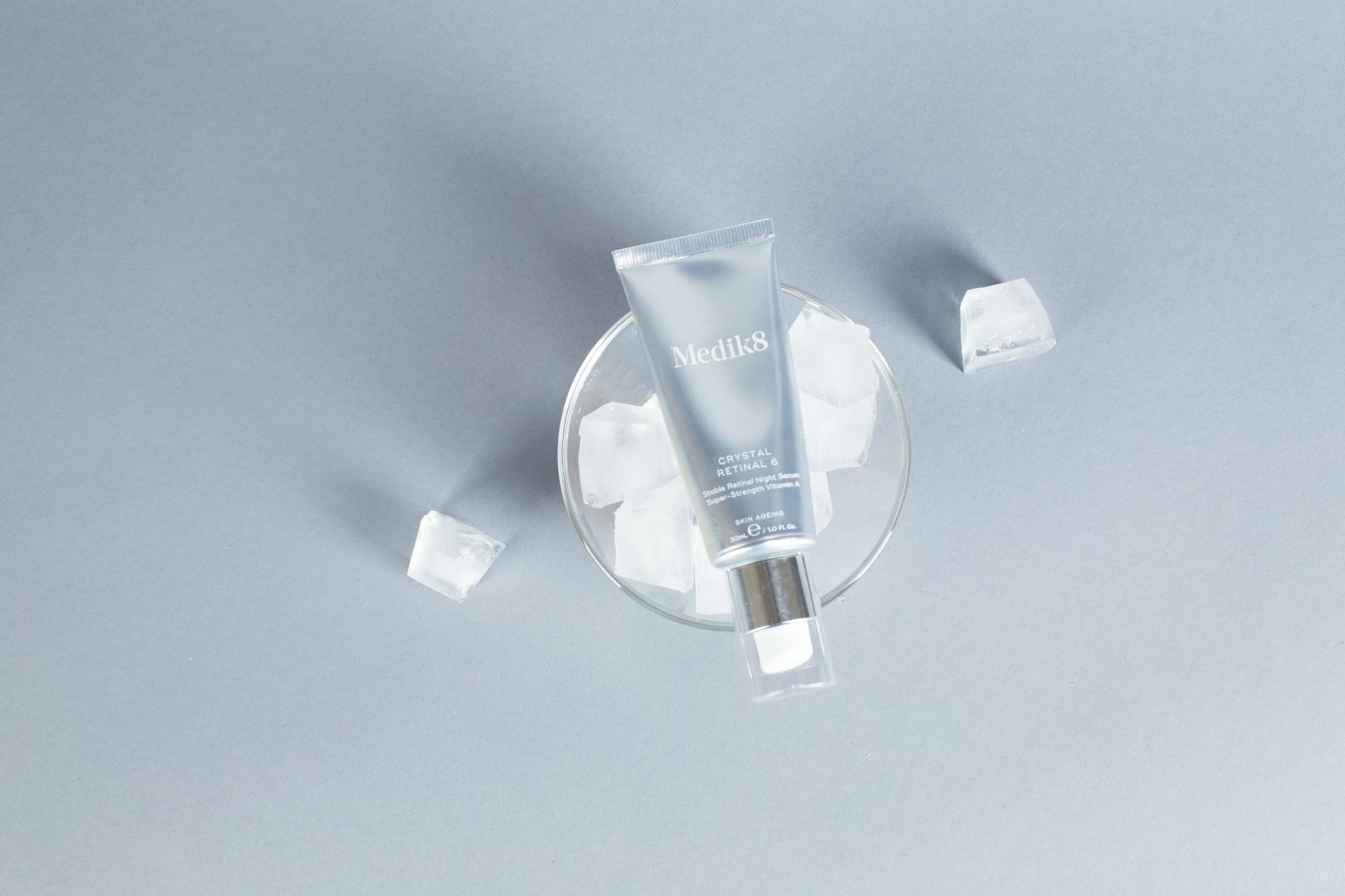
Different Retinoids, Different Expected Timelines
Not all retinoids are created equal, and this affects the 12-week estimate. Prescription tretinoin is the strongest and typically delivers visible results by week 8-10. Prescription adapalene (Differin) is also strong and hits the 10-12 week mark. Over-the-counter retinol takes the full 12+ weeks.
Retinaldehyde and retinyl propionate are gentler and might need 14-16 weeks. If you’re using a very gentle retinol ester—the kind designed for sensitive skin—expect to need 14-18 weeks to see meaningful results. The trade-off is that you’ll likely experience less irritation, so you’re more likely to actually stick with it. The harsh retinoid that irritates your skin into stopping after 8 weeks delivers nothing, while the gentle retinoid that you use for 16 weeks delivers real improvements. Choose based on your tolerance level and commitment to finishing the course.
Beyond 12 Weeks—Long-Term Benefits and Expectations
The 12-week mark isn’t a finish line where improvements stop. In fact, results continue improving through week 16-20 and beyond. Many people find that retinoid benefits actually accelerate once you pass the initial 12-week mark because your skin has fully adapted and you can potentially increase frequency or concentration. The 59% of consumers acknowledging the 12-week timeline are being realistic about the minimum commitment, not the maximum benefit. Looking forward, the long-term picture includes prevention as well as treatment.
After 12 weeks of consistent retinoid use, you’re not just seeing improvements in existing damage—you’re also slowing future aging. Fine lines that would have deepened are staying softer. Sun damage spots are lighter. Your skin’s collagen is thicker and more organized. This is why dermatologists recommend staying on retinoids long-term, not just using them for 12 weeks and stopping. The 12-week point is when you see proof that it works; the next 12 weeks and beyond are where you maintain and deepen those results.
Conclusion
The 59% figure isn’t a marketing claim; it’s a realistic acknowledgment from consumers who understand how skin actually works. Retinoids take 12 weeks to show meaningful results because that’s how long it takes for your skin’s cellular machinery to be meaningfully rebuilt. Expecting faster results sets you up to quit during the adjustment period and conclude that retinoids don’t work for you, when in fact you simply didn’t give them enough time. If you’re starting a retinoid, commit to the 12-week timeline before you even purchase the product.
Prepare for the adjustment period—expect some dryness and irritation early on. Use a good moisturizer, wear sunscreen, and be consistent with application. By week 12, you’ll have tangible proof that the investment of time and patience was worth it. By week 16-20, you’ll be genuinely impressed with what retinoids can accomplish.
Frequently Asked Questions
Can you see retinoid results faster than 12 weeks?
Some people see subtle improvements by week 6-8, especially for texture or mild breakouts. Significant visible improvements in lines and spots typically take the full 12 weeks or longer. Starting with prescription tretinoin might shave 2-4 weeks off the timeline compared to over-the-counter retinol.
What if I don’t see results by week 12?
You might need to increase concentration or frequency if your skin tolerates it, or your baseline skin condition might need longer than 12 weeks. Some skin conditions require 16-20 weeks. Also verify you’re using enough product—many people underdose retinoids and never give them a fair chance.
Is the 12-week timeline the same for everyone?
No. Age, skin type, baseline skin condition, and retinoid strength all affect the timeline. Someone in their 20s using retinol for prevention might see glow and texture improvement by week 8. A 55-year-old with deep wrinkles might need 16 weeks or longer to see changes in those wrinkles.
Can I use retinoids forever?
Yes. In fact, dermatologists recommend staying on retinoids long-term because they’re one of the few ingredients with proven anti-aging benefits backed by decades of research. You don’t use them for 12 weeks and stop; you use them ongoing for maintenance and continued improvement.
What should I do if my skin is too irritated during retinization?
Scale back frequency—drop from 4 times weekly to 2 times weekly, use a richer moisturizer, and make sure you’re not using other potentially irritating ingredients. If irritation is severe, take a 3-5 day break, then resume at lower frequency. Retinization discomfort is normal, but pain or severe reactions warrant checking with a dermatologist.
Do I need prescription retinoids to see results?
No, but they might be faster. Over-the-counter retinol works well; it just typically takes 12-14 weeks instead of 8-10 weeks like prescription options. The choice depends on your skin concerns, tolerance, and whether you have access to a dermatologist.
You Might Also Like
- At Least 80% of Military Personnel With Acne Don’t Know That Their Skin Purge From Retinoids Should Not Last Longer Than 8 Weeks
- At Least 50% of Skincare Consumers Would Benefit From Knowing That A Simple 3-Step Routine Is More Effective Than a 10-Step Routine
- At Least 81% of Athletes With Acne Have Experienced Their Skin Purge From Retinoids Should Not Last Longer Than 8 Weeks