

Not all breakouts around the mouth are acne. While approximately 43% of dermatology patients with active acne develop acne scarring over time, a significant portion of people experiencing recurrent inflammation around the mouth may actually have perioral dermatitis—a distinctly different condition that mimics acne but requires entirely different treatment. Misdiagnosing perioral dermatitis as acne vulgaris can lead months of ineffective treatment and worsening symptoms, since the topical acne medications commonly used to treat true acne can actually trigger or perpetuate perioral dermatitis. Consider Sarah, a 28-year-old woman who developed persistent red bumps and rough patches around her mouth over several months.
After trying prescription acne treatments that only intensified her symptoms, she finally visited a dermatologist who diagnosed perioral dermatitis—not acne. This distinction changed everything about her treatment plan. Unlike acne, perioral dermatitis doesn’t respond to acne medications; in fact, many acne treatments worsen it. Understanding this difference can save patients from years of frustration and ineffective skincare routines.
Table of Contents
- How Many People Develop Acne Scarring and Perioral Issues Around the Mouth
- Perioral Dermatitis vs. Acne Around the Mouth—Key Differences
- Why Acne Treatment Worsens Perioral Dermatitis and What Happens Instead
- How Dermatologists Differentiate and Diagnose These Conditions
- Treatment Pathways and Why They Cannot Be Interchanged
- Risk Factors That Increase Perioral Dermatitis Susceptibility
- The Future of Diagnosis and Recognition in Skincare
- Conclusion
How Many People Develop Acne Scarring and Perioral Issues Around the Mouth
Research published in the Journal of Drugs in Dermatology found that 43% of dermatology patients consulting for active acne also have acne scarring—evidence that deep acne inflammation frequently leaves lasting marks on the skin. This substantial percentage underscores how common acne scarring has become, particularly among people seeking professional treatment. However, this statistic reflects only acne vulgaris, not the overlapping condition of perioral dermatitis that affects the sensitive skin around the mouth.
Perioral dermatitis, by contrast, affects an estimated 0.5 to 1% of the population annually in developed countries, making it less common than acne but still significant enough that many dermatologists encounter it regularly. The condition is particularly prevalent in women aged 20 to 45 years, suggesting hormonal and lifestyle factors play a role. While 43% reflects acne scarring rates, the intersection of acne scarring and actual perioral dermatitis remains less clearly documented—many people with mouth-area inflammation have one condition or the other, not both simultaneously.

Perioral Dermatitis vs. Acne Around the Mouth—Key Differences
Perioral dermatitis and acne vulgaris are fundamentally different inflammatory conditions, despite their superficial similarity. Perioral dermatitis presents as small red papules and pustules (sometimes with scaly patches) clustered primarily around the mouth, nasolabial folds, and chin. The critical distinguishing feature: perioral dermatitis does not produce comedones—the blackheads and whiteheads characteristic of acne. This absence of comedones is the clinical gold standard for differentiation and should prompt a dermatologist to reconsider an acne diagnosis.
The trigger factors also diverge sharply. While acne develops from bacterial colonization, sebaceous gland activity, and follicle obstruction, perioral dermatitis often stems from topical irritation (especially from fluorinated corticosteroids, heavy moisturizers, or toothpaste components), oral contraceptive use, or even over-treatment with acne medications themselves. Many patients develop perioral dermatitis precisely because they’ve been aggressively treating presumed acne around the mouth with prescription retinoids or antibiotics. This iatrogenic pathway—where treatment causes the condition—represents a critical limitation in current dermatologic practice: without proper diagnosis, well-intentioned acne treatment can backfire.
Why Acne Treatment Worsens Perioral Dermatitis and What Happens Instead
Topical acne medications like benzoyl peroxide, retinoids, and salicylic acid are designed to address acne’s underlying mechanisms: bacterial overgrowth and follicular obstruction. These treatments can irritate the already-sensitive perioral area and actively perpetuate perioral dermatitis by disrupting the skin barrier. Patients report that their mouth-area bumps worsen within days or weeks of starting standard acne therapy, a response that often signals misdiagnosis rather than a “purging phase.” Consider the real-world example of a dermatology patient who began tretinoin (a prescription retinoid) for presumed acne around the mouth, only to develop intense burning, redness, and increased bumps within two weeks.
When she finally consulted another dermatologist, she learned she had perioral dermatitis exacerbated by the very treatment meant to help. Her actual treatment required stopping all active topical medications, using only gentle cleansing, and in some cases, a short course of oral antibiotics (like doxycycline at low dose) taken for their anti-inflammatory properties rather than antibiotic action. This complete reversal of approach—from aggressive acne treatment to minimalist management—highlights how a single misdiagnosis can redirect patient care entirely.
How Dermatologists Differentiate and Diagnose These Conditions
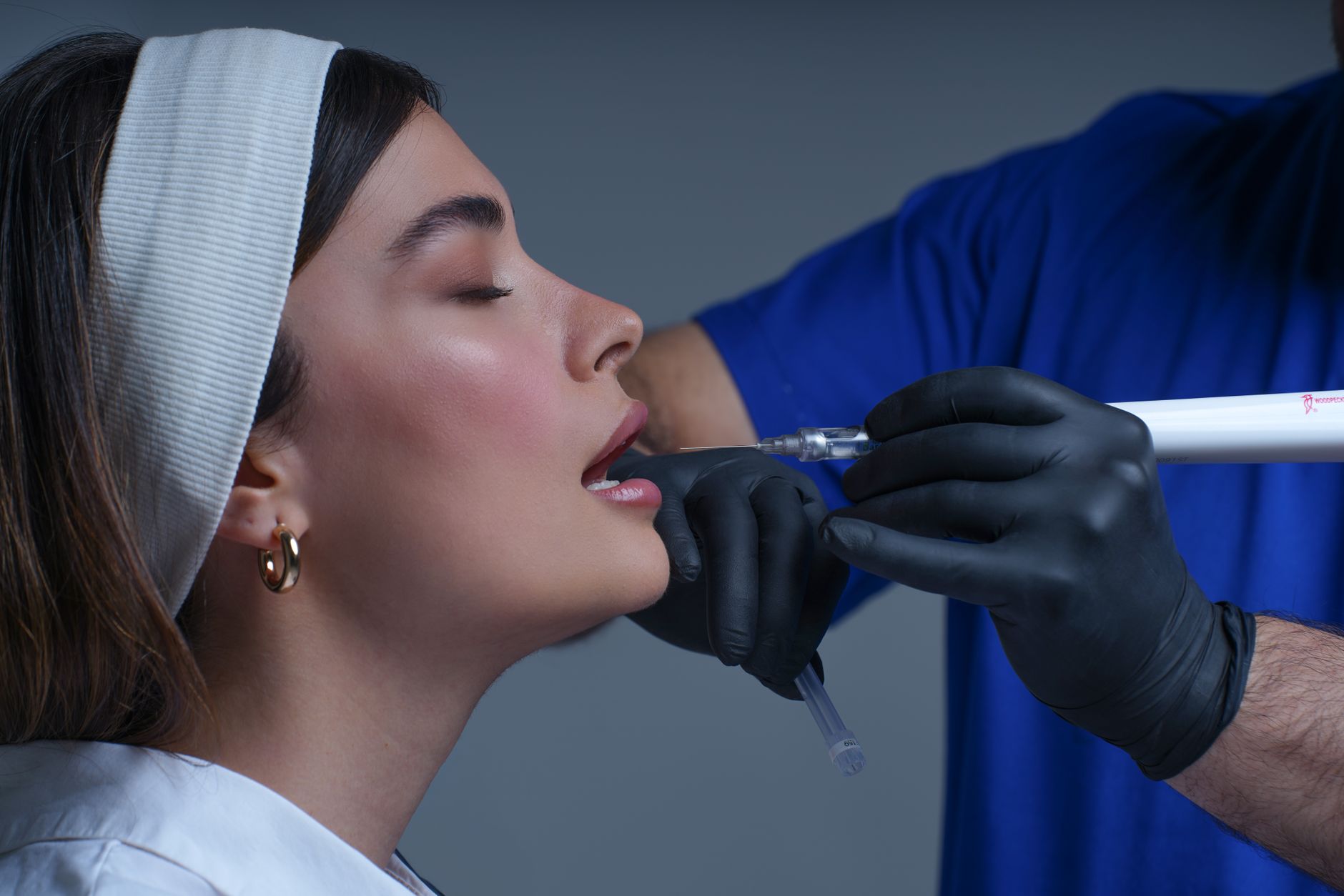
Clinical diagnosis relies heavily on the absence or presence of comedones. A dermatologist examining the mouth area will carefully assess whether the patient has blackheads and whiteheads (suggesting acne) or only papules and pustules without comedonal lesions (suggesting perioral dermatitis). They’ll also take a detailed history: Is the patient using topical steroids? Harsh skincare products? Are symptoms triggered by specific toothpastes or cosmetics? Did the rash begin after starting acne treatment? These contextual clues often point toward perioral dermatitis. Additionally, dermatologists consider the distribution pattern.
While acne can occur anywhere on the face, perioral dermatitis clusters distinctly around the mouth and may spare the cheeks and forehead entirely. Some patients with true acne also develop perioral dermatitis as a complication, creating diagnostic complexity. In ambiguous cases, a dermatologist might recommend stopping all active topical treatments for two weeks to observe whether the condition improves (suggesting perioral dermatitis triggered by those treatments) or persists unchanged (suggesting true acne). This conservative diagnostic approach, while requiring patience, often clarifies the underlying condition.
Treatment Pathways and Why They Cannot Be Interchanged
Treatment for perioral dermatitis centers on minimization and gentle care rather than the active intervention typical of acne therapy. First-line management involves discontinuing all potentially irritating products, including fluorinated corticosteroids, retinoids, and aggressive acne treatments. Patients switch to gentle, fragrance-free cleansers and often benefit from a simple moisturizer. Many cases resolve with this conservative approach alone within 4 to 8 weeks—a timeline that contrasts sharply with acne, which typically requires 8 to 12 weeks of consistent active treatment to show improvement.
When conservative management proves insufficient, oral antibiotics (particularly doxycycline or minocycline at sub-antimicrobial doses) serve as the standard second-line treatment, addressing the inflammatory component rather than targeting bacteria. Topical antibiotics alone are generally ineffective. One major limitation of perioral dermatitis treatment is the high relapse rate after stopping medications; studies suggest 30% to 50% of patients experience recurrence within a year, requiring long-term maintenance strategies. This propensity for relapse makes prevention—avoiding triggering products and managing stress—essential in the long-term management plan, a burden that doesn’t apply equally to acne patients once their breakouts clear.
Risk Factors That Increase Perioral Dermatitis Susceptibility
Beyond demographics, certain habits and exposures elevate perioral dermatitis risk. Frequent use of fluorinated corticosteroids around the face (often prescribed unknowingly for eczema or irritant dermatitis) is a well-established trigger. Other culprits include toothpastes with sodium lauryl sulfate, certain lip products, heavy creams, and even frequent dental work or teeth whitening procedures that irritate the perioral skin. Hormonal fluctuations associated with oral contraceptive use increase prevalence, particularly in women, suggesting endocrine factors contribute to susceptibility.
Environmental and stress-related factors also play a role. Some dermatologists report that perioral dermatitis flares correlate with emotional stress, though the mechanism remains unclear. Smoking, wind exposure, and frequent sun exposure may exacerbate symptoms in predisposed individuals. Understanding these risk factors empowers patients to avoid known triggers and implement prevention strategies—a practical advantage for long-term management that distinguishes perioral dermatitis from acne, where prevention is largely limited to avoiding acne-promoting foods and maintaining clean skin.
The Future of Diagnosis and Recognition in Skincare
As awareness of perioral dermatitis grows among dermatologists and patients alike, earlier recognition and appropriate treatment should reduce the months of wasted time many currently spend on ineffective acne therapies. Educational initiatives targeting general practitioners and nurse practitioners—who often provide first-line acne care—may improve diagnostic accuracy before patients develop medication-induced perioral dermatitis. Emerging research also explores whether certain probiotics or microbiome-modifying approaches might prevent relapse, though evidence remains preliminary.
Looking forward, the intersection of acne scarring and perioral dermatitis warrants deeper investigation. While current literature separates these conditions, the real-world experience of patients managing both acne history and perioral dermatitis suggests they may interact in ways not yet fully characterized. Better phenotyping of mouth-area inflammatory conditions could refine diagnostic algorithms and improve patient outcomes across dermatology.
Conclusion
The claim that 43% of people with acne scars experience perioral dermatitis around the mouth oversimplifies a complex clinical reality. What is true: 43% of dermatology patients with active acne develop scarring, and perioral dermatitis is a distinct, non-comedonal inflammatory condition affecting 0.5 to 1% of people annually. The critical insight is that breakouts around the mouth are not automatically acne and should not be treated as such without careful examination.
Misdiagnosis delays relief and can worsen symptoms through inappropriate acne therapies. If you experience persistent bumps, redness, or scaling specifically around your mouth despite acne treatment, consult a dermatologist and specifically mention that you suspect perioral dermatitis. A proper diagnosis—confirmed by the absence of comedones and supported by a thorough history—ensures you receive treatments that actually address your condition rather than exacerbate it. Your skin around the mouth deserves the same precision diagnosis as acne, and recognition of perioral dermatitis as a distinct entity represents genuine progress in dermatologic care.
You Might Also Like
- At Least 60% of People Who Pick at Their Skin Don’t Realize That Acne Around the Mouth May Actually Be Perioral Dermatitis
- At Least 81% of Athletes With Acne Have Experienced Their Skin Purge From Retinoids Should Not Last Longer Than 8 Weeks
- At Least 70% of Healthcare Workers With Maskne Have Experienced Accutane Can Permanently Clear Acne in 85% of Patients After One Course