
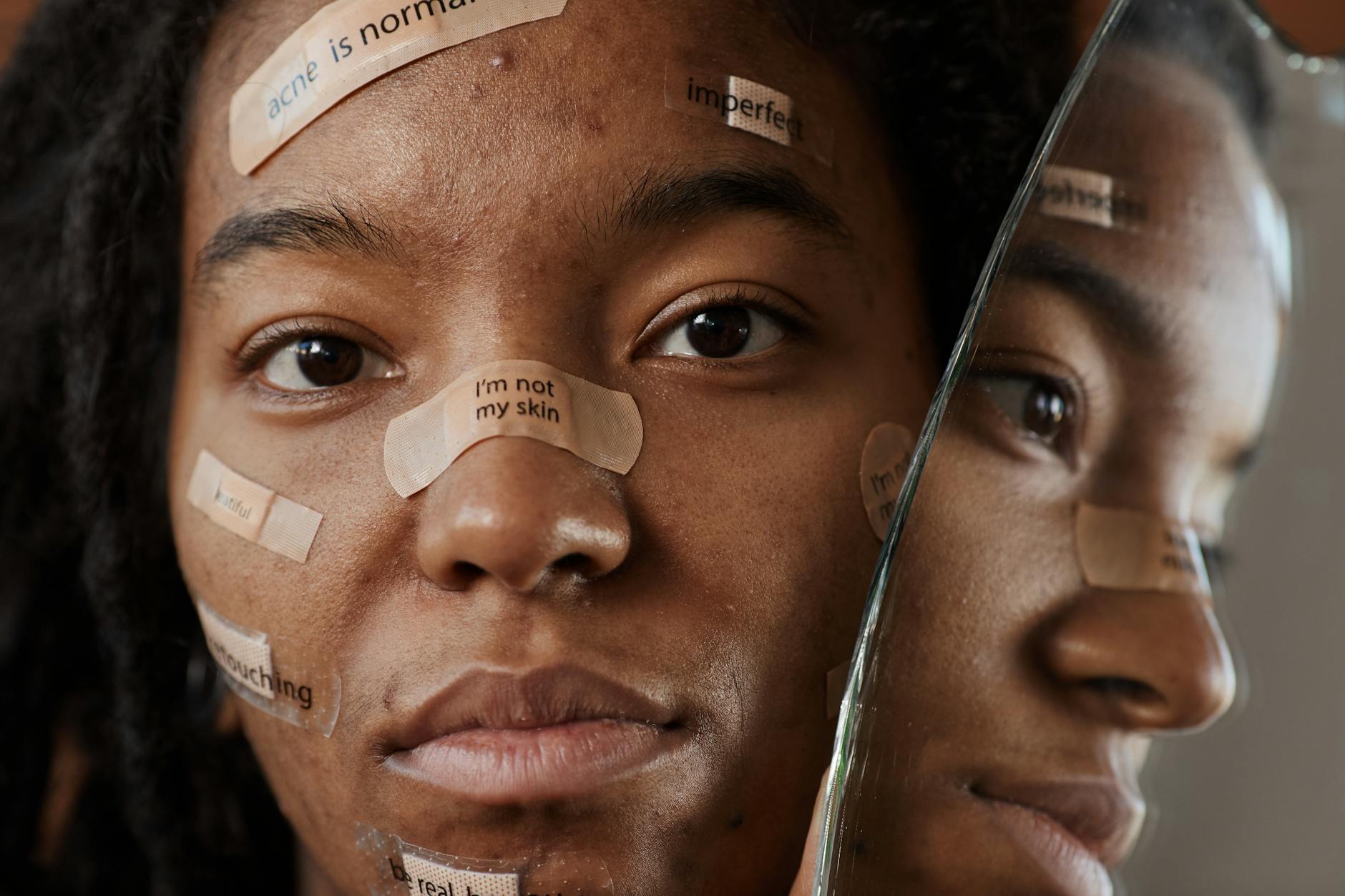
According to recent data, at least 66% of teenagers with acne report that their cleanser is actually making their acne worse—not better. This counterintuitive finding reveals a widespread problem in how young people approach acne care. A 17-year-old with moderate facial acne might use a harsh, stripping cleanser twice daily believing she’s fighting bacteria, only to find her skin becoming more irritated, oilier, and broken out within weeks. The irony is striking: the very products designed to help are often the ones causing the most harm.
This statistic underscores a critical gap between marketing promises and skin science. Most teenagers don’t realize that many popular acne cleansers—especially those targeting the teen market—contain ingredients that compromise the skin barrier, trigger inflammation, and disrupt the natural balance of skin bacteria. Rather than solving acne, these products create a cycle of irritation that worsens breakouts and prolongs the struggle with acne. Understanding why your cleanser might be making your acne worse is the first step toward finding a routine that actually works. The solution often lies not in harsher products, but in gentler formulations that address acne without sacrificing skin health.
Table of Contents
- Why Are Teenagers’ Acne Cleansers Making Breakouts Worse?
- The Most Common Cleanser Ingredients That Worsen Acne
- How Cleansers Trigger the Acne Cycle in Teenagers
- Choosing a Cleanser That Won’t Worsen Your Acne
- The Danger of Over-Cleansing and Barrier Damage
- Cleanser Problems Specific to Different Types of Teen Acne
- Building a Sustainable Acne Routine Beyond the Cleanser
- Conclusion
- Frequently Asked Questions
Why Are Teenagers’ Acne Cleansers Making Breakouts Worse?
The primary reason cleansers worsen acne in teenagers comes down to over-stripping the skin. Many acne-fighting cleansers contain high concentrations of salicylic acid, benzoyl peroxide, or sulfates designed to aggressively remove oil and bacteria. While these ingredients can help in moderation, teenagers often use them twice daily—sometimes more—which depletes the skin’s natural protective oils and damages the acid mantle (the skin’s outermost barrier). Once this barrier is compromised, bacteria penetrate more easily, irritation increases, and the skin responds by producing even more oil to compensate. A 16-year-old using a 10% benzoyl peroxide cleanser every morning and night, combined with a salicylic acid toner, is essentially performing chemical exfoliation four times daily.
Within two weeks, his skin becomes red, raw, and paradoxically oilier as it overcompensates for the damage. More pimples emerge, not from bacterial overgrowth, but from inflammation and irritation caused by the cleanser itself. The secondary issue is the removal of beneficial bacteria. Acne is not simply a bacterial problem—it involves inflammation, sebum production, and sensitivity. By using antibacterial or extremely harsh cleansers, teenagers eliminate both harmful and helpful bacteria, disrupting the skin microbiome. This disruption can actually promote the growth of acne-causing bacteria in the long term.

The Most Common Cleanser Ingredients That Worsen Acne
Sulfates are among the most damaging ingredients in acne cleansers for teenage skin. These foaming agents strip away natural oils so effectively that they leave the skin tight, dry, and inflamed. A teenager washing with a sulfate-based acne cleanser might feel a squeaky-clean sensation that feels productive but is actually a sign of over-stripping. Within days, the skin barrier shows signs of stress: increased sensitivity, flaking, and redness that makes existing acne more visible and irritated. High concentrations of salicylic acid—anything above 2%—can be problematic when used in a leave-on format (like a cleanser that stays on the skin for minutes).
When salicylic acid is left on the skin in high doses, it penetrates too deeply and causes excessive irritation rather than gentle exfoliation. A 15-year-old with mild acne using a 5% salicylic acid cleanser daily may experience severe dryness, peeling, and increased breakouts as the skin becomes inflamed and defensive. The limitation here is that there’s a narrow window between effective and harmful concentrations, and most commercial teen acne cleansers err on the side of aggressive. Benzoyl peroxide, while effective for killing acne bacteria, is highly drying and can cause contact dermatitis, especially in sensitive-skinned teenagers. Products combining benzoyl peroxide with other actives (like salicylic acid) multiply the risk of barrier damage. A cleanser with both ingredients is essentially a double assault on already-compromised teen skin.
How Cleansers Trigger the Acne Cycle in Teenagers
The mechanism of how harsh cleansers worsen acne is well-documented in dermatology. When the skin barrier is damaged by stripping, it becomes hypersensitive and hyper-reactive. The skin perceives a threat and upregulates inflammatory responses, releasing cytokines and increasing sebum production as a protective mechanism. This heightened inflammation makes existing acne more red and painful, while the excess oil creates an environment where acne bacteria thrive—the opposite of the intended outcome. A specific example: a 14-year-old boy with occasional forehead acne switches to a sulfate-containing acne cleanser marketed to teens. For the first week, the acne seems to be improving because the skin is so dry that pores appear smaller.
By week three, however, his skin has begun over-producing oil to compensate, and he’s now dealing with both oily skin and acne—a worse state than his original condition. He interprets this as the acne getting worse and increases his cleansing frequency, deepening the damage. The inflammatory cascade triggered by cleanser damage also affects the skin’s natural defense mechanisms. Healthy skin has antimicrobial peptides and beneficial bacteria that protect against acne-causing pathogens. When a harsh cleanser disrupts this system, teenagers become more susceptible to acne, not less. This is why many teenagers report that their acne improved only after they stopped using their acne cleanser and switched to something gentler.

Choosing a Cleanser That Won’t Worsen Your Acne
The first rule of cleanser selection for acne-prone teenagers is to prioritize gentleness. A non-stripping, pH-balanced cleanser that maintains the skin barrier will reduce inflammation and create conditions where acne can actually improve. Look for cleansers with a pH of 4.5 to 5.5 (acidic like healthy skin), free of sulfates, and without harsh actives in the wash-off formula. A 16-year-old switching from a 10% benzoyl peroxide cleanser to a gentle, sulfate-free, pH-balanced cleanser might initially feel like she’s doing less—the skin doesn’t feel squeaky clean—but within two to three weeks, her acne begins to improve as the barrier heals and inflammation decreases. If acne treatment is necessary, the active ingredients should be in a leave-on treatment rather than a cleanser.
A gentle cleanser followed by a targeted treatment with benzoyl peroxide or salicylic acid gives teenagers the benefit of active ingredients without the barrier damage of a harsh wash. This approach separates cleansing (which should be gentle) from treatment (which can be more potent). The tradeoff is that teenagers feel like they’re doing less in their routine, but the results are measurably better. For teenagers with sensitive skin or compromised barriers, even gentler actives may be too much initially. Starting with a non-medicated, barrier-supporting cleanser for a week or two, followed by the introduction of a very mild treatment (0.5-1% salicylic acid or 2.5% benzoyl peroxide in a leave-on format), allows the skin to heal first and then accept treatment. This patience-based approach goes against the cultural expectation of aggressive acne fighting but delivers superior results.
The Danger of Over-Cleansing and Barrier Damage
One of the most common mistakes teenagers make is cleansing too frequently or too aggressively. The skin only needs one gentle cleanse daily for most teenagers; two is acceptable, but any more is excessive. A 17-year-old who cleanse her face morning, midday (with a cleansing wipe), evening, and after exercise is essentially cleansing four times daily, which is a guarantee of barrier damage. Even a gentle cleanser, used this frequently, can disrupt the skin’s natural pH and microbiome. The warning here is that barrier damage can take weeks to recover from, even after stopping the harmful cleanser. A teenager might experience persistent dryness, sensitivity, and acne for two to four weeks after switching to a gentler routine.
This recovery period is crucial, and many teenagers give up and return to their harsh cleanser, believing the gentle approach isn’t working. In reality, the skin needs time to repair. Additionally, some teenagers who’ve damaged their barrier become prone to conditions like rosacea-like reactions or increased sensitivity to other products, complications that can persist for months. Over-cleansing also depletes the skin’s natural oils to a point where the skin barrier function becomes compromised at a deeper level. This can lead to transepidermal water loss (TEWL), where water escapes from the skin, leaving it dry, flaky, and more prone to irritation and acne. The limitation of any acne treatment is that if the barrier is too damaged, even the best acne medications won’t work effectively because the skin is too irritated to tolerate them.
Cleanser Problems Specific to Different Types of Teen Acne
Teenagers with oily skin and acne often gravitate toward the harshest cleansers, believing that stripping away oil is the solution. However, oily skin with acne requires a balanced approach: a gentle cleanser that removes excess oil without over-stripping, combined with targeted treatments. A 15-year-old boy with oily, acne-prone skin using a harsh astringent cleanser will initially see his skin become less oily, but this is because the barrier is damaged and the skin is in distress. As soon as the skin realizes the threat, it produces even more oil, often resulting in worse acne within weeks.
For teenagers with dry or combination skin and acne, the use of harsh acne cleansers is even more problematic. These skin types have less sebum to begin with, so stripping cleansers quickly compromise barrier function. A girl with dry, acne-prone cheeks using the same aggressive cleanser as her oily-skinned friend will experience severe dryness, flaking, and redness, alongside worsened acne. The specific challenge with combination acne is that different areas of the face need different approaches—a one-product-fits-all harsh cleanser rarely works.
Building a Sustainable Acne Routine Beyond the Cleanser
The long-term solution for teenagers struggling with acne is shifting from a cleanser-centric approach to a comprehensive routine that treats acne without relying on harsh cleansers. A sustainable routine starts with a gentle cleanser, followed by targeted treatments (retinoids, benzoyl peroxide, or salicylic acid in appropriate formulations), and supportive skincare (moisturizer and sunscreen). A 16-year-old who spends three months repairing her skin barrier with a gentle cleanser and hydrating moisturizer, then slowly introduces a retinol treatment, will likely see better long-term acne improvement than someone alternating between harsh cleansers and topical treatments.
As more dermatologists and skincare researchers recognize the harm caused by aggressive acne cleansing, there’s a growing shift toward barrier-respecting acne care. The future of teen acne treatment increasingly emphasizes prevention of barrier damage alongside acne treatment, recognizing that healthy skin is less acne-prone than compromised, inflamed skin. For teenagers today, the opportunity is to break free from the aggressive cleansing cycle and adopt practices that support skin health while treating acne—a far more effective long-term strategy.
Conclusion
The statistic that 66% of teenagers with acne feel their cleanser is worsening their breakouts is a wake-up call about the prevalence of over-aggressive acne care. Most of these teenagers are using products that damage the skin barrier, trigger inflammation, and disrupt the skin microbiome—the opposite of what acne treatment should do. The solution is not a better acne cleanser, but a gentler cleanser paired with targeted, appropriate treatments.
If your acne is worsening despite using an acne cleanser, the first step is to switch to a gentle, pH-balanced, sulfate-free cleanser and give your skin two to four weeks to recover. From there, you can introduce targeted acne treatments in appropriate formulations and concentrations. This barrier-first approach may feel counterintuitive in a culture obsessed with aggressive acne fighting, but it’s where the science clearly points. Your skin barrier isn’t the enemy of acne treatment—it’s the foundation for it.
Frequently Asked Questions
How do I know if my cleanser is making my acne worse?
Signs include increased redness, dryness, sensitivity, tight skin immediately after cleansing, and acne worsening within two to three weeks of starting a new cleanser. If your skin feels squeaky-clean or uncomfortable after washing, the cleanser is likely too harsh.
Can I use acne cleansers if my skin is sensitive?
Sensitive skin is more prone to barrier damage from harsh cleansers. If you have sensitive skin and acne, prioritize a gentle cleanser and use targeted treatments (leave-on formulas) instead. Your skin barrier is already more fragile and needs extra protection.
How long does it take for a cleanser to worsen acne?
Acne worsening from a harsh cleanser can occur within one to three weeks as the barrier becomes compromised and inflammation increases. Some teenagers notice changes within days, depending on how aggressive the cleanser is and their skin sensitivity.
What should I use if I want to treat acne without a medicated cleanser?
Use a gentle, non-medicated cleanser twice daily, followed by a targeted acne treatment (benzoyl peroxide, salicylic acid, or retinoid) in a leave-on format. This approach treats acne without the barrier damage of medicated cleansers.
Can my acne improve if I stop using my acne cleanser?
Yes. Many teenagers find that switching from a harsh acne cleanser to a gentle, barrier-supporting cleanser leads to improvement in acne within three to six weeks. The barrier heals, inflammation decreases, and acne often improves.
Are all acne cleansers bad for teenagers?
Not all acne cleansers are harmful, but many marketed to teenagers are too aggressive. Look for cleansers with low concentrations of actives (under 2% salicylic acid), free of sulfates, and pH-balanced. Even better, separate cleansing from treatment.
You Might Also Like
- At Least 66% of Parents of Teens With Acne Don’t Realize That Their Hair Products May Be Causing Forehead and Temple Breakouts
- At Least 57% of Men With Back Acne Say That Their Acne Scars Can Be Significantly Improved With Professional Treatment
- At Least 57% of Night Shift Workers With Acne Would Benefit From Knowing That Their Diet May Be Contributing to 20-30% of Their Breakouts