
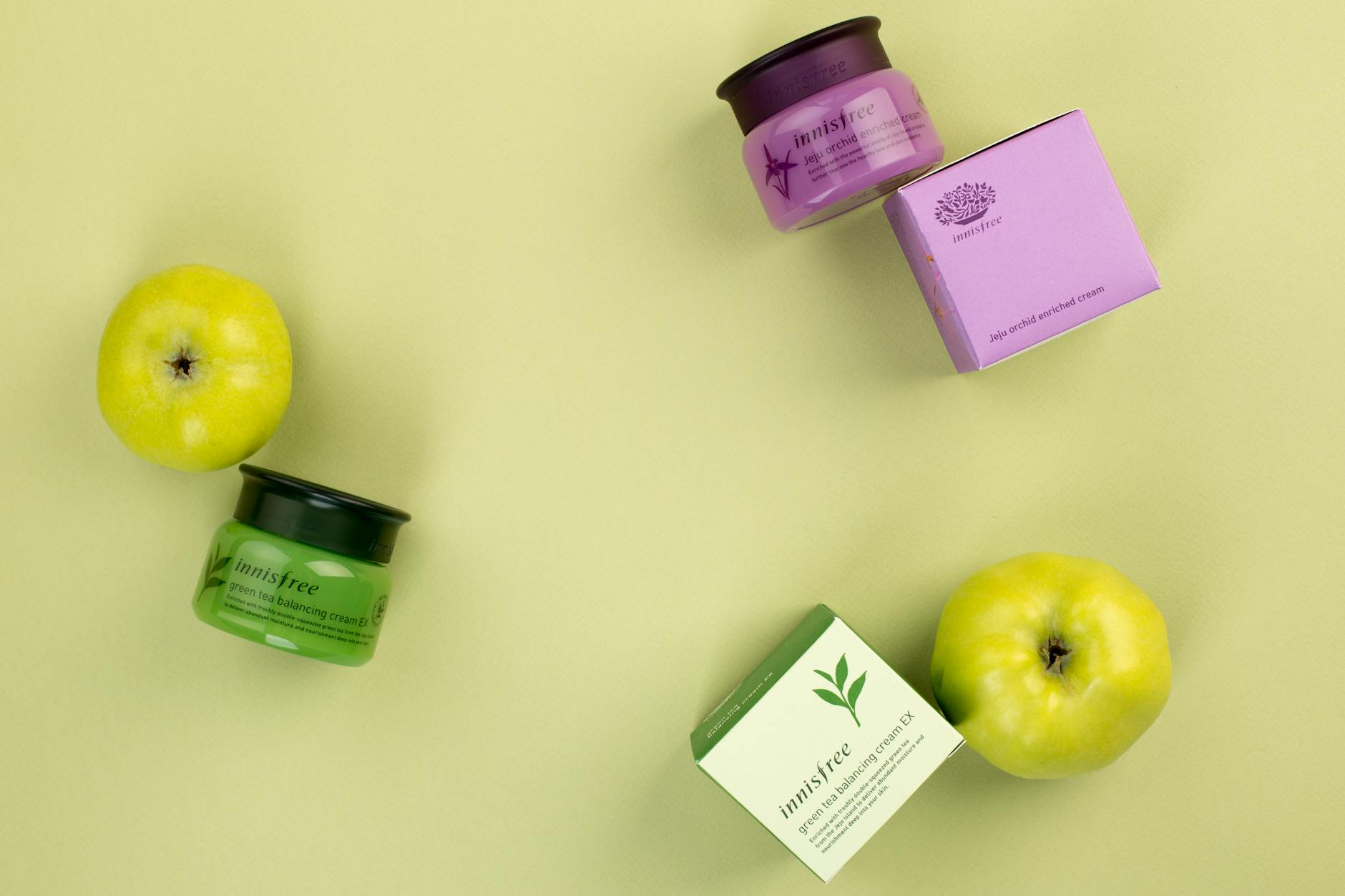
Korean and American skincare represent fundamentally different approaches to treating the skin, and the distinction comes down to one key difference: Korean products prioritize hydration and barrier repair, while American products focus on active ingredients designed to create visible change. A woman using a Korean skincare routine might spend 10 steps layering essences, serums, and hydrating creams to achieve what the industry calls “glass skin”—deeply hydrated, plump, and luminous. Meanwhile, her American counterpart might use a streamlined routine built around a prescription retinoid or benzoyl peroxide cleanser, products designed to work aggressively on acne, hyperpigmentation, or signs of aging. Both approaches can deliver results, but they reflect different philosophies about what healthy skin requires. This philosophical divide has real consequences for how you should evaluate products and build a routine that actually works for your skin. Korean skincare’s emphasis on hydration and barrier integrity emerged from decades of focus on preventing irritation and maintaining long-term skin health.
American skincare, rooted in dermatological science and prescription standards, prioritizes clinically proven actives that force visible change in skin cell turnover, collagen production, and bacterial control. The K-beauty market reflects this difference: valued at USD 14.61 billion globally in 2024 and growing at 11.3% annually, it dominates in hydration and barrier-repair categories. Yet American formulations still lead in clinical-strength actives like prescription retinoids and benzoyl peroxide, which Korean brands typically avoid or replace with gentler alternatives like bakuchiol and peptides. Understanding these differences matters because choosing the wrong approach for your skin type can either solve your problems or create new ones. Someone with a compromised moisture barrier might see dramatic improvement from Korean hydrating products but frustration from American high-strength actives. Conversely, someone struggling with moderate acne might find Korean products alone insufficient and need the proven firepower of American clinical actives.
Table of Contents
- What Makes Korean Products Focus on Hydration While American Products Emphasize Active Ingredients?
- The Key Ingredient Philosophies: Hydration and Barrier Repair Versus Clinical Actives
- Formulation Strategies: Multi-Step Routines Versus Streamlined Efficiency
- Which Approach Works Better for Different Skin Types?
- The Drawbacks and Limitations of Each Approach
- Market Trends and What Consumers Actually Choose
- The Future: Where Korean and American Skincare Are Converging
- Conclusion
What Makes Korean Products Focus on Hydration While American Products Emphasize Active Ingredients?
The answer lies in how each market defined healthy skin in its foundational decades. Korean skincare philosophy emerged from traditional Asian medicine and climate adaptation—Korea’s cold, dry winters required products that could protect and restore skin’s moisture barrier rather than disrupt it. This influenced the entire modern K-beauty industry to build around layering hydrating ingredients like hyaluronic acid and beta-glucan in concentrations proven to penetrate deep into skin. Over 60% of Korean moisturizers prioritize hydration with hyaluronic acid at 0.5–2% concentration and beta-glucan at 1–3%, ingredients chosen specifically because they draw moisture into skin and reinforce the lipid barrier. The approach assumes that most skin problems—acne, sensitivity, aging, uneven tone—stem partly from dehydration and barrier dysfunction, so fixing those foundational issues reduces inflammation and allows skin to heal itself.
American skincare, by contrast, grew from dermatological research and prescription medicine. Dermatologists in the U.S. developed confidence in active ingredients like tretinoin (prescription retinoid), adapalene, salicylic acid, and benzoyl peroxide because clinical studies proved they work on specific problems. This created a market expectation that skincare should “do something”—that a product should demonstrably increase cell turnover, kill acne bacteria, or stimulate collagen. American brands responded by prioritizing these clinical actives, and 80% of American creams now emphasize ceramides in specific 3:1:1 ratios and cholesterol, ingredients chosen for barrier repair but often paired with actives that disrupt barrier function first. The trade-off is built in: you accept some irritation and sensitivity from the active ingredient in exchange for seeing visible results in skin texture, breakouts, or wrinkles.

The Key Ingredient Philosophies: Hydration and Barrier Repair Versus Clinical Actives
To understand the practical difference, look at how each approach treats a 35-year-old woman with mild acne and dryness. A Korean routine might include a gentle cleanser, hydrating toner, essence, hyaluronic acid serum, hydrating sheet mask twice weekly, and a rich cream—each layer adding moisture and protective ingredients. The goal is to build skin’s resilience over weeks and months so that acne decreases as inflammation drops and moisture improves. An American routine for the same woman would likely include a cleanser with salicylic acid or benzoyl peroxide, a lightweight moisturizer with ceramides, and either retinol or prescription tretinoin two to three times weekly. The goal is faster visible results on acne and fine lines, but with the understanding that the first two to four weeks will involve peeling, irritation, and potentially worsening breakouts. Korean skincare’s gentler retinol alternatives illustrate this distinction perfectly. Instead of high-concentration retinol, Korean brands use bakuchiol and peptides that support skin repair and collagen without the irritation retinol causes.
This makes sense for their market: a 40-year-old seeking anti-aging in Korea might start with a serum containing peptides and PDRN (Polydeoxyribonucleotide, or “salmon DNA”), an emerging barrier-repair ingredient that supports skin resilience without retinol irritation. American dermatologists, however, still prescribe tretinoin as the gold standard for aging because the irritation is temporary and the results are scientifically proven. The 2025 skincare trends show a notable shift, though: even American consumers are now asking whether aggressive resurfacing is necessary, and PDRN and barrier-focused ingredients are beginning to compete with prescription retinoids in popularity. One limitation of the Korean approach: barrier repair and hydration, while essential, don’t force cell turnover or directly kill acne bacteria. Someone with severe acne caused by Cutibacterium acnes bacteria will likely need a benzoyl peroxide cleanser or oral antibiotic that American skincare reliably provides. Similarly, if you have significant photodamage or deep wrinkles, a Korean hydrating routine alone won’t deliver the collagen remodeling that tretinoin or aggressive laser treatment achieves. Korean skincare excels at preventing damage and maintaining health, but it’s not designed to reverse significant damage rapidly.
Formulation Strategies: Multi-Step Routines Versus Streamlined Efficiency
Korean skincare’s signature multi-step routine—often called “skin cycling” or the “10-step routine”—reflects the belief that different layers address different needs. A typical Korean routine includes cleanser, toner, essence, ampoule or serum, sheet mask, eye cream, hydrating cream, and sometimes sleeping mask or oil. Each product is formulated to be lightweight so that layering doesn’t feel heavy, and each adds a specific hydrating or barrier-supporting ingredient. Skin care accounts for 56.78% of the K-beauty market share in 2025, and within that category, hydrating serums, essences, and sheet masks dominate because they’re built for layering. This approach requires more time and commitment—a woman following Korean skincare typically spends 15–20 minutes on her routine—but it also distributes the “work” across multiple gentle products rather than loading everything into one formula. American skincare follows a “less is more” philosophy rooted in dermatological minimalism.
A dermatologist will typically recommend cleanser, retinoid, moisturizer, and sunscreen—four products, five minutes. The logic is that each product should be potent enough to justify its place in the routine, and that simpler routines have higher compliance rates and fewer interactions. An American acne routine might be cleanser with salicylic acid or benzoyl peroxide, a lightweight gel moisturizer, and sunscreen—stripped down compared to Korean approaches but designed to deliver measurable results on bacterial count and cell turnover. American brands have also begun adopting some Korean concepts, though: cushion foundations, essence-like hydrating serums, and multi-masking are now common in the U.S. market. The trend data shows that Korean search keywords like “deep hydration” and “skin-barrier” are now driving purchases globally, suggesting that consumers everywhere are warming to the Korean philosophy even if they don’t adopt the full 10-step routine.

Which Approach Works Better for Different Skin Types?
Korean skincare excels for sensitive, dry, compromised, or aging skin in temperate climates. If you have rosacea, eczema, or a moisture barrier damaged by overuse of actives, a Korean hydrating routine can be genuinely restorative. Women with naturally dry skin often see their best results from layering hydrating serums and creams rather than trying to force active ingredients into a moisture-starved barrier. The multi-step approach also appeals to people who enjoy skincare as a ritual rather than a chore, and the gentler formulations mean less risk of over-irritation if you’re juggling multiple products. Skin care’s 56.78% market share in K-beauty reflects this: the routine-oriented, hydration-focused approach has proven appeal. American skincare is better suited for oily, acne-prone, or significantly photoaged skin, and for people who want fast results.
Someone with moderate to severe acne, melasma, or significant fine lines will likely see faster improvement from benzoyl peroxide, salicylic acid, or tretinoin than from hydrating serums alone. The streamlined approach also works well for people with busy schedules or those who are sensitive to product overload. However, American skincare carries real risks if applied incorrectly: overuse of actives damages the moisture barrier and creates a cycle of irritation and sensitivity. Many dermatologists now advise patients starting tretinoin to add a hydrating serum and richer moisturizer—essentially borrowing from Korean skincare philosophy—because pure American minimalism often backfires. The smartest approach for most people is hybrid: a Korean-inspired hydrating base—cleanser, toner, serum—combined with American-style active ingredients when acne, aging, or hyperpigmentation demands them. This might look like a hydrating cleanser, niacinamide serum, lightweight moisturizer, and tretinoin two nights weekly. You get the barrier support and anti-inflammatory benefits of the Korean approach with the active-ingredient firepower of American skincare.
The Drawbacks and Limitations of Each Approach
Korean skincare’s primary limitation is speed and efficacy for severe skin conditions. Hydration and barrier repair are preventative and maintenance-focused, not corrective. If you have 30 active breakouts, a sheet mask won’t clear them—you need benzoyl peroxide or an oral antibiotic. If you have significant melasma, a peptide serum won’t fade it; you need tretinoin or a targeted brightening active like hydroquinone or tranexamic acid. Korean skincare also assumes a 15–20 minute daily commitment, which many people can’t sustain. There’s also the risk of over-hydration: layering too many hydrating products on oily or acne-prone skin can actually trap bacteria and exacerbate breakouts. Additionally, many Korean products prioritize ingredient novelty—like PDRN or fermented extracts—without long-term clinical data proving their efficacy.
You’re sometimes paying for innovation rather than proven results. American skincare’s primary limitation is irritation and barrier damage from overuse of actives. Tretinoin is powerful but demands patience; most dermatologists recommend starting at 0.025% and increasing gradually over months. Benzoyl peroxide is bactericidal but sensitizing; using it twice daily will strip your skin. High-dose salicylic acid can damage the stratum corneum and create chronic sensitivity. American skincare also assumes that visible results justify irritation, which isn’t true if the irritation creates lasting barrier damage. Many people abandon American retinoids or actives not because they don’t work, but because the side effects—redness, peeling, breakouts—feel intolerable. The 2025 trend shift away from aggressive resurfacing reflects this reality: dermatologists and consumers are questioning whether the irritation is worth it when barrier-repair ingredients like PDRN and hydrating actives achieve results more gently.
Market Trends and What Consumers Actually Choose
The global K-beauty market grew to USD 14.61 billion in 2024 and is projected to reach USD 38.29 billion by 2033 at 11.3% annual growth. Women represent 61.81% of the K-beauty market, and the category is growing fastest in the U.S., Europe, and Southeast Asia—regions dominated by American skincare just a decade ago. The top search keywords driving K-beauty purchases in 2025 are “deep hydration,” “skin-barrier,” and “cushion,” all reflecting the core philosophy of moisturizing and protection rather than active-ingredient correction. The “glass skin” trend, which depicts a face that is clear, plump, and luminous, explicitly rejects the matte, stripped appearance that American skincare can create. This suggests a cultural shift: consumers globally are valuing skin health and prevention over rapid correction.
Korean skincare products are projected to grow from USD 10.52 billion in 2025 to USD 14.7 billion by 2035 at 3.4% annual growth, steady but slower than the overall K-beauty category. This slower growth reflects market saturation in Korea itself and competition from other beauty categories, but the global expansion continues. Interestingly, American brands are adapting: major U.S. companies have launched hydrating serums and essences, and dermatologists increasingly recommend pairing active ingredients with Korean-style hydrating products. This hybrid approach is becoming the default recommendation, especially for patients new to tretinoin or other actives.
The Future: Where Korean and American Skincare Are Converging
The 2025 skincare trend data shows a marked shift away from aggressive resurfacing and high-percentage actives toward barrier resilience, regenerative ingredients, and microbiome balance. This is significant because it signals that the American skincare philosophy—”more active, faster results”—is being questioned by dermatologists and consumers. PDRN is emerging as a leading barrier-repair ingredient supporting skin recovery without retinol irritation, and it’s being incorporated into both Korean and American formulations. Similarly, American brands now routinely include niacinamide, hyaluronic acid, and peptides in their formulas alongside actives, effectively adopting Korean principles of barrier support.
The future likely isn’t a winner-take-all outcome where one philosophy dominates, but rather a convergence. A 40-year-old with fine lines might use tretinoin two nights weekly (American philosophy) paired with a hydrating essence and rich cream (Korean philosophy). A 25-year-old with acne would use benzoyl peroxide in the morning (American) but spend evenings rebuilding their moisture barrier with Korean-style hydrating products. This hybrid approach respects what each tradition does best: American skincare’s proven power to correct significant problems, and Korean skincare’s proven ability to maintain and prevent damage without sacrificing skin health.
Conclusion
Korean skincare’s emphasis on hydration and barrier repair and American skincare’s focus on clinical active ingredients aren’t contradictory—they address different problems at different stages of skin health. Korean products excel at prevention, maintenance, and restoring a compromised barrier; American products excel at correcting acne, hyperpigmentation, and photoaging. The reality is that most people benefit from both approaches: a foundation of hydration and barrier support, paired with targeted actives for the specific problems they face. The 2025 trend shift toward barrier-focused ingredients and the steady growth of K-beauty globally suggest that consumers are finally rejecting the false choice between “fast results with irritation” and “slow results without irritation.” Your next step should be assessing your specific skin concerns and current barrier health.
If your skin feels tight, reactive, or recently damaged by over-treatment, start with a Korean-style hydrating routine for 4–6 weeks before introducing actives. If you have active acne, moderate hyperpigmentation, or significant wrinkles, add American-style actives to a hydrating base and expect 8–12 weeks for visible improvement. The most effective skincare routine is one you’ll actually use, which means choosing products that feel good on your skin and deliver results you can see without forcing you to endure weeks of painful irritation. Neither philosophy is inherently superior—but understanding their differences will help you make the right choices for your skin.
You Might Also Like
- Sulfur vs Benzoyl Peroxide…Both Kill Bacteria but Sulfur Is Gentler and Better for Sensitive Skin
- New Topical Cannabinoid Cream in Clinical Trials…CB2 Receptor Activation Reduces Sebum Production in Lab Studies
- New Sebaceous Gland Ablation Device in Clinical Trials…Permanently Reduces Oil Production in Treated Areas