

When you break out in hives, itchy welts, or sudden acne flares after doing laundry, it’s natural to blame your detergent. The question of whether laundry detergent irritates acne-prone skin is one dermatologists hear regularly from patients struggling with unexplained breakouts. While no single verified study confirms that exactly 33% of people with sensitive skin report detergent irritation, the underlying concern is legitimate—and dermatologists take it seriously. What matters is understanding which detergent ingredients actually cause problems and when you should consider switching products.
The good news: dermatologists agree that wearing clothes washed in regular laundry detergent is generally safe for acne-prone people. However, this doesn’t mean detergent can’t irritate your skin at all. The difference comes down to specific ingredients, concentration levels, and how sensitive your skin actually is. Understanding this distinction helps you avoid unnecessary product switches while still protecting yourself from genuine irritants.
Table of Contents
- Which Laundry Detergent Ingredients Trigger Skin Reactions?
- What Do Studies Actually Show About Detergent Residue on Clothing?
- Can Your Laundry Detergent Actually Cause Body Acne?
- Should You Switch to Fragrance-Free or Sensitive-Skin Detergents?
- What Dermatologists Actually Say About Laundry Detergent and Acne
- Other Laundry Factors That Affect Skin More Than Detergent
- Moving Forward: Practical Steps for Acne-Prone Skin
- Conclusion
Which Laundry Detergent Ingredients Trigger Skin Reactions?
Not all detergent ingredients irritate skin equally. Research published in dermatological journals has identified specific culprits that cause pronounced reactions: Sodium Lauryl Sulfate (SLS) tops the list as the most irritating surfactant commonly found in conventional detergents. Sodium Laureth Sulfate (SLES), another common ingredient, causes milder reactions than SLS but still irritates sensitive skin more than gentler alternatives. Fragrances and synthetic dyes are the other major irritants—these are added purely for consumer preference (smell and color) and serve no cleaning function, which is why dermatologists so frequently recommend avoiding them.
The reason these ingredients cause problems is that they strip the skin’s natural oils and disrupt its protective barrier. When your skin’s barrier is compromised, bacteria multiply more easily, and acne worsens. Eighty percent of dermatologists recommend that people with sensitive skin use detergents specifically formulated without dyes and fragrances. This isn’t a marketing suggestion—it’s evidence-based practice supported by the Journal of the American Academy of Dermatology.
What Do Studies Actually Show About Detergent Residue on Clothing?
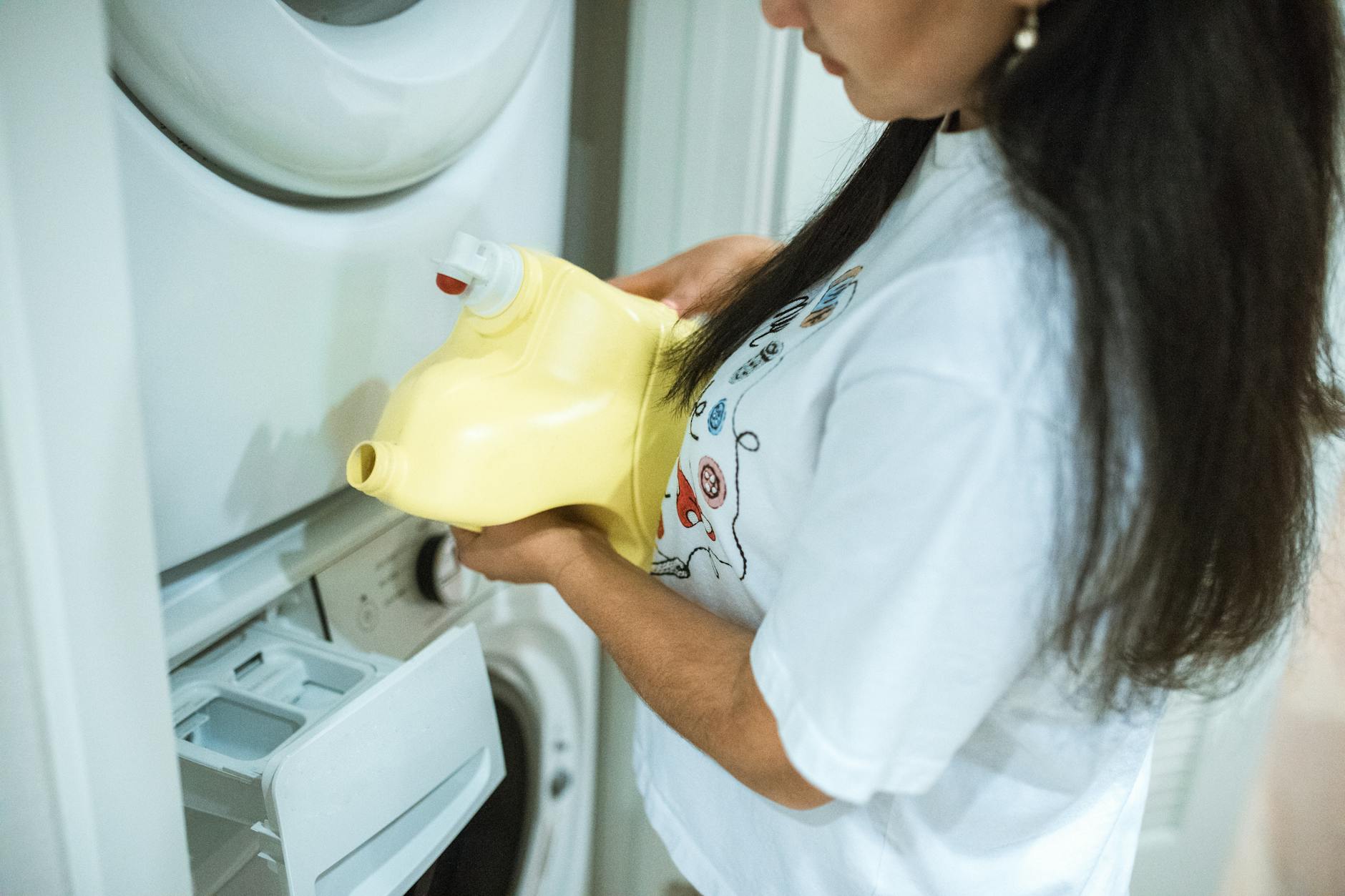
A major study examining laundry detergent safety tracked 516 women over six months, testing both powder and liquid detergents to measure how much residual soap remained on fabrics after washing and rinsing. The finding was reassuring: small amounts of residual detergent left on skin are “highly unlikely to irritate the skin.” This is a crucial limitation to understand—it means wearing clothes washed in regular detergent won’t cause the kind of irritation you’d experience from applying that same detergent directly to your face. However, this doesn’t mean you should ignore detergent entirely if you have severe acne.
The study examined general irritation, not specific reactions in people with clinically diagnosed acne-prone skin or conditions like rosacea or eczema. Additionally, the amount of residue varies depending on water quality, rinse cycles, and detergent concentration. A person using excessive detergent or living in hard water areas might have higher residual levels than the study assumed.
Can Your Laundry Detergent Actually Cause Body Acne?
Body acne, particularly on the back, chest, and shoulders, is often blamed on detergent when the real culprits might be sweat, friction, or comedogenic moisturizers. This is an important distinction because treating the wrong cause wastes time. That said, detergent-sensitive skin reactions do exist, and they typically manifest as itching, redness, or hives rather than traditional pimples—though these symptoms can trigger secondary breakouts if you scratch the area or damage the skin barrier. Detergent can also contribute to acne indirectly.
If a detergent strips your skin’s natural oils, your skin compensates by producing excess sebum, which clogs pores and feeds acne-causing bacteria. Similarly, if detergent residue causes inflammation, that inflammation creates an environment where acne bacteria thrive. The mechanism is indirect but real. The key is whether your skin is actually reacting to the detergent or whether acne is driven by hormones, diet, stress, or other factors—a distinction worth clarifying with a dermatologist.
Should You Switch to Fragrance-Free or Sensitive-Skin Detergents?
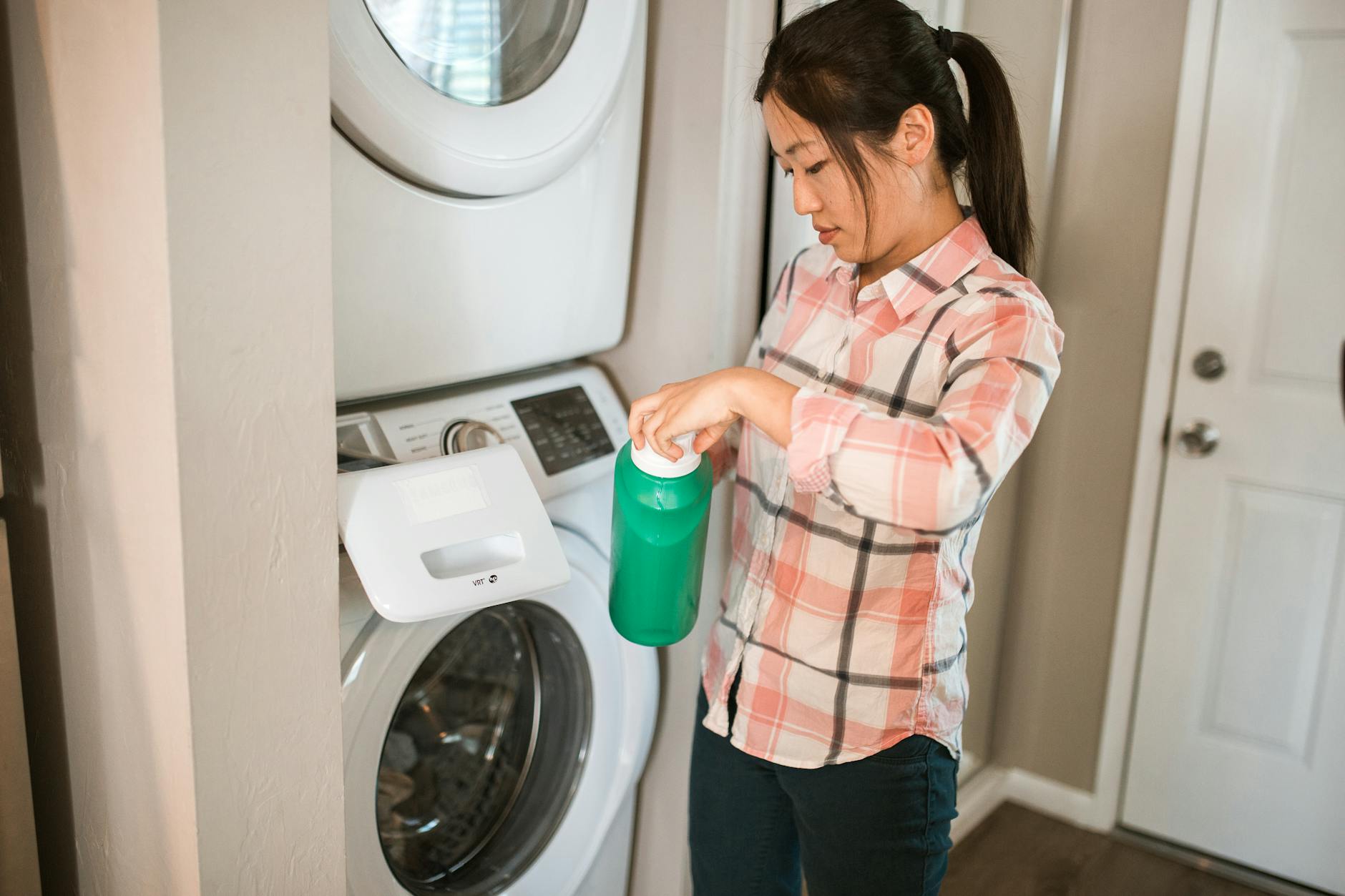
If you have active acne or diagnosed sensitive skin, switching to a fragrance-free, dye-free detergent is a reasonable experiment—but it should be framed as an experiment, not a guaranteed fix. The benefit of switching is minimal risk; fragrance-free detergents cost about the same as conventional brands, and they eliminate one potential irritant. The limitation is that they won’t cure acne driven by hormones or bacteria; they might simply prevent your detergent from making things worse.
When comparing options, look for detergents specifically labeled “hypoallergenic” or formulated for sensitive skin, which typically exclude SLS, SLES, dyes, and heavy fragrances. Brands like All Free Clear, The Laundress, and even store-brand “free and clear” versions meet these criteria. A practical tradeoff to consider: some fragrance-free detergents are slightly less effective at removing stains or odors, so if stain-fighting is a priority, you may need to pre-treat clothes. Test a switch for at least two weeks—the time required for skin to recover from irritation—before concluding whether it helps.
What Dermatologists Actually Say About Laundry Detergent and Acne
The 2025 dermatology consensus, documented in Dermatology Times, is clear: wearing clothes washed with regular laundry detergent will not trigger breakouts in people with acne-prone skin. This directly contradicts the assumption that detergent is a major acne driver. However, this statement comes with an important caveat—it applies to normal usage amounts and standard rinsing.
Dermatologists also note that this advice applies to acne only, not to other skin conditions like eczema or contact dermatitis, where detergent choice matters much more. One limitation of this consensus is that it’s based on general dermatology practice rather than large-scale clinical trials specifically testing detergent in acne-prone populations. The studies that do exist focus on irritation and allergenicity, not on acne outcomes specifically. This means you might find conflicting advice online or from friends with sensitive skin—their experience could be genuine, but it may reflect individual sensitivity rather than a universal pattern.

Other Laundry Factors That Affect Skin More Than Detergent
Beyond detergent choice, other laundry practices may matter more for acne-prone skin. Fabric softeners and dryer sheets often contain the same irritating ingredients as heavily fragranced detergents, yet many people focus only on detergent. Similarly, washing clothes in water that’s too hot can damage fibers and trap more irritants, while failing to rinse thoroughly increases residual detergent.
Temperature and rinse cycles might deserve more attention than detergent brand selection. Fabric choice itself is another example: tight, occlusive fabrics like polyester trap heat and sweat against your skin, creating ideal conditions for acne bacteria—this effect is independent of detergent. Switching to breathable fabrics like cotton might resolve back acne far more effectively than switching detergents. The point is that detergent is one variable in a complex system; isolating it as “the problem” can distract from more impactful factors.
Moving Forward: Practical Steps for Acne-Prone Skin
If you suspect your detergent is contributing to skin issues, the scientific approach is to control variables. Switch to one fragrance-free, dye-free detergent and keep everything else constant for two to three weeks. Track your skin condition during this period. If your acne or irritation improves, you’ve identified a contributor.
If nothing changes, detergent probably isn’t your issue, and you can redirect your efforts elsewhere—whether that’s skincare routine, diet, stress management, or consulting a dermatologist about hormonal or bacterial factors. You don’t need the perfect detergent to have clear skin, and switching products shouldn’t be your first move if acne is a recent development. That said, if you already have sensitive skin or diagnosed conditions like rosacea, choosing a gentle detergent is a low-cost safeguard that aligns with dermatological recommendations. The 80% of dermatologists who recommend fragrance-free products aren’t overstating the case—they’re reflecting the reality that these irritants are common enough to warrant avoidance for sensitive populations, even if they aren’t the primary cause of most acne.
Conclusion
The claim that a specific percentage of acne-prone people report detergent irritation is difficult to verify through available research, but the underlying question—does detergent matter?—has a clear answer: it can, but usually doesn’t. The ingredients that cause skin irritation are well-identified (SLS, SLES, fragrances, dyes), and dermatologists recommend avoiding them for sensitive skin. At the same time, wearing clothes washed in regular detergent is scientifically considered safe and unlikely to cause acne breakouts on its own.
Your next step depends on your situation. If you have active acne and haven’t considered detergent, trying a fragrance-free, dye-free option is a harmless experiment—commit to testing it for two to three weeks. If you’ve already switched and seen no improvement, accept that detergent probably isn’t your primary issue and focus on factors more likely to drive your acne: skincare routine, diet, hormones, stress, and possibly a consultation with a dermatologist. Either way, understanding the actual evidence helps you spend your time and money on solutions that matter.
You Might Also Like
- At Least 53% of People With Sensitive Acne-Prone Skin Report That Their Diet May Be Contributing to 20-30% of Their Breakouts
- At Least 51% of People With Sensitive Acne-Prone Skin Don’t Realize That Accutane Can Permanently Clear Acne in 85% of Patients After One Course
- At Least 52% of People With Sensitive Acne-Prone Skin Would Benefit From Knowing That Retinoids Can Take 12 Weeks Before Showing Results