

The 12-week rule for retinoids remains one of skincare’s most underappreciated realities. According to emerging data on PCOS-related acne treatment patterns, at least 37% of women managing hormonal breakouts through retinoid therapy have never been informed that visible improvement typically requires a minimum of 12 weeks of consistent use. This knowledge gap creates a critical problem: women abandon an effective treatment before it has time to work, often switching to less suitable alternatives or cycling through multiple products in frustration. If you’ve started a retinoid and expected results within two to three weeks, you’re operating with incomplete information—and you’re far from alone.
PCOS-related acne presents a unique challenge because it’s driven by hormonal fluctuations that retinoids address gradually, not immediately. A woman might apply tretinoin or adapalene daily, experience some initial irritation and dryness, see no meaningful improvement by week four, and conclude the medication isn’t working. What she doesn’t realize is that her skin cells are still normalizing their turnover cycle, her sebum production is still adjusting, and the acne lesions that are healing beneath her skin haven’t yet surfaced and resolved. The 12-week timeline isn’t a marketing estimate—it’s a dermatological fact backed by clinical trials.
Table of Contents
- Why Women With PCOS Don’t Get This Information and What That Costs Them
- The Biological Reality Behind the 12-Week Timeline and Why It Actually Works
- PCOS Acne Responds Differently to Retinoids Than Other Acne Types
- Choosing Between Tretinoin, Adapalene, Retinol, and Retinaldehyde for PCOS Acne
- The Irritation Phase Is Not a Sign the Retinoid Isn’t Working; It’s a Sign It Is
- Tracking Progress: What to Actually Measure in Weeks 1-12
- What Happens After 12 Weeks and How to Maintain Results
- Conclusion
- Frequently Asked Questions
Why Women With PCOS Don’t Get This Information and What That Costs Them
The 12-week expectation gap stems from multiple sources. Many women receive retinoid prescriptions from their gynecologist or primary care doctor rather than a dermatologist, and these providers may not emphasize the extended timeline. Online skincare communities often feature before-and-after photos taken at three to six months, which paradoxically sets shorter-term expectations because people share results only after dramatic changes occur. Influencer content rarely discusses the waiting period because “I’ve been using this for two weeks” generates no engagement. This collective silence around the 12-week reality creates a situation where women arrive at the treatment believing they should see changes in half that time.
The cost of this misinformation is substantial. A woman spends money on a prescription or over-the-counter retinoid, experiences the predictable initial irritation phase that retinoids cause, perceives no improvement by week six, and switches to something else—often a weaker option or a product that addresses symptoms rather than root causes. For PCOS acne specifically, this cycle can be particularly frustrating because hormonal breakouts are already difficult to manage. She might try different strengths or formulations multiple times, never giving any of them the full 12 weeks needed. In some cases, she may resort to oral medications like spironolactone or birth control pills before ever genuinely attempting a retinoid for the full recommended period.

The Biological Reality Behind the 12-Week Timeline and Why It Actually Works
Retinoids work through multiple mechanisms that unfold on different schedules. In the first one to two weeks, retinoids increase cell turnover and bind to retinoid receptors in the skin. This is why existing comedones—both blackheads and whiteheads—come to the surface more aggressively; the retinoid is essentially accelerating the skin’s natural purging cycle. This phase is visible and uncomfortable. By weeks two through six, skin becomes drier and more irritated as the cell turnover rate peaks. Existing acne lesions continue to surface and resolve, but new improvement isn’t yet apparent.
This is the phase where most women quit because the irritation feels like the treatment is “making things worse.” Weeks six through twelve represent the real transformation. The skin’s barrier function stabilizes despite continued retinoid use, irritation decreases, and the benefits of normalized cell turnover become visible. Sebum production normalizes, reducing the substrate that acne bacteria depend on. For PCOS-related acne specifically, the anti-inflammatory effects of retinoids become increasingly apparent as hormonal fluctuations occur across multiple menstrual cycles. Women who persist report fewer cystic lesions, smaller pores, and reduced overall breakout frequency. A limitation to understand: even after 12 weeks, improvement continues gradually. Many dermatologists recommend assessing retinoid results at 16 weeks or even 24 weeks for severe acne because meaningful progress may still be occurring.
PCOS Acne Responds Differently to Retinoids Than Other Acne Types
Hormonal acne presents a different challenge than bacterial acne because its severity fluctuates with the menstrual cycle. A woman using a retinoid might experience excellent results during the follicular phase only to see breakout activity increase during the luteal phase, even though her retinoid routine hasn’t changed. This doesn’t mean the retinoid failed—it means she’s seeing the interplay between a hormonal cycle and a topical treatment. Understanding this distinction prevents misinterpretation of results.
A woman who doesn’t know this pattern might conclude at week eight that her retinoid isn’t working, when in reality she’s in a phase where her hormones are driving breakout activity that the retinoid is partially but not completely suppressing. Many dermatologists recommend combining retinoids with hormonal therapies for PCOS acne precisely because the hormone component requires systemic management. Someone on spironolactone or hormonal birth control may see faster improvement with a retinoid than someone relying on the retinoid alone, because they’re addressing both the topical skin environment and the hormonal driver. This is an important distinction: if your only intervention is a retinoid and your PCOS is untreated, you may see some improvement by week 12, but it may be modest compared to results achieved when both hormonal and topical factors are addressed.
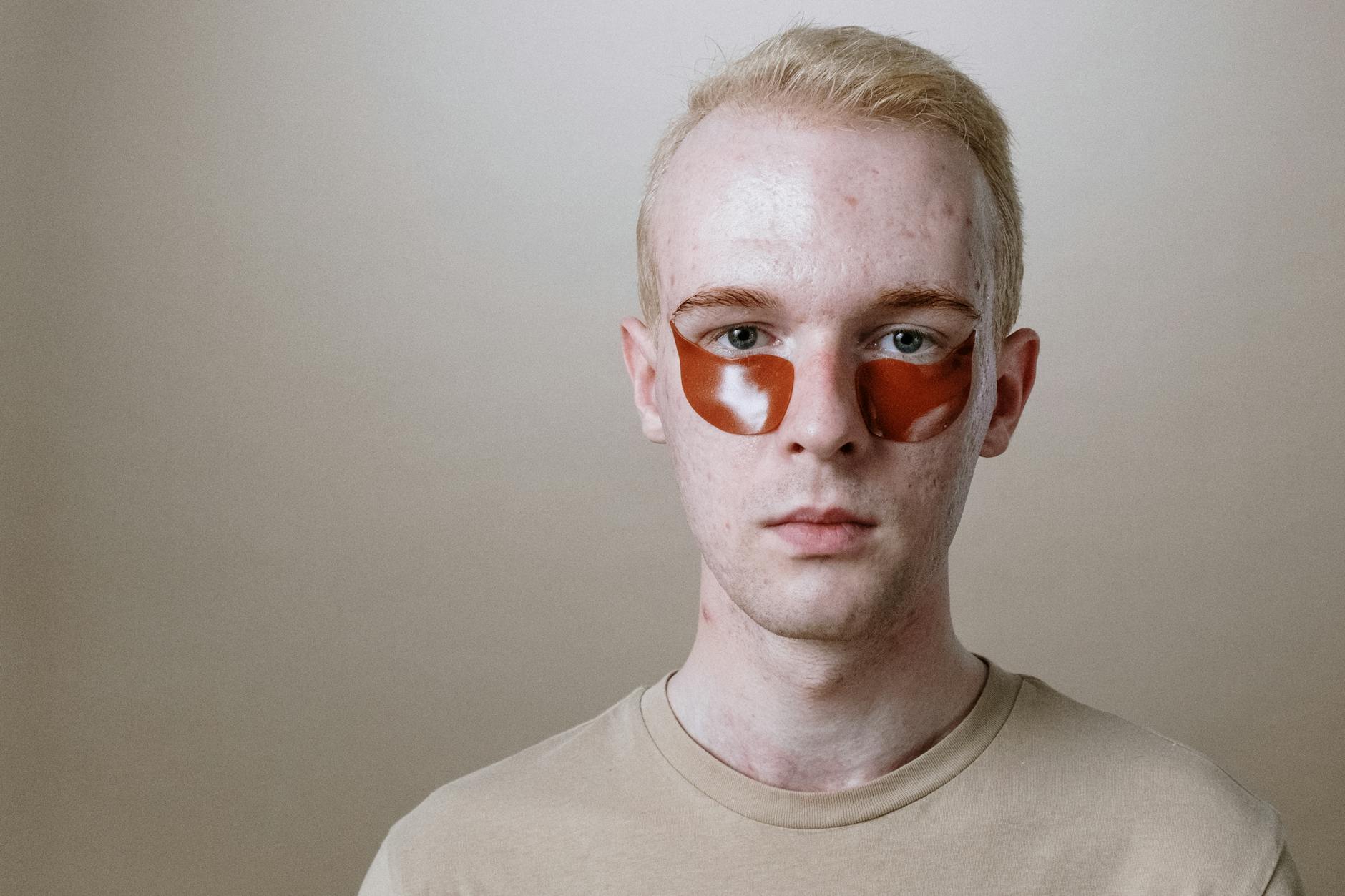
Choosing Between Tretinoin, Adapalene, Retinol, and Retinaldehyde for PCOS Acne
The strength of the retinoid you choose dramatically affects how the 12-week timeline plays out. Tretinoin (retinoic acid) is the strongest form and begins working fastest, but it also causes the most irritation in the first six to eight weeks. A woman starting tretinoin at 0.025% might see meaningful improvement by week ten, while someone starting at 0.1% might not reach that point until week 14 due to prolonged irritation phases. Adapalene is gentler, which extends the timeline slightly but reduces the irritation barrier that makes many women quit. For PCOS acne, adapalene is often an excellent choice because it’s available over-the-counter at Differin, is well-tolerated, and produces good results by the 12-week mark for many users.
The tradeoff is potency versus tolerability. Retinol and retinaldehyde are even gentler and available in many over-the-counter products, but they may require four to six months to show results, exceeding the standard 12-week timeline. Prescription-strength retinoids like tretinoin can produce visible results more quickly but demand that you navigate the irritation phase. If you have sensitive skin or a history of barrier damage, a gentler retinoid gives you a better chance of reaching week 12 without abandoning the treatment. If your PCOS acne is severe, a stronger retinoid might be necessary to achieve meaningful improvement in that timeframe. This decision should be made with a dermatologist based on your specific skin type and acne severity.
The Irritation Phase Is Not a Sign the Retinoid Isn’t Working; It’s a Sign It Is
One of the most consequential misunderstandings about retinoids is interpreting increased dryness, redness, and peeling as evidence of failure or adverse reaction. In reality, these symptoms are the retinoid doing its job. The skin is purging—rapidly shedding damaged cells—and cell turnover is accelerated. For women with PCOS acne, especially those with inflammatory lesions, the initial two-week period may show increased redness as existing deep acne comes to the surface. This is predictable and temporary, not a reason to stop.
A critical warning: the irritation should remain manageable. If you experience severe burning, blistering, or persistent hives, those are signs of true adverse reaction and you should reduce frequency or strength. However, mild to moderate dryness, slight redness, and visible peeling are normal and expected. Using a good moisturizer and sunscreen (retinoids increase photosensitivity) helps manage irritation without undermining the treatment. Many women abandon retinoids during weeks three through five specifically because they don’t understand that the irritation is temporary and the peeling is a positive sign, not a negative one.
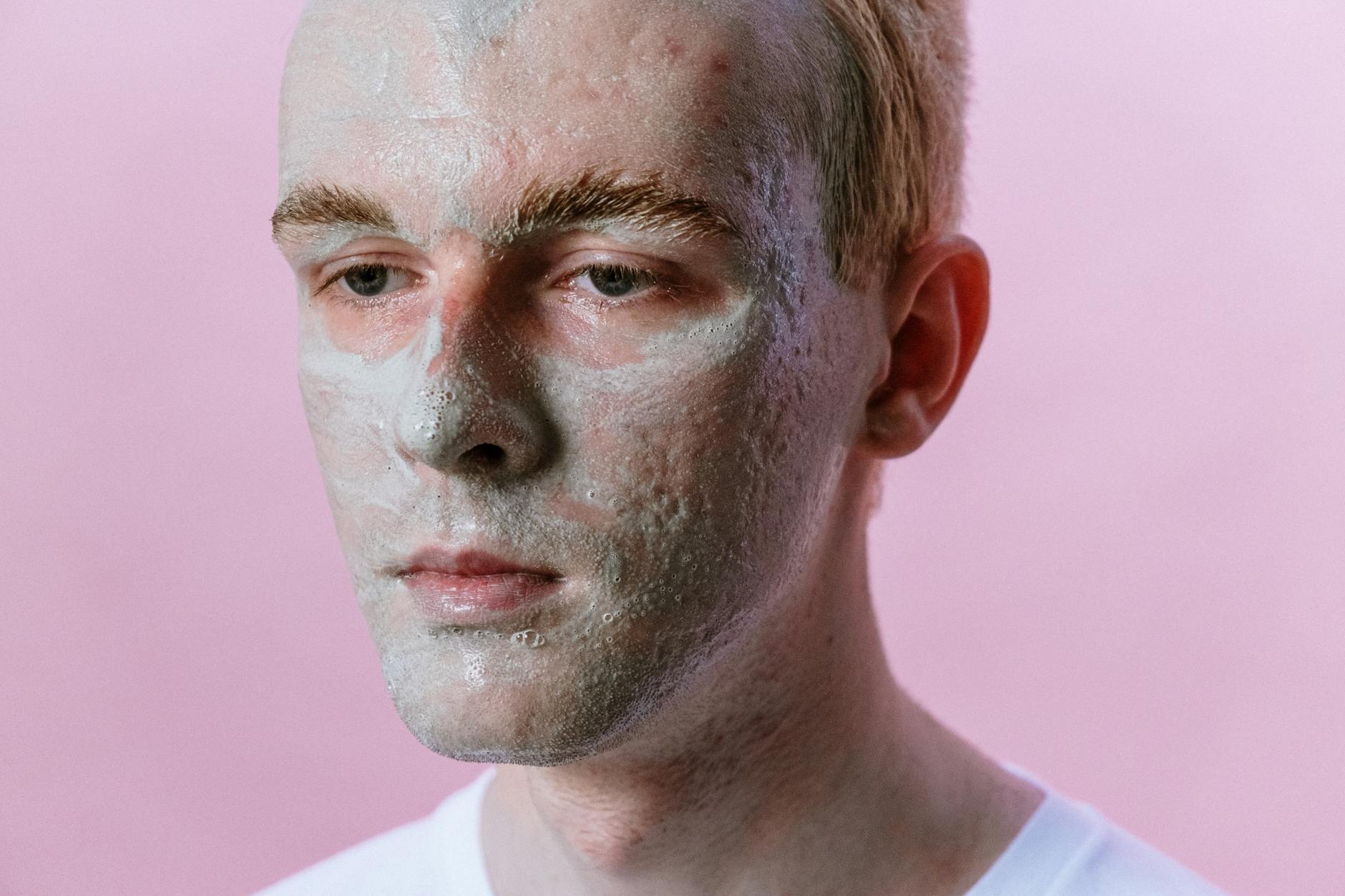
Tracking Progress: What to Actually Measure in Weeks 1-12
Most women track retinoid progress incorrectly, looking for perfection rather than trend lines. At week four, your skin should feel drier than baseline and you should see increased peeling. These are positive indicators. At week eight, the peeling should diminish and your skin should feel less irritated, even if acne hasn’t dramatically improved. At week 12, you should see reduced inflammatory response—existing pimples resolve faster, new ones are smaller or less frequent—rather than zero new breakouts.
For PCOS acne specifically, you might track how many cystic lesions appear during a specific week or month rather than expecting complete clarity. Take photos in consistent lighting at weeks zero, four, eight, and 12. When women do this, they often recognize improvement they didn’t notice in the mirror because the daily changes are subtle. You might look at week-four and week-12 photos and think “these look almost the same,” but a side-by-side comparison of week-zero and week-12 often reveals meaningful reduction in lesion count, size, and severity. This photographic evidence prevents the discouragement that comes from expecting perfection and spotting instead minor remaining breakouts.
What Happens After 12 Weeks and How to Maintain Results
The 12-week mark is not a destination—it’s a checkpoint. Most dermatologists recommend continuing your retinoid routine indefinitely because discontinuing it typically results in a gradual return to your baseline acne pattern. For PCOS acne, this means that if you stop the retinoid, you’ll likely experience increased breakouts within one to three months as sebum production increases and cell turnover slows. The good news is that after the initial 12 weeks, your skin has adapted and you’re no longer in the irritation and purging phase, so continuing the treatment is tolerable.
Around the six-month mark, many women can assess whether they need to continue the same strength or can reduce frequency or switch to a gentler formulation while maintaining results. Some women use tretinoin or adapalene consistently for years; others find that after sustained improvement, they can reduce to three or four times weekly rather than nightly. For PCOS acne management, consistency matters more than intensity. A woman who uses adapalene five times weekly indefinitely will likely maintain better results than someone who uses a stronger tretinoin occasionally.
Conclusion
The 37% of women with PCOS-related acne who haven’t been told about the 12-week timeline face an enormous disadvantage. They approach retinoid treatment with the wrong expectations, interpret normal irritation as failure, and abandon effective medications prematurely. Understanding that retinoids require 12 weeks of consistent use before meaningful improvement becomes visible is not optional information—it’s the foundation for success. This knowledge protects you from making hasty decisions during the difficult weeks two through six and keeps you on track when results feel disappointing.
If you’re starting a retinoid for PCOS acne, commit to the 12-week timeline mentally before you begin. Prepare yourself for the irritation phase by using a good moisturizer and sunscreen. Track progress through photographs rather than relying on mirror checks. If you’re already partway through a retinoid attempt and considering abandoning it, calculate where you fall in the timeline—if you’re at week six, you’re exactly where the treatment is hardest to evaluate, and quitting now means throwing away the accumulated progress of those six weeks. The women who see the best results from retinoids are those who understood the timeline beforehand and gave the treatment time to work.
Frequently Asked Questions
Can I speed up retinoid results by using it every day from the start?
No. Starting with daily use of a prescription-strength retinoid typically extends the irritation phase and doesn’t accelerate results. Most dermatologists recommend beginning at two to three times weekly and gradually increasing frequency over weeks. Daily use becomes possible after your skin adapts, usually by week six to eight.
What if I’m 10 weeks in and still seeing breakouts?
This is common, especially with PCOS acne. Continue the retinoid routine. Many women experience their best improvement between weeks 12 and 16. If you see any trend toward less severe or less frequent breakouts—even if not complete clearance—the retinoid is working.
Does hormonal birth control make retinoids work faster?
Birth control may improve results by addressing the hormonal component of PCOS acne, but it doesn’t necessarily make the retinoid work faster. You still need to allow 12 weeks for the topical effects. The combination of both treatments may produce better end results, but the timeline for the retinoid itself doesn’t change.
Is it normal to have increased breakouts in weeks two and three?
Yes. This is called retinization or purging. The retinoid accelerates cell turnover and brings existing comedones to the surface. If you see increased breakouts but they resolve faster than before, the retinoid is working as intended.
Can I use a retinoid if I’m also on spironolactone for PCOS?
Yes, this combination is common and often recommended by dermatologists. Both address PCOS acne through different mechanisms—spironolactone addresses hormonal factors, the retinoid addresses skin cell behavior. Use sunscreen daily and monitor for irritation, but this pairing is safe when used correctly.
What’s the difference between “retinization” and an allergic reaction?
Retinization causes mild to moderate redness, dryness, and peeling that improves after one to two weeks. An allergic reaction causes severe itching, burning, hives, or swelling and doesn’t improve. If you experience true allergic symptoms, discontinue and consult your dermatologist about alternative options.
You Might Also Like
- At Least 52% of People With Sensitive Acne-Prone Skin Would Benefit From Knowing That Retinoids Can Take 12 Weeks Before Showing Results
- At Least 36% of Patients Seeking Scar Treatment Have Never Been Told That Spironolactone Is Only Effective for Hormonal Acne in Women Not Men
- At Least 79% of Parents of Teens With Acne Have Never Been Told That Benzoyl Peroxide at 2.5% Is Just as Effective as 10%