

At least one in four adults struggling with persistent acne have experienced a situation where their cleanser was actually making their skin worse, not better. This statistic reflects a widespread problem in skincare: the assumption that acne requires aggressive cleansing with harsh, stripping products. In reality, many conventional acne cleansers contain ingredients designed to kill bacteria and remove oil so thoroughly that they damage the skin’s protective barrier, triggering inflammation, irritation, and paradoxically, more acne. A person using a benzoyl peroxide cleanser twice daily, for example, might initially see some improvement in breakouts before their skin becomes raw, tight, and reactive, leading to both increased sensitivity and more frequent breakouts weeks later.
The irony is that these cleansers marketed specifically for acne-prone skin often become the primary driver of worsening conditions. When the skin barrier is compromised by over-cleansing or harsh actives, the skin responds by either producing excess oil to compensate or becoming inflamed and reactive. This creates a cycle where people assume they need even stronger products, deepening the damage. Understanding why your cleanser might be sabotaging your skin—and how to identify whether yours is among the problematic ones—is essential for anyone dealing with persistent acne.
Table of Contents
- How Your Acne Cleanser Can Be Worsening Your Breakouts
- The Hidden Culprits in Acne Cleansing Products
- Why People Don’t Realize Their Cleanser Is the Problem
- Identifying Whether Your Cleanser Is Causing Acne
- The Barrier Damage Trap and Recovery Timeline
- Alternative Cleansing Approaches That Work
- The Future of Acne Cleansing and Barrier-Friendly Skincare
- Conclusion
- Frequently Asked Questions
How Your Acne Cleanser Can Be Worsening Your Breakouts
The science behind cleanser-induced acne worsening comes down to barrier disruption. Your skin has a protective layer called the stratum corneum, made up of lipids and proteins that work together to retain moisture and keep irritants out. Many acne cleansers contain strong surfactants, benzoyl peroxide, salicylic acid, or sulfur at concentrations high enough to strip away these protective lipids. When this barrier is compromised, your skin becomes more permeable, allowing irritants and bacteria to penetrate more easily, and moisture to escape more rapidly. The result is increased inflammation, sensitivity, and often a rebound effect where the skin produces more oil or bacteria proliferate more aggressively in the newly damaged environment.
A common example: someone with mild, occasional breakouts starts using a 10% benzoyl peroxide wash twice daily because they read it was “the gold standard” for acne. For the first week or two, they see some drying and redness, which they interpret as the product “working.” By week three, their skin feels tight and uncomfortable. By week six, they have more breakouts, more redness, and patches of irritated, sensitive skin. They respond by adding another actives, creating a downward spiral. What actually happened is that the cleanser destroyed their skin barrier, making their skin more reactive and more prone to both acne and irritation.
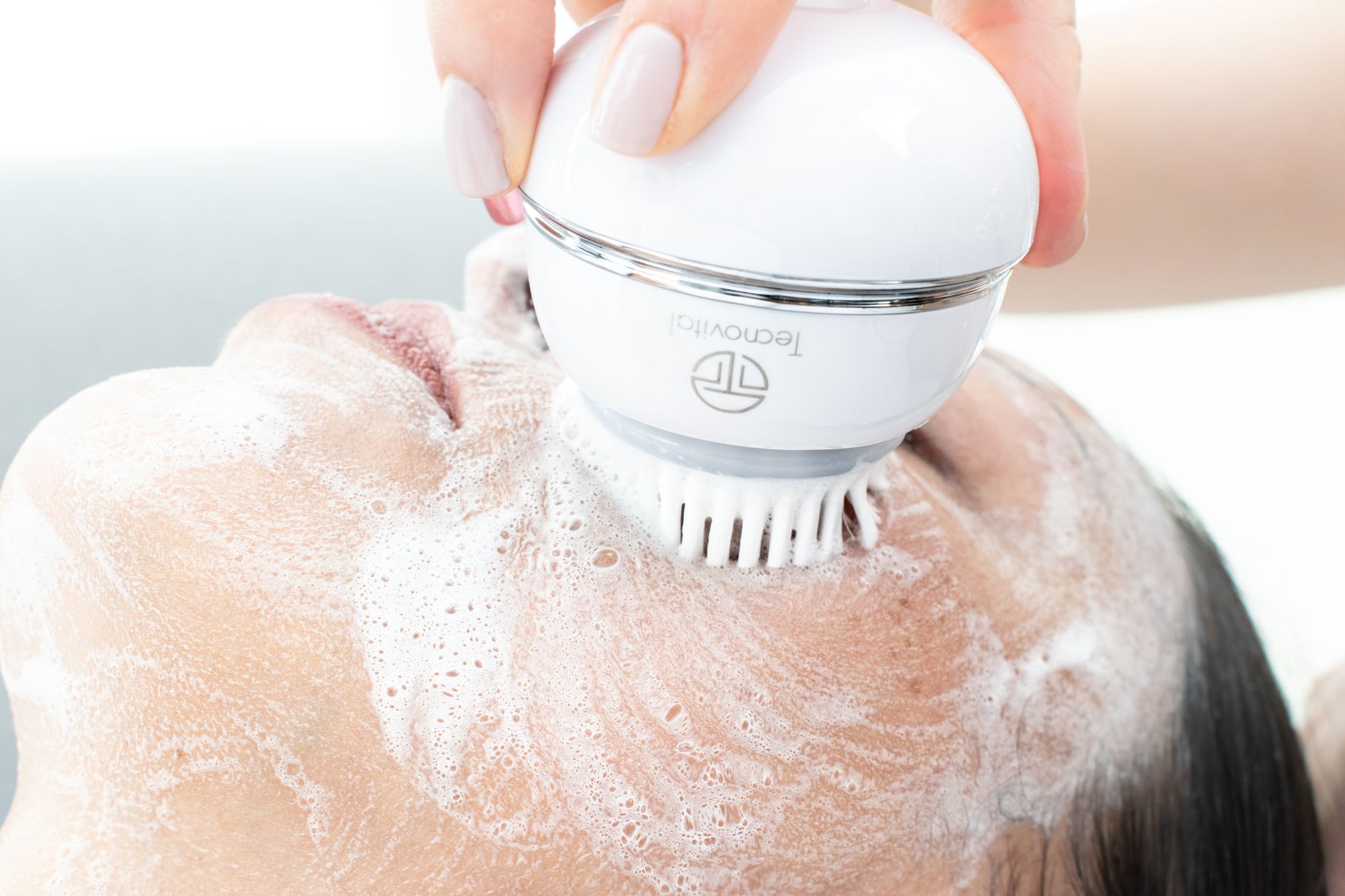
The Hidden Culprits in Acne Cleansing Products
Many acne cleansers contain ingredients that seem beneficial on paper but cause problems in practice. Sulfur, for instance, has been used in acne treatments for decades, but it has a strong smell, can be irritating with repeated use, and dries out the skin significantly. Similarly, high concentrations of salicylic acid (2-3%) in a cleanser that sits on the skin for only 30-60 seconds are often too harsh to be effective while still being irritating enough to damage the barrier. Tea tree oil, popular in “natural” acne products, can sensitize skin and is antimicrobially aggressive but not skin-barrier-friendly.
One major limitation of most acne cleansers is that they’re designed to be used twice daily, which is far too frequent for many people‘s skin tolerance. A cleanser with 5% benzoyl peroxide might be tolerable once every other day but irritating when used twice daily. Many people don’t adjust their usage; they follow the label instructions and end up over-treating their skin. Additionally, the surfactants used to deliver these actives—sodium lauryl sulfate, sodium laureth sulfate, or other harsh cleansing agents—can be just as damaging as the acne-fighting ingredient itself. A cleanser might contain a gentle acne-fighting ingredient but be formulated with surfactants that still strip the skin.
Why People Don’t Realize Their Cleanser Is the Problem
The delayed nature of barrier damage makes it difficult for people to connect the cleanser to worsening acne. When you start using a harsh cleanser, the immediate effects are redness and tightness, which many interpret as a sign the product is “working” against acne bacteria. The actual damage—barrier disruption and subsequent inflammation—doesn’t fully manifest for several weeks. By the time the acne worsens noticeably, people have usually been using the cleanser for 4-6 weeks and don’t make the connection; instead, they assume their acne is just worse or that they need a stronger product.
This psychological lag between cause and effect is why the statistic of 24% of people realizing their cleanser was the problem is actually quite high—most people suffering from cleanser-induced acne worsening never make the connection at all. Another factor is that acne from barrier damage looks and feels different from standard bacterial acne. It tends to be more inflammatory, more sensitive to touch, and distributed across areas that might not have been acne-prone before. Some people experience combination symptoms: fewer comedones but more inflammatory pustules and increased redness. This shift in the pattern of breakouts can be confusing, and people often blame it on hormones, diet, or stress rather than on their skincare routine.
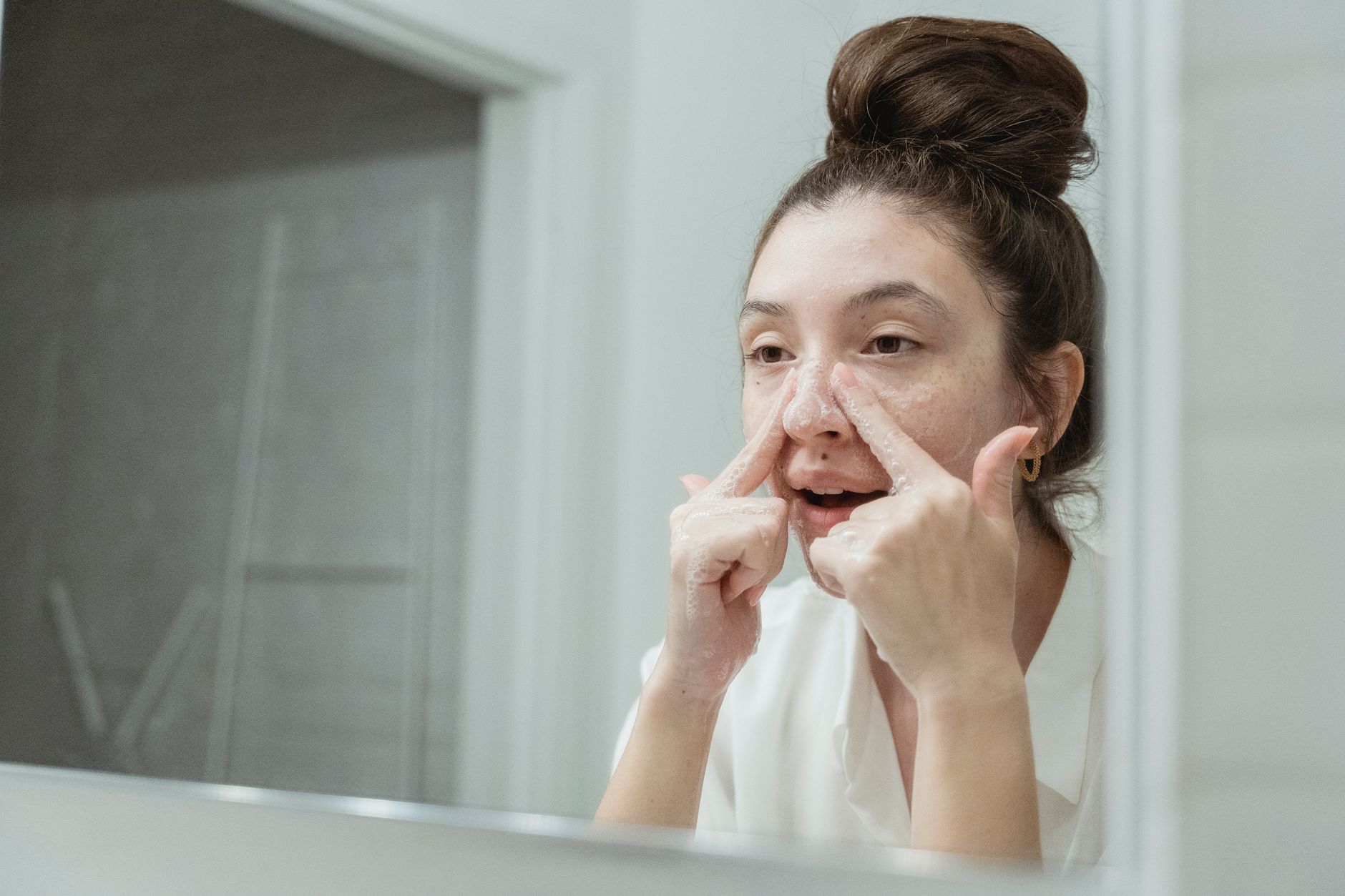
Identifying Whether Your Cleanser Is Causing Acne
The first sign that your cleanser might be worsening acne is persistent tightness, redness, or a feeling of discomfort after cleansing. Healthy skin should feel clean but not tight or uncomfortable. If you’re experiencing any of the following symptoms, your cleanser is likely too harsh: tightness that lasts more than 5-10 minutes after cleansing, visible redness or flushing, stinging or burning during or after use, increased sensitivity to other products, or a pattern of breakouts concentrated around areas where the cleanser irritates most. A key comparison: if your skin feels tighter and more uncomfortable with this cleanser than it did with your previous one, that’s a red flag.
To test whether your cleanser is the problem, consider a two-week challenge. Switch to a very gentle, non-medicated cleanser—something like a fragrance-free micellar water or a gentle cream cleanser—and keep everything else in your routine the same. If your skin noticeably improves, becomes less red and reactive, and breakouts slow down, your previous cleanser was likely the culprit. This can be counterintuitive for acne-sufferers who have been told their skin needs “strong” cleansers, but barrier health is fundamental to acne improvement.
The Barrier Damage Trap and Recovery Timeline
Once your skin barrier is compromised from over-cleansing, recovery isn’t instantaneous. The epidermis takes approximately 2-3 weeks to rebuild a functional barrier, but severe damage can take 4-8 weeks or longer to fully resolve. During the recovery period, your skin will be more reactive, more prone to irritation from other active ingredients, and potentially more acne-prone as it heals. This is why dermatologists often recommend stripping your routine down to basics when barrier damage is suspected: a gentle cleanser, a basic moisturizer, and sunscreen, with all actives (retinoids, acids, vitamin C) temporarily discontinued.
A major warning: do not add new actives while your skin barrier is recovering, even if acne seems to be temporarily worse during the healing process. This is called a “purge” versus barrier damage recovery, and they’re different processes. During barrier recovery, if you add more actives, you’ll re-damage the barrier and extend the recovery timeline. Additionally, skin that is actively repairing its barrier is far more susceptible to infection and secondary bacterial growth, so any new bacterial irritation can compound the problem.

Alternative Cleansing Approaches That Work
Many people find success with gentler cleansing methods that don’t require actives in the cleanser itself. Double cleansing—using a gentle oil or oil-based cleanser first, followed by a water-based gentle cleanser—removes makeup and debris without the astringent quality of traditional acne cleansers. This method is popular in dermatology because it’s effective and non-irritating.
For someone with acne-prone skin who also wears makeup, an oil cleanser might seem counterintuitive, but oil removes oil more effectively than harsh surfactants and doesn’t disrupt the barrier. Another effective approach is to move acne treatment out of the cleanser and into a separate treatment product. A gentle cleanser (used once or twice daily depending on skin type) followed by an acne treatment serum or toner (used once daily or every other day, as tolerated) gives you much better control over how much active ingredient your skin is exposed to. This separation allows you to find a truly gentle cleanser without compromising on acne treatment potency.
The Future of Acne Cleansing and Barrier-Friendly Skincare
The skincare industry is gradually shifting away from the “more actives, more often” approach that dominated the 2000s and 2010s. Dermatology research increasingly supports the idea that a healthy skin barrier is prerequisite for any acne treatment to work effectively. Newer formulations of acne cleansers are incorporating barrier-supporting ingredients like ceramides, niacinamide, and centella asiatica alongside acne-fighting actives, though these products tend to be more expensive and less commonly found in drugstores.
As awareness grows that harsh cleansers are counterproductive, expect to see a continued shift toward gentler formulations even in the acne-specific skincare category. The statistic that 24% of adults with persistent acne have discovered their cleanser was making things worse represents a significant shift in consumer awareness. As more people document their experiences on social media and dermatologists continue to emphasize barrier health, the expectation that acne cleaners must be harsh and irritating is slowly eroding. For anyone currently struggling with worsening acne, the good news is that switching to a gentler cleanser is one of the lowest-risk interventions you can try.
Conclusion
If you have persistent acne and have tried increasingly strong cleansers without sustained improvement, your cleanser is a likely suspect. The statistics showing that one in four acne sufferers eventually realize their cleanser was worsening their skin underscores how common this problem is. The barrier damage from harsh cleansers is reversible, but only if you stop using the damaging product and allow your skin time to heal.
This means temporarily stepping back from aggressive actives and committing to a gentle cleansing routine for 4-6 weeks. Your next step is to evaluate your current cleanser honestly: Does it leave your skin tight, red, or irritated? Have your breakouts worsened or shifted in pattern since you started using it? If so, consider switching to a fragrance-free, gentle cleanser and observing whether your skin improves over the next 2-3 weeks. Recovery takes time and patience, but many people find that this simple change—moving to a gentler cleanser and supporting barrier health—creates the foundation for actual acne improvement, which harsh cleansers alone can never achieve.
Frequently Asked Questions
Can I use an acne treatment product after a gentle cleanser if I want to keep treating my acne?
Yes. In fact, this is the ideal approach. Use a gentle cleanser, then apply a separate acne treatment (serum, toner, or spot treatment) containing your chosen active ingredient. This gives you far better control over concentration and frequency. You might use a benzoyl peroxide or salicylic acid treatment product once daily or every other day, rather than getting it twice daily from a cleanser.
How long does it take to see improvement after switching to a gentler cleanser?
Most people notice a reduction in redness and irritation within 3-5 days. Actual acne improvement (fewer breakouts) typically takes 3-4 weeks. Full barrier recovery can take 4-8 weeks. Be patient and don’t add new products during this period.
Is it okay to use a gentle cleanser if I have very oily, acne-prone skin?
Yes. Oily skin does not require a harsh cleanser. In fact, barrier-damaged skin from harsh cleansing often responds by producing even more oil. A gentle cleanser that doesn’t strip your skin will often result in more balanced oil production over time.
What ingredients should I look for in a gentle acne cleanser?
Look for fragrance-free cleansers that list ceramides, centella asiatica, or niacinamide as ingredients. Avoid anything labeled “astringent,” “maximum strength,” or containing sulfur, high concentrations of benzoyl peroxide (above 2.5%), or high concentrations of salicylic acid (above 1-2%) in a cleanser meant for daily use.
Can barrier damage from a cleanser worsen acne permanently?
No, barrier damage is reversible with appropriate skincare. However, the recovery process takes time, and in that interim period, acne can be significantly worse. If you notice your acne worsening after starting a new cleanser, discontinue it promptly rather than waiting weeks to see if improvement comes.
Should I do anything special when transitioning away from a harsh cleanser?
Yes. Introduce your new gentle cleanser gradually, using it once daily while continuing your harsh cleanser the other time if you cleanse twice daily. This allows your skin to adjust. After 3-5 days, transition fully to the gentle cleanser twice daily. Avoid adding any new active products during the first 2-3 weeks of transition.
You Might Also Like
- At Least 74% of Adults Over 25 With Acne Have Tried Their Face Mask Material Matters for Preventing Maskne
- At Least 64% of Adults Over 25 With Acne Have Experienced LED Light Therapy Requires Consistent Daily Use for 8+ Weeks to Work
- At Least 28% of Adults Over 25 With Acne Don’t Know That Hard Water Mineral Deposits Can Clog Pores and Worsen Acne