

Many people dealing with persistent skin irritation around the mouth assume they have acne. The reality is more nuanced—perioral dermatitis, a specific inflammatory skin condition, is frequently confused with acne by both consumers and dermatologists because the two conditions share similar visual characteristics but require completely different treatments. When someone with perioral dermatitis attempts to treat it using standard acne products containing exfoliants or strong active ingredients, the condition typically worsens rather than improves, leading to a frustrating cycle of failed treatments and escalating symptoms.
The confusion between perioral dermatitis and acne around the mouth is widespread enough that dermatological literature consistently identifies misdiagnosis as a significant clinical problem. Given that treating perioral dermatitis with acne protocols actively damages the skin barrier, the stakes of getting the diagnosis right are substantial. This distinction matters because the treatment paths diverge entirely—what clears acne can inflame perioral dermatitis, making patient education and accurate diagnosis critical steps in resolving mouth-area skin issues.
Table of Contents
- Do Skincare Consumers Actually Mistake Perioral Dermatitis for Acne?
- Why Perioral Dermatitis Looks Like Acne But Isn’t
- What Happens When Acne Treatments Are Applied to Perioral Dermatitis
- How to Distinguish Perioral Dermatitis From Acne Without Professional Help
- The Real Risk of Delayed Diagnosis
- Perioral Dermatitis as a Signal of Barrier Damage
- The Growing Recognition of Perioral Dermatitis in Skincare Awareness
- Conclusion
Do Skincare Consumers Actually Mistake Perioral Dermatitis for Acne?
The available evidence suggests that confusion between perioral dermatitis and acne around the mouth is common enough to warrant clinical attention. Dermatological sources consistently note that perioral dermatitis is misdiagnosed as acne regularly, though the exact percentage of consumers who hold this belief varies depending on the population studied. What’s documented is that the visual similarity between the two conditions—both present as bumps, redness, and inflammation around the mouth—creates a genuine diagnostic challenge for consumers navigating skin concerns without professional guidance.
The perioral dermatitis treatment market alone tells part of this story. Valued at USD 3.5 billion globally in 2024 and projected to reach USD 5.9 billion by 2032, this growing market reflects increasing awareness and diagnosis of the condition. Market expansion at this scale suggests that recognition of perioral dermatitis as distinct from acne has been accelerating, with consumers and providers becoming more educated about distinguishing between the two conditions.
Why Perioral Dermatitis Looks Like Acne But Isn’t
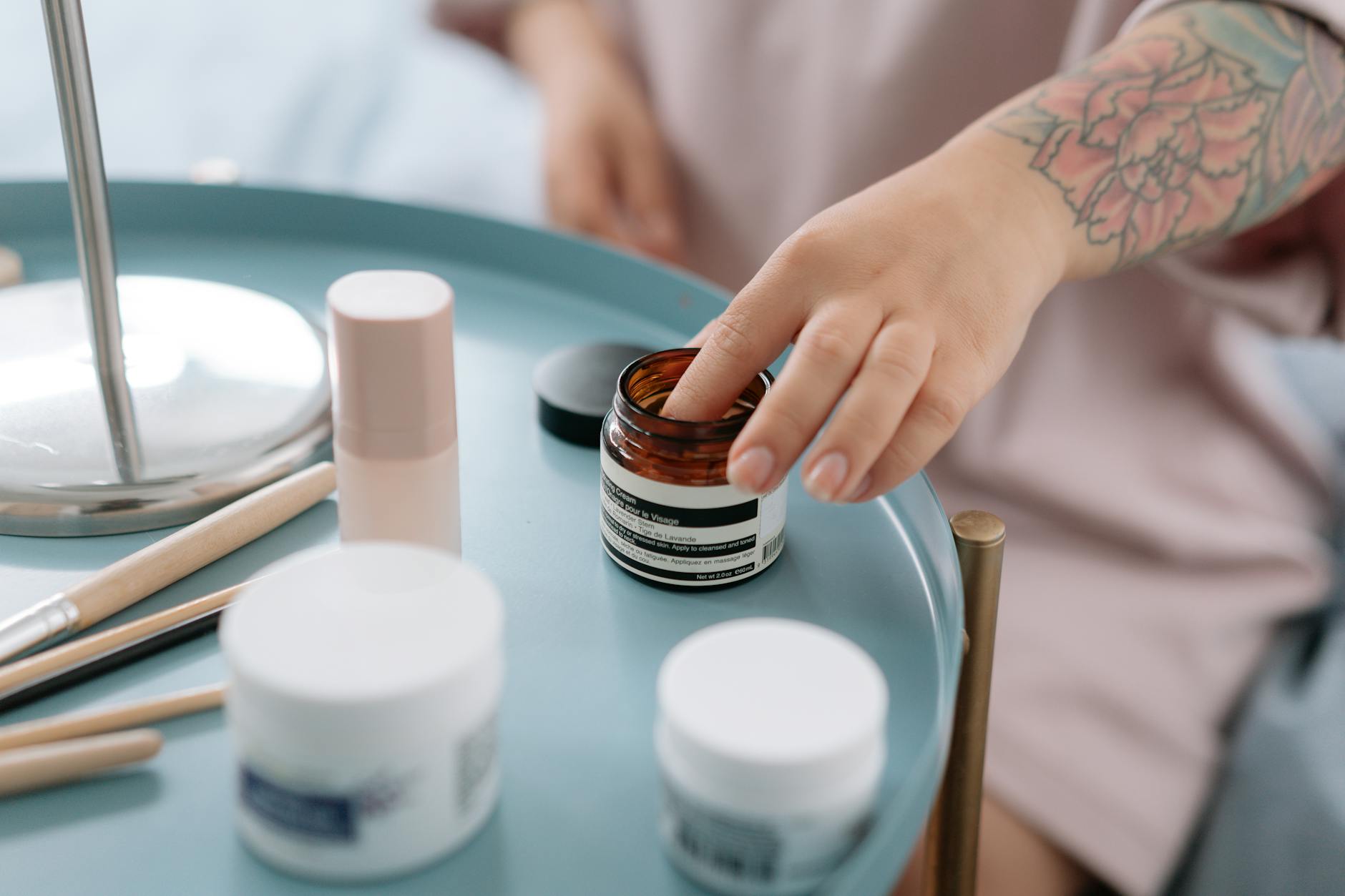
Perioral dermatitis presents as small, red, bumpy lesions clustered around the mouth, which visually mimics mild to moderate acne. However, the underlying causes are entirely different. Perioral dermatitis is an inflammatory condition triggered by factors like topical corticosteroid overuse, fluoridated toothpaste, heavy moisturizers, or even vigorous cleansing—not by bacterial colonization or oil production like acne.
This fundamental difference in etiology means that treating perioral dermatitis with benzoyl peroxide, salicylic acid, or other acne-fighting ingredients doesn’t address the root problem and often aggravates the inflammation instead. A critical limitation in self-diagnosis is that the two conditions can coexist, creating additional confusion. Someone might have both mild acne and perioral dermatitis simultaneously, which complicates both their self-assessment and even initial professional evaluation. Without a dermatologist’s examination, consumers relying on appearance alone have no reliable way to distinguish between them, making the misdiagnosis cycle self-perpetuating—people use acne products, see worsening, and assume they need stronger acne treatment rather than considering an entirely different diagnosis.
What Happens When Acne Treatments Are Applied to Perioral Dermatitis
The real-world consequence of treating perioral dermatitis with acne products is that the condition flares dramatically. Exfoliants strip the already-compromised skin barrier, active ingredients like retinoids intensify inflammation, and harsh cleansing further damages protective lipids. Patients report redness increasing, new bumps appearing, and heightened sensitivity to previously tolerated products. This worsening then commonly leads to escalation—people buy stronger acne products, try more frequent applications, or switch between multiple brands attempting to find something that works.
A specific example illustrates this pattern: someone notices bumpy, red skin around their mouth and searches “acne around mouth.” They purchase a salicylic acid cleanser and benzoyl peroxide spot treatment based on search results. After two weeks, the area is significantly more inflamed and uncomfortable. Rather than reconsidering their diagnosis, they interpret this as needing stronger products and may then try prescription-strength acne medications like tretinoin, which would worsen perioral dermatitis even further. The correct intervention at any point would have been to stop all active treatments and see a dermatologist, but the acne assumption prevents that pivotal step.

How to Distinguish Perioral Dermatitis From Acne Without Professional Help
While professional evaluation is the gold standard, consumers can look for certain characteristics that suggest perioral dermatitis rather than acne. Perioral dermatitis typically spares the lips themselves—the rash stops at the vermillion border—whereas acne can affect the lip area. Perioral dermatitis bumps are usually uniform in size and appearance, whereas acne varies more widely in lesion type (blackheads, whiteheads, large cysts). Perioral dermatitis often has a “burning” or “stinging” quality to the discomfort and may itch, whereas acne is usually either painless or tender but not characteristically burning.
The practical tradeoff is that these distinctions aren’t foolproof without professional confirmation. A rash that looks uniform and burns rather than feeling tender could still be contact dermatitis, rosacea, or other conditions entirely. The safer approach is to pause all active skincare products around the mouth and use only gentle cleansing and basic moisturizing for two weeks, then assess whether symptoms improve without treatment. If they do, perioral dermatitis becomes more likely. If they persist or worsen, professional evaluation becomes necessary regardless of initial self-assessment.
The Real Risk of Delayed Diagnosis
Delaying professional evaluation of perioral dermatitis while continuing acne treatments can result in a more severe, entrenched condition that takes longer to resolve once correctly diagnosed. Chronic inflammation damages the skin barrier progressively, potentially leading to persistent sensitivity that lingers even after the perioral dermatitis itself is treated. Some patients report lasting changes in skin reactivity months after perioral dermatitis resolves, a consequence of prolonged barrier damage.
A significant limitation is that even when perioral dermatitis is correctly identified, treatment requires strict adherence to avoidance strategies—eliminating the offending topical product or behavior—combined with gentle care. This period is typically several weeks long, during which the skin looks worse before it looks better. Patients who have spent months chasing acne treatments may lack patience for what feels like doing nothing, making treatment adherence challenging. The warning here is that perioral dermatitis cannot be rushed; any aggressive intervention will backfire.
Perioral Dermatitis as a Signal of Barrier Damage
Perioral dermatitis often indicates that the skin barrier has been compromised by overly aggressive skincare or product overuse. The mouth area is thinner and more sensitive than other facial zones, making it a sensitive indicator of barrier damage. When perioral dermatitis appears, it’s frequently a sign that the entire skincare routine needs reevaluation, not just the products used around the mouth.
Someone experiencing perioral dermatitis might also be experiencing subtle barrier issues elsewhere on the face without realizing it. This makes perioral dermatitis valuable diagnostic information—it’s the skin’s way of signaling that current practices are unsustainable. A specific example: someone using tretinoin every night and a strong vitamin C serum in the morning may have robust skin elsewhere but perioral dermatitis specifically because the mouth area couldn’t tolerate the combined drying effect. Seeing perioral dermatitis in this context means the tretinoin frequency or morning routine needs adjustment, not that perioral dermatitis itself requires medication.
The Growing Recognition of Perioral Dermatitis in Skincare Awareness
The projected growth of the perioral dermatitis market to USD 5.9 billion by 2032 reflects broader shifts in how consumers and the skincare industry approach skin conditions beyond acne. Ten years ago, perioral dermatitis was discussed primarily in dermatology circles. Today, it appears regularly in skincare education content, consumer forums, and ingredient marketing.
This increased visibility helps more people connect their symptoms to the correct diagnosis rather than defaulting to acne assumptions. This educational shift is likely to continue as skincare consumers become more sophisticated about understanding different skin conditions. The rise in perioral dermatitis awareness also correlates with growing recognition that “active ingredients” and “exfoliation” aren’t universally beneficial—a broader shift away from the maximalist skincare trend toward barrier-focused, minimal approaches. As this cultural shift continues, the proportion of consumers distinguishing between perioral dermatitis and acne will likely increase, reducing both misdiagnosis and the associated treatment damage.
Conclusion
While the specific percentage of skincare consumers who believe acne around the mouth is actually perioral dermatitis remains unclear, the documented reality is that confusion between these two conditions is common and clinically significant. Perioral dermatitis is frequently misdiagnosed as acne, leading consumers to apply acne treatments that predictably worsen the condition.
The growing market for perioral dermatitis treatments and increasing clinical recognition of the condition suggest that awareness is expanding, but consumer education still lags behind the actual prevalence of misdiagnosis. If you’re dealing with persistent redness, bumps, or irritation specifically around the mouth, the most valuable step is to pause all active skincare products in that area and consult a dermatologist before assuming acne protocol. The stakes of diagnosis are high—correct identification determines whether treatment will help or harm—and professional evaluation removes guesswork from a decision with real consequences for your skin’s barrier health and recovery timeline.
You Might Also Like
- At Least 17% of Skincare Consumers Have Tried Physical Scrubs on Inflamed Acne Spread Bacteria and Cause Scarring
- At Least 65% of Night Shift Workers With Acne Say That Over-Washing Strips the Skin Barrier and Worsens Breakouts
- At Least 28% of Acne Patients Don’t Realize That Fabric Softener Residue on Pillowcases Can Irritate Acne-Prone Skin