
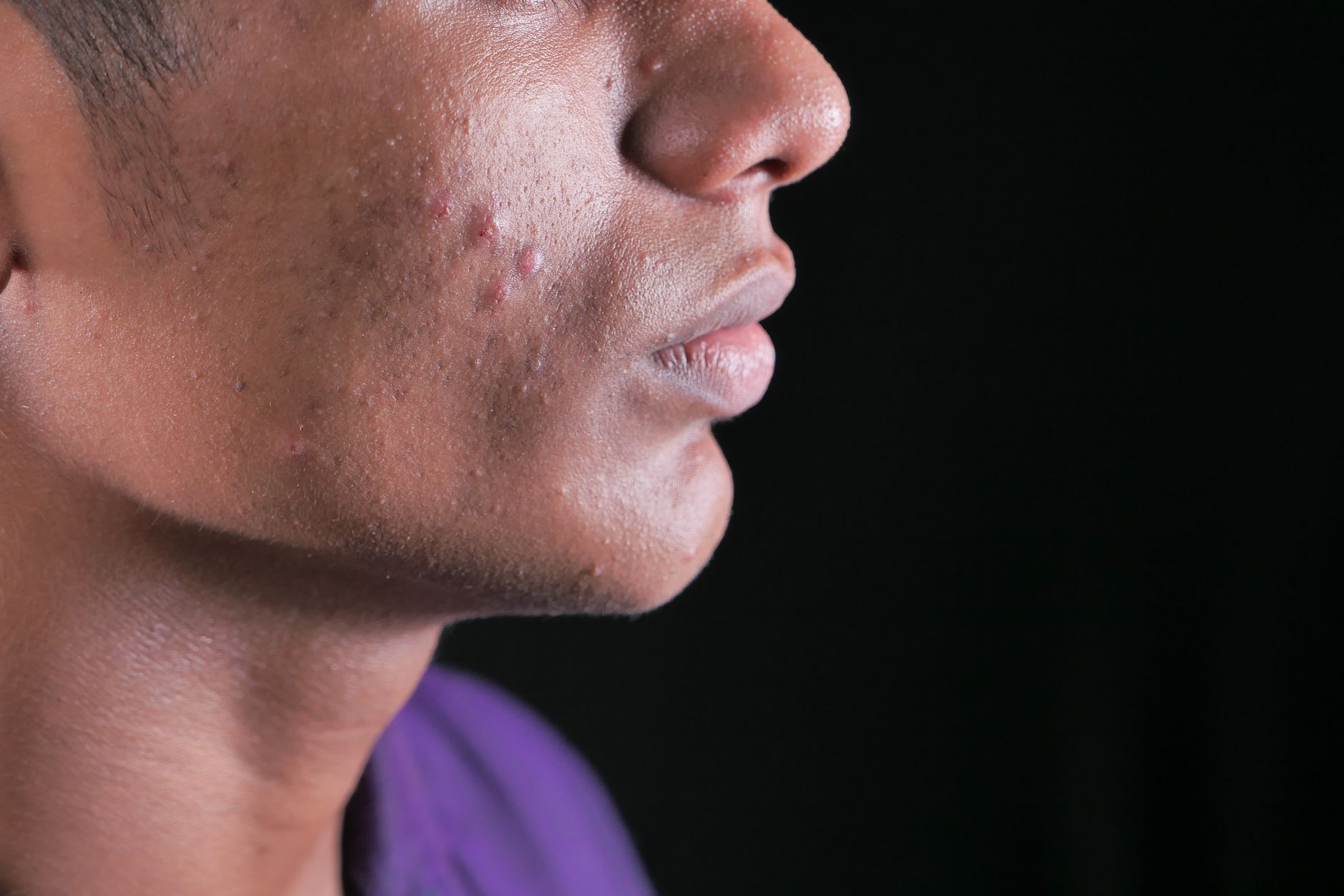
Heat and humidity don’t create acne, but they dramatically accelerate the conditions that trigger breakouts. When temperatures rise and moisture saturates the air, your skin’s oil production increases, sweat glands work overtime, and bacteria thrive in the warm, damp environment created on your face. A person who manages clear skin during winter may develop noticeably worse acne by mid-July simply because their skin’s oil and sweat output can triple in summer heat, while the bacteria on their skin multiply faster in warm conditions.
The mechanism is straightforward: higher temperatures expand your pores and increase sebaceous gland activity as your body attempts thermoregulation. Simultaneously, humidity prevents sweat from evaporating efficiently, trapping moisture and oil on the skin’s surface. For anyone prone to acne, this combination often results in more frequent breakouts, longer healing times, and deeper inflammation than what they experience in cooler months.
Table of Contents
- Why Does Heat and Humidity Make Acne Worse?
- Sweat, Oil, and Bacteria: The Summer Acne Trifecta
- How Humidity Prevents Skin From Clearing
- Summer Skincare Adjustments for Acne-Prone Skin
- Common Summer Acne Mistakes to Avoid
- Non-Acne Skin Conditions That Worsen in Summer Heat
- When Summer Breakouts Signal Underlying Problems
- Frequently Asked Questions
Why Does Heat and Humidity Make Acne Worse?
Your skin naturally produces sebum year-round, but production accelerates in heat. Studies show that sebum production can increase 10-30% for every 10-degree Celsius rise in temperature. This isn’t cosmetic—extra oil on the skin creates more substrate for the bacteria Cutibacterium acnes (formerly Propionibacterium acnes) to feed on and reproduce. In humid conditions, this excess oil sits on the skin longer because sweat cannot evaporate.
On a dry day, perspiration pulls some oil away; on a humid day, sweat pools and mixes with oil, creating an occlusive layer that traps bacteria inside pores. Additionally, heat dilates blood vessels and sweat ducts, which can irritate existing acne and make inflammation more visible. Someone with mild comedonal acne might see it transform into inflammatory pustules within days of a heat wave. The warmth also increases skin turnover rate, which sounds beneficial but can actually cause more dead skin cells to accumulate faster and clog pores before they fully shed.
Sweat, Oil, and Bacteria: The Summer Acne Trifecta
Sweat itself is not inherently acnegenic—it’s mostly salt and water. The problem arises when sweat mixes with sebum, dead skin cells, and bacteria already present on the skin. This combination creates an ideal breeding ground for C. acnes, which metabolizes sebum and produces inflammatory byproducts.
On a 95-degree day with 85% humidity, a person can sweat liters daily, and if that sweat remains on the skin—trapped under clothing, sunscreen, or makeup—the bacterial count on affected areas can increase substantially within hours. One critical limitation of this mechanism: not everyone with acne-prone skin will experience significantly worse breakouts in summer. People with oily skin and high sebum production typically see the most dramatic worsening, while those with dry or combination skin may see minimal change. However, even people who don’t normally break out may develop acne during a heat wave due to the combination of increased sweat, friction from clothing, and environmental humidity. This is why summer acne sometimes appears in unexpected areas like the chest, upper back, or anywhere clothing creates friction and traps sweat.
How Humidity Prevents Skin From Clearing
Humidity directly interferes with the skin’s natural ability to self-regulate. In dry climates, sweat evaporates quickly, helping to cool the skin and remove oil from the surface. In humid environments, this evaporation process slows dramatically or stops entirely, leaving sweat and sebum sitting on the skin. This prolonged moisture exposure softens the skin barrier and creates an environment where bacteria can survive longer outside the pore.
Additionally, high humidity can impair the skin’s pH balance. The skin normally maintains a slightly acidic pH (around 4.5-5.5) that helps inhibit bacterial growth. When sweat and environmental moisture alter this pH, the skin becomes more susceptible to bacterial colonization and inflammation. For someone already treating acne with benzoyl peroxide or salicylic acid, humidity can reduce the effectiveness of these treatments because the active ingredients work best on dry skin; excess moisture dilutes them and prevents adequate contact with bacteria and dead skin cells.
Summer Skincare Adjustments for Acne-Prone Skin
The standard winter acne routine often fails in summer because it doesn’t account for increased oil and sweat production. Many people use richer moisturizers in winter that become counterproductive in summer heat. Switching to a lightweight, non-comedogenic moisturizer or even skipping moisturizer entirely (if your skin tolerates it) can prevent additional occlusion. Similarly, sunscreen choice matters significantly—mineral sunscreens with zinc oxide can feel heavy and pore-clogging in heat, while chemical sunscreens may be less irritating, though they carry different tradeoffs around filter stability in high temperatures.
Cleansing frequency and method also need adjustment. In winter, once or twice daily cleansing may suffice; in summer, a gentle cleanse after sweating, exercise, or prolonged heat exposure becomes necessary. However, over-washing with harsh cleansers strips the skin and triggers compensatory oil production, worsening acne. The practical balance is a gentle cleanser morning and evening, plus a quick rinse or gentle wipe after heavy sweating. Benzoyl peroxide remains one of the most effective summer acne treatments because it works via oxidation rather than relying on pH or skin hydration, making it effective even in humid conditions.
Common Summer Acne Mistakes to Avoid
Many people worsen their summer acne by increasing acne treatment intensity without adjusting their routine. Using stronger concentrations of salicylic acid, benzoyl peroxide, or retinoids in summer can over-dry and irritate skin that’s already inflamed from heat and humidity. The skin becomes compromised and more susceptible to sensitivity and barrier damage. This often manifests as excessive redness, peeling, and paradoxically, more acne because the irritated barrier cannot function properly. Another frequent mistake is avoiding all moisturizer in an attempt to “dry out” acne.
This backfires because dehydrated skin triggers increased sebum production as the skin attempts to compensate. In summer, hydration and moisture are essential—the goal is hydration without occlusion. Using a hydrating serum or lightweight gel moisturizer provides necessary water and humectants without heavy oils or occlusives. A final warning: sunscreen avoidance to prevent acne is tempting but dangerous. UV damage worsens acne scars and triggers post-inflammatory hyperpigmentation, especially in darker skin tones. The correct approach is finding a non-comedogenic sunscreen suitable for your skin type, not skipping sun protection entirely.
Non-Acne Skin Conditions That Worsen in Summer Heat
Heat and humidity exacerbate conditions that resemble acne but require different treatment. Heat rash (miliaria) appears as small red or white bumps in areas where sweat gets trapped, typically under breasts, in skin folds, or under tight clothing. This is not acne and responds poorly to acne treatment; it requires cooling, loose clothing, and moisture-wicking fabrics.
Similarly, folliculitis (bacterial or fungal infection of hair follicles) increases in summer due to sweat, chlorine, and shaving, producing pustules that look like acne but require antibacterial or antifungal treatment rather than standard acne protocols. Rosacea and seborrheic dermatitis also typically worsen with heat, humidity, and sweating. Someone might mistakenly attribute increased redness and irritation to acne worsening when the underlying issue is rosacea flaring due to temperature changes. This distinction matters because acne treatments can irritate rosacea-prone skin, making the condition worse rather than better.
When Summer Breakouts Signal Underlying Problems
If your acne dramatically worsens in summer despite consistent treatment and good hygiene, it may indicate that heat and humidity are exceeding your skin’s capacity to manage. This doesn’t mean treatment is failing—it means the environmental stress is significant enough to require additional intervention. For some people, this is the signal to start or increase a systemic treatment like oral antibiotics, hormonal contraceptives (if applicable), or isotretinoin rather than rely solely on topical treatments.
Additionally, sudden severe summer acne in areas that normally remain clear—such as the upper back, shoulders, or chest—often indicates sweat-trapping from clothing friction combined with increased bacterial load from heat. This type of acne typically improves with breathable, moisture-wicking clothing and may not improve with facial acne treatments because the root cause is environmental rather than sebaceous gland dysfunction. If summer acne persists despite treatment adjustments and skincare modifications over 4-6 weeks, consultation with a dermatologist is warranted to rule out other underlying conditions or to adjust treatment intensity.
Frequently Asked Questions
Will my summer acne automatically clear up in fall?
Usually yes, but not always immediately. As temperatures drop and humidity decreases, sebum production normalizes and sweat evaporation improves, often reducing acne within 2-4 weeks. However, acne scars and post-inflammatory hyperpigmentation from summer breakouts can persist for months. Additionally, some people develop autumn acne from increased stress, schedule changes, or seasonal allergens.
Can I use the same acne treatment year-round?
In most cases yes, but concentration and formulation matter. A treatment tolerable in winter might cause excessive irritation in summer heat. If your skin becomes irritated or reactive in summer, reduce treatment frequency or concentration rather than stopping entirely. Adjusting other aspects of your routine—moisturizer weight, cleansing frequency, sunscreen choice—often allows continued use of the same active treatment.
Is it better to skip moisturizer in summer if I have acne?
No. Skipping moisturizer entirely often worsens acne by triggering compensatory oil production. Instead, switch to a lightweight, water-based, or hydrating gel moisturizer designed for oily or acne-prone skin. Hydration and occlusion are different—you need hydration but not heavy occlusive oils or butters.
Does chlorine in pools and hot tubs make acne worse?
Yes. Chlorine dries and irritates skin, while the warm water in hot tubs promotes bacterial growth and sweat production. Rinse immediately after exposure and shower with fresh water to remove chlorine. If you swim frequently and have acne, consider treating it preventatively by showering before and after water activities to reduce sweat accumulation and chlorine contact time.
Will increasing acne treatment in summer clear breakouts faster?
Not necessarily. Increasing treatment intensity in already heat-stressed skin can cause over-irritation, barrier damage, and rebound inflammation, actually worsening acne. Instead, ensure treatment consistency, adjust supporting routine elements (moisturizer, sunscreen, cleansing frequency), and give treatments 4-6 weeks before increasing strength.