
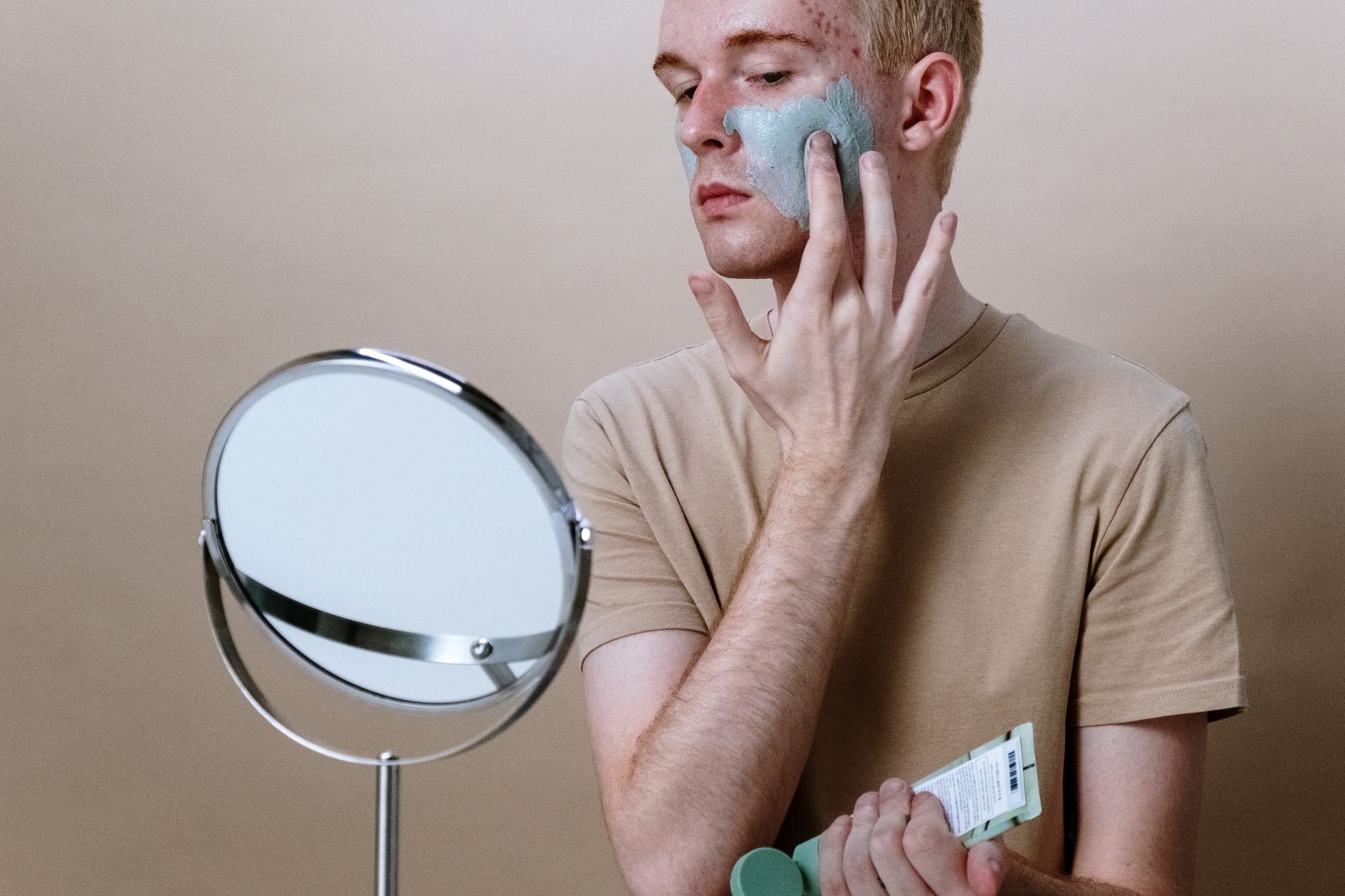
Yes, effective acne treatment can be genuinely affordable. Benzoyl peroxide and adapalene—two of dermatology’s most trusted active ingredients—are available at prices that won’t strain a typical budget. A person dealing with moderate acne can treat it for $35 to $50 per month by combining these products with generic antibiotics through discount programs, compared to specialty treatments that cost several times that amount.
The two-product foundation of this approach has been proven effective by years of clinical use and patient outcomes. The reason acne treatment has become accessible isn’t because newer formulations work better, but because generic versions of proven ingredients are now widely available. Whether you choose brand-name products like Differin or store-brand alternatives, the active ingredient—adapalene or benzoyl peroxide—performs identically. The price variation you see on pharmacy shelves usually reflects packaging, marketing, and distribution costs rather than any difference in how the medication will clear your skin.
Table of Contents
- What Are the Two Most Affordable Products That Actually Resolve Acne?
- How Effective Are These Affordable Options Compared to Expensive Alternatives?
- Understanding Generic and Brand-Name Acne Medication Pricing
- Building a Complete Affordable Acne Treatment Regimen
- Potential Drawbacks and Limitations of Budget Acne Treatments
- Prescription Alternatives When OTC Options Aren’t Enough
- How to Access Affordable Medications and Maximize Discounts
What Are the Two Most Affordable Products That Actually Resolve Acne?
Benzoyl peroxide and adapalene form the backbone of affordable acne treatment. Benzoyl peroxide, available in 5% concentration, costs an average of $13.63 for a 237ml bottle at retail prices, but this drops to $11.94 with a GoodRx coupon—a 12.4% discount that matters for people managing ongoing treatment costs. Adapalene 0.1% gel, sold over-the-counter under the Differin brand or as generics, ranges from $10.75 to $16 for a 45-gram tube using GoodRx pricing as of May 2026. Both are first-line treatments recommended by dermatologists, and both are available without a prescription.
The reason these two ingredients have become the foundation of budget acne regimens is their complementary action. Benzoyl peroxide kills the bacteria that cause acne inflammation and prevents antibiotic resistance when used alongside oral antibiotics. Adapalene, a retinoid, normalizes skin cell turnover and reduces the formation of comedones—the clogged pores that develop into pimples. Used together, they address acne through different mechanisms, which is why dermatologists often recommend both even when prescribing additional medications.
How Effective Are These Affordable Options Compared to Expensive Alternatives?
Salicylic acid and benzoyl peroxide show equal effectiveness regardless of which brand you purchase, according to comparative analysis by dermatology sources. This means a $5 generic benzoyl peroxide wash performs the same work as a $30 branded version. The active ingredient concentration is what matters—not the packaging, not the price tag, and not the marketing claims. A person using a generic 5% benzoyl peroxide product will see the same results as someone using a premium brand because the active ingredient is identical.
However, there’s an important limitation: not everyone responds equally to the same treatment. Some people’s acne stems from hormonal factors, which benzoyl peroxide and adapalene alone may not fully address. Additionally, results take time—typically four to eight weeks before meaningful improvement appears. Someone expecting overnight results will be disappointed whether they spend $15 or $150 on a product. Generic options work well for inflammatory acne and comedonal acne, but cystic acne or severe nodular acne may require prescription-strength treatments or oral medications that no over-the-counter product can replace.
Understanding Generic and Brand-Name Acne Medication Pricing
Generic benzoyl peroxide products range from $5 to $15 over-the-counter at most pharmacies, while brand-name versions climb to $10 to $56 depending on formulation, packaging size, and retailer. This two-to-ten-fold price difference exists in a market where the active ingredient is identical and often manufactured by the same companies. A $7 store-brand benzoyl peroxide wash contains the same 5% benzoyl peroxide as a $35 targeted acne treatment; the difference is in marketing positioning and packaging.
The markup for branded products reflects real costs—better packaging materials, more extensive advertising, and retailer margins—but it doesn’t reflect better acne-fighting performance. For someone on a tight budget managing acne over months or years, the cumulative savings from choosing generics become significant. Spending $10 per month on generic benzoyl peroxide instead of $40 on a premium brand saves $360 annually while delivering the same active ingredient. This is why GoodRx coupons and prescription generics have become particularly valuable to people prioritizing cost without sacrificing efficacy.
Building a Complete Affordable Acne Treatment Regimen
A typical affordable combination regimen costs $35 to $50 per month: adapalene at $10.75, over-the-counter benzoyl peroxide at roughly $10, and generic doxycycline (an antibiotic) at around $25 using GoodRx generic pricing as of May 2026. This three-component approach—a retinoid, a bacterial inhibitor, and an oral antibiotic—represents what many dermatologists consider the standard first-line treatment for moderate acne. Building this regimen requires coordination: the adapalene is applied at night, benzoyl peroxide in the morning, and doxycycline taken orally once or twice daily as prescribed.
The tradeoff between starting with a simpler two-product regimen versus a three-product approach depends on acne severity and individual skin response. Someone with mild inflammatory acne might clear completely using just adapalene and benzoyl peroxide, saving the $25 doxycycline cost. Someone with moderate to severe acne will almost certainly need the antibiotic component to see meaningful results within six to eight weeks. The important detail is that all three components are available generically, making a full dermatology-grade regimen financially accessible even without insurance.
Potential Drawbacks and Limitations of Budget Acne Treatments
Benzoyl peroxide causes dryness and peeling in nearly everyone who uses it, particularly at the 5% concentration available over-the-counter. This isn’t a sign that the product isn’t working—it’s a sign that it is. However, the dryness can be severe enough to cause redness, flaking, and irritation that makes skin look worse before it looks better. Someone starting benzoyl peroxide without understanding this two-to-four-week adjustment period may abandon an otherwise effective treatment prematurely. The solution involves starting with a lower frequency (every other day rather than daily) and using a fragrance-free moisturizer, but these additional products add cost and complexity.
Adapalene similarly causes an adjustment period with increased sensitivity, mild peeling, and temporary worsening of acne—a phenomenon called “retinization” that typically lasts two to four weeks. Additionally, both adapalene and benzoyl peroxide increase sun sensitivity, requiring consistent daily sunscreen use during treatment. Someone living in a region with intense sun or spending significant time outdoors without protection risks severe sun damage while using these products, which limits their practical viability for some individuals. These aren’t failures of budget-friendly options specifically; prescription-strength retinoids like tretinoin produce identical side effects. The limitation is inherent to the mechanism of action, not the price.
Prescription Alternatives When OTC Options Aren’t Enough
Generic tretinoin, a prescription-strength retinoid, costs $29 to $102 via GoodRx depending on concentration and formulation as of May 2026. Generic spironolactone, a hormonal treatment sometimes prescribed for acne driven by excess androgens, costs less than $10 per month in generic form. These prescription alternatives exist specifically for acne that doesn’t respond to over-the-counter benzoyl peroxide and adapalene alone.
Someone with moderate to severe acne, particularly cystic acne or acne resistant to initial treatment attempts, will likely need a dermatologist visit to explore these options—but cost shouldn’t be the barrier preventing that conversation. Telehealth treatment access has become a cost-effective pathway to prescription acne medications. A typical telehealth visit plus generic medications through GoodRx costs $59 to $90 total as of May 2026, making professional guidance on prescription options financially comparable to buying premium over-the-counter brands. This represents a significant change in acne treatment economics: someone without insurance or with a high deductible can often access a doctor’s evaluation and prescription medication more cheaply than they could buy name-brand skincare products at a department store.
How to Access Affordable Medications and Maximize Discounts
GoodRx coupons function as the primary discount mechanism for reducing acne medication costs below standard pharmacy prices. A benzoyl peroxide 5% product averaging $13.63 at full retail drops to $11.94 with a GoodRx coupon—a modest but real savings that compounds monthly. The discount varies slightly by location and pharmacy, so checking GoodRx’s comparison before purchasing makes sense. Using a GoodRx coupon requires no membership, no insurance, and no special eligibility; anyone can text a prescription to their pharmacy or present the coupon code at checkout.
For prescription medications, the savings become more dramatic. Generic doxycycline, tretinoin, and spironolactone all show significant price reductions through GoodRx versus paying cash at standard retail prices. A person starting a three-component regimen (adapalene, benzoyl peroxide, and doxycycline) should use GoodRx for the prescription components and price-check between store-brand and GoodRx-discounted options for the over-the-counter benzoyl peroxide. This layered approach—combining over-the-counter products with prescription generics and discount programs—is how dermatology-grade acne treatment becomes affordable at $35 to $50 monthly rather than the $150 to $300 that dermatologist office visits and branded products would cost.