
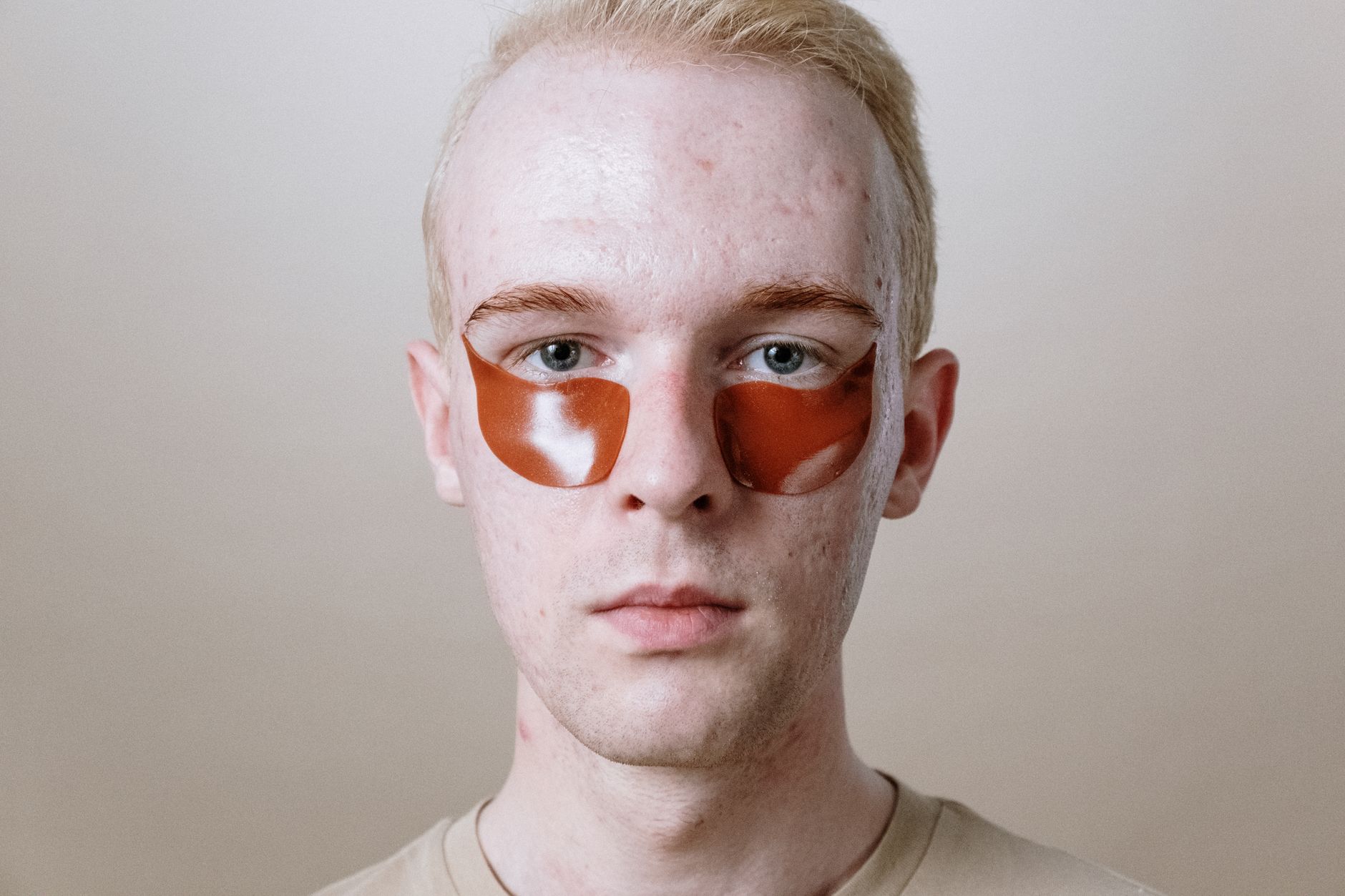
The best acne products for 2026 combine proven active ingredients with innovative delivery systems that address both inflammation and bacterial growth. Editor-approved treatments now span multiple categories—from targeted serums with probiotic technology like the SIV Biome Balancing Serum to established solutions like La Roche-Posay’s Effaclar line that remain dermatologist staples. The shift toward ingredient transparency means consumers can now identify exactly what concentration of salicylic acid, benzoyl peroxide, or azelaic acid they’re purchasing, rather than trusting marketing claims alone. What makes 2026’s acne landscape different from previous years is the emphasis on combination formulas and adaptive skincare.
Rather than relying on a single product, dermatologists increasingly recommend layering complementary ingredients—pairing a gentle cleanser with benzoyl peroxide, a serum containing azelaic acid or hypochlorous acid, and targeted treatments for active breakouts. The most effective regimens also acknowledge that acne severity varies by individual and often requires experimentation to find the right fit. This year’s standout products reflect what editors and dermatologists actually recommend when breakouts occur, not just what sells the most units. Some treatments work best for hormonal acne, others excel at preventing new lesions, and several address the scarring and inflammation that follow active breakouts.
Table of Contents
- What Active Ingredients Are Dermatologists Recommending Most in 2026?
- Innovation in Delivery: Why Formulation Matters as Much as Ingredients
- Targeted Solutions for Different Acne Types
- Building a Treatment Routine: Layering vs. Simplicity
- The Irritation Problem and When to Scale Back
- Probiotic and Microbiome-Based Approaches
- Ingredient Concentrations and What “Prescription-Strength” Actually Means
What Active Ingredients Are Dermatologists Recommending Most in 2026?
Salicylic acid remains the foundation of most acne regimens, backed by decades of clinical evidence showing its ability to penetrate pores and dissolve the keratin buildup that creates comedones. Search trends confirm this: salicylic acid cleanser searches increased 83% as consumers specifically seek this ingredient rather than generic acne washes. The La Roche-Posay Effaclar A.Z.
Gel combines 1.2% salicylic acid with azelaic acid, a less-discussed but increasingly valued ingredient that reduces both bacterial overgrowth and the post-inflammatory redness many acne sufferers experience. Beyond salicylic acid, benzoyl peroxide at concentrations of 4–5% has emerged as critical for bacterial control without the irritation associated with higher strengths. The La Roche-Posay Effaclar Dual Action Acne Wash delivers 4% benzoyl peroxide in a cleanser format, allowing twice-daily application without excessive dryness. Niacinamide, glycolic acid, and hypochlorous acid round out the evidence-backed ingredient list, each addressing different aspects of acne—inflammation, cellular turnover, and bacterial load respectively.
Innovation in Delivery: Why Formulation Matters as Much as Ingredients
Even the most effective ingredient fails if it irritates the skin barrier or doesn’t reach the lesion. This is where 2026’s product innovations shine. The Mighty Shield liquid pimple patch converts from liquid application to patch form within one minute, creating an occlusive environment that maintains ingredient contact while protecting against picking and further contamination—a practical advantage over traditional liquid spot treatments that dry and crack throughout the day. Spot treatment masks, such as formulations combining 5% benzoyl peroxide with panthenol, glycolic acid, and kaolin clay, represent another shift toward multi-action products.
The tradeoff: these intensive treatments typically cannot be worn during the day without visible residue, limiting their application to evening routines. Users also need to balance the exfoliating glycolic acid with the benzoyl peroxide; combining these daily risks irritation, particularly for sensitive skin types. The SIV Biome Balancing Serum introduces probiotic technology to acne treatment, targeting the skin microbiome rather than solely attacking bacteria. This represents a meaningful departure from traditional acne treatment philosophy, though dermatological evidence for probiotic efficacy remains more limited than for salicylic or benzoyl peroxide approaches. It works best as a complementary treatment rather than a standalone replacement for proven actives.
Targeted Solutions for Different Acne Types
Inflammatory acne—the red, painful nodules that don’t come to a head—responds best to treatments emphasizing azelaic acid and hypochlorous acid, which reduce the immune response driving inflammation. Comedonal acne, by contrast, requires consistent exfoliation with salicylic acid or glycolic acid to prevent pore blockage. Hormonal acne, often concentrated along the jaw and chin, benefits from consistent use of benzoyl peroxide and niacinamide to manage both the breakout itself and the sebum production hormones trigger.
The La Roche-Posay Effaclar Dual Action Acne Wash works across acne types because benzoyl peroxide addresses bacteria while the cleanser base removes excess sebum without aggressive stripping. However, individuals with hormonal acne often find that topical treatments alone provide incomplete control; they may require complementary oral treatment or hormonal adjustment. This limitation is critical—marketing acne products as cure-alls overlooks the biological drivers behind certain acne presentations.
Building a Treatment Routine: Layering vs. Simplicity
A comprehensive acne regimen typically includes a cleanser, an active treatment serum or gel, and a targeted spot treatment for active lesions. The Mighty Shield liquid pimple patch fills the spot treatment role; the SIV Biome Balancing Serum addresses inflammation and microbiome balance; and either La Roche-Posay Effaclar wash or a salicylic acid cleanser handles daily cleansing. This three-step approach allows each product to serve a specific function without overwhelming the skin barrier.
The simplicity-versus-complexity tradeoff matters: minimalist routines reduce the chance of irritation and allow users to pinpoint which product causes sensitivity. Adding multiple actives simultaneously makes troubleshooting impossible—if irritation occurs, you cannot identify the culprit. For beginners, starting with a single exfoliating active (salicylic or glycolic acid) plus benzoyl peroxide spot treatments prevents overtreatment while still addressing both bacterial and comedonal acne. More severe acne may justify adding a serum with azelaic acid or niacinamide once skin tolerance is established.
The Irritation Problem and When to Scale Back
Even editor-approved products can cause dryness, flaking, or sensitization if concentration is too high or frequency too aggressive. The spot treatment mask combining 5% benzoyl peroxide with glycolic acid is potent—using it daily risks compromising the barrier, leading to reactive oiliness and increased sensitivity to other actives. Many dermatologists recommend limiting such intensive treatments to 2–3 times weekly.
Benzoyl peroxide also carries a lesser-known limitation: it can bleach fabrics and hair, making evening application safer than morning use. Additionally, some individuals develop resistance to benzoyl peroxide with extended use, experiencing reduced efficacy after months of consistent application. Rotating between benzoyl peroxide and sulfur-based treatments, or cycling between salicylic acid and azelaic acid, can help maintain effectiveness. Users should also expect an initial purge period lasting 1–2 weeks when beginning acne treatment; increased breakout activity does not necessarily indicate an unsuitable product.
Probiotic and Microbiome-Based Approaches
The SIV Biome Balancing Serum represents a growing category of microbiome-focused acne products. Rather than indiscriminately killing all bacteria, these formulations support beneficial skin flora while reducing pathogenic strains. The advantage lies in reducing the risk of resistant bacteria developing, a real concern with decades of benzoyl peroxide use.
The limitation is clinical evidence—dermatologists largely view probiotic approaches as complementary rather than standalone treatments for active acne. Individuals with compromised skin barriers or extreme sensitivity to chemical actives may find probiotic serums reduce inflammation with fewer side effects. However, someone with moderate-to-severe inflammatory acne needs faster-acting treatments like benzoyl peroxide or azelaic acid, which deliver results within days. Probiotic approaches typically require 4–8 weeks to show meaningful results.
Ingredient Concentrations and What “Prescription-Strength” Actually Means
Editors and dermatologists consistently recommend 1–2% salicylic acid concentrations for daily use and 5–10% for occasional intensive masks. The La Roche-Posay Effaclar A.Z. Gel delivers 1.2% salicylic acid, positioning it as a gentle daily treatment rather than a hard-hitting exfoliant.
Over-the-counter benzoyl peroxide maxes out at 10%, while prescription retinoids like tretinoin or adapalene remain among the most evidence-backed acne treatments available—but they fall outside the scope of over-the-counter products. Azelaic acid, found in the La Roche-Posay formulation, typically appears at 10–20% in effective treatments. Many users dismiss azelaic acid as a second-tier ingredient because it doesn’t exfoliate like glycolic acid or kill bacteria as directly as benzoyl peroxide. However, clinical research shows azelaic acid reduces post-inflammatory hyperpigmentation and rosacea-adjacent inflammation patterns, making it particularly valuable for acne-prone individuals with darker skin tones or those experiencing acne plus rosacea symptoms.
- —