You don’t need a 10-step routine or a medicine cabinet full of products to clear your skin. A minimalist approach using just two targeted essentials—a gentle cleanser and a proven acne treatment—can deliver the complexion improvement people often chase through elaborate routines. This method works because it removes the friction and confusion that keeps many people from sticking with skincare, while the two products you do use have room to actually work without interference from layered products that can irritate or clog. One of the most common reasons skincare routines fail is overcomplexity.
Someone with breakouts might use a cleanser, toner, essence, serum, spot treatment, moisturizer, and sunscreen daily—each adding cost, time, and interaction risk. When products conflict or skin reacts badly, it’s impossible to know which one caused the problem. A two-essential system eliminates this guesswork entirely. By keeping the routine simple, you can identify what helps and what doesn’t within weeks rather than months, and you’re far more likely to maintain consistency, which is where real results happen.
Table of Contents
- Why Minimalist Skincare Works Better for Acne-Prone Skin
- Choosing Your First Essential—The Right Cleanser
- Choosing Your Second Essential—The Active Treatment
- How to Apply the Two-Essential Routine for Best Results
- When the Two-Essential System Needs Adjustment
- Real-World Results and Timeline
- Sustainability and Long-Term Success
- Frequently Asked Questions
Why Minimalist Skincare Works Better for Acne-Prone Skin
acne-prone skin is inherently reactive. Each additional product introduces a new variable—a different pH, different ingredients, different preservatives—that could potentially trigger inflammation or clogged pores. When you limit yourself to two essentials, you reduce the number of ways your routine can backfire. This principle isn’t new; dermatologists have long recommended starting with the basics and adding only what you need based on clinical results. The two-essential approach also addresses a major problem with layered routines: ingredient conflicts.
Common acne treatments like benzoyl peroxide or salicylic acid become less effective or more irritating when combined with certain other products. Vitamin C serums can reduce the effectiveness of niacinamide in the same layer. Retinoids paired with acids in the same routine increase irritation risk. By using only a cleanser and one targeted treatment, you avoid these conflicts entirely and let each product work at full strength. Consider someone who’s been using six products daily with inconsistent results versus someone using a solid cleanser and a proven acne treatment consistently for eight weeks. The latter person will almost certainly see clearer skin because they’ve given the active treatment time and space to work, and they haven’t abandoned the routine due to complexity or cost.
Choosing Your First Essential—The Right Cleanser
Your cleanser needs to remove oil and dead skin without stripping moisture or disrupting your skin barrier. For acne-prone skin, this means something gentle but effective—not a scrub, not a clay mask used daily, not a stripping astringent. A pH-balanced cleanser formulated for sensitive or breakout-prone skin is the foundation everything else builds on. Many people skip the cleanser step or use something too harsh, thinking “if it stings, it’s working.” that‘s incorrect. A harsh cleanser damages your acid mantle, prompts your skin to overproduce oil to compensate, and can trigger more breakouts.
The best cleanser for this system is one you’ll actually use twice daily without irritation. It should feel clean but not tight after rinsing, should not leave a film or cause tightness, and should leave your skin ready to absorb your second essential—the treatment product. A common limitation: some gentle cleansers don’t remove makeup or sunscreen well enough if used alone. If you wear heavy makeup or water-resistant sunscreen, you may need a double-cleanse method (using an oil cleanser first, then your regular cleanser), which adds a step but remains minimal compared to most routines. The important thing is that your regular cleanser removes whatever residue the first step leaves behind.
Choosing Your Second Essential—The Active Treatment
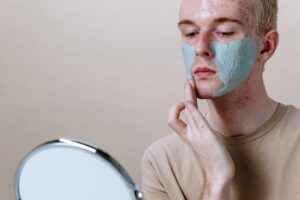
Your second essential should be the acne treatment that’s proven effective for your specific breakout pattern. For some people, it’s benzoyl peroxide. For others, it’s a low-concentration salicylic acid or niacinamide serum. This is where the single most important variable lives—the one product that determines whether this minimalist routine works for you. Benzoyl peroxide is highly effective for acne caused by bacteria, but it can bleach fabrics and cause dryness or irritation if you’re not careful with concentration and application. Salicylic acid works well for clogged pores and comedones but can be irritating with daily use in higher concentrations.
Niacinamide is gentler but works more gradually. The point is not which one is universally “best,” but which one aligns with your acne type and skin’s tolerance. Someone with severe bacterial acne might need benzoyl peroxide; someone with persistent blackheads might get better results from a salicylic acid toner. What makes this step crucial is that you’re not adding this treatment alongside five other products competing for efficacy. Your cleanser removes dirt and oil, and your treatment product has a clear runway to do its job. This is where the two-essential system actually outperforms elaborate routines: it prioritizes the one thing that actually treats your acne.
How to Apply the Two-Essential Routine for Best Results
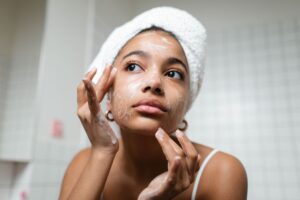
Start with your cleanser: wet your face with lukewarm water, massage the cleanser gently for 30 to 60 seconds, rinse thoroughly, and pat dry. Don’t skip the patting step—some toners and serums work better on slightly damp skin, but most treatment products work better on fully dry skin. Apply your treatment product according to its instructions. If it’s a spot treatment, apply only to breakouts. If it’s a leave-on treatment like a niacinamide serum, apply to your full face or your acne-prone zones.
Wait 3 to 5 minutes for it to fully absorb before applying anything else. This wait time is critical—it lets the active ingredient penetrate properly instead of being diluted or rinsed away. The tradeoff here is that a minimalist routine assumes you don’t need a separate moisturizer. For many people, this is fine—the cleanser doesn’t strip the skin, and the treatment product isn’t so harsh that additional hydration becomes necessary. But some people do need to add a light moisturizer, especially if they use stronger acne treatments or have dry skin. If that’s the case, you’d technically have a third product, but it remains minimal compared to most routines and you’re still preserving the core principle: one active treatment plus one cleanser.
When the Two-Essential System Needs Adjustment
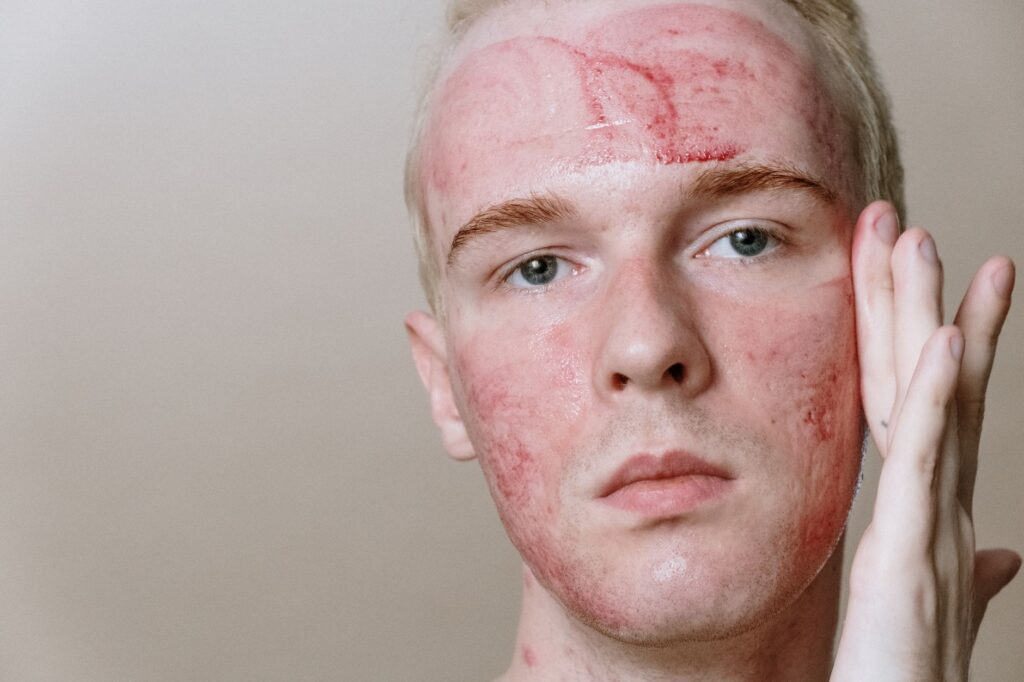
The biggest limitation of this approach is that it assumes your acne responds to either topical treatment or cleansing habits. Some acne is hormonal, some is deeply cystic, and some is tied to systemic factors like diet or stress. A minimalist topical routine won’t fix acne caused by internal hormones—those cases typically need dermatological intervention or oral medication. If you’ve been using the right acne treatment consistently for 12 weeks and seeing no improvement, the problem likely isn’t your routine complexity; it’s that you need a different approach. Another consideration is sensitive or reactive skin.
If you react badly to most acne treatments—even gentle ones—then a two-essential routine might not be enough. You might need soothing ingredients, anti-inflammatory products, or a prescription alternative. In this case, the minimalist philosophy still applies, but the products themselves would change. Sun protection is technically another essential if you’re using any acne treatment that increases photosensitivity (like salicylic acid or benzoyl peroxide). Strictly speaking, that’s a third product, but a non-negotiable one for safety. A quality sunscreen should be viewed as an essential rather than an optional add-on.
Real-World Results and Timeline
Most dermatologists recommend giving a new acne routine at least six to eight weeks before judging its effectiveness. This timeline is important because skin cell turnover takes time, and breakouts you see now often started beneath the surface weeks ago. When someone switches to a two-essential routine and sticks with it for this period, they often see a measurable difference: less frequent breakouts, less severe inflammation, or clearer areas where they previously had persistent clogged pores.
What you’ll notice first, usually within two to three weeks, is whether your skin tolerates the routine without irritation. By week four, you should see stabilization—breakouts follow a more predictable pattern rather than surprising you randomly. By week six to eight, you’ll have enough data to know if this combination is working or if you need to switch your treatment product.
Sustainability and Long-Term Success
The greatest advantage of a two-essential routine is that it’s sustainable. You’re not buying new products monthly or chasing trending ingredients. You’re not spending 15 minutes on your skin twice daily. This simplicity means you’re far more likely to maintain the routine during stressful periods, travel, illness, or any circumstance where your habits collapse.
Many people clear their skin on a complex routine only to relapse into breakouts when life gets busy because they stop following an elaborate protocol. A two-product system survives real life far better. Over time, as your breakouts improve, you may find you can modify or reduce your treatment product—using it every other day instead of daily, for example—while maintaining results. This gradual adjustment is only possible if you’ve built a solid foundation. Starting minimal actually gives you flexibility to fine-tune downward, whereas starting with an elaborate routine leaves nowhere to go but more products.
Frequently Asked Questions
Can I really clear acne with just two products?
For many people with mild to moderate breakouts, yes. The two-essential system removes variables and improves consistency, which are often more important than the number of products used.
What if my skin is dry? Don’t I need a moisturizer?
You might. A gentle cleanser shouldn’t strip your skin significantly, but if it does or if your acne treatment is particularly drying, adding a lightweight moisturizer is reasonable and still keeps your routine minimal.
How long until I see results?
Most people see stabilization within 4 weeks and measurable improvement by 6 to 8 weeks. Results vary depending on your acne type and how consistent you are with the routine.
What if I don’t know which acne treatment to choose?
Start with a lower concentration of whichever product aligns with your acne type—benzoyl peroxide for bacterial acne, salicylic acid for clogged pores, or niacinamide for inflammatory acne. You can adjust the concentration or switch products after you’ve tested it for at least four weeks.
Should I use both the cleanser and treatment every day?
Yes. The consistency is part of what makes the system work. Sporadic use is far less effective than daily use, even at lower concentrations.
Can I add other products if I need them?
Yes. If you truly need sunscreen, a moisturizer, or a targeted eye cream, you can add those without abandoning the minimalist philosophy. The point is to start with essentials and add only what you genuinely need based on results.
You Might Also Like
- TULA Skincare Amazon Prime Exclusive Hydrating Moisturizer Discount Offer
- Skincare Ingredient Levels Climb New Report Shows Niacinamide Trend Data
- Simple Skincare Routine for Acne: Expert Tips From Top Dermatologists
Browse more: Acne | Acne Scars | Adults | Back | Blackheads