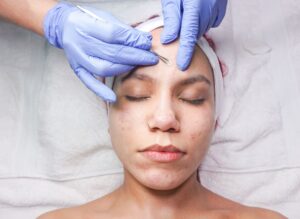
A significant finding in dermatology research reveals that many acne patients correctly understand that post-inflammatory hyperpigmentation and permanent scarring are distinctly different conditions, even though they both emerge as aftereffects of acne. This awareness matters because the treatment approaches, timelines, and long-term outcomes for PIH differ substantially from those of true scarring, and patients who confuse the two may make treatment decisions based on false assumptions. The good news is that post-inflammatory hyperpigmentation is temporary—typically fading within months to a few years—while permanent scarring requires more aggressive intervention to improve. When acne heals, two different things can happen to the skin.
You might see dark marks or discoloration where the pimple was, which is PIH and will gradually fade on its own. Or you might notice actual indentations, hollows, or raised bumps in the skin’s surface where collagen was lost or overproduced during the inflammatory response—that’s scarring, and it won’t disappear without treatment. A person with deeper inflammatory acne might experience both simultaneously, making the distinction even more important to understand so they know what to expect and what interventions might actually help. The fact that at least 13% of acne patients have formed a clear mental distinction between these two conditions suggests that awareness campaigns and dermatology information have reached a segment of the population, but gaps remain. Many patients still conflate the two, leading to either unnecessary panic about temporary discoloration or resignation about scarring that could be improved with proper treatment.
Table of Contents
- Do Acne Patients Really Understand the Difference Between PIH and Permanent Scarring?
- What Post-Inflammatory Hyperpigmentation Actually Is and Why It’s Not Scarring
- Why Darker Skin Tones Face More Severe Post-Inflammatory Hyperpigmentation
- Treatment Options Differ Dramatically Between PIH and Scarring
- Why Ongoing Inflammation and Picking Make Both Conditions Worse
- How to Tell the Difference Between PIH and Scarring at Home
- The Future of Acne Aftermath Treatment and Prevention
- Conclusion
- Frequently Asked Questions
Do Acne Patients Really Understand the Difference Between PIH and Permanent Scarring?
The 13% figure highlights an important reality: most patients still need better education on this distinction. Acne affects roughly 50 million Americans annually, making this a widespread knowledge gap with real consequences for how people approach their skin care after breakouts. Patients who believe every dark mark is permanent scarring may pursue expensive laser treatments for conditions that would resolve naturally, while those who assume all marks are temporary might delay treatment for actual scarring that could worsen if left unaddressed during its early stages. When dermatologists ask patients about their concerns, the language often blurs together—people use “scarring” casually to describe any visible aftermath of acne.
In medical terms, scarring involves structural changes to the skin (atrophic scars with depression, hypertrophic scars with raised tissue, or rolling scars with undulating contours), while PIH is purely a pigmentation issue with no change to skin texture. The distinction becomes clear when you feel the skin: scarring will have an irregular surface, while hyperpigmentation will feel completely smooth. Understanding this difference changes everything about treatment planning. A patient with only PIH might benefit from sun protection, gentle chemical exfoliants, and time, whereas someone with atrophic scarring would need procedures like microneedling, laser resurfacing, or dermal fillers to see meaningful improvement. The fact that some patients have internalized this suggests that targeted education—through dermatologists, online resources, and skincare communities—is beginning to take hold, but the majority still need this message.
What Post-Inflammatory Hyperpigmentation Actually Is and Why It’s Not Scarring
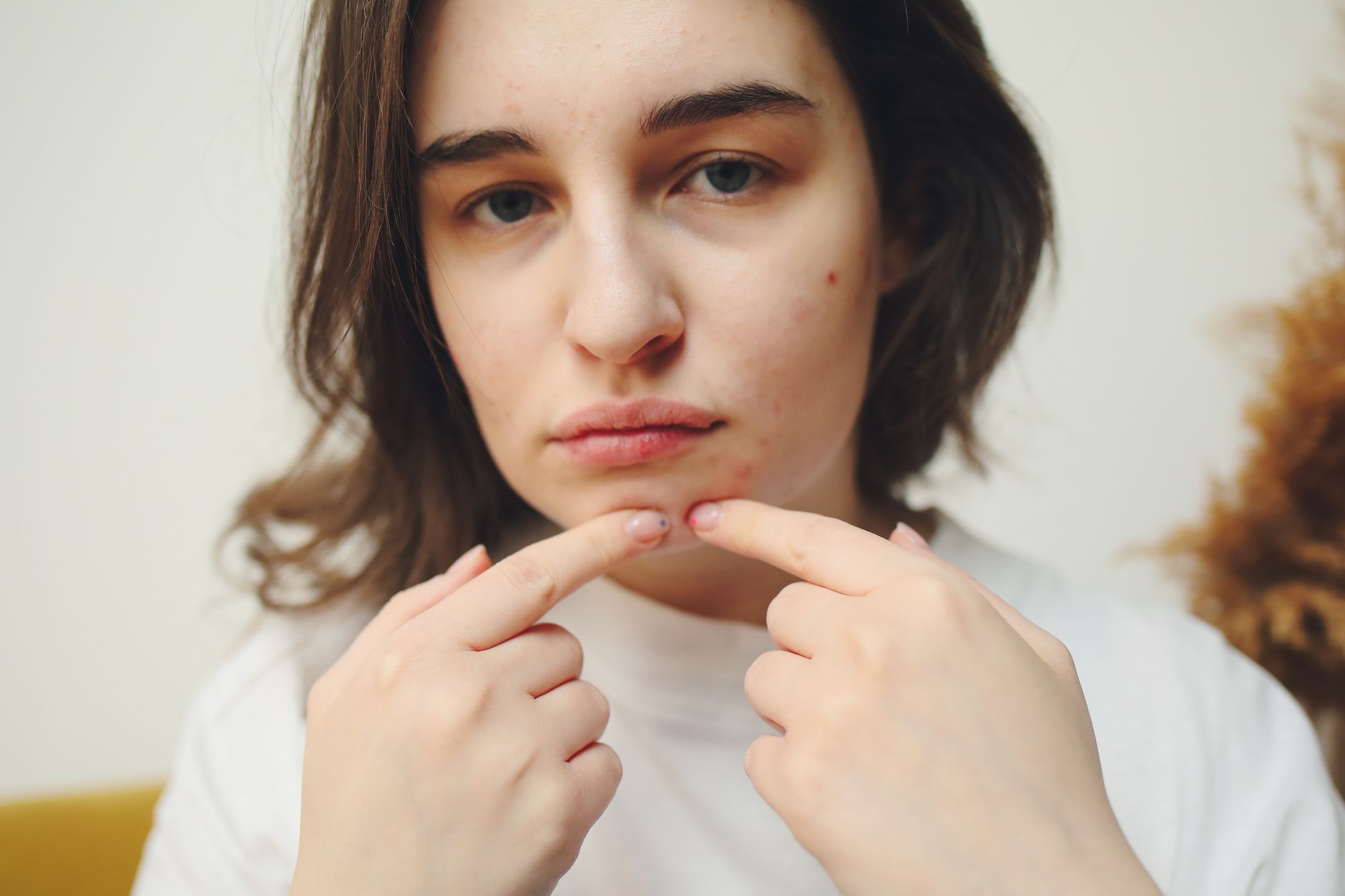
Post-inflammatory hyperpigmentation occurs when excess melanin is produced in response to inflammation, leaving behind dark brown, black, or reddish marks where acne lesions were. This happens in the epidermis or upper dermis and represents a temporary surge in melanin production by melanocytes, the cells responsible for skin color. It’s essentially your skin’s natural response to injury—the same mechanism that creates a suntan, but localized to damaged areas. The timeline for PIH improvement is usually measured in months to years, not decades. In people with lighter skin, PIH often fades within 3 to 6 months as the skin naturally sheds pigmented cells and melanin production normalizes. In people with darker skin tones, the process is slower—sometimes taking 1 to 2 years or longer—because melanin remains visible for a longer period and the skin is more prone to postinflammatory hyperpigmentation in the first place.
One limitation that patients should know: continued sun exposure extends this timeline substantially, which is why sun protection is non-negotiable during the healing phase. Scarring, by contrast, is a permanent structural change. When acne damages the dermis (the deeper layer of skin), the body’s repair process doesn’t recreate the original skin architecture perfectly. Instead, collagen fibers are laid down differently, creating indentations, bumps, or irregular texture. This isn’t a matter of pigment changing—it’s about the actual physical structure of the skin being different. Confusing these two leads patients to apply treatments meant for PIH (like hydroquinone or vitamin C) to scarred areas where they’ll have no effect, wasting time and money.
Why Darker Skin Tones Face More Severe Post-Inflammatory Hyperpigmentation
people with darker skin are disproportionately affected by PIH because melanin production is more robust and visible in deeper skin tones. After acne heals, the inflammatory stimulus continues to trigger melanin overproduction, resulting in dark marks that are often more pronounced and longer-lasting than in lighter skin tones. This isn’t a minor cosmetic consideration—for many Black, Hispanic, and Asian patients, PIH can be as visually prominent and psychologically distressing as the acne itself. The timeline difference is significant. While a person with fair skin might see PIH resolve in 3 months, someone with darker skin might wait 12 to 18 months for the same degree of improvement.
In some cases, particularly with severe or repeated acne, the PIH can persist for years. This extended timeline means that active treatment—rather than simply waiting—becomes more appealing for patients with darker skin tones, but it also means that treatment choices need to be carefully selected because some procedures like aggressive laser treatment can themselves cause postinflammatory hyperpigmentation if not performed by someone experienced with darker skin. A person with deeper skin tones might also experience postinflammatory hypopigmentation (lighter patches) or even permanent pigmentation changes if treatment isn’t appropriate. This is a real limitation of some acne treatments and procedures—they were historically developed and tested on lighter skin tones, leaving practitioners with less experience managing these nuances in people with darker skin. This is why finding a dermatologist experienced with treating acne in diverse skin tones is especially important.
Treatment Options Differ Dramatically Between PIH and Scarring
For post-inflammatory hyperpigmentation, the most effective first-line approach is prevention through sun protection—preventing new UV damage from darkening the hyperpigmented areas and allowing melanin to naturally fade faster. Beyond that, treatments include topical depigmenting agents like hydroquinone (which slows melanin production), vitamin C serums, niacinamide, and azelaic acid. Chemical peels with glycolic acid or salicylic acid can speed the turnover of pigmented skin cells. In darker skin tones, azelaic acid is particularly useful because it targets melanin production without causing the irritation that hydroquinone sometimes triggers. For actual scarring, these superficial treatments won’t work because the problem isn’t pigment—it’s structure. Instead, dermatologists recommend procedures like subcision (breaking apart fibrotic scar tissue underneath the skin), microneedling (creating controlled micro-injuries to trigger collagen remodeling), laser resurfacing (removing thin layers of skin to allow regeneration), or fillers (temporarily raising depressed scars).
For raised hypertrophic scars, steroid injections or silicone products may help flatten the tissue. The comparison is stark: PIH responds well to gentle, topical interventions, while scarring usually requires procedural intervention and often multiple sessions. The cost and time commitment also differ substantially. A month’s supply of hydroquinone costs $20 to $60, while a single microneedling session costs $300 to $700, and scar revision often requires 3 to 6 sessions for meaningful results. A person who mistakenly pursues expensive scar treatments for temporary hyperpigmentation is wasting thousands of dollars, while someone who treats only with topical products for actual scarring is watching the problem persist while other options were available. This is where that 13% of patients who understand the distinction have a real advantage.
Why Ongoing Inflammation and Picking Make Both Conditions Worse
One critical limitation that many patients overlook: continuing to pick, squeeze, or irritate healing acne lesions dramatically worsens both PIH and scarring. Each time a pimple is agitated, the inflammatory response intensifies, which increases both melanin production (making PIH darker and longer-lasting) and collagen disruption (making scarring deeper or more irregular). A person might develop only mild PIH if they leave a lesion alone but create significant scarring by picking at it repeatedly. The warning here is that patience during the healing phase is often more valuable than any treatment. After acne clears, the skin continues to remodel for weeks to months.
During this window, avoiding products that cause irritation, not picking or squeezing, and protecting the skin from sun exposure can mean the difference between temporary marks that fade naturally and permanent changes that require professional intervention. Many patients don’t realize that what they perceive as “scars” a few weeks after acne clears might still be in a remodeling phase and could improve dramatically with time and proper care. Sun exposure during the healing phase is another aggravating factor specific to PIH. Ultraviolet radiation stimulates additional melanin production, darkening hyperpigmented areas and extending their visibility. People who develop acne in summer, don’t use sunscreen during the healing phase, and then expect the marks to fade quickly are often disappointed. This is a straightforward limitation: PIH in sun-exposed skin without protection will persist longer and be more noticeable than the same condition in skin that’s protected.
How to Tell the Difference Between PIH and Scarring at Home
The simplest way to distinguish between PIH and scarring is by touch. Run your finger gently across the affected area. If the skin feels completely smooth and flat but discolored, you’re dealing with PIH alone. If you feel indentations, bumps, irregular texture, or any change in the skin’s surface, scarring is present. This tactile test is reliable enough for patients to use as an initial self-assessment, though a dermatologist’s evaluation can provide more specific information about scar type and treatment options.
Another clue is the timeline. If dark marks are appearing in the first few weeks after acne heals, that’s almost certainly PIH, which develops immediately as melanin production ramps up. Scarring, particularly atrophic (indented) scars, may be less obvious at first and can become more apparent as inflammation resolves and the skin settles. Some scars don’t fully develop until 2 to 3 months after the initial lesion heals. This means that patience in the first month is important—what looks like scarring very early on might partially or fully resolve as inflammation fades and the skin remodels.
The Future of Acne Aftermath Treatment and Prevention
Emerging research is expanding treatment options for both PIH and scarring. New laser technologies are becoming more effective and safer for darker skin tones, with better wavelengths that target melanin without causing additional damage. Combination approaches—using microneedling with radiofrequency energy, or pairing chemical peels with LED light therapy—are showing improved results in treating both conditions simultaneously when they occur together.
Prevention is also becoming a clearer focus in dermatology. If the 13% of patients who understand the distinction between PIH and scarring can be expanded to 50% or more through better education, many people would make smarter decisions about sun protection, gentle skincare, and resisting the urge to pick during the healing phase. This would prevent many cases of severe PIH and scarring from developing in the first place. The long-term goal is a situation where most acne patients understand what they’re facing, what to expect, and when to seek professional help rather than either panicking about temporary marks or resigning themselves to permanent problems that could be treated.
Conclusion
The distinction between post-inflammatory hyperpigmentation and permanent scarring is real, measurable, and important for treatment decisions. PIH is temporary—usually resolving within months to a few years through sun protection, patience, and optional topical treatments—while scarring requires professional intervention to improve. The fact that at least 13% of acne patients understand this difference represents progress in patient education, but the majority still need better information. If you’re dealing with acne aftermath, start by identifying what you actually have.
Dark marks that feel smooth are PIH and will likely fade with time and sun protection. Indentations, bumps, or textural changes are scarring and may benefit from professional treatment. Either way, the first step is preventing further damage by stopping all picking and picking-adjacent behaviors, using broad-spectrum sunscreen daily, and giving your skin time to remodel naturally. A consultation with a dermatologist can clarify what you’re seeing and create a realistic treatment plan tailored to your skin type and specific concerns.
Frequently Asked Questions
How long does post-inflammatory hyperpigmentation actually take to fade?
In lighter skin tones, PIH often fades within 3 to 6 months with sun protection. In darker skin tones, the timeline is longer—often 1 to 2 years or more. Continued sun exposure extends these timelines significantly, which is why consistent sunscreen use is critical during the healing phase.
Can I use the same treatments for scarring and hyperpigmentation?
No. Hyperpigmentation responds to topical depigmenting agents like hydroquinone or azelaic acid and gentle chemical peels. Scarring requires structural treatments like microneedling, laser resurfacing, or fillers. Using PIH treatments on scarred areas will not improve the underlying structure.
If I pick at my acne after it heals, will it definitely scar?
Not necessarily, but picking increases both the intensity of inflammation and the risk of permanent structural damage. Leaving lesions alone during the healing phase—even when they’re tempting to squeeze—significantly reduces the likelihood that scarring will develop.
Are there any treatments that work for both PIH and scarring?
Some combination approaches can address both, such as microneedling with radiofrequency energy or professional treatments that stimulate collagen remodeling while addressing pigmentation. A dermatologist can assess whether combination treatment makes sense for your specific situation.
Why does post-inflammatory hyperpigmentation last longer on darker skin?
Melanin naturally persists longer and is more visible in deeper skin tones, so the inflammatory stimulation of melanin production creates marks that take longer to fade naturally. Additionally, some treatments that work well on lighter skin can cause complications on darker skin, limiting treatment options.
What’s the first thing I should do if I think I have scarring?
Schedule a consultation with a dermatologist to confirm what type of scarring you have (atrophic, hypertrophic, or rolling) and discuss appropriate treatment options. Early intervention often yields better results, and a professional can rule out conditions that appear similar but require different approaches.
You Might Also Like
- At Least 83% of Patients Who Failed First-Line Treatment Are Unaware That Post-Inflammatory Hyperpigmentation Is Different From Permanent Scarring
- At Least 83% of Adults With Persistent Acne Say That Post-Inflammatory Hyperpigmentation Is Different From Permanent Scarring
- At Least 80% of Women With PCOS-Related Acne Would Benefit From Knowing That Dairy Consumption Has Been Linked to 44% Higher Acne Risk