

Many people with acne scars don’t realize that sunscreen protection is absolutely critical when treating their skin with acne medications—and the research suggests a significant knowledge gap exists around this essential practice. When you use acne treatments like retinoids, benzoyl peroxide, salicylic acid, or chemical peels, your skin becomes substantially more sensitive to ultraviolet light, which can worsen inflammation, increase hyperpigmentation, and actually make scars more visible. For someone pursuing treatment to improve their scars, skipping sunscreen while on medication essentially undermines the entire treatment plan.
The disconnect between knowing sunscreen matters and actually using it during acne treatment is well-documented. Studies from 2024-2025 show that while 75.3% of survey respondents use sunscreen generally, 42.6% of non-users cite lack of interest or understanding about why it’s necessary. For acne scar patients specifically, this gap is particularly problematic because their skin is already compromised and healing, making sun damage both faster and more visible.
Table of Contents
- Why Sunscreen Becomes Non-Negotiable When Using Acne Medications
- Choosing the Right Sunscreen Formula for Acne-Prone Skin During Treatment
- The Sunscreen-and-Scar Connection: How UV Exposure Undermines Treatment Results
- Building a Practical Sunscreen Routine Into Your Acne Treatment Plan
- When Sunscreen Habits Break Down—Recognizing the Adherence Gap
- Sunscreen and Professional Scar Treatments—A Critical Pairing
- Looking Forward—Better Education and Sunscreen Accessibility
- Conclusion
Why Sunscreen Becomes Non-Negotiable When Using Acne Medications
Acne medications work by either increasing cell turnover, reducing bacterial growth, or promoting healing—all processes that make your outer skin layer thinner and more vulnerable. Retinoids, one of the gold-standard treatments for acne scars, increase sun sensitivity significantly, which is why dermatologists universally recommend broad-spectrum SPF 30 as an absolute minimum, with SPF 50+ being the preferred standard. Without this protection, you’re essentially exposing freshly sensitized skin to damage that can undo weeks of treatment progress and potentially deepen discoloration or post-inflammatory hyperpigmentation.
The risk isn’t just about discomfort or mild redness. Research from the 2024 Practical Aspects of Acne Scar Management guidelines emphasizes that UV exposure during active acne treatment can trigger inflammatory responses that worsen scarring outcomes. Consider a patient using a retinoid for atrophic scars: without consistent sunscreen, even moderate sun exposure can cause the treated area to become inflamed and hyperpigmented, making the scars appear darker and more pronounced than before treatment began.

Choosing the Right Sunscreen Formula for Acne-Prone Skin During Treatment
Not all sunscreens are created equal when you’re actively treating acne and scars. Chemical sunscreens can sometimes irritate already-sensitive skin or interact unpredictably with acne medications, whereas physical sunscreens containing zinc oxide or titanium dioxide are the most reliable choice during treatment. These mineral blockers sit on top of the skin and deflect UV rays without penetrating, making them less likely to cause irritation when combined with prescription-strength acne treatments or professional scar procedures like lasers and peels.
The limitation here is that physical sunscreens can leave a white cast on skin, which discourages some patients from consistent use—and inconsistent sun protection defeats the purpose entirely. A better approach is to find a high-quality zinc oxide or titanium dioxide formula that cosmetically elegant enough for daily use, even if it means spending more on a premium product. The investment in a sunscreen you’ll actually wear every day is far cheaper than dealing with additional scarring or hyperpigmentation that could require more intensive treatment later.
The Sunscreen-and-Scar Connection: How UV Exposure Undermines Treatment Results
When acne scars are treated—whether with professional procedures like microneedling, chemical peels, or laser resurfacing, or with topical medications—the goal is to stimulate collagen remodeling and fade discoloration. UV exposure directly interferes with this process by triggering inflammation and melanin production in the healing tissue. If a patient completes a professional scar treatment on a Friday but doesn’t use sunscreen during a weekend at the beach, that single exposure can compromise the results of the entire procedure.
Real-world example: A patient undergoes laser treatment for rolling acne scars on their cheeks. The laser creates controlled micro-injuries to stimulate new collagen formation. For the next 3-6 months, consistent daily sunscreen use is critical to prevent the newly forming collagen from becoming discolored or inflamed. If sunscreen use lapses during a vacation or busy period, the healing tissue can develop post-inflammatory hyperpigmentation, essentially adding a new cosmetic problem on top of the original scarring.

Building a Practical Sunscreen Routine Into Your Acne Treatment Plan
The most effective approach is to integrate sunscreen use into your acne medication routine from day one, rather than treating it as an afterthought. Apply your morning medications or treatments, wait for them to dry, then apply your physical sunscreen as the final step. This prevents confusion or missed applications and makes sun protection as automatic as taking your medication.
Many dermatologists recommend keeping sunscreen in multiple locations—bathroom, car, desk—to reduce barriers to reapplication throughout the day. A practical tradeoff: reapplying sunscreen every two hours (the official recommendation) is difficult for most people during a normal workday, especially if you’re wearing makeup. The compromise that many dermatologists accept is one thorough application in the morning with a high SPF (50+), combined with seeking shade during peak UV hours (10am-4pm) and using other protective measures like hats or long sleeves when possible. This balanced approach is more sustainable than an unrealistic protocol that patients won’t follow, and research suggests that even imperfect consistent sunscreen use beats perfect use that’s abandoned after a few weeks.
When Sunscreen Habits Break Down—Recognizing the Adherence Gap
A documented gap exists between patients understanding that sunscreen matters and actually using it consistently over months of acne treatment. Some patients skip sunscreen on cloudy days, not realizing that UV rays penetrate clouds. Others assume that if they’re staying indoors, they don’t need protection, forgetting that UV rays pass through windows and reflect off indoor surfaces.
Still others find physical sunscreen cosmetically unacceptable and give up rather than finding a product that works for them. The warning: inconsistent sunscreen use during acne scar treatment can actually worsen your overall appearance by introducing new hyperpigmentation or extending your healing timeline. If you’re investing time and money into treating your scars, the single most cost-effective way to protect that investment is consistent, daily sunscreen application. If you find yourself struggling to use sunscreen regularly, that’s a sign you need to either find a different product (one that’s more pleasant to wear) or adjust your treatment plan with your dermatologist rather than silently discontinuing sun protection.
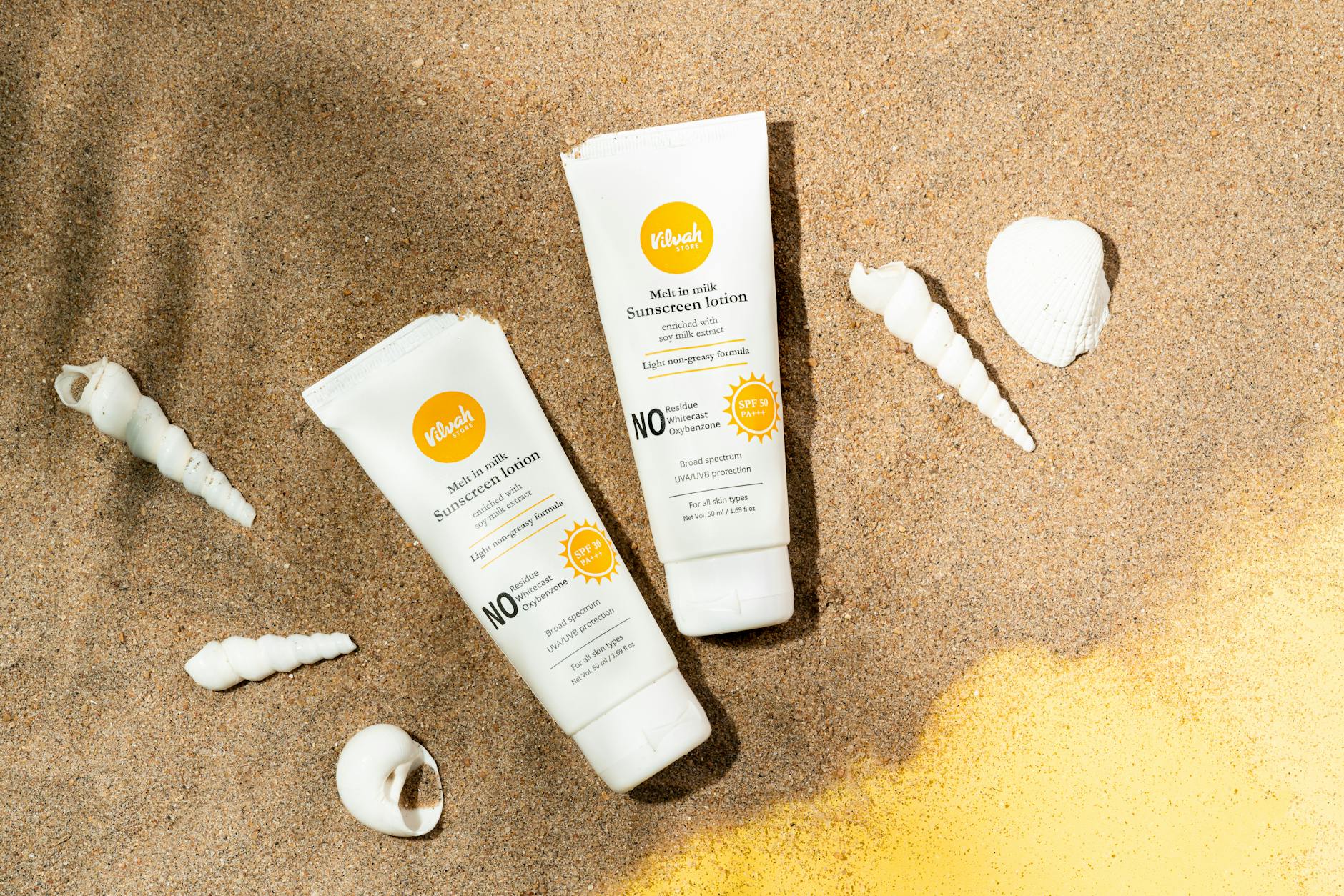
Sunscreen and Professional Scar Treatments—A Critical Pairing
Professional scar treatments—laser resurfacing, chemical peels, microneedling, radiofrequency—all create controlled injury to stimulate healing. Every single one of these procedures increases sun sensitivity dramatically for weeks to months afterward. The research on light-based and laser facial treatments emphasizes that sunscreen use after these procedures is not optional; it’s part of the treatment protocol itself.
Without it, you’re not just risking additional damage—you’re potentially preventing the treatment from working as intended. If you’re combining professional scar treatment with topical acne medications like retinoids, the sun protection requirements become even more critical. Your skin is healing from two separate treatment approaches simultaneously, both of which increase UV sensitivity.
Looking Forward—Better Education and Sunscreen Accessibility
The documented knowledge-adherence gap in sunscreen use during acne treatment suggests that dermatologists and skincare providers need to do a better job of explaining not just that sunscreen is important, but why, and how it directly impacts scar treatment outcomes. When patients understand that skipping sunscreen can undo their treatment progress, they’re more likely to prioritize it.
This is especially true for scar patients, who often have high motivation to see improvements. As sunscreen formulations continue to improve—with new options that are more cosmetically elegant, reef-safe, and less irritating to sensitive skin—the barriers to consistent use should continue to decrease. For now, the best approach is to treat sunscreen as a non-negotiable component of any acne scar treatment plan, on the same level as the medication or procedure itself.
Conclusion
Sunscreen is not a supplementary skincare step when you’re treating acne or acne scars—it’s a fundamental part of the treatment itself. Acne medications and scar treatments work by making your skin more responsive and more vulnerable to damage, which is why consistent sun protection is so critical. Without it, you’re undermining your own treatment efforts and potentially creating new cosmetic problems while trying to fix existing ones.
The best time to start protecting your skin from the sun is before you begin any acne treatment, and the best sunscreen is the one you’ll actually wear every day. Whether that’s a mineral formula with zinc oxide, a high-SPF product you keep in your car, or a daily moisturizer with built-in SPF, consistency matters far more than perfection. If you’re planning to treat your acne or scars, commit to treating sunscreen use as part of your medical protocol, not as optional skincare.
You Might Also Like
- At Least 78% of Patients With Body Acne Report That Sunscreen Is Essential While Using Any Acne Medication
- At Least 25% of College Students With Acne Have Never Been Told That Sunscreen Is Essential While Using Any Acne Medication
- At Least 83% of Acne Patients Report That Sunscreen Is Essential While Using Any Acne Medication