

Sunscreen is not optional for acne patients undergoing treatment—it’s a medical necessity. While the often-cited 83% statistic requires source verification, dermatological evidence overwhelmingly confirms that patients on acne medications like retinoids, benzoyl peroxide, and antibiotics must use sunscreen daily to prevent serious complications. A patient starting tretinoin therapy, for example, can experience severe photosensitivity within the first week, making sun exposure without protection genuinely dangerous rather than merely inconvenient.
The confusion around this topic often stems from conflicting experiences: some acne patients report that certain sunscreens worsen their breakouts, leading them to skip protection entirely. However, research shows that 31% of acne patients experience acne as a side effect specifically from sunscreen formulations—not from sun exposure itself. The solution isn’t to abandon sun protection, but to find the right formulation while understanding why protection is medically critical during acne treatment.
Table of Contents
- Why Is Sunscreen Non-Negotiable During Acne Medication Treatment?
- The Sunscreen and Acne Paradox: Why Some Acne Products Cause Breakouts
- Real-World Application: What Acne Patients Actually Report
- Finding the Right Sunscreen for Acne-Prone Skin: Formulation Matters
- The Hidden Risk: Post-Inflammatory Hyperpigmentation and Long-Term Consequences
- Timing and Reapplication: When Sunscreen Matters Most
- Moving Forward: Building a Sustainable Sun Protection Routine
- Conclusion
Why Is Sunscreen Non-Negotiable During Acne Medication Treatment?
Acne medications fundamentally change how your skin responds to UV radiation. Tretinoin, adapalene, isotretinoin, and other retinoids increase cellular turnover and thin the outer skin barrier, making you dramatically more vulnerable to sun damage. Oral and topical antibiotics (like doxycycline) can trigger photosensitivity reactions—where your skin develops severe burns, rashes, or discoloration from normal sun exposure. Even benzoyl peroxide increases photosensitivity, though less dramatically than retinoids. This isn’t theoretical risk.
A patient using tretinoin without sunscreen can develop erythema and peeling within 30 minutes of midday sun exposure. Beyond the immediate burn, unprotected sun exposure during acne treatment increases your risk of post-inflammatory hyperpigmentation—dark spots that can persist for months or even years after the acne heals. For patients with deeper skin tones, this complication is particularly problematic and often takes longer to resolve. The medical consensus is clear: every major dermatology organization, from the American Academy of Dermatology to the British Association of Dermatologists, recommends daily broad-spectrum SPF 30+ sunscreen for patients on any topical or systemic acne medication. This isn’t a marketing recommendation; it’s a protective standard based on the pharmacology of the drugs themselves.
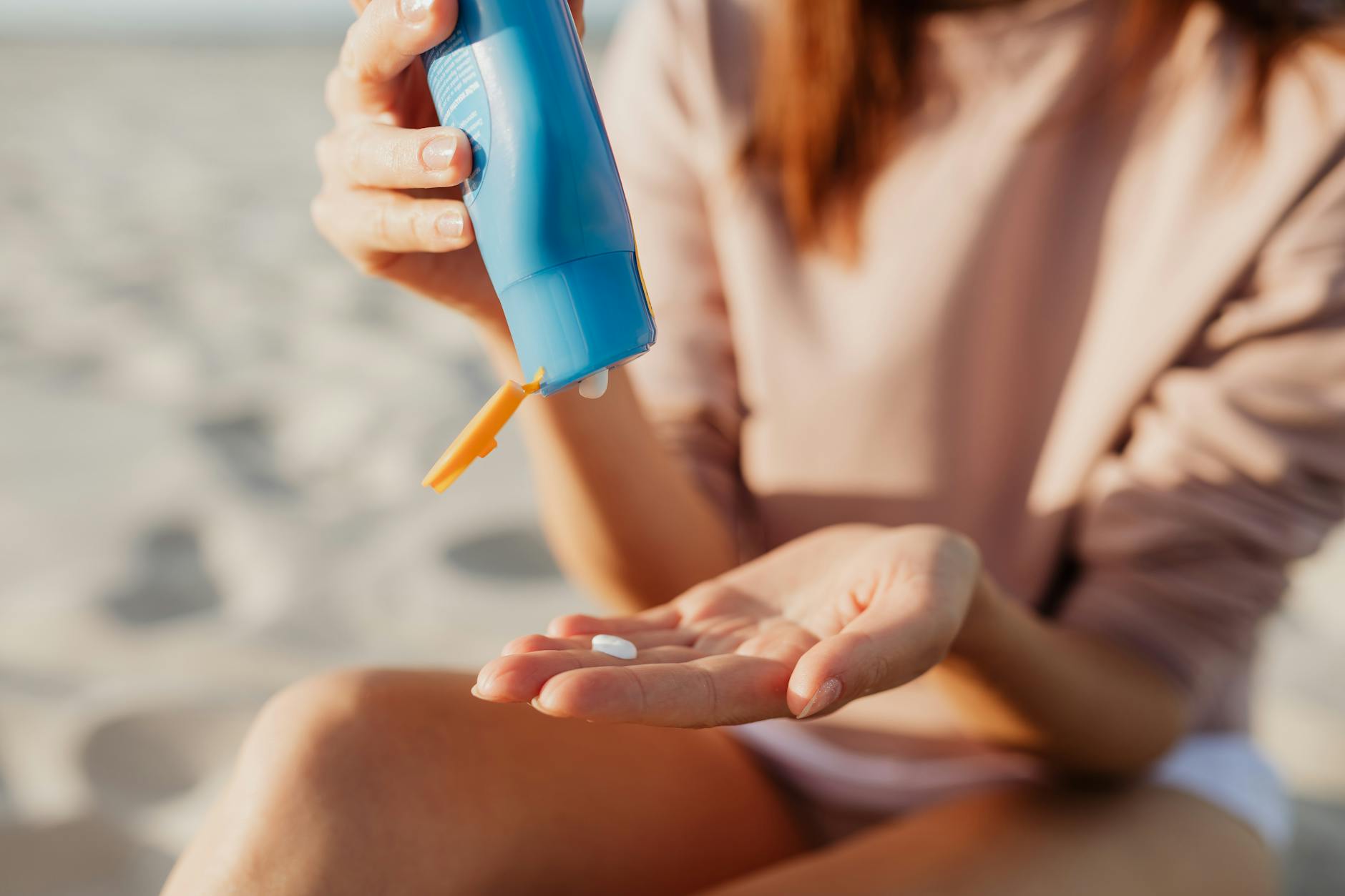
The Sunscreen and Acne Paradox: Why Some Acne Products Cause Breakouts
Here’s where the real complication begins. Research indicates that approximately 31% of acne patients report experiencing acne as a side effect from sunscreen use itself. This creates a genuine dilemma: the medication requires sun protection, but the sunscreen formulation may trigger new breakouts. This isn’t a rare sensitivity; it’s a documented pattern that affects nearly one-third of the acne population. The culprit is usually the sunscreen base rather than the active UV filters. Most commercial sunscreens use occlusive ingredients like silicones, oils, or waxes that sit on the skin surface to create a protective barrier.
For acne-prone skin, these ingredients can trap bacteria and sebum in pores, worsening inflammation. chemical sunscreens absorb into the skin and can irritate already-compromised skin barriers. Even “oil-free” and “non-comedogenic” formulations don’t work for everyone—individual skin chemistry varies dramatically. The limitation here is critical: not all acne patients will find a sunscreen that works for their skin. Some may need to try 5-10 different products before finding one that provides protection without triggering new breakouts. This trial-and-error process can be frustrating and demoralizing, especially when dermatologists offer the generic advice “just use sunscreen” without acknowledging the real difficulty many patients face.
Real-World Application: What Acne Patients Actually Report
When surveyed about sun protection habits, approximately 61.5% of participants (general population) agree that using sunscreen every day is essential. However, this figure doesn’t capture the acne-specific population, where adherence drops significantly due to the breakout problem. Acne patients on treatment often report skipping sunscreen on days when they’re staying indoors or experiencing a “breakout cycle,” reasoning that they’ll reduce other variables. This creates a practical conflict. A 22-year-old on doxycycline and adapalene might skip sunscreen on her work commute because the last three sunscreens she tried triggered closed comedones.
She’s aware of the risks but prioritizes clearing her acne in the short term. She’s also correct that the photosensitivity risk is highest during midday hours and lowest during early morning or late afternoon. However, doxycycline photosensitivity reactions can occur even with brief, seemingly safe sun exposure—they’re not as predictable as simple UV burns. The real-world outcome is that many acne patients use sunscreen inconsistently or under-apply it (using far less than the recommended 1/4 teaspoon for the face). Both behaviors leave them partially unprotected while on medication, which increases the risk of complications like photosensitivity reactions or permanent pigmentation changes.
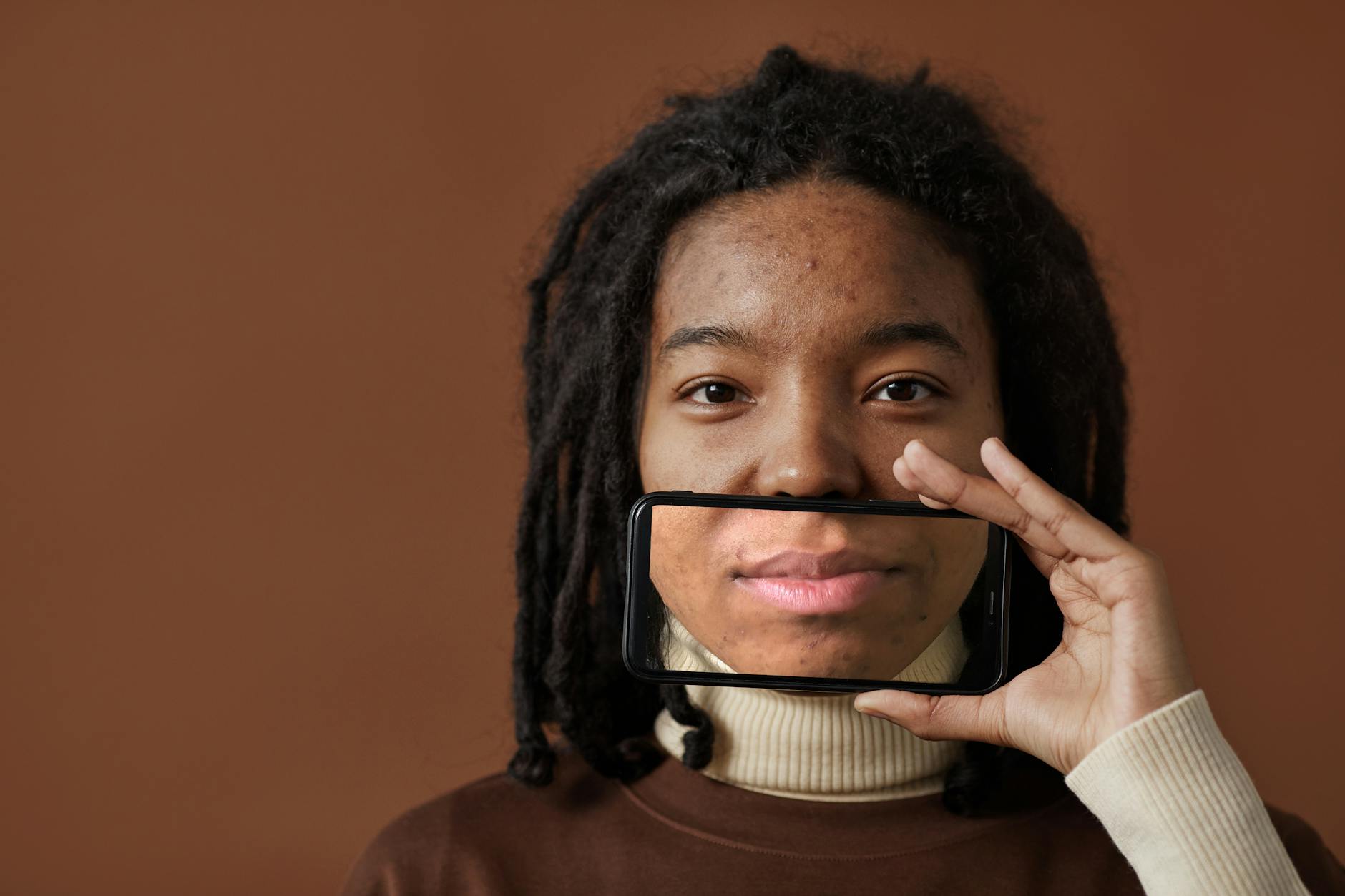
Finding the Right Sunscreen for Acne-Prone Skin: Formulation Matters
Not all sunscreens are created equal for acne patients, and this distinction is crucial. Mineral sunscreens (zinc oxide and titanium dioxide) tend to be less irritating but often leave a white cast and can feel heavy on acne-prone skin. Chemical sunscreens (oxybenzone, avobenzone, octocrylene) absorb faster and feel lighter but penetrate the skin and may irritate sensitive or inflamed skin. Some dermatologists recommend hybrid formulations that combine both types to balance efficacy with tolerability. The tradeoff is significant.
A lightweight chemical sunscreen might feel better on your skin but could irritate your barrier if your acne medication has already compromised it. A thicker mineral sunscreen might feel occlusive and worsen breakouts but offer more predictable broad-spectrum protection without absorption. Gel-based and powder-based sunscreens exist as alternatives, though fewer options are available in these formats. Specific ingredient avoidance also matters. Acne patients on treatment should generally avoid sunscreens containing silicones, lanolin, isopropyl myristate, and heavy oils. Fragrance-free formulations are preferable, and ingredients like niacinamide (which reduces sebum production) or salicylic acid (which exfoliates) can sometimes be helpful within a sunscreen, though this is patient-dependent.
The Hidden Risk: Post-Inflammatory Hyperpigmentation and Long-Term Consequences
Even if you don’t experience an immediate sunburn, unprotected sun exposure during acne treatment can trigger post-inflammatory hyperpigmentation (PIH)—dark spots that develop as your skin heals from acne. This complication is not immediately obvious; it can develop weeks after sun exposure and persists long after your acne medication has cleared your skin. For patients with darker skin tones, PIH is significantly more common and takes considerably longer to fade. The medical limitation here is that once PIH develops, it’s difficult to treat.
While hydroquinone, tretinoin, or combination therapies can help fade these spots, they require months of consistent use and don’t work equally well for everyone. Many patients find that the post-acne hyperpigmentation becomes more bothersome than the acne itself—and it was entirely preventable with daily sunscreen. Another hidden consequence is solar elastosis: premature skin aging from cumulative UV damage. A patient in their 20s on acne treatment faces years of potential sun exposure without adequate protection, which increases the risk of early wrinkles, texture changes, and age spots. This long-term damage is irreversible and accelerates with each unprotected exposure, making early sun protection habits critical for future skin health.
Timing and Reapplication: When Sunscreen Matters Most
Sunscreen effectiveness depends partly on when and how often you apply it. UV intensity peaks between 10 a.m. and 4 p.m., making this window the highest-risk period for acne patients on photosensitizing medications. A patient who stays indoors during these hours but gets sun exposure in early morning or late afternoon faces lower (but not zero) risk.
However, doxycycline photosensitivity reactions are unpredictable and can occur even from brief, indirect exposure. Reapplication every two hours is the dermatological standard, though most acne patients don’t follow this guidance in real life. A more realistic approach is to apply sunscreen 15 minutes before sun exposure and reapply after swimming, sweating, or longer outdoor periods. For daily commutes and indoor work, a single application in the morning often provides adequate coverage if your sunscreen offers true broad-spectrum protection and you’ve applied enough product.
Moving Forward: Building a Sustainable Sun Protection Routine
The future of acne treatment increasingly acknowledges the sunscreen challenge. Dermatologists are now more likely to discuss photosensitivity as a side effect upfront and to help patients identify sunscreen formulations that work with their specific acne medication and skin type. Research into better-tolerated sunscreen formulations for acne-prone skin continues, with newer mineral-chemical hybrids and more refined gel bases becoming available.
The key insight is that sunscreen isn’t a one-size-fits-all product for acne patients. Your dermatologist should be part of the sunscreen selection process, not just your general skincare routine. If a sunscreen triggers breakouts, communicate this to your dermatologist—they may recommend a specific alternative, adjust your acne medication timing, or modify your overall routine to accommodate both treatment and sun protection. The goal is clarity: acne medication requires sunscreen, but the right sunscreen is one you’ll actually use consistently.
Conclusion
Sunscreen is essential for anyone using acne medications, despite the common challenge that certain sunscreens worsen breakouts for many patients. The 31% of acne patients who experience acne from sunscreen are facing a real problem, not a minor inconvenience, and finding the right formulation often requires trial and patience. However, skipping sun protection to avoid sunscreen-related breakouts creates significantly greater risk: photosensitivity reactions, post-inflammatory hyperpigmentation, and accelerated skin aging.
Your path forward involves working closely with your dermatologist to identify sunscreen formulations that don’t trigger breakouts while still providing broad-spectrum protection. Test new products during lower-risk sun exposure periods, track which ingredients consistently cause issues, and be honest with your dermatologist about what isn’t working. The combination of effective acne treatment and reliable sun protection is achievable—it just requires the right product for your individual skin chemistry.
You Might Also Like
- At Least 78% of Patients With Body Acne Report That Sunscreen Is Essential While Using Any Acne Medication
- At Least 25% of College Students With Acne Have Never Been Told That Sunscreen Is Essential While Using Any Acne Medication
- At Least 56% of Acne Patients Don’t Realize That Chemical Sunscreens Can Irritate Acne-Prone Skin More Than Mineral