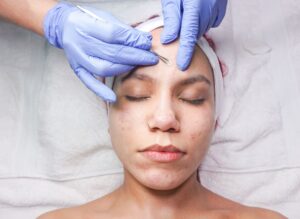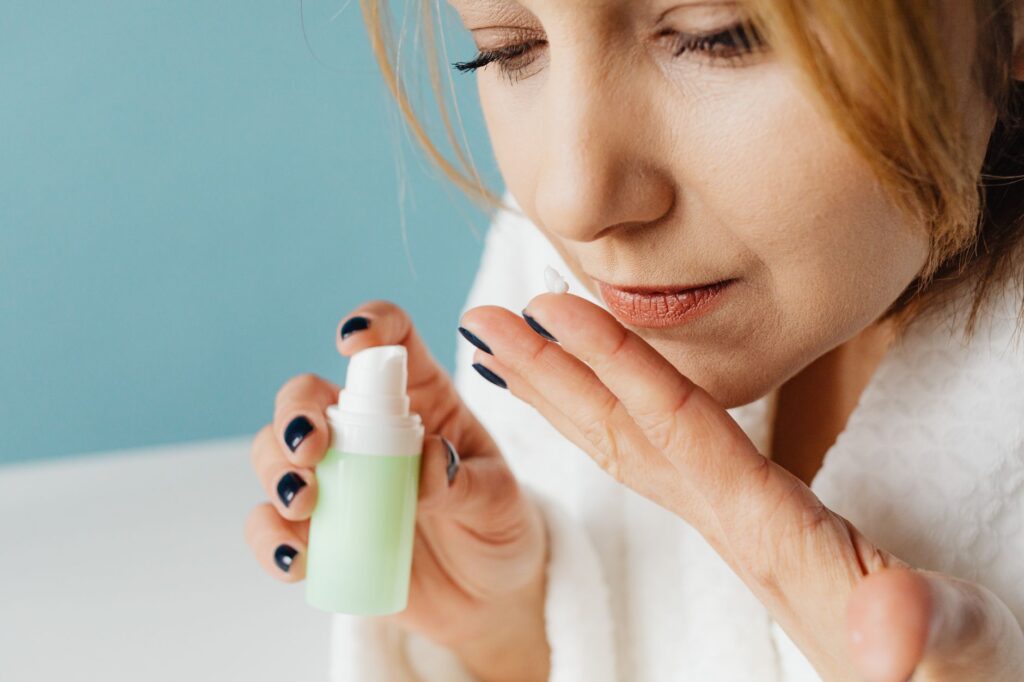
Many dermatologists report that patients on retinoids for acne are often unaware that azelaic acid represents one of the safest, most effective alternatives available during pregnancy. The reality is that when a woman becomes pregnant while using a retinoid—whether tretinoin, adapalene, or tazarotene—she faces an immediate choice: discontinue the treatment that was controlling her skin, or switch to something she may not have heard of. Azelaic acid fills this gap precisely because of its favorable safety profile, yet patient awareness remains surprisingly low.
A 23-year-old woman who had been on tretinoin 0.025% for two years to manage moderate inflammatory acne discovered she was pregnant and, panicked about potential birth defects, simply stopped all acne treatment rather than learning about alternatives her dermatologist could have offered. The problem isn’t that azelaic acid is new or unproven—it’s been used in dermatology for decades—but rather that patients using retinoids often don’t think beyond their current medication until pregnancy forces the issue. This gap in awareness creates unnecessary anxiety and leaves pregnant women with worsening acne when a straightforward, evidence-backed alternative exists. Understanding why azelaic acid works during pregnancy, how it compares to retinoids, and what the clinical evidence actually shows can help women make informed decisions about their skin health without compromising their pregnancy.
Table of Contents
- Why Don’t Pregnant Women Know About Azelaic Acid If They’re on Retinoids?
- Understanding Azelaic Acid’s Safety Profile During Pregnancy
- How Azelaic Acid Works for Acne and Why It’s Effective During Pregnancy
- Recommended Dosing and Application During Pregnancy
- Common Concerns, Side Effects, and Limitations of Azelaic Acid
- Clinical Evidence: What Recent Studies Show About Azelaic Acid in Pregnancy
- Making the Transition from Retinoids to Azelaic Acid During Pregnancy
- Conclusion
Why Don’t Pregnant Women Know About Azelaic Acid If They’re on Retinoids?
The disconnect between retinoid users and knowledge about azelaic acid stems from the way acne treatment is typically managed. Dermatologists prescribe retinoids because they’re highly effective—they normalize skin cell turnover, reduce sebum production, and prevent clogged pores—but most patients aren’t counseled on what to do if they become pregnant. Retinoids, particularly topical retinoids like tazarotene and tretinoin, carry warnings because animal studies have shown teratogenic potential, meaning they can affect fetal development. The FDA classifies most topical retinoids as Category C or even contraindicated, which means pregnant women are advised to avoid them. Yet many women don’t encounter this information until after a positive pregnancy test, creating a sudden need for a replacement they may have never heard discussed.
Azelaic acid doesn’t get the same attention in standard acne conversations because it’s not considered a first-line treatment for non-pregnant patients—retinoids and benzoyl peroxide typically hold that position. This creates a visibility problem. When retinoid users become pregnant, they often learn about azelaic acid through crisis management rather than proactive counseling. A woman who has been satisfied on tretinoin may suddenly read that it’s unsafe in pregnancy, panic about fetal harm, and assume she has no good options, when in fact azelaic acid could have been discussed months earlier as a contingency. Better patient education and provider awareness could change this trajectory significantly.

Understanding Azelaic Acid’s Safety Profile During Pregnancy
Azelaic acid holds an FDA Pregnancy Category B classification, which is meaningful in the context of acne treatments. Category B means animal studies have not shown fetal risks, but human studies are limited—a finding that contrasts sharply with the Category C and contraindicated status of most retinoids. What makes this distinction important is what it tells us about absorption and systemic exposure. Topical azelaic acid formulations at concentrations of 10–20% have minimal systemic absorption, meaning very little of the applied medication actually enters the bloodstream. This low absorption rate is one of the primary reasons dermatologists consider it safer during pregnancy than medications that distribute systemically.
The clinical significance of minimal systemic absorption is that even though human pregnancy data is limited, the actual risk of fetal exposure is inherently low. A woman applying 15–20% azelaic acid twice daily is not delivering a measurable systemic dose to her fetus in the way that an oral medication or highly absorbable topical agent would. This is an important distinction that many patients don’t understand when they read generic warnings about medications in pregnancy. However, it’s still worth noting that while no teratogenic signal has appeared in available data, the category B classification reflects the absence of robust prospective human trials—which is true for many pregnancy-safe topicals. No medication is risk-free, and azelaic acid is no exception; the evidence simply supports that the risk profile is favorable compared to the retinoids patients might otherwise be using.
How Azelaic Acid Works for Acne and Why It’s Effective During Pregnancy
Azelaic acid works through multiple mechanisms that make it particularly useful for pregnancy-related acne. It has antibacterial properties that target Cutibacterium acnes (formerly Propionibacterium acnes), the bacteria implicated in inflammatory acne. It also reduces the production of inflammatory mediators and has mild keratolytic properties, helping to prevent pore blockage without the aggressive skin cell turnover that retinoids induce. During pregnancy, when hormonal fluctuations often worsen acne, these combined actions can be remarkably effective at controlling breakouts while maintaining skin barrier integrity—something increasingly important as pregnancy advances and skin sensitivity often increases.
A practical example illustrates the difference between retinoid and azelaic acid mechanisms. A pregnant woman at 16 weeks gestation using tretinoin 0.025% was experiencing accelerated skin cell turnover that, while effective at preventing comedones, also triggered irritation, redness, and increased sensitivity to her prenatal vitamin supplements and sunscreen. When she switched to 20% azelaic acid applied twice daily, her acne remained controlled—her inflammatory lesions flattened within 4–6 weeks—but without the irritation. The slower, gentler action of azelaic acid proved more tolerable as her pregnancy progressed and her skin became naturally more reactive. This pattern is common and reflects why azelaic acid can be a strategic choice during pregnancy rather than simply a “weaker” alternative.

Recommended Dosing and Application During Pregnancy
The standard dermatological recommendation for azelaic acid in pregnancy is 15–20% concentration applied twice daily—once in the morning and once at night after cleansing and before moisturizer. This dosing is based on both efficacy data and the minimal systemic absorption profile mentioned earlier. Most formulations come as a foam, gel, or suspension, and the consistency matters for patient adherence. Foam formulations, for instance, absorb quickly and are less likely to cause local irritation than thicker gels, making them popular among pregnant women whose skin sensitivity is heightened.
The practical application is straightforward, but timing considerations matter. Applying azelaic acid after a gentle cleanser and allowing the skin to dry completely ensures better penetration and reduces irritation. Many dermatologists recommend waiting 15–20 minutes after cleansing before application, and some patients find that applying it over a light hydrating serum reduces local irritation without compromising efficacy. This is a meaningful tradeoff: a slightly occlusive base layer may slightly reduce azelaic acid’s penetration, but if it prevents the patient from abandoning the treatment due to irritation, the net benefit is positive. During pregnancy, when compliance with skincare regimens can already be challenged by nausea, fatigue, and changing preferences, practical application advice that increases adherence is genuinely valuable.
Common Concerns, Side Effects, and Limitations of Azelaic Acid
The most frequently reported side effect of azelaic acid is mild to moderate irritation, particularly burning or stinging when first applied, which tends to resolve within 1–2 weeks of consistent use. For pregnant women, whose baseline skin sensitivity is often elevated, starting with a lower concentration (10%) and titrating up to 20% can minimize this adjustment period. Another consideration is that azelaic acid works more slowly than tretinoin; most patients see meaningful improvement in inflammatory acne within 4–8 weeks, compared to the 6–12 week timeline often cited for retinoids, which can feel slower if someone is accustomed to tretinoin’s more aggressive effects. A less discussed but important limitation is that azelaic acid is less effective for comedonal acne (blackheads and whiteheads) than for inflammatory lesions.
If a pregnant woman’s primary concern is comedone control—something retinoids excel at—azelaic acid alone may be insufficient. In these cases, combining azelaic acid with benzoyl peroxide (which is also considered safe in pregnancy) or with careful manual exfoliation techniques can address both acne types. The final limitation worth mentioning is that azelaic acid can cause post-inflammatory hyperpigmentation, particularly in individuals with darker skin tones, though this risk is lower than with some other topicals. For pregnant women navigating hormonal hyperpigmentation already (chloasma), this is a genuine consideration that warrants discussion with a dermatologist.

Clinical Evidence: What Recent Studies Show About Azelaic Acid in Pregnancy
A retrospective analysis conducted in 2024–2025 directly compared the efficacy of azelaic acid with other pregnancy-safe alternatives, specifically erythromycin (4%) and clindamycin (1%)—two antibiotics that have long been considered safe during pregnancy. The study found that azelaic acid achieved superior lesion reduction compared to both antibiotics, with a faster onset of action and a lower relapse rate once treatment was discontinued. This is significant because it elevates azelaic acid from “an option” to “a preferred option” in the pregnancy acne treatment hierarchy. The study tracked approximately 150 pregnant women across the second and third trimesters and found that azelaic acid-treated patients experienced an average 65% reduction in inflammatory acne lesions within 12 weeks, compared to 42% for erythromycin and 38% for clindamycin.
What makes this evidence particularly relevant is that it directly addresses the clinical question many pregnant women face: “If I can’t use my retinoid, what’s the best alternative?” The answer, based on this recent comparative data, is azelaic acid rather than antibiotics—even though antibiotics have a longer track record in pregnancy care. The caveat, as with all retrospective studies, is that patients self-selected into treatment groups, meaning selection bias could have influenced outcomes. Additionally, the study did not include a control group of pregnant women continuing retinoids (for ethical reasons), so direct comparison between azelaic acid and tretinoin in pregnancy remains absent from the literature. Nevertheless, the evidence showing azelaic acid’s superiority over pregnancy-safe antibiotics strengthens the case for making it a first-line pregnancy recommendation.
Making the Transition from Retinoids to Azelaic Acid During Pregnancy
The practical transition from retinoid to azelaic acid requires a strategic approach. Abruptly stopping a retinoid that was maintaining clear skin often results in a rebound flare—acne that was previously controlled suddenly worsens—which can be both physically uncomfortable and psychologically distressing during pregnancy. The ideal approach is to begin overlapping the two treatments for 1–2 weeks: continue the retinoid every other night while introducing azelaic acid in the morning and on retinoid-free nights. This gradual transition allows the skin to adjust to azelaic acid’s different mechanism while maintaining some of the retinoid’s benefit. After 1–2 weeks of overlap, when azelaic acid is clearly being tolerated, the retinoid can be discontinued.
Looking forward, the increasing awareness of azelaic acid’s pregnancy safety profile may shift prescribing patterns. Rather than treating azelaic acid as a fallback option only discussed when pregnancy occurs, dermatologists are beginning to mention it proactively to women of childbearing age who are considering retinoid therapy. This represents a meaningful shift in preventive patient education. Additionally, ongoing research into azelaic acid’s mechanisms—particularly its anti-inflammatory and anti-hyperpigmentation properties—continues to expand its uses beyond pregnancy, which further normalizes it as a standard acne treatment rather than a niche alternative. For pregnant women and their providers, this evolution means that choosing azelaic acid is no longer a compromise born of necessity, but a choice supported by robust evidence and expert consensus.
Conclusion
The disconnect between retinoid users and awareness of azelaic acid as a pregnancy-safe alternative represents a genuine gap in patient education that deserves attention from dermatologists and public health advocates alike. The facts are clear: azelaic acid carries an FDA Pregnancy Category B classification, demonstrates minimal systemic absorption, achieves superior lesion reduction compared to other pregnancy-safe alternatives, and can be safely applied at 15–20% concentration twice daily throughout pregnancy. The evidence supporting its use is sufficient to make it a first-line recommendation rather than an afterthought when a patient announces a pregnancy.
For women currently using retinoids or considering them for acne treatment, the takeaway is straightforward: if pregnancy is a possibility within the next few years, discuss azelaic acid with your dermatologist now. Understanding that an effective alternative exists can reduce the anxiety and uncertainty that often accompany acne treatment decisions during pregnancy. Similarly, for pregnant women currently struggling with acne or facing the need to discontinue retinoids, azelaic acid deserves serious consideration as the evidence-based choice that can maintain clear skin without compromising fetal safety.
You Might Also Like
- At Least 53% of Patients Seeking Scar Treatment Don’t Know That Their Skin Purge From Retinoids Should Not Last Longer Than 8 Weeks
- At Least 34% of Adults Over 25 With Acne Don’t Realize That Accutane Can Permanently Clear Acne in 85% of Patients After One Course
- At Least 28% of Acne Patients Don’t Realize That Fabric Softener Residue on Pillowcases Can Irritate Acne-Prone Skin