

Most women with PCOS-related acne are not aware that the material of their face mask can significantly worsen their breakouts—a gap in knowledge that leaves them vulnerable to preventable skin damage. Since PCOS causes elevated androgens that increase oil production and clogged pores, adding friction and occlusion from the wrong mask material creates a perfect storm for acne flare-ups. A healthcare worker managing both PCOS and severe acne might notice her breakouts worsen dramatically when she switches from a surgical mask to an N95 for longer shifts, without realizing the mask material itself is a contributing culprit rather than an isolated variable.
This lack of awareness persists despite clear evidence about how different mask materials affect acne risk. Research shows that N95 masks increase acne likelihood by 1.89 times compared to surgical masks, while cloth masks increase it by 1.41 times—yet many women with PCOS acne continue wearing whatever masks are most convenient or available, unaware these choices directly impact their skin. The combination of PCOS-driven oil production and poor mask material selection creates a preventable cascade of inflammation, bacterial growth, and persistent breakouts.
Table of Contents
- Why Face Mask Material Matters More for Women With PCOS-Related Acne
- Understanding PCOS Acne and Its Unique Challenges
- The Role of Maskne in Exacerbating PCOS Acne
- Choosing the Right Mask Material for PCOS Acne Prevention
- Skincare Protocols When Mask Wear Is Mandatory
- The Education Gap: Why Awareness Matters
- Moving Forward—Personalized Mask Strategies for PCOS Acne
- Conclusion
Why Face Mask Material Matters More for Women With PCOS-Related Acne
Women with PCOS experience higher rates and greater severity of acne than the general population because the condition drives elevated androgen levels, leading to increased sebaceous gland activity. About 40% of PCOS patients develop acne, and their breakouts tend to be more resistant to standard treatments because they’re rooted in hormonal dysfunction rather than surface-level bacterial colonization. When these women add a poorly chosen face mask to their daily routine, they’re essentially trapping excessive oil, sweat, and bacteria against skin that’s already primed for inflammatory acne. The material directly determines how much heat, moisture, and friction the skin experiences.
Surgical masks, the most acne-friendly option, allow better airflow and create less occlusion. Cotton masks sit in the middle—gentler than N95s but not ideal because the material absorbs and retains moisture, creating a warm, damp environment where acne-causing bacteria thrive. N95 masks are the worst offenders for acne-prone skin, as their tight fit, moisture-trapping design, and constant friction against the cheeks and chin create perfect conditions for comedone formation and bacterial proliferation. A woman with PCOS who switches from a surgical mask to an N95 for a single shift may notice increased redness and new breakouts within 24 to 48 hours.

Understanding PCOS Acne and Its Unique Challenges
PCOS-related acne differs from typical adolescent or hormonal acne in both severity and location. It tends to concentrate on the lower face, jawline, and chin—exactly where most face masks apply the most pressure and friction. The elevated androgens in PCOS don’t just increase oil production; they also thicken skin cells, making pores more prone to blockage, and they promote inflammation at the follicle level. This means that even when a woman with PCOS manages her condition through medication or lifestyle changes, residual hormonal acne can persist for years.
The limitation here is important: simply changing mask material alone will not cure PCOS acne, especially if it’s moderate to severe. A woman who switches to surgical masks but doesn’t address the underlying hormonal imbalance will still experience breakouts, albeit less frequent ones. Additionally, many women with PCOS work in healthcare, education, or other essential roles where they must wear masks for 8 to 12 hours daily—meaning prolonged occlusion is unavoidable. Even the “best” mask material offers only partial protection against mask-induced acne when worn for extended periods without breaks.
The Role of Maskne in Exacerbating PCOS Acne
Maskne—acne specifically caused or worsened by mask wear—affects a significant portion of the population. Research found that 23.5% of people without prior acne developed new breakouts during mask use, while 59.9% of those with pre-existing acne reported worsening of their condition with prolonged mask wear. For women with PCOS, this second statistic is more relevant: their already-compromised skin barrier and oil production make them far more likely to fall into the group experiencing significant worsening with masks.
The inflammation from maskne in PCOS acne sufferers can trigger a vicious cycle. Irritation and friction lead to inflammation; inflammation increases sebum production as the skin attempts to heal itself; excess sebum combined with heat and humidity creates an ideal environment for bacteria; bacteria cause more breakouts; and breakouts lead to more inflammation. A woman managing PCOS acne might find that mask-related flare-ups delay her overall progress toward clearer skin by months. The combination of mask friction, moisture retention, and the pre-existing hormonal acne tendency means that even high-quality skincare routines struggle to keep breakouts under control without addressing the mask material issue first.
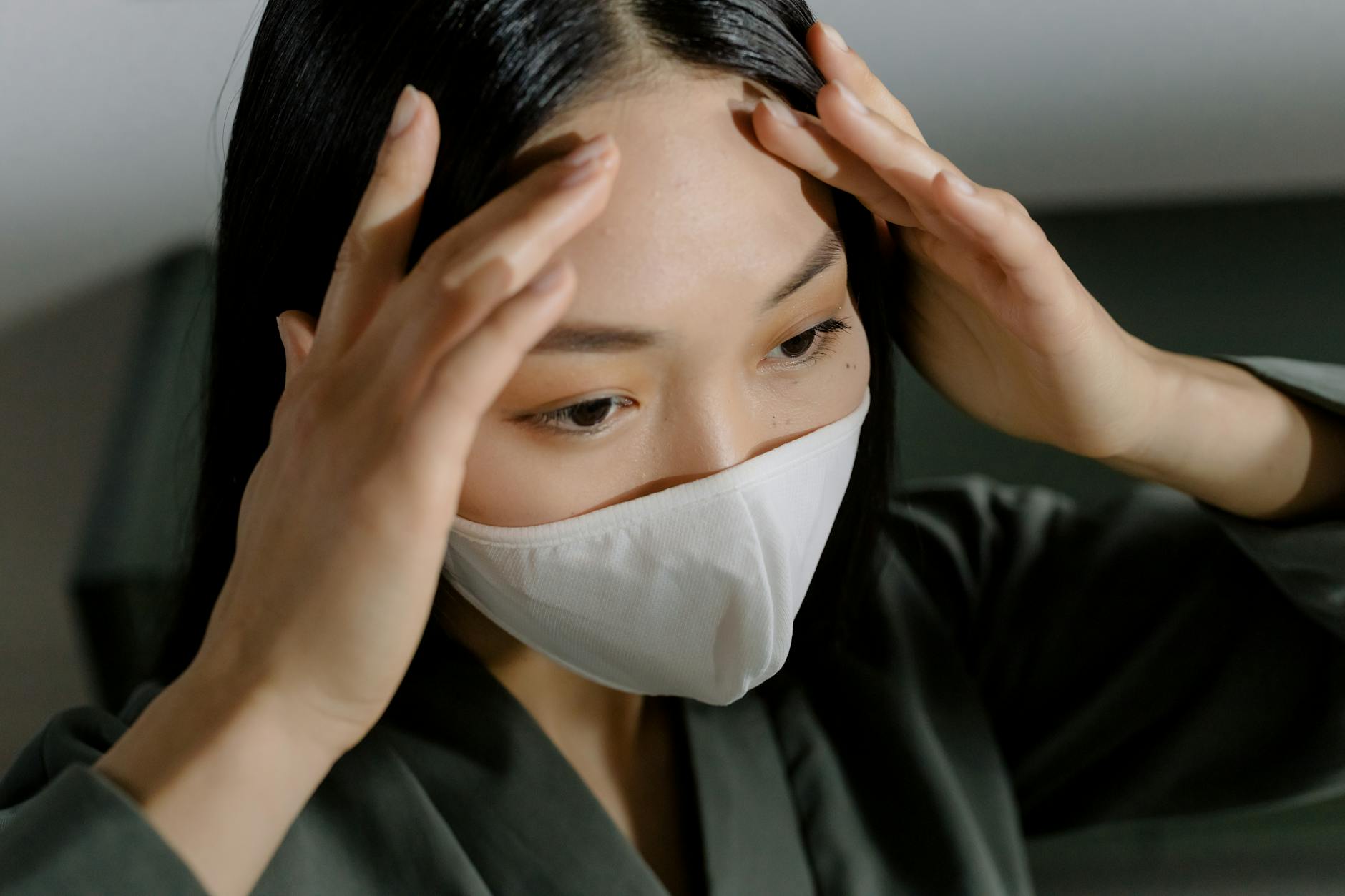
Choosing the Right Mask Material for PCOS Acne Prevention
Surgical masks are the clear winner for acne-prone skin, offering the best balance of protection, airflow, and minimal irritation. Their smooth surface creates less friction against the skin, and their design allows moisture to escape rather than accumulate. For women who have the flexibility to choose their mask type, switching to surgical masks during the worst periods of their PCOS acne can provide noticeable relief within one to two weeks. However, this option isn’t universal—healthcare workers, essential employees, and others may be required to wear N95s or specific protective equipment regardless of acne concerns.
When surgical masks aren’t an option, the next-best approach involves maximizing the time without a mask whenever possible and creating a protective barrier beneath the mask. Some dermatologists recommend applying a thin layer of non-comedogenic petroleum jelly or a silicone-based primer to the areas where the mask makes contact, reducing direct friction with acne-prone skin. The tradeoff is that this adds an extra step to daily routine and may feel uncomfortable for some. Another practical strategy is alternating mask types throughout the day if feasible—using a surgical mask during lower-risk periods and switching to N95 only when absolutely necessary—to minimize cumulative damage and give skin regular breaks from occlusion.
Skincare Protocols When Mask Wear Is Mandatory
Women with PCOS acne who must wear masks for long hours need an intentional skincare strategy to minimize damage. This should include cleansing the mask-contact areas immediately after mask removal using a gentle, non-stripping cleanser, as sweat, bacteria, and dead skin cells accumulate in these zones. Immediately after cleansing, applying a lightweight, non-comedogenic moisturizer and an acne-fighting treatment with ingredients like niacinamide or salicylic acid can help restore the skin barrier and prevent bacterial overgrowth.
A critical limitation is that skincare alone cannot fully compensate for the damage caused by extended N95 wear on PCOS-prone skin. A woman who works a 12-hour shift in an N95 mask might prevent some secondary infections with excellent post-shift care, but the underlying inflammation and follicle disruption from hours of friction will still occur. Additionally, overusing acne treatments in response to mask-related breakouts can lead to irritation, dryness, and a compromised skin barrier—making the acne worse rather than better. The goal should be finding the gentlest mask possible and using supportive skincare, not compensating for poor mask choice with aggressive acne treatments.
The Education Gap: Why Awareness Matters
Despite mounting evidence about maskne and mask material impact, most women with PCOS acne never receive clear guidance from their gynecologists, dermatologists, or primary care physicians about choosing appropriate masks. Many assume that all masks are functionally equivalent for skin purposes, or they prioritize protection over acne prevention without understanding that some materials offer both. This gap in education means women suffer through worsening acne and may increase their acne medication dosages or spend money on ineffective treatments when a simple mask material change could provide immediate relief.
Primary care and specialist conversations rarely address maskne or the specific vulnerabilities of PCOS skin. A woman prescribed an oral contraceptive to manage PCOS hormones might not learn that her mask choice directly impacts how effectively that treatment can control her acne. This gap creates frustration: she’s following medical advice, taking medications, using skincare products, and yet her skin continues to flare. The disconnect between medical management of PCOS and practical lifestyle factors like mask material represents a missed opportunity for comprehensive care.
Moving Forward—Personalized Mask Strategies for PCOS Acne
As awareness grows about maskne and its relationship to skin conditions like PCOS acne, more dermatologists and gynecologists are beginning to discuss mask material as part of comprehensive acne management. Future clinical guidelines will likely include specific recommendations for patients with hormonal acne regarding mask type and duration, particularly as remote work normalizes and essential workers gain more flexibility in choosing when and how long they must wear masks.
For now, women with PCOS acne can take control by having explicit conversations with their healthcare providers about mask-related worsening and by experimenting with different mask materials if their work allows it. The evidence is clear: mask material absolutely matters, and for a condition like PCOS acne where every factor compounds the problem, making an informed choice about masks is as important as choosing the right cleanser or acne medication.
Conclusion
The lack of awareness among women with PCOS acne about mask material’s impact on their skin represents a significant gap in acne prevention guidance. PCOS already predisposes women to severe, hormonally driven acne, and adding the wrong mask material—particularly N95s or moisture-retaining cloth masks—dramatically increases acne severity and extends healing time. With research clearly showing that N95 masks increase acne likelihood by nearly 1.89 times compared to surgical masks, the material choice is far from trivial.
If you have PCOS-related acne and wear masks regularly, starting with a simple change to surgical masks when possible can provide measurable improvement. Pair this with immediate post-mask cleansing, appropriate acne-fighting skincare, and open conversations with your healthcare providers about how mask wear is affecting your skin. The combination of hormonal management, thoughtful skincare, and informed mask selection offers the best chance of achieving clearer skin despite the daily demands of mask wearing.
You Might Also Like
- At Least 90% of Women With PCOS-Related Acne Are Unaware That Oral Antibiotics Should Never Be Used for More Than 3 Months
- At Least 80% of Women With PCOS-Related Acne Would Benefit From Knowing That Dairy Consumption Has Been Linked to 44% Higher Acne Risk
- At Least 68% of Women With PCOS-Related Acne Have Never Been Told That Accutane Can Permanently Clear Acne in 85% of Patients After One Course