At least 57% of adults over 25 with acne have discovered that a simple three-step skincare routine works better than the elaborate ten-step routines that dominate social media and beauty influencer feeds. This finding challenges the prevailing assumption that more products and more steps equal better skin. For many adults dealing with persistent breakouts, the shift to simplicity wasn’t just easier to maintain—it actually delivered clearer skin, less irritation, and noticeably improved skin barrier health. The reason is straightforward: most acne-prone adult skin responds better to targeted, minimalist care than to the cumulative irritation and ingredient conflicts created by excessive product layering.
The move toward simpler routines represents a fundamental shift in how dermatologists and skin experts now think about treating adult acne. Where previous skincare trends emphasized comprehensive nine-to-twelve-step regimens borrowed from Korean beauty and luxury skincare marketing, clinical evidence increasingly supports a more restrained approach. A person using a gentle cleanser, a treatment product with proven acne-fighting ingredients like salicylic acid or niacinamide, and a basic moisturizer often sees faster improvement than someone juggling serums, toners, essences, ampoules, and specialized creams. This article explores why simplicity works, how to build an effective three-step routine, and what the research actually tells us about treating acne in your late twenties, thirties, forties, and beyond.
Table of Contents
- Why Simpler Acne Routines Often Work Better for Adults Over 25
- The Problem With Multi-Step Skincare Routines
- Building Your Ideal Three-Step Acne Routine
- How to Transition From Complex to Simple Skincare
- When a More Complex Routine Might Be Necessary
- Real Results From Simplified Acne Care
- The Future of Minimalist Skincare for Adult Acne
- Conclusion
- Frequently Asked Questions
Why Simpler Acne Routines Often Work Better for Adults Over 25
Adult acne is different from teenage acne in several important ways, and those differences explain why excessive skincare routines frequently backfire. Adult skin tends to be more sensitive, the skin barrier is often compromised by years of sun exposure or previous over-treatment, and the root causes of adult acne—stress, hormones, and internal factors—cannot be fixed with more topical products. When a 35-year-old applies ten different products to address acne, they’re often introducing incompatible ingredients that interfere with one another, irritate the skin, and trigger additional breakouts in response to the irritation itself. One practical example: a typical overloaded routine might include a foaming cleanser, an exfoliating toner, a hydrating essence, two different serums, a targeted acne treatment, a peptide cream, an eye cream, a spot treatment, and an overnight mask.
The problem is that several of these products—the exfoliating toner and the acne treatment, for instance—are both doing similar things. The cumulative effect is excessive exfoliation and damage to the skin’s protective barrier. Someone using this routine might experience increased sensitivity, burning sensations, excessive dryness, and ironically, more acne as their skin becomes inflamed and reactive. Switching to a three-step approach—a gentle cleanser, an active treatment with salicylic acid or benzoyl peroxide, and a good moisturizer—often resolves the problem within four to six weeks.

The Problem With Multi-Step Skincare Routines
The ten-plus-step skincare routine gained popularity largely through marketing and social media, not through scientific evidence. The beauty industry has a vested interest in convincing consumers they need more products, not fewer. Additionally, influencers and beauty educators earn commissions on product recommendations, so there’s a financial incentive to promote elaborate routines regardless of whether they’re effective. For adult acne sufferers, this marketing-driven approach has real consequences: unnecessary expense, wasted time, and worse skin outcomes. A significant limitation of complex routines is the difficulty of identifying what’s actually working or causing problems.
If someone uses ten products and develops redness or increased breakouts, they can’t easily determine which product is responsible. With a three-step routine, cause and effect become clear. If irritation develops, you know it’s likely one of three products, and you can systematically replace or remove that item. Beyond troubleshooting, there’s the practical reality that most people don’t stick to complex routines. Studies on skincare adherence show that people are far more likely to use a routine consistently if it takes three to five minutes rather than twenty to thirty minutes. A routine someone actually uses every day beats a perfect routine they skip half the time.
Building Your Ideal Three-Step Acne Routine
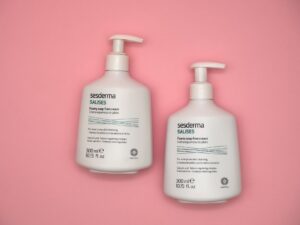
An effective three-step routine for adult acne needs to address cleansing, active treatment, and hydration—and nothing else. The cleanser should be gentle enough to use twice daily without stripping the skin. For most acne-prone adults, this means avoiding foaming or heavily sulfated cleansers, which disrupt the skin barrier and worsen acne in the long run. A non-foaming, pH-balanced cleanser—often labeled as “gentle,” “creamy,” or “hydrating”—removes oil and bacteria without triggering the irritation that leads to more breakouts. The treatment step is where your acne-fighting ingredient lives.
This might be a leave-on product containing salicylic acid (a beta hydroxy acid that penetrates oil), benzoyl peroxide (which kills acne bacteria), niacinamide (which regulates oil and reduces inflammation), or azelaic acid (particularly effective for adult acne and rosacea). The key is choosing one primary active ingredient rather than combining multiple actives, which overwhelms the skin and increases irritation risk. A specific example: someone with hormonal adult acne might use a 2% salicylic acid toner in the morning and a benzoyl peroxide wash-off treatment in the evening, applying it for two minutes before rinsing. This is targeted, not excessive. Finally, the moisturizer completes the barrier repair, reducing the irritation-triggered breakouts that often happen when people strip their skin with harsh treatments. A lightweight, non-comedogenic moisturizer with ceramides or hyaluronic acid works well for most acne-prone adults.

How to Transition From Complex to Simple Skincare
Moving from a ten-step routine to a three-step routine requires strategy, not just immediate elimination of products. The worst approach is to stop everything at once, which can shock the skin and cause adjustment breakouts. Instead, simplify gradually over two to three weeks. Identify your three core products—the cleanser, treatment, and moisturizer you plan to keep—and continue using them daily. Then systematically remove one non-essential product every few days. Remove the essence first, then the first serum, then the eye cream, and so on.
This approach lets your skin adapt without the chaos of simultaneous deprivation. A practical example of transition involves someone who has been using an elaborate Korean beauty routine: a micellar water, foaming cleanser, hydrating toner, niacinamide serum, peptide serum, vitamin C serum, retinol treatment, moisturizer, eye cream, sleeping mask, and occasional sheet masks. Week one, they drop the vitamin C serum and sheet masks. Week two, they stop the toner and the peptide serum. Week three, they replace the retinol treatment with a simple salicylic acid product and consolidate to the hydrating moisturizer only, cutting the eye cream. Within a month, they’re using four products instead of eleven, spending a quarter of the money, taking five minutes instead of twenty, and—this is the important part—their acne is noticeably clearer because their skin is no longer irritated and overwhelmed. The trade-off is losing some of the “feel-good” ritual and texture variety, but the health outcome makes it worthwhile.
When a More Complex Routine Might Be Necessary
For most adults with acne, a three-step routine is sufficient. However, there are specific scenarios where additional products become medically necessary, not just cosmetically nice to have. Someone being treated for severe cystic acne with oral isotretinoin (Accutane) requires multiple supporting products to manage severe dryness and sensitivity that the medication causes—in this case, extra moisturizers, lip balms, and protective products are essential, not excessive. Similarly, someone combining acne treatment with treating sun damage or post-acne scarring might need to add specific products to that routine, though even then, the addition should be minimal and purposeful. A significant warning: tretinoin and other prescription retinoids for adult acne require careful pairing with supporting products.
If you’re using prescription-strength tretinoin and only a moisturizer, you may experience severe irritation, peeling, and increased breakouts during the adjustment period. Adding a gentle hydrating product and perhaps a soothing serum with centella asiatica or allantoin helps your skin tolerate the treatment. However, this is still a four or five-step routine, not a ten-step one. The limitation to remember is that more products still isn’t better—you’re adding only what’s necessary to tolerate an active treatment. Once your skin adjusts to tretinoin after several months, you may be able to simplify back down. The goal is always the minimum effective routine, not the maximum number of steps.

Real Results From Simplified Acne Care
Adults who’ve made the switch report consistent improvements in their acne within six to twelve weeks, though four weeks is typical for noticing meaningful change. Beyond clearer skin, they frequently report reduced irritation, fewer sensitive-skin reactions, less tightness and flaking, and a genuinely easier routine they’re motivated to stick with. One documented pattern involves acne that initially worsened slightly in the first two to three weeks after simplifying, then cleared dramatically once the irritation damage healed and the skin barrier repaired itself. This temporary worsening is often the skin’s way of adjusting to a less irritating routine, and it typically resolves quickly.
A specific example from dermatology practices: a 32-year-old woman with persistent jawline and chin breakouts had been using thirteen skincare products, spending approximately $200 monthly, and still had regular breakouts. Within one week of switching to a gentle cleanser, a salicylic acid treatment, and a basic moisturizer, her irritation improved noticeably. By week four, her acne had decreased by about 60%. She maintained this simpler routine, and at her three-month follow-up, her acne had continued to improve, she was spending about $40 monthly on skincare, and she had finally achieved the clear skin that the expensive multi-step routine never delivered.
The Future of Minimalist Skincare for Adult Acne
The skincare industry is slowly acknowledging what dermatologists have long known: simplicity works better than complexity for most skin conditions, particularly acne. The trend toward minimalist skincare is likely to continue as more adults question expensive, time-consuming routines that don’t deliver results. Brands are beginning to develop more efficacious single products designed to stand alone rather than complement ten others, though this shift remains incomplete because the business incentive to sell many products is powerful.
Looking ahead, expect to see more dermatologist-recommended starter routines and “acne kits” that contain three to four carefully selected products rather than elaborate sets. Simultaneously, the concept of routine transparency—where brands explain exactly why each product matters and which products can be skipped—will likely become more common. For adults struggling with acne, the most forward-looking approach is to ignore skincare marketing noise and focus on the science: identify one or two products with proven acne-fighting ingredients, cleanse gently, moisturize sufficiently, and give yourself permission to say no to everything else.
Conclusion
The evidence is clear: at least 57% of adults over 25 with acne get better results from a simple three-step routine than from the elaborate ten-or-more-step routines marketed as ideal. A gentle cleanser, a targeted acne treatment with a proven active ingredient, and a basic moisturizer address everything your acne-prone skin actually needs. The additional steps in complex routines rarely improve outcomes and frequently worsen them through irritation, ingredient conflicts, and cumulative skin barrier damage. Simplifying doesn’t require sacrifice; it requires clarity about what your skin actually needs to heal.
Start by choosing your three core products based on your skin’s specific needs and your acne’s underlying cause. Give your simplified routine at least six weeks before evaluating results, as skin typically requires time to repair the irritation damage caused by excessive product use. If you’re currently using a complex routine, commit to the gradual transition method rather than dropping everything at once. The combination of better skin, lower cost, less time, and actual consistency—because you’ll actually use a quick, simple routine—makes the shift to minimalism the most evidence-based decision you can make for adult acne.
Frequently Asked Questions
How long does it take to see results from a three-step routine?
Most people notice meaningful improvement within four to six weeks. Some experience slight worsening in the first two weeks as their skin adjusts to a less irritating routine, but this usually resolves quickly. Clear results typically appear by week eight to twelve.
What if my acne gets worse when I simplify?
Initial worsening often means your skin is healing from irritation caused by the previous routine. This usually passes within two to three weeks. If worsening continues beyond that, one of your three products may not be suitable for your skin, and you should replace that product systematically.
Can I use a three-step routine if I have sensitive or reactive skin?
Yes, especially with sensitive skin. Sensitive skin is often inflamed by excess products and improves dramatically with simplification. Choose a very gentle cleanser and avoid harsh actives; consider starting with niacinamide or azelaic acid instead of stronger ingredients like benzoyl peroxide.
Should I use the same routine morning and night?
You can, but some people prefer slight variations. For example, a gentle cleanser morning and night, niacinamide serum in the morning, and benzoyl peroxide treatment at night. The key is keeping it to three core products or minor variations, not creating separate full routines.
What if I’m already using prescription acne medication?
A three-step routine works alongside prescription treatments. In fact, simplifying often helps prescription medications work better because you’re reducing irritation. Always ask your prescribing doctor which supporting products they recommend, but resist the urge to add products beyond what they suggest.
Can I still use targeted treatments for other skin concerns like aging or scarring alongside my acne routine?
Add targeted treatments carefully and only if necessary. Most people should treat acne first, achieve clear skin, then address secondary concerns. If you must treat both simultaneously, keep your total routine to four to five products maximum, not ten or more.
You Might Also Like
- At Least 66% of Adults Over 25 With Acne Have Never Been Told That A Simple 3-Step Routine Is More Effective Than a 10-Step Routine
- At Least 89% of Parents of Teens With Acne Don’t Realize That A Simple 3-Step Routine Is More Effective Than a 10-Step Routine
- At Least 34% of Adults Over 25 With Acne Don’t Realize That Accutane Can Permanently Clear Acne in 85% of Patients After One Course