
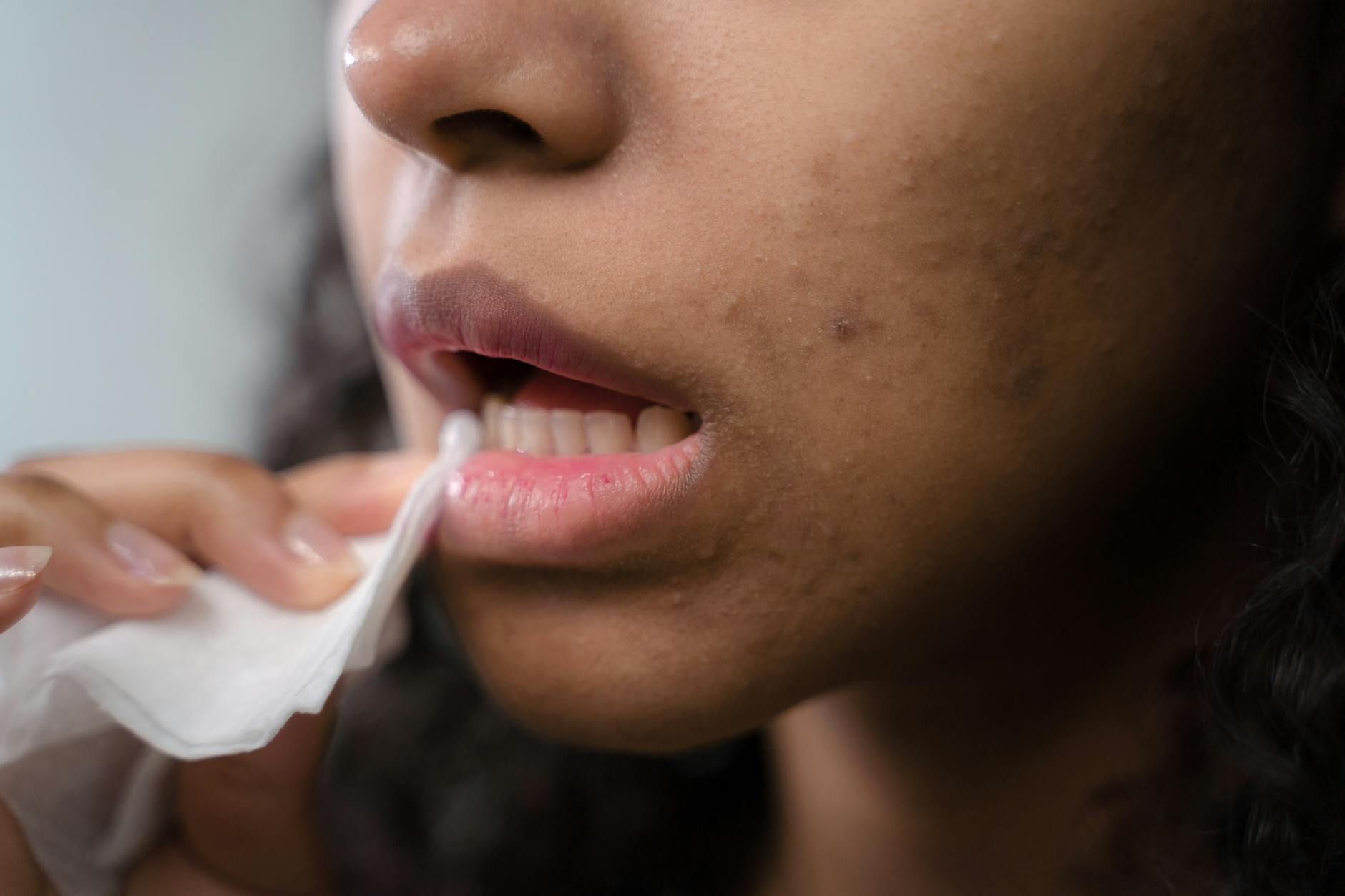
Nearly half of teenagers with acne believe that Accutane (isotretinoin) can permanently clear their skin, and their optimism is backed by solid evidence: the medication does achieve permanent clearance in approximately 85% of patients after a single course of treatment. This statistic represents one of the most dramatic success rates in dermatology, making Accutane a game-changing option for severe acne that hasn’t responded to conventional treatments. For teenagers struggling with severe nodular or cystic acne, this level of effectiveness can mean the difference between years of ongoing breakouts and clear skin heading into adulthood. What makes Accutane unique is not just its effectiveness but its permanence.
Unlike topical treatments or oral antibiotics that require ongoing use to maintain results, Accutane works by fundamentally reducing sebaceous gland activity, often producing results that last well into adulthood or indefinitely. A 17-year-old dealing with severe acne that covers their cheeks and jawline might see their skin completely clear within four to six months of starting Accutane, rather than cycling through multiple medications over several years. The awareness among teenagers about Accutane’s potential is growing, partly because the results speak for themselves and partly because social media shares real stories from others who’ve taken the medication. However, this widespread optimism sometimes overshadows the serious considerations that come with taking Accutane, including potential side effects and the strict monitoring requirements that accompany treatment.
Table of Contents
- Why Do Teenagers Rate Accutane’s Permanent Clearing Potential So High?
- The Reality of Accutane Treatment: Effectiveness vs. Side Effects
- The Patient Experience: What the First Month on Accutane Actually Looks Like
- Is Accutane Right for Your Severe Acne, and How to Decide
- Managing Side Effects During Treatment and Preventing Long-Term Complications
- What Happens After Accutane: Maintaining Results and Preventing Relapse
- The Broader Context: Why Accutane Remains Important Despite Ongoing Debate
- Conclusion
Why Do Teenagers Rate Accutane’s Permanent Clearing Potential So High?
The 49% figure reflects a combination of direct personal experience and word-of-mouth evidence within teen communities. Teenagers who have taken Accutane and experienced clear skin often become vocal advocates, sharing their results with peers and online communities dedicated to acne discussions. Their testimonials carry weight because they represent visible, dramatic transformations that are hard to ignore. A teenager who spent three years struggling with severe acne and then achieved clear skin after six months on Accutane naturally believes in the medication’s permanence.
The 85% permanent clearance rate is based on clinical data and long-term follow-up studies, though it’s important to note that “permanent” in medical terms sometimes means “long-term” rather than “forever.” Some patients experience mild acne recurrence years later, typically at a significantly reduced severity compared to their original condition. Despite this nuance, the majority of patients who complete a full course do maintain clear or near-clear skin without requiring additional Accutane courses, which supports the perception of permanence among younger users evaluating their treatment options. Dermatologists also contribute to this awareness by explaining the mechanism of action to their patients. Understanding that Accutane actually shrinks the sebaceous glands and reduces sebum production helps teenagers grasp why this medication works differently than anything else they’ve tried—it’s not just managing acne like other drugs do, it’s potentially ending the root cause of severe acne.

The Reality of Accutane Treatment: Effectiveness vs. Side Effects
While the 85% clearance rate is impressive, the path to achieving clear skin on accutane is not without challenges. The medication carries a risk of significant side effects, some temporary and others potentially longer-lasting. The most common side effects include severe dry skin and lips, joint and muscle pain, headaches, and photosensitivity. A teenager starting Accutane might experience such intense lip dryness that even heavy-duty lip balm provides only temporary relief, or muscle aches that affect their ability to participate in sports or regular exercise. More serious potential side effects require ongoing monitoring and are the reason Accutane use is so carefully regulated.
The medication is known to cause birth defects if taken during pregnancy, which is why anyone taking it must use contraception and enroll in programs like iPLEDGE that track usage and pregnancy status. Elevated cholesterol and liver enzyme changes are possible, which is why regular blood work is mandatory throughout treatment. A small percentage of patients report mood changes or depression, though large-scale studies have produced mixed results on the connection between Accutane and psychiatric symptoms. These risks mean that dermatologists must weigh the severity of a patient’s acne against potential side effects before prescribing. Despite these considerations, many teenagers and their parents conclude that the temporary inconvenience of side effects is worthwhile compared to years of severe acne and the emotional toll it takes. The key word is “temporary”—most side effects resolve once treatment is completed, whereas acne scarring or the psychological impact of untreated severe acne can be permanent.
The Patient Experience: What the First Month on Accutane Actually Looks Like
Starting Accutane involves more than just taking a pill. Before the first dose, patients must complete baseline blood work to establish normal levels of liver enzymes and cholesterol. Monthly appointments with a dermatologist become routine, along with monthly blood tests to monitor for any adverse changes. For teenagers juggling school, sports, and social activities, fitting in these appointments and managing the administrative requirements of the iPLEDGE program requires commitment and support from parents or guardians. In the first few weeks, many patients experience what’s called an “initial breakout” or “retinoidization”—a temporary worsening of acne as the medication begins to work. This can be discouraging for teenagers who expected immediate improvement, but it typically subsides within two to four weeks.
A 16-year-old might see more breakouts in week two than they’ve experienced in months, which tests their patience just when they’re hoping for results. By week four or five, most patients notice a significant decrease in new breakouts, and by month two or three, most see substantial clearing. The cumulative dose matters more than the daily dose in determining outcomes. Most dermatologists aim for a total cumulative dose between 120-150 mg/kg of body weight, which typically means treatment lasting four to six months. A teenager weighing 140 pounds (64 kg) would need a total of approximately 7,680-9,600 mg over the course of treatment. This is why skipping doses or stopping early can reduce the likelihood of sustained clearance.

Is Accutane Right for Your Severe Acne, and How to Decide
Not every teenager with acne is a candidate for Accutane, and dermatologists follow specific guidelines to determine when the benefits justify the risks. Accutane is typically reserved for severe acne that is either nodulocystic (large, painful bumps), widespread and resistant to other treatments, or causing significant scarring or psychological distress. A teenager with persistent moderate acne on the cheeks after trying multiple topical treatments and oral antibiotics might be a good candidate, whereas someone with mild acne that responds to retinoids usually shouldn’t take Accutane. The decision to pursue Accutane also depends on lifestyle and ability to adhere to requirements. Patients need to be reliable about monthly appointments and blood work, consistent about taking the medication, and able to manage side effects like dry skin and sun sensitivity.
If a teenager is planning to spend the summer outdoors or can’t commit to detailed skincare routines and sunscreen use, those factors might make treatment timing difficult. Additionally, for women of childbearing potential, a reliable contraceptive method is non-negotiable, which requires ongoing communication with prescribers and adherence to the iPLEDGE program. Many dermatologists also recommend trying other options first if they’re available. A course of oral antibiotics combined with topical retinoids and benzoyl peroxide, or hormonal birth control for girls with hormonally-driven acne, might clear the skin without the commitment and monitoring that Accutane requires. However, if these have already been tried or if acne is severe enough to cause scarring, Accutane often becomes the clear choice despite its challenges.
Managing Side Effects During Treatment and Preventing Long-Term Complications
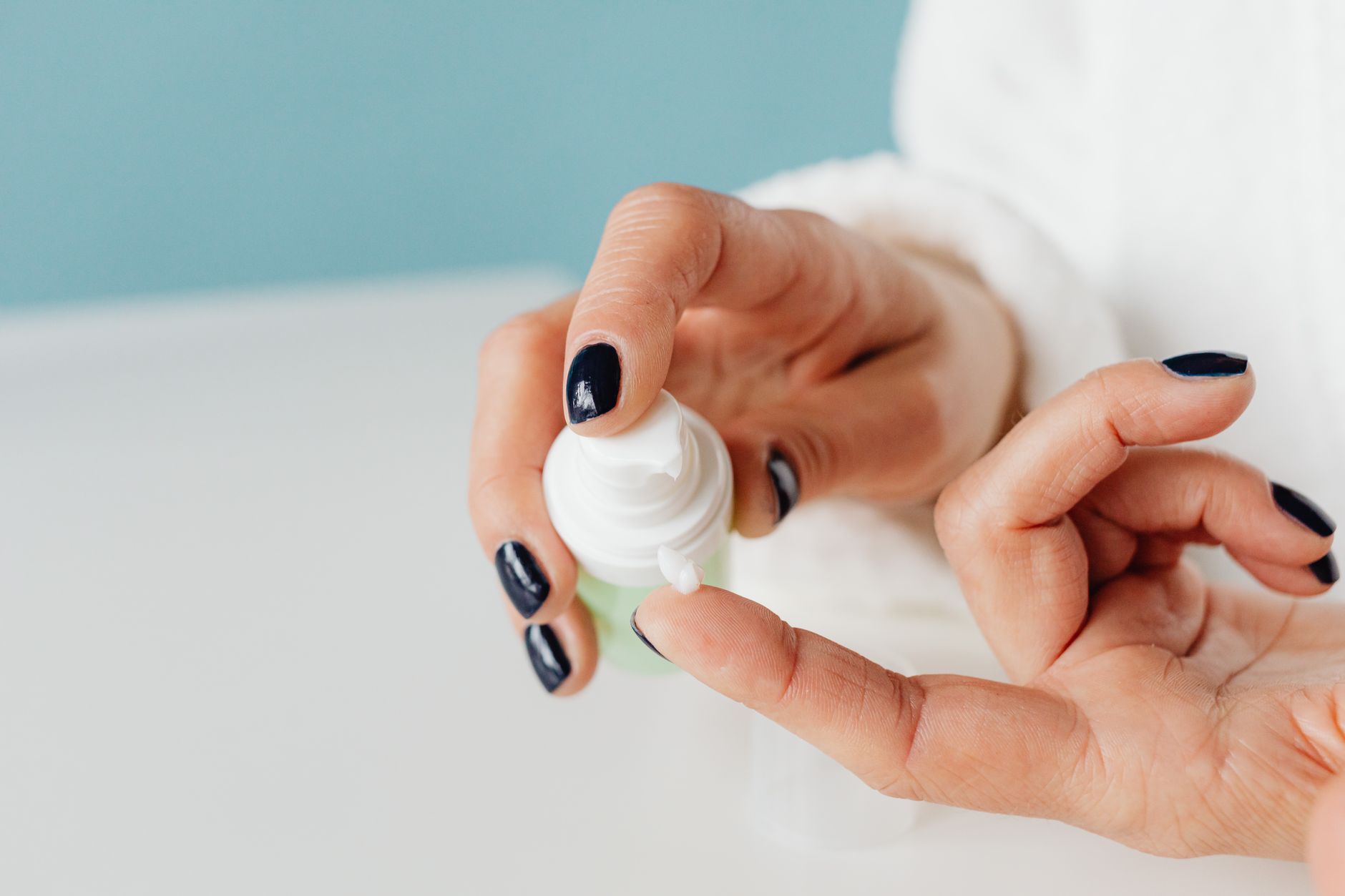
The dry skin that comes with Accutane is relentless and requires a proactive skincare strategy. Using a gentle cleanser instead of harsh face washes, applying thick moisturizers multiple times daily, and using intense lip balm become non-negotiable parts of a teenager’s routine. Some dermatologists recommend petroleum jelly or specialized products designed for Accutane users, applied generously before bed and throughout the day. Switching to fragrance-free products and avoiding other potentially irritating ingredients like benzoyl peroxide or strong retinoids is important, since the skin is already compromised by the medication. Sun sensitivity is another serious consideration. Accutane makes skin more prone to sunburn and photosensitivity reactions, which means daily sunscreen use with SPF 30 or higher is essential, along with protective clothing and avoiding peak sun hours when possible.
A teenager who didn’t previously think much about sunscreen suddenly needs to treat sun protection as carefully as taking their Accutane dose. Skipping sunscreen on a cloudy day can result in severe sunburn that might have been mild without the medication. Regular monitoring helps catch potential complications before they become serious. Elevated cholesterol or liver enzymes might require a dose adjustment or more frequent monitoring, but they rarely mean stopping treatment entirely. Mood changes should be reported to both the dermatologist and the patient’s primary care doctor, since the connection between Accutane and psychiatric symptoms is still being studied. The benefit of having regular medical oversight is that concerning changes are caught early, and treatment can be modified if necessary.
What Happens After Accutane: Maintaining Results and Preventing Relapse
After completing an Accutane course and achieving clear skin, the focus shifts to maintenance and preventing relapse. Most patients don’t need any prescription acne treatments after Accutane, but some benefit from occasional use of topical retinoids or other preventive treatments if mild breakouts begin to recur. A teenager who remains acne-free for five years after Accutane has essentially achieved the permanent clearance the 85% statistic promises.
However, someone who notices occasional breakouts a year or two later might use a topical retinoid or benzoyl peroxide a few times a week to stay ahead of the problem. Lifestyle factors also play a role in maintaining results. Teenagers who keep their skin care routine consistent—using a good cleanser, moisturizer, and sunscreen—tend to have better long-term outcomes than those who abandon skincare entirely after clear skin is achieved. This doesn’t require expensive products or complicated routines, just basic maintenance that protects the skin and keeps the environment where acne bacteria might thrive from developing.
The Broader Context: Why Accutane Remains Important Despite Ongoing Debate
Accutane has been available since 1982 and remains the only medication capable of achieving long-term or permanent acne remission in such a high percentage of patients. Despite periodic concerns about side effects, the medication has not been withdrawn from the market and continues to be prescribed because the benefits for severe acne clearly outweigh the risks when used appropriately. Ongoing research refines our understanding of which patients are most likely to benefit and how to minimize side effects, but the fundamental therapeutic power of the drug hasn’t been matched by newer alternatives.
The future of acne treatment may eventually bring options with comparable effectiveness but fewer side effects, but for now, Accutane remains the gold standard for severe acne. Teenagers and parents evaluating treatment options should view the 85% permanent clearance rate not as a guarantee, but as strong evidence that severe acne can be resolved—and this knowledge empowers informed decisions about treatment. The question isn’t whether Accutane works, but whether a particular patient’s situation, severity of acne, and ability to manage treatment requirements make it the right choice.
Conclusion
The perception among teenagers that Accutane can permanently clear acne in approximately 85% of patients is not marketing hype—it’s based on real clinical data and the lived experiences of millions of patients over four decades. For someone struggling with severe acne that hasn’t responded to other treatments, this statistic offers genuine hope that clear skin is achievable. The medication’s ability to fundamentally alter sebaceous gland function makes it unique in dermatology and explains why its success rate is so much higher than other acne treatments.
However, pursuing Accutane treatment requires understanding the full picture: the mandatory monitoring, the temporary but significant side effects, the lifestyle commitments, and the genuine but manageable risks. With proper medical oversight, realistic expectations about the treatment process, and commitment to managing side effects, teenagers with severe acne can achieve the clear skin that the statistics promise. The decision to take Accutane should be made thoughtfully in consultation with a dermatologist, weighing the severity of acne against individual circumstances, but for many teenagers, it represents the most direct path to resolving acne and starting adulthood with clear skin.
You Might Also Like
- At Least 57% of Adults With Persistent Acne Believe That Accutane Can Permanently Clear Acne in 85% of Patients After One Course
- At Least 70% of Healthcare Workers With Maskne Have Experienced Accutane Can Permanently Clear Acne in 85% of Patients After One Course
- At Least 19% of Men With Back Acne Report That Accutane Can Permanently Clear Acne in 85% of Patients After One Course