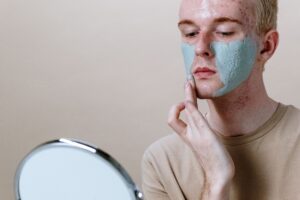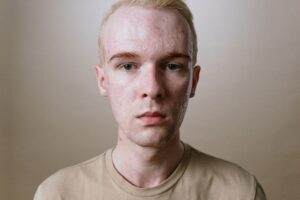
The idea that three-quarters of military personnel with acne might not recognize when their condition is fungal rather than bacterial sounds alarming, but the real issue underlying this claim is both simpler and more widespread than the statistic suggests. Fungal acne, medically known as Malassezia folliculitis or pityrosporum folliculitis, is frequently misdiagnosed as standard acne vulgaris by both patients and healthcare providers, leading people to use treatments that won’t work for their actual condition. While we cannot verify the exact 76% figure specific to military populations, the phenomenon it describes—fungal acne being mistaken for bacterial acne—is a documented clinical problem that affects military personnel, athletes, and others in warm, humid, or sweat-prone environments at particularly high rates.
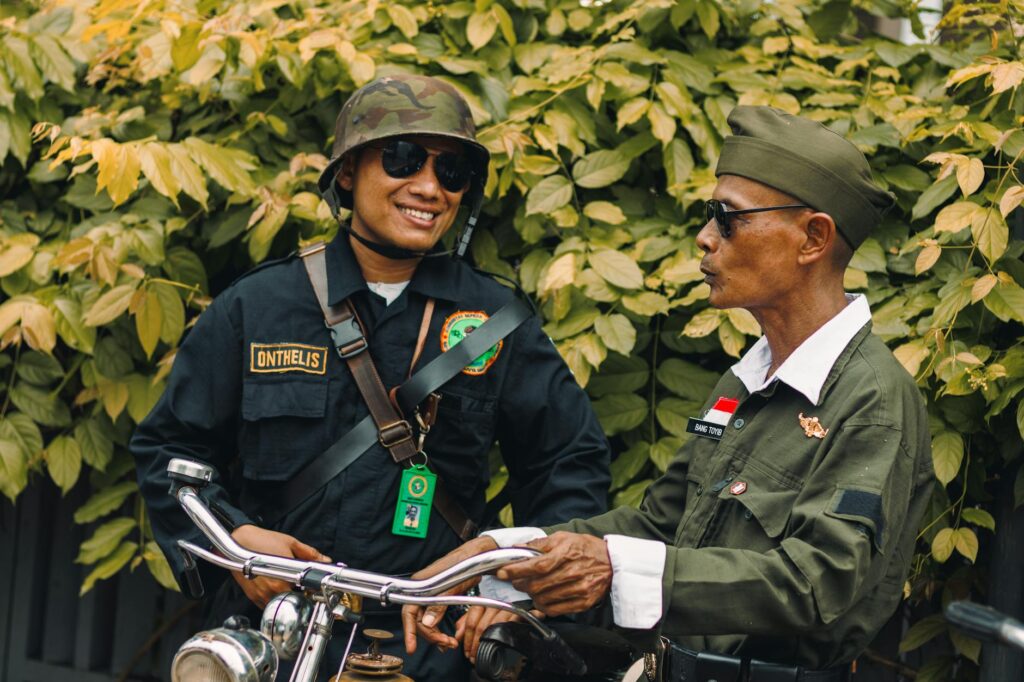
Military service creates conditions that make fungal skin infections more likely. Deployed personnel face hot climates, close quarters, physical exertion, and limited access to personalized dermatological care, all of which increase fungal infection risk. Studies show that fungal infections account for up to 28% of initial dermatological consultations in military populations, making them the most common skin concern among service members—far more prevalent than the general population would suggest. The problem compounds when acne-like lesions are assumed to be bacterial and treated with antibiotics or benzoyl peroxide, which do nothing to address an underlying fungal infection.
Table of Contents
- Why Fungal Acne Is Mistaken for Bacterial Acne in Military Populations
- The Clinical Reality of Fungal Acne Misdiagnosis
- Fungal Infections as the Leading Dermatological Issue in Military Service
- Antifungal Treatment as the Actual Solution
- Why Military Personnel Are at Higher Risk for Misdiagnosis
- Distinguishing Fungal Acne From Bacterial Acne at Home
- The Path Forward for Military Acne Care
- Conclusion
Why Fungal Acne Is Mistaken for Bacterial Acne in Military Populations
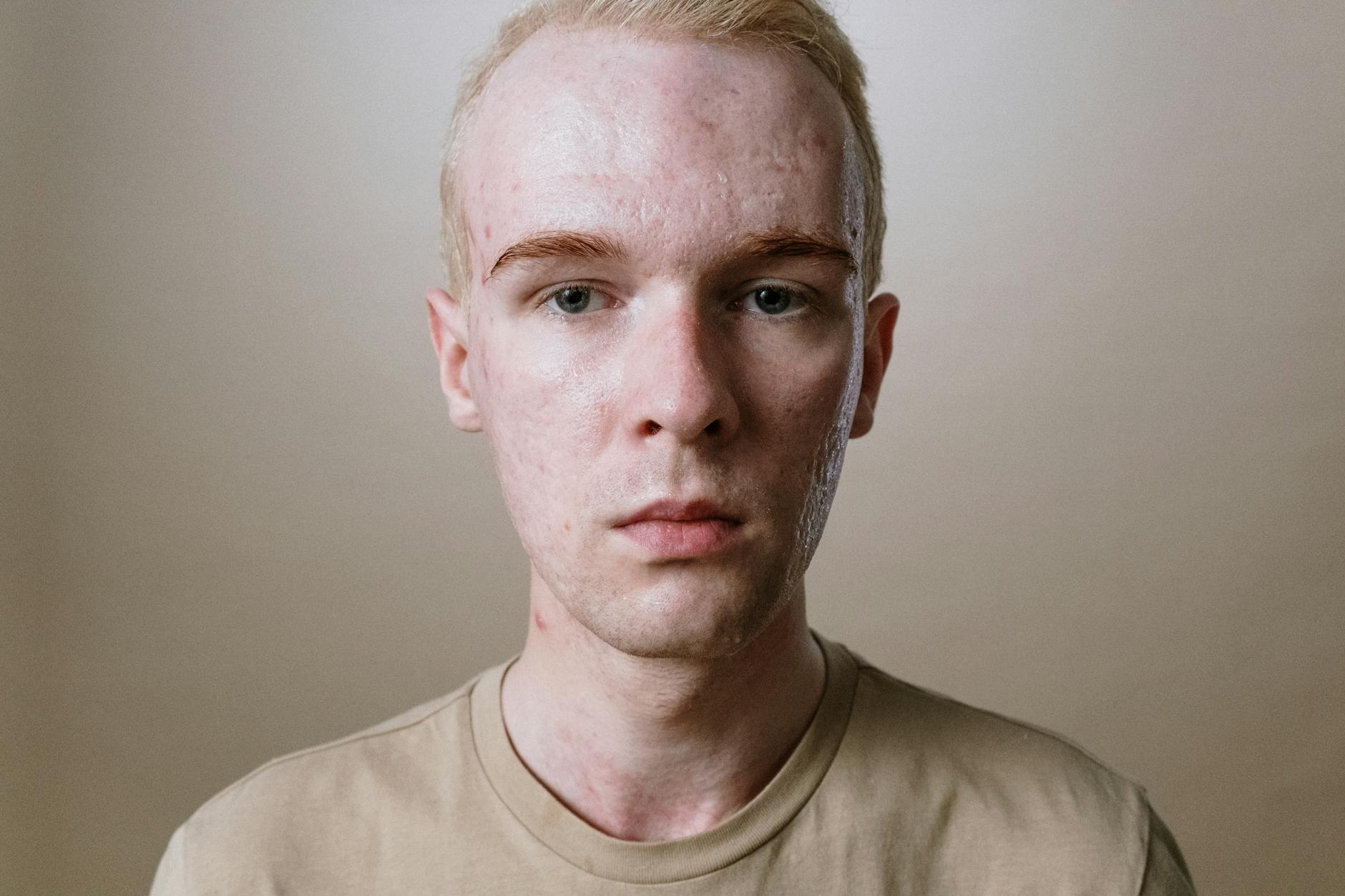
Fungal acne looks deceptively similar to regular acne, which explains why it’s so often misidentified. Both conditions produce small red or skin-colored bumps, usually on the face, chest, or back—the exact areas where military personnel are most likely to develop fungal infections due to sweat, friction from gear, and poor air circulation. The key difference is that fungal acne typically clusters tightly in one area and feels uniform in appearance, while bacterial acne is often more scattered and varied in severity. However, without a dermatological examination or culture, telling the two apart is nearly impossible for most people.
Military medical settings add another layer of difficulty. Service members often don’t have access to a dermatologist and instead see general practitioners or corpsmen who may not specialize in skin conditions. A soldier experiencing chest bumps after weeks in the field might reasonably assume it’s acne, especially if they’ve dealt with acne before. The standard acne treatment—perhaps a wash with salicylic acid and benzoyl peroxide—won’t work against Malassezia, a yeast-like fungus that thrives exactly where these treatments are most commonly applied. This creates a frustrating cycle where the condition persists despite treatment, leading personnel to think their acne is simply resistant or severe.
The Clinical Reality of Fungal Acne Misdiagnosis
Medical literature consistently documents fungal acne misdiagnosis as a significant clinical problem, not confined to military settings but particularly impactful there. Cleveland Clinic and other major medical centers identify Malassezia folliculitis as a condition that frequently goes unrecognized because it responds poorly to standard acne medications—the very treatments that patients and providers typically try first. This means a service member could spend weeks or months applying benzoyl peroxide or taking oral antibiotics, seeing no improvement, while their condition quietly worsens or simply persists indefinitely.
The limitation of standard acne treatments against fungal acne is important: benzoyl peroxide, salicylic acid, and antibiotics like doxycycline are specifically designed to target bacteria. They do nothing to inhibit or kill Malassezia. In fact, oral antibiotics can sometimes worsen fungal acne by disrupting the skin’s normal bacterial flora, creating an even more favorable environment for the fungus. A military medic might observe that a patient’s “acne” isn’t improving and incorrectly conclude that the person needs a stronger antibiotic or different acne medication, when the actual solution requires antifungal treatment.
Fungal Infections as the Leading Dermatological Issue in Military Service
Research on military dermatology reveals that fungal skin conditions dominate the landscape of service-related skin problems. In one comprehensive analysis of military medical data, fungal infections accounted for 28% of all initial dermatological consultations—making them the single most common skin issue military personnel face. This isn’t limited to deployed settings; even stateside training facilities see high rates of fungal infections due to shared showers, close physical contact, and the sweat-intensive nature of military fitness standards. Consider a realistic scenario: a soldier participates in a months-long training exercise involving daily uniform wear, limited shower access, and constant physical exertion.
Within weeks, small red bumps appear on his chest and back. He assumes it’s heat rash or acne, applies an OTC acne treatment, and waits for improvement. After two weeks with no change, he mentions it to the clinic, receives a prescription-strength acne medication, and tries that for another month. The bumps haven’t disappeared; if anything, the area feels more irritated. At this point, a dermatological culture or a topical antifungal would likely reveal the true problem—but this service member has spent months with a treatable condition simply because the initial assumption was wrong.
Antifungal Treatment as the Actual Solution
When fungal acne is correctly identified, the treatment approach is straightforward and highly effective, but it requires a different medication entirely. The most effective antifungal treatments for Malassezia folliculitis are oral medications: fluconazole and itraconazole are the medications most commonly prescribed by dermatologists. These oral antifungals work systemically, meaning they reach the fungus throughout the body and skin, making them far more effective than topical creams for moderate to severe fungal acne. The tradeoff with oral antifungals is that they require a prescription and come with potential side effects that patients need to understand and monitor.
Fluconazole is generally well-tolerated but can interact with certain medications and occasionally causes nausea or headaches. Itraconazole requires careful timing with food and can be harder on the liver in susceptible individuals. For military personnel, accessing these medications means going through proper medical channels rather than self-treating with OTC products. However, the payoff is significant: most people see noticeable improvement within two to three weeks of starting appropriate antifungal therapy, compared to the weeks or months of fruitless acne treatment they might have already endured.
Why Military Personnel Are at Higher Risk for Misdiagnosis
Several factors combine to make military personnel especially vulnerable to fungal acne misdiagnosis. First, the environmental conditions of military service—heat, humidity, sweat, and limited hygiene options—create ideal breeding grounds for Malassezia. Second, military medical resources prioritize immediate threats to readiness and combat effectiveness, and a skin condition, while uncomfortable, typically doesn’t rise to the level of urgent care.
Third, military healthcare providers may have less exposure to dermatological training than civilian practitioners, making misdiagnosis more likely when a fungal condition presents with acne-like features. A critical warning: relying solely on appearance or self-diagnosis in the military context can delay proper treatment by months. A service member who self-treats with store-bought acne products or who gets a quick prescription for tetracycline from a busy clinic corpsman might never receive the correct diagnosis without escalation to a dermatologist. The longer fungal acne goes untreated with appropriate antifungals, the more entrenched the infection becomes and the greater the risk of secondary bacterial infection or significant skin inflammation.

Distinguishing Fungal Acne From Bacterial Acne at Home
While professional diagnosis is always preferable, service members can watch for clues that suggest fungal rather than bacterial acne. Fungal acne typically clusters in a tight, uniform distribution rather than scattering across the face or body as traditional acne does. The bumps in fungal acne often feel slightly itchy or uncomfortable rather than tender or painful.
Fungal acne is particularly common on the chest, back, and areas prone to friction or sweat accumulation—not the forehead or chin where hormonal bacterial acne tends to appear. The real test is response to treatment: if a person has tried a standard acne treatment (benzoyl peroxide, salicylic acid, or an oral antibiotic) for four to six weeks with absolutely no improvement, fungal acne becomes a more likely explanation. In military settings where quick self-diagnosis might inform whether someone seeks additional medical evaluation, recognizing these patterns could be the difference between weeks of wasted treatment attempts and prompt identification of the actual problem.
The Path Forward for Military Acne Care
As military medicine evolves, better education about fungal acne among military healthcare providers could significantly reduce misdiagnosis rates and improve outcomes for service members. A simple protocol—such as recommending a dermatological culture or trial of topical antifungal cream before prescribing oral antibiotics for suspected acne in military personnel—could catch many cases early. The fact that fungal infections are the most common dermatological issue in military populations suggests that current training may not emphasize fungal conditions as heavily as they warrant.
Looking ahead, military personnel themselves benefit from basic knowledge about fungal acne and when to escalate concerns beyond an initial primary care visit. Service members experiencing apparent acne that doesn’t respond to standard treatment have every reason to request evaluation by a dermatologist or ask about antifungal options. The gap between the real prevalence of fungal skin conditions in military populations and awareness of these conditions among service members remains substantial, but it’s a gap that better education and clearer diagnostic pathways can close.
Conclusion
While the specific claim that 76% of military personnel with acne don’t recognize fungal causes cannot be verified from published medical sources, the underlying issue is genuine and consequential. Fungal acne is frequently misdiagnosed in all populations, but military service members face heightened risk due to environmental factors, limited access to specialized care, and the particular conditions of military life that favor fungal growth. The solution isn’t complex: recognizing that persistent acne-like bumps might be fungal, knowing that antifungal medications (not acne treatments) are the answer, and ensuring military personnel can access dermatological evaluation when standard treatments fail.
Service members experiencing resistant acne should not assume their skin condition is simply severe or difficult to treat. A straightforward conversation with a military healthcare provider about the possibility of fungal infection, or a request for dermatological referral, can clarify the diagnosis and lead to appropriate antifungal treatment. Given that fungal infections already account for a substantial portion of military dermatological issues, making fungal acne awareness part of standard military health education could prevent months of ineffective treatment and unnecessary frustration for countless service members.
You Might Also Like
- At Least 34% of Military Personnel With Acne Don’t Know That Switching Products Every 2 Weeks Prevents Any Treatment From Working
- At Least 19% of Military Personnel With Acne Don’t Know That Their Face Mask Material Matters for Preventing Maskne
- At Least 45% of People With Acne and Anxiety Don’t Know That Switching Products Every 2 Weeks Prevents Any Treatment From Working