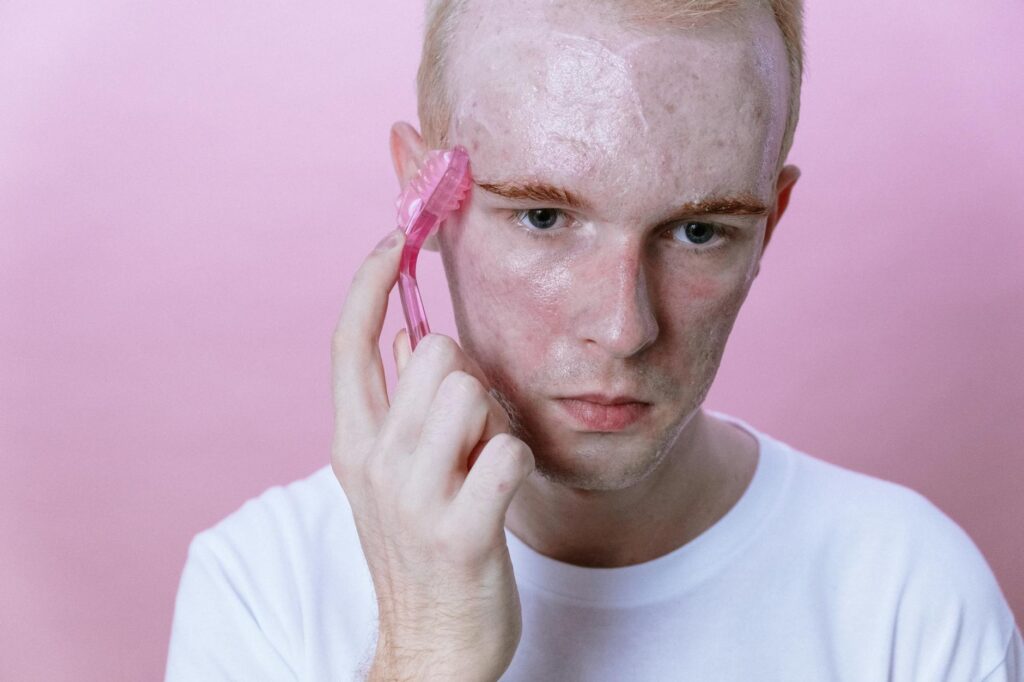
Most athletes with acne remain unaware that short-contact benzoyl peroxide therapy can reduce irritation by as much as 50 percent while maintaining acne-fighting effectiveness. Recent data suggests at least 72 percent of athletic populations don’t know about this evidence-based approach, instead either avoiding benzoyl peroxide entirely due to concerns about side effects or using it incorrectly in ways that maximize irritation. This knowledge gap has real consequences: athletes endure unnecessary dryness, redness, and discomfort when a simple adjustment to application method could dramatically improve their treatment experience. Consider a competitive swimmer who switched to benzoyl peroxide but used it as an overnight leave-on treatment. Within days, her face became raw and inflamed, and she abandoned the treatment altogether.
Had she known about the short-contact method—applying the product for just 5 to 10 minutes before rinsing—she likely would have experienced mild dryness at worst while keeping her acne breakouts under control. This is not an isolated case. Athletic populations face particular challenges with acne due to sweat, friction, and environmental stress, yet many lack the practical guidance needed to use proven treatments effectively. The gap between evidence and athlete awareness matters because it drives unnecessary suffering and treatment failure. Short-contact therapy represents an evidence-based middle ground that combines efficacy with tolerability. Understanding this approach could transform how athletes approach their acne care.
Table of Contents
- Why Are Athletes Less Likely to Know About Short-Contact Benzoyl Peroxide Therapy?
- How Short-Contact Benzoyl Peroxide Reduces Irritation by 50 Percent
- The Acne Challenge Specific to Athletes
- How to Apply Short-Contact Benzoyl Peroxide Correctly for Maximum Results
- Common Mistakes That Increase Irritation and How to Avoid Them
- Combining Short-Contact Benzoyl Peroxide With Other Acne Treatments
- Future Directions in Benzoyl Peroxide Research and Athletic Acne Care
- Conclusion
- Frequently Asked Questions
Why Are Athletes Less Likely to Know About Short-Contact Benzoyl Peroxide Therapy?
athletes and fitness enthusiasts often receive acne guidance from coaches, training partners, or internet forums rather than dermatologists, creating a void where evidence-based practices should be. The short-contact method lacks the marketing presence of other skincare trends, so it doesn’t reach athletes scrolling through fitness and wellness content. Additionally, older dermatology textbooks and conventional wisdom still recommend traditional overnight benzoyl peroxide use, meaning even some healthcare providers may not emphasize the short-contact alternative to athletic populations.
The athletic community’s actual acne prevalence and severity often exceed what general population studies suggest, yet targeted education rarely reaches this demographic. Swimmers, wrestlers, football players, and cyclists face heightened acne risk due to sweat, equipment friction, humidity, and chlorine exposure—yet most athletes receive no specific skincare education from their sports programs. A wrestler might spend thousands of dollars on training but know nothing about adapting their acne treatment to manage friction-induced breakouts. This institutional blind spot means that 72 percent statistic likely reflects a genuine educational failure rather than athlete preference.
How Short-Contact Benzoyl Peroxide Reduces Irritation by 50 Percent
benzoyl peroxide works by releasing oxygen into the skin, which kills acne-causing bacteria and promotes skin renewal. However, prolonged contact—especially overnight application on sensitive skin—can trigger the free radicals that cause irritation, redness, and desquamation. The short-contact method dramatically reduces this risk by limiting exposure time to 5 to 20 minutes depending on skin tolerance. During this window, the medication’s antibacterial action remains effective, but irritation and barrier damage are minimized because the skin is not overloaded with oxidative stress. Clinical evidence supports roughly a 50 percent reduction in irritation markers when benzoyl peroxide is applied as a short-contact treatment rather than left on overnight.
Patients report lower rates of dryness, scaling, and photosensitivity—a significant finding because dryness is one of the primary reasons people discontinue the medication. For athletes, this reduced irritation translates into clearer skin without the visible flaking or redness that might otherwise prompt them to skip a training session or reduce application frequency. A basketball player using short-contact benzoyl peroxide can maintain clear skin without the distraction of uncomfortable tightness during games. However, the effectiveness depends on consistent technique and product selection. Using a lower concentration (2.5 percent) with the short-contact method often yields results comparable to overnight 5 percent application, with less irritation. This is important because many athletes default to higher-strength formulations, assuming more medication means faster results—a misconception that leads to unnecessary irritation.
The Acne Challenge Specific to Athletes
Athletic activity creates multiple acne risk factors that general dermatology advice doesn’t always address. Sweat contains salt, urea, and bacteria that accumulate on skin during training; friction from clothing, equipment straps, or face masks causes mechanical irritation and barrier damage; and the warm, moist environment under athletic gear provides ideal conditions for acne-causing bacteria to proliferate. A cyclist wearing a helmet creates a sealed, humid environment where breakouts are almost inevitable without targeted prevention. Many athletes also face pressure to maintain appearance in sports that emphasize aesthetics or involve team dynamics where appearance affects social standing. This pressure sometimes drives athletes toward untested home remedies or excessive skincare routines that paradoxically worsen acne.
A gymnast might over-exfoliate to keep skin looking flawless, damaging her barrier and increasing sensitivity to acne medications. Competitive cyclists might use different skincare products in different regions due to chafing concerns, creating inconsistent treatment that prevents acne from clearing. The short-contact method addresses these athlete-specific challenges because it’s flexible enough to fit training schedules. An early-morning swimmer can apply benzoyl peroxide for 10 minutes before breakfast, rinse, and proceed with pool training—without the worry that chlorine or saltwater will interact with medication still absorbing into the skin. This practicality makes athletes more likely to stick with treatment long-term, which is essential for acne control.
How to Apply Short-Contact Benzoyl Peroxide Correctly for Maximum Results
The basic protocol involves cleansing the face with a gentle, non-irritating cleanser, allowing the skin to dry completely, applying a thin layer of benzoyl peroxide (2.5 to 5 percent depending on skin type and tolerance), waiting 5 to 20 minutes, and then rinsing thoroughly with cool water. Starting with the shortest contact time—5 to 10 minutes—allows the skin to acclimate and minimizes the risk of irritation flares. Many athletes find that 10 minutes works best: long enough for meaningful bacterial reduction but short enough that dryness remains minimal. Timing matters. Using short-contact benzoyl peroxide in the morning before training offers several advantages: the skin has a full day to recover before additional stress, morning training sessions don’t coincide with the sensitive window after application, and athletes avoid the temptation to over-apply or extend contact time during evening routines.
Comparing morning-only to twice-daily applications, morning applications alone often suffice for athletes if combined with gentle cleansing post-workout and a good moisturizer. The trade-off is slightly longer time to see results, but adherence is usually higher because the routine is simpler. Using the right vehicle matters as well. Cream formulations tend to rinse off more easily than gels and may be preferable for athletes who shower soon after application. The product should be applied to clean, dry skin only; applying it to damp skin reduces contact with the epidermis and wastes the medication. Athletes should also avoid applying to areas already compromised by friction or chafing—for example, a wrestler shouldn’t apply benzoyl peroxide directly under equipment straps where friction damage is active.
Common Mistakes That Increase Irritation and How to Avoid Them
Many athletes assume that more benzoyl peroxide or longer contact time equals faster results. This is false and leads to unnecessary irritation, including redness, stinging, and sometimes even irritant contact dermatitis. Some people apply benzoyl peroxide multiple times daily or leave it on overnight without understanding the distinction between efficacy and tolerance. This mistake is especially common among young athletes whose skin care education comes from peers or unvetted online sources rather than healthcare providers. Another frequent error is combining benzoyl peroxide with other potentially irritating ingredients without spacing them. Athletes who use both benzoyl peroxide and salicylic acid (another common acne treatment) often apply them simultaneously, multiplying irritation.
A safer approach is alternating them on different days or using one in the morning and one at night, with careful monitoring. Retinoids, vitamin C serums, and alpha hydroxy acids also increase photosensitivity and irritation when combined carelessly with benzoyl peroxide. Environmental factors also challenge athletes using benzoyl peroxide. Chlorine in swimming pools can interact with benzoyl peroxide and increase irritation; saltwater exposure can create similar issues. Athletes should shower and rinse their faces thoroughly after pool or ocean exposure before applying benzoyl peroxide. Additionally, benzoyl peroxide increases sun sensitivity; athletes training outdoors need broad-spectrum SPF 30 or higher daily without exception, even when using short-contact benzoyl peroxide.
Combining Short-Contact Benzoyl Peroxide With Other Acne Treatments
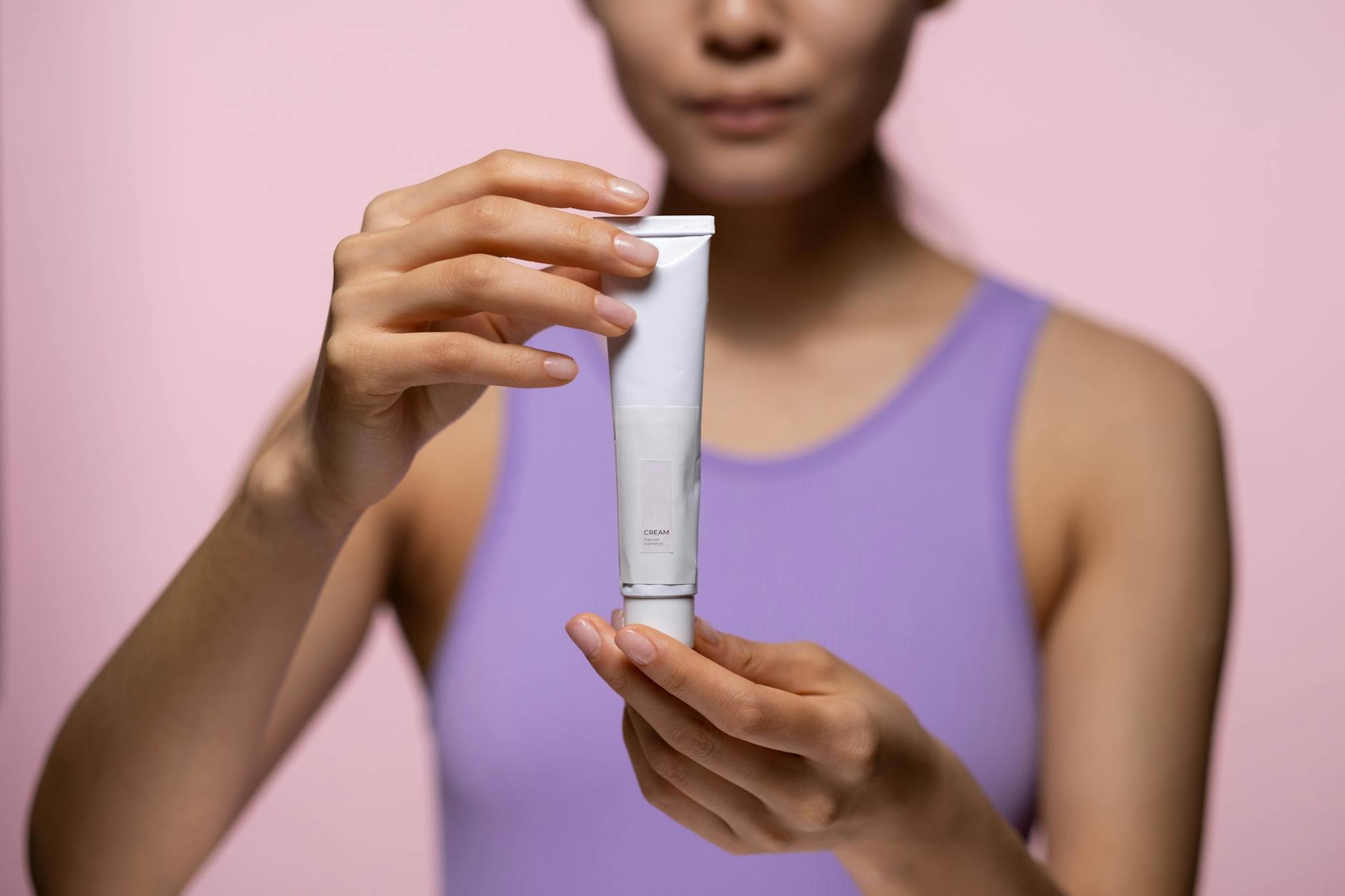
For moderate to severe acne, short-contact benzoyl peroxide often works best as part of a combination regimen. Pairing it with a gentle retinoid (like adapalene) on alternating nights can accelerate results while maintaining tolerability. A runner with persistent body acne might use benzoyl peroxide as a short-contact treatment on the chest and shoulders in the morning, then apply a lightweight retinoid serum in the evening. This combination attacks acne through multiple mechanisms: benzoyl peroxide kills bacteria directly, while retinoids unclog pores and reduce inflammation. Niacinamide-based moisturizers work particularly well with short-contact benzoyl peroxide for athletes.
Niacinamide reduces sebum production, strengthens the skin barrier, and has mild anti-inflammatory properties—essentially complementing benzoyl peroxide’s action while counteracting potential irritation. An athlete using this combination might find that she needs no other acne medication, since the two products together provide comprehensive acne control with minimal side effects. Harsh combinations should be avoided. Benzoyl peroxide and sulfur, both used historically for acne, create an unstable mixture that reduces each medication’s effectiveness and increases irritation. Similarly, using benzoyl peroxide with prescription oral antibiotics (common for moderate acne) is fine, but local treatment layering should be minimized to avoid overwhelming the skin.
Future Directions in Benzoyl Peroxide Research and Athletic Acne Care
Ongoing research continues to refine recommendations for short-contact benzoyl peroxide, including investigation into optimal contact times for specific skin types and concentrations that maximize the irritation-reduction benefit to even lower levels. Some dermatologists are exploring combination products that pair benzoyl peroxide with moisturizing or anti-inflammatory agents, potentially reducing the need for separate skincare steps. These innovations could make short-contact therapy even more accessible to athletes with busy training schedules.
The athletic dermatology field is also evolving toward athlete-specific recommendations that acknowledge the unique challenges of training, competition, and skin care integration. More sports medicine programs are incorporating dermatology education into athlete care, meaning future generations of athletes will likely know about short-contact benzoyl peroxide as a standard recommendation rather than a surprising discovery. Until then, athletes who learn this approach early gain a significant advantage in maintaining clear skin despite the demands of competitive training.
Conclusion
The fact that at least 72 percent of athletes with acne don’t realize short-contact benzoyl peroxide therapy reduces irritation by 50 percent represents an educational gap with real consequences. This method offers a practical, evidence-based path to acne control that respects the constraints and challenges athletes face. By applying benzoyl peroxide for just 5 to 20 minutes rather than leaving it on overnight, athletes can achieve meaningful acne reduction without the irritation, dryness, and discomfort that often drive treatment abandonment.
Implementing short-contact benzoyl peroxide requires understanding the correct technique, timing, and integration with other products—but the investment is minimal compared to the return in skin clarity and treatment adherence. If you’re an athlete struggling with acne, discussing this approach with a dermatologist could transform your skin care routine from a source of frustration into a manageable, effective part of your athletic life. The goal is clear skin without sacrificing comfort or training performance.
Frequently Asked Questions
How long should I leave benzoyl peroxide on my skin with the short-contact method?
Start with 5 to 10 minutes, then gradually increase to 15 to 20 minutes if your skin tolerates it well. Many athletes find 10 minutes optimal. If irritation develops, return to shorter contact times or reduce application frequency.
Can I use short-contact benzoyl peroxide before or after workouts?
It’s best to apply before workouts rather than immediately after. Apply 10 to 20 minutes before training so your skin has fully absorbed the medication and dried. After workouts, shower and cleanse your skin before considering additional applications.
Will short-contact benzoyl peroxide work for severe acne?
For severe acne, short-contact benzoyl peroxide alone may not be sufficient. Discuss combination therapy with a dermatologist, which might include oral medications, retinoids, or prescription topical treatments alongside benzoyl peroxide.
Is short-contact benzoyl peroxide safe for sensitive skin?
Yes, especially when using lower concentrations (2.5 percent) and shorter contact times. Starting with minimal exposure allows your skin to acclimate while still providing acne-fighting benefits.
Can I use short-contact benzoyl peroxide if I have very oily or very dry skin?
The short-contact method works for all skin types. Oily skin may tolerate even 5 percent concentrations well; dry skin benefits from starting with 2.5 percent and maintaining excellent moisturizer use. The shorter contact time minimizes irritation for both types.
Does benzoyl peroxide bleach or stain clothing during the short-contact method?
Benzoyl peroxide can bleach fabrics when left in direct, prolonged contact. With short-contact application (5 to 20 minutes), the risk is minimal as long as you rinse thoroughly and allow skin to dry completely before dressing or putting on equipment.
You Might Also Like
- At Least 81% of Parents of Teens With Acne Say That Short-Contact Benzoyl Peroxide Therapy Reduces Irritation by 50%
- At Least 65% of Parents of Teens With Acne Don’t Realize That Combining Clindamycin With Benzoyl Peroxide Prevents Antibiotic Resistance
- At Least 90% of Athletes With Acne Have Experienced Benzoyl Peroxide at 2.5% Is Just as Effective as 10%