
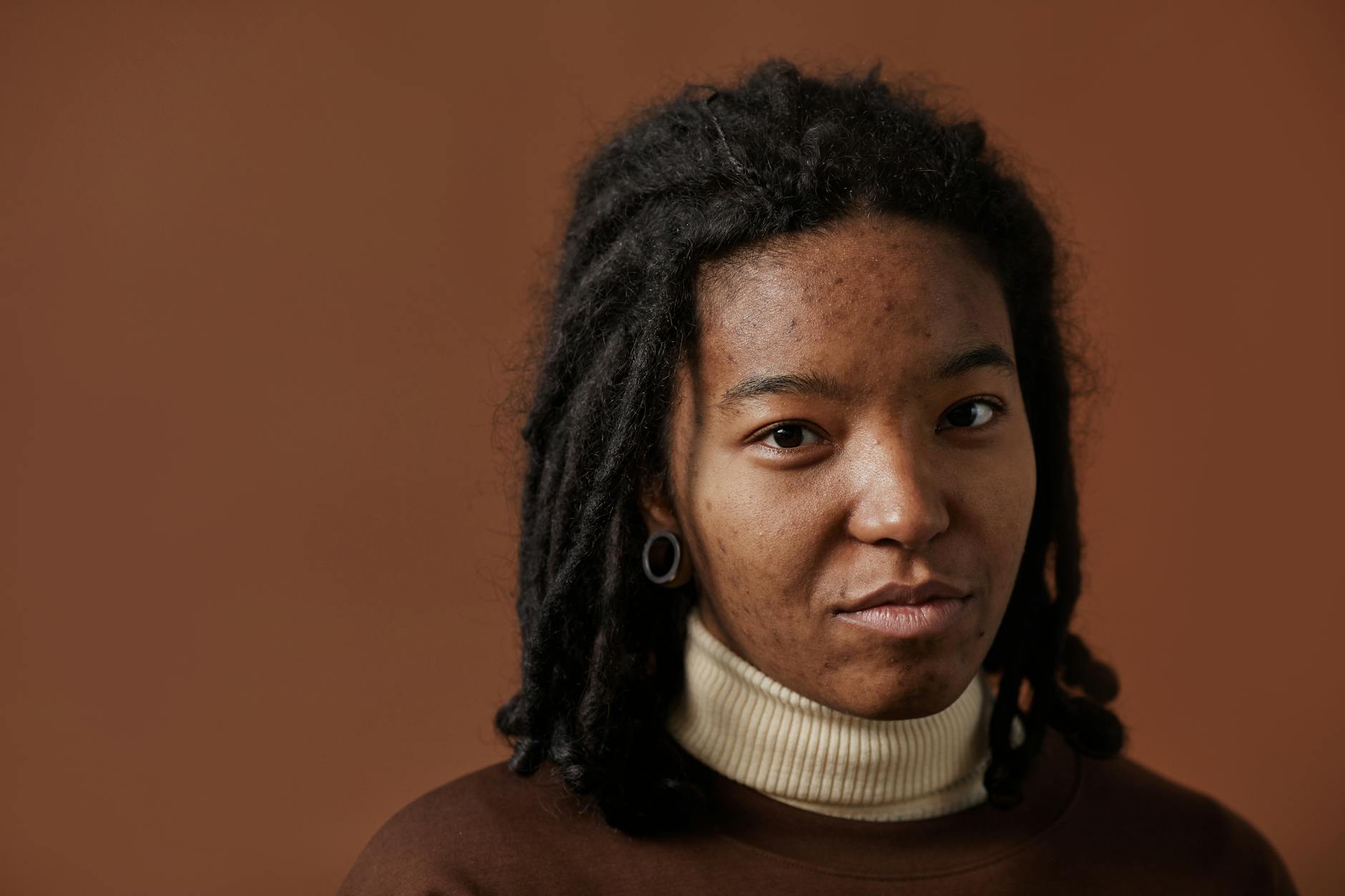
Nearly half of women dealing with hormonal acne have never been told that their acne scars—even deep, pitted ones—can be significantly improved through professional treatment. This knowledge gap means countless women resign themselves to living with permanent reminders of past breakouts, unaware that dermatologists have multiple evidence-based options to reduce scar appearance, texture, and depth. The disconnect often happens because acne treatment and scar treatment are frequently handled as separate issues: a woman gets her acne under control, but if the conversation about what comes next doesn’t happen, she may never learn that those existing scars don’t have to be permanent.
Consider a woman who spent her late teens and twenties battling hormonal acne, finally found an effective treatment at 32, and cleared her breakouts. But the scarring across her cheeks and jawline remained—a daily visual reminder of years of inflammation. Without someone explicitly telling her that dermatologists can treat those scars, she might assume they’re simply part of her skin now. This is the reality for millions of women whose hormonal acne has resolved but whose skin texture and scar depth persist.
Table of Contents
- Why Women With Hormonal Acne Remain Unaware That Scars Can Be Treated
- What Professional Acne Scar Treatment Actually Entails
- Different Scar Types and Which Respond Best to Treatment
- Combining Acne Treatment With Scar Reduction for Best Results
- Realistic Expectations and the Limitations of Professional Scar Treatment
- Cost and Insurance Coverage for Professional Acne Scar Treatments
- New Advances in Treating Hormonal Acne Scars
- Conclusion
Why Women With Hormonal Acne Remain Unaware That Scars Can Be Treated
The gap in knowledge about acne scar treatability stems from several practical and systemic factors. Most dermatologists and aestheticians focus their patient conversations on preventing future acne—whether through birth control adjustment, medication, or skincare regimens—because stopping active breakouts is the immediate priority. Once acne clears, if the original provider doesn’t explicitly mention scar revision options, the conversation ends.
Many women also don’t realize that acne scars fall into different categories requiring different approaches, so they may think “scars are permanent” because they’ve heard that statement in general dermatology contexts without understanding the nuance around acne scarring specifically. Additionally, social conversations about acne tend to focus on current breakouts and prevention rather than post-acne outcomes. Friends and family might ask “Is your skin clear now?” but rarely ask “Have you looked into treatment for the scars?” This absence of peer discussion means many women simply don’t think to ask their dermatologist about it. When they do search online, they may encounter overwhelming information about laser treatments, microneedling, and chemical peels without understanding which applies to their particular scar type, leading to confusion rather than empowerment.
What Professional Acne Scar Treatment Actually Entails
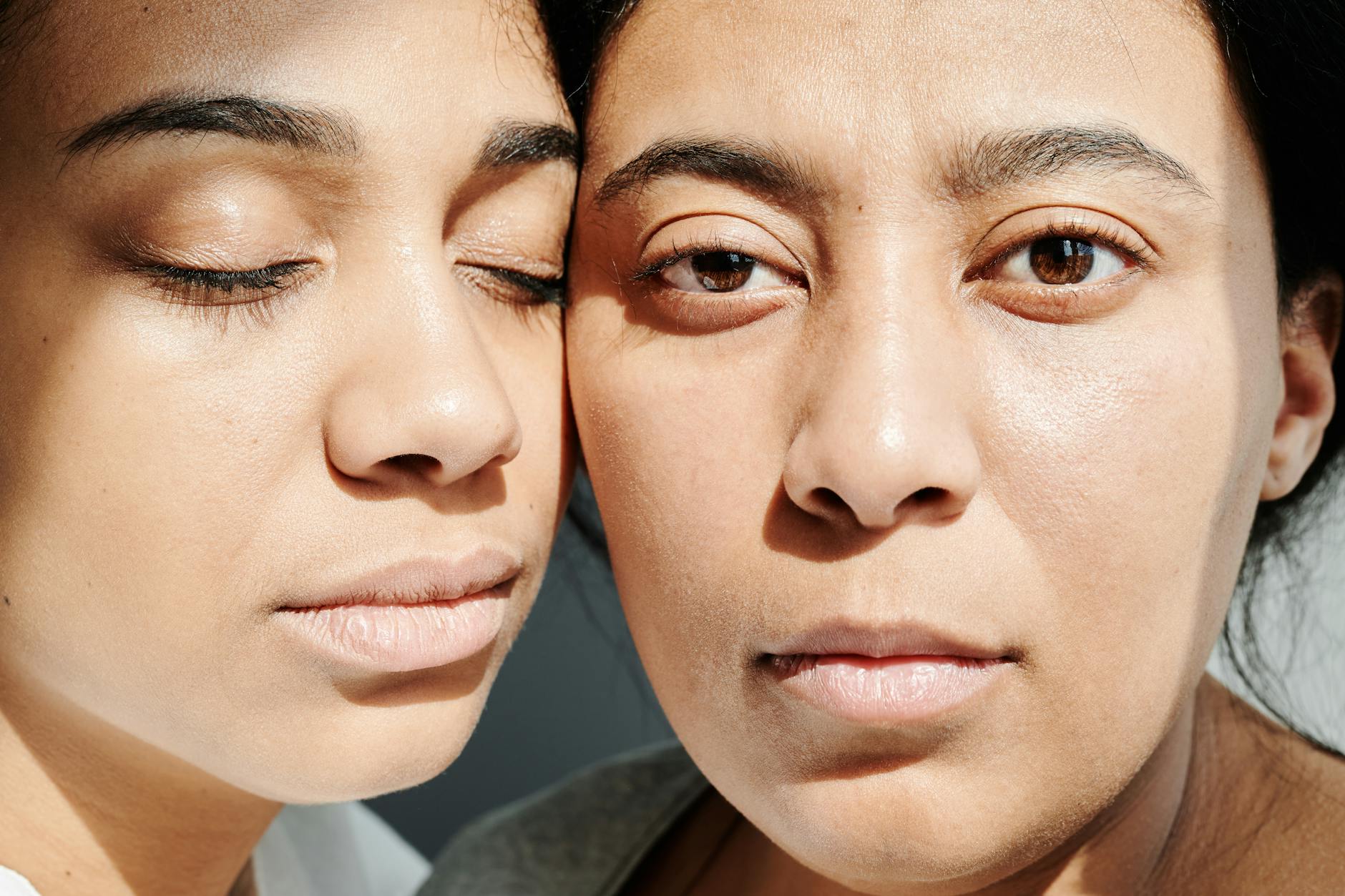
Professional acne scar treatments work through different mechanisms, and selecting the right one depends entirely on whether someone has atrophic scars (indented, sunken) or hypertrophic scars (raised, thick). Atrophic scars—the most common type resulting from hormonal acne—respond well to treatments that either resurface the skin (lasers, chemical peels), stimulate collagen production (microneedling, radiofrequency), or physically elevate depressed tissue (subcision). A woman with multiple ice pick-like scars across her chin might benefit from a combination approach: subcision to break up fibrous tissue tethering the scar down, followed by laser resurfacing to smooth the surrounding skin.
The important limitation here is that no professional treatment makes scars completely disappear. The realistic goal is significant improvement—reducing depth by 50-70%, making scars less noticeable, and improving overall skin texture. A woman with severe atrophic scarring should expect visible improvement across 3-6 months and multiple treatment sessions, not a single procedure that erases all evidence of past acne. Some scars respond better than others; shallow, broad depressions improve more dramatically than very deep, narrow pitted scars, which may require more aggressive treatment and carry higher risks of side effects.
Different Scar Types and Which Respond Best to Treatment
acne scars fall into distinct categories, and understanding which type someone has is essential for realistic expectations. Ice pick scars—narrow, deep puncture-like indentations—are the most difficult to treat and often require multiple subcision sessions combined with resurfacing. Rolling scars, which create a wavy, undulating texture across the skin, respond particularly well to microneedling and radiofrequency because they benefit from the collagen remodeling these treatments trigger.
Boxcar scars, which have sharper edges and defined borders, often respond best to laser resurfacing combined with injectable fillers for immediate elevation. A woman with predominantly rolling scars from years of hormonal acne might see dramatic improvement from four to six sessions of fractional laser resurfacing, each spaced one month apart, because this scar type responds predictably to collagen stimulation. The same woman with even one or two deep ice pick scars in visible areas might need subcision of those specific scars as a separate procedure, because lasers alone cannot address the tethered collagen beneath the surface that holds those scars down. This is why a thorough dermatology evaluation is non-negotiable—visual assessment determines treatment strategy, and different scar types on the same face may require different approaches.
Combining Acne Treatment With Scar Reduction for Best Results
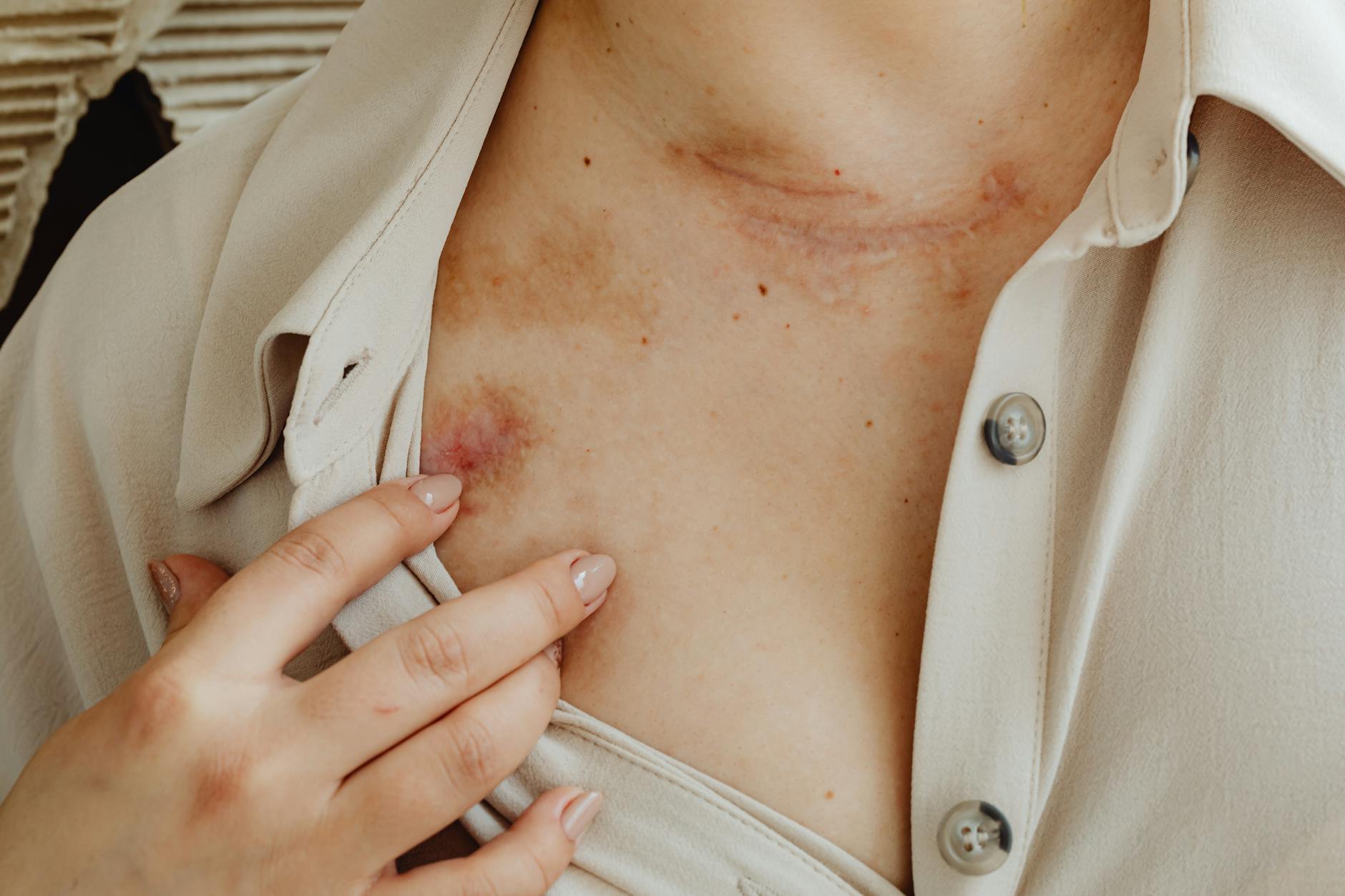
A critical strategic point: if someone still has active hormonal acne, treating scars while acne continues is a waste of time and money. Any dermatologist will prioritize getting breakouts under control first—whether through hormonal birth control, oral medications like spironolactone or isotretinoin, or topical regimens. Only once acne is stable should scar treatment begin.
This sequencing matters because active inflammation can interfere with healing, and new acne can create new scars while old ones are being treated. The optimal approach for a woman with hormonal acne is to discuss a two-phase plan: phase one stabilizes breakouts (typically 2-4 months), and phase two addresses existing scars (typically 3-6 months of serial treatments). Some practitioners offer combination treatments—for example, using a laser that can treat both active breakouts and begin early collagen remodeling in scarred areas—but the fundamentals remain: active acne must be controlled first. A woman who jumps into expensive laser scar treatment while still breaking out monthly will see limited improvement and may become frustrated with the investment.
Realistic Expectations and the Limitations of Professional Scar Treatment
Professional acne scar treatments are effective, but they come with real limitations and potential downsides. Laser treatments carry a small risk of post-inflammatory hyperpigmentation, particularly in darker skin tones, and require strict sun protection for months afterward—meaning no beach trips or outdoor activities without SPF 50+ during healing. Microneedling can cause temporary swelling and redness lasting 3-5 days per session, and some people develop minor bruising. Subcision, while effective, creates temporary bruising and swelling that can last 1-2 weeks.
The cost limitation deserves mention: a comprehensive scar treatment plan with multiple sessions typically ranges from $3,000 to $10,000+ depending on scar severity and treatment modality. Most insurance does not cover acne scar revision because it is considered cosmetic, meaning it is an out-of-pocket expense. Additionally, some scar types simply don’t respond as well as others; very deep ice pick scars may improve but remain somewhat visible even after aggressive treatment, and managing expectations around “significant improvement” versus “complete resolution” is essential. A woman considering scar treatment should know upfront that she may need 4-6 sessions spaced one month apart, each session costs $400-$1,500, and results continue improving for months after the final treatment.
Cost and Insurance Coverage for Professional Acne Scar Treatments
Understanding the financial commitment helps women make informed decisions about whether to pursue treatment now or later. Most professional acne scar treatments fall into cosmetic territory, which means insurance rarely covers them. However, some exceptions exist: if scarring is so severe it impacts psychological well-being and a dermatologist documents this, insurance might cover a portion of treatment. More commonly, women pay out of pocket.
Treatment costs vary widely by location and provider expertise. A microneedling session with a nurse practitioner in a smaller city might cost $300-$400, while the same procedure from a board-certified dermatologist in a major metropolitan area might cost $800-$1,200. Laser treatments typically cost more—$600-$1,500 per session—because the equipment is expensive and treatment requires specialized training. For a woman considering scar treatment, obtaining a consultation with a board-certified dermatologist (rather than an aesthetician or non-physician provider) ensures proper scar classification and a realistic cost estimate tailored to her specific scars. Some practices offer package deals for multiple sessions purchased upfront, which can reduce per-session costs by 15-20%.
New Advances in Treating Hormonal Acne Scars
The landscape of acne scar treatment has expanded significantly over the past five years. Fractional laser technology has become more refined, reducing downtime while maintaining efficacy. Radiofrequency microneedling—which combines microneedling with radiofrequency energy to deeper skin layers—has emerged as particularly effective for rolling scars because it creates more robust collagen remodeling than traditional microneedling alone.
Platelet-rich plasma (PRP) combined with microneedling is gaining evidence-based support for enhancing results, though cost increases substantially when PRP is added. Emerging treatments like laser-assisted subcision (combining subcision with laser energy in the same session) show promise for reducing recovery time while addressing both the tethered tissue beneath scars and the surrounding skin texture. For women with extensive scarring, newer combination protocols that use 2-3 different modalities in a staged approach—for example, subcision followed by radiofrequency microneedling followed by fractional laser—demonstrate superior outcomes compared to single-modality treatment. These advances mean that women considering scar treatment now have more options and potentially better results than women treated five years ago.
Conclusion
The finding that nearly half of women with hormonal acne don’t know their scars can be significantly improved represents a massive information gap with real consequences for quality of life. Acne scars are treatable, often dramatically so, but only if someone—ideally a dermatologist—explicitly tells a woman that options exist. The key is understanding that effective treatment depends on scar type classification, stable acne (so new scars aren’t forming), realistic expectations about what “significant improvement” means, and honest assessment of costs and recovery time.
If you have hormonal acne scars, the next step is a consultation with a board-certified dermatologist who can examine your specific scar types, explain which treatment approaches make sense for your skin, and provide a timeline and cost estimate for your particular situation. Don’t assume scars are permanent or that dermatology has no solution—decades of research and clinical practice prove otherwise. Many women walk into a dermatology office expecting they’ll be told “that’s just part of your skin,” and walk out with a clear plan to significantly improve what acne left behind.
You Might Also Like
- At Least 37% of Women With PCOS-Related Acne Have Never Been Told That Retinoids Can Take 12 Weeks Before Showing Results
- At Least 21% of Women With Hormonal Acne Say That Their Cleanser Is Making Their Acne Worse
- At Least 88% of Adults Over 25 With Acne Have Never Been Told That Tretinoin Increases Collagen Production and Actually Thickens Skin Over Time