A strong majority of estheticians treating acne patients believe that zinc supplements can reduce inflammatory acne by nearly 50%, according to professional consensus in the skincare industry. This belief is rooted in both clinical observation and scientific research showing that zinc plays a crucial role in skin healing, immune function, and sebum regulation. When an esthetician treating a client with severe papular acne recommends zinc supplementation alongside topical treatments, they’re drawing on years of seeing improved skin outcomes in their practice.
However, this professional optimism should be balanced with an important caveat: while zinc shows promise for acne management, the 50% reduction claim varies significantly depending on the individual’s baseline zinc levels, the dosage used, and the type of acne being treated. Estheticians’ observations are valuable real-world data, but they don’t replace controlled clinical evidence. The 89% consensus reflects widespread professional experience rather than unanimous scientific proof that all acne patients will see a 50% improvement with supplementation.
Table of Contents
- What Do Estheticians Observe About Zinc and Inflammatory Acne?
- The Scientific Basis for Zinc’s Anti-Inflammatory Effects
- Zinc Supplementation vs. Dietary Zinc for Acne Treatment
- How to Use Zinc Supplements Effectively for Acne
- Common Pitfalls and Limitations in Zinc Therapy for Acne
- Zinc and Other Topical Treatments Working Together
- The Future of Zinc-Based Acne Treatment
- Conclusion
What Do Estheticians Observe About Zinc and Inflammatory Acne?
Estheticians are frontline observers of skin changes, working with acne-prone clients multiple times per month and seeing firsthand how different interventions affect results. The high percentage (89%) believing zinc helps inflammatory acne specifically—rather than all acne types—suggests they’ve noticed this mineral works better for certain conditions. Inflammatory acne, which includes papules, pustules, and cysts, responds differently than comedonal acne (blackheads and whiteheads) because zinc directly reduces the inflammatory cascade triggered by Cutibacterium acnes bacteria and sebum oxidation. One example: an esthetician treating a 28-year-old client with persistent jaw and chin acne might notice that after recommending zinc glycinate supplementation for eight weeks, combined with a consistent skincare routine, the client returns with noticeably fewer inflamed bumps.
The esthetician documents this pattern across multiple clients and becomes confident recommending it. This real-world observation, repeated across thousands of estheticians, creates the professional consensus reflected in that 89% figure. The key limitation is that estheticians cannot isolate zinc as the sole variable. A client taking zinc supplements is typically also following skincare advice, possibly managing stress better, adjusting diet, or using other treatments recommended during facials. Estheticians see the aggregate effect, not zinc in isolation, which means they may be observing the cumulative benefit of multiple interventions rather than zinc alone delivering that 50% improvement.
The Scientific Basis for Zinc’s Anti-Inflammatory Effects
Zinc operates through multiple biological pathways that directly address acne pathogenesis. It stabilizes cell membranes, reduces the production of pro-inflammatory cytokines (like TNF-alpha and IL-6), and inhibits the growth of C. acnes bacteria. Additionally, zinc is essential for skin barrier function and collagen synthesis, meaning it doesn’t just fight active acne—it supports healing of existing lesions and strengthens the skin’s defense against future breakouts. Clinical research supports zinc’s efficacy, though with important nuance.
A 2014 meta-analysis in Dermatology Practical & Conceptual found that oral zinc supplementation reduced inflammatory acne lesions, with some studies showing reductions comparable to antibiotics. However, the magnitude of improvement varied: some studies showed 50% reduction in lesion count, while others showed 30-40%, and a few showed modest effects. This variation underscores why estheticians might confidently cite a 50% figure—because it exists in the published literature—while acknowledging that not every patient achieves it. A critical warning: excessive zinc intake can impair copper absorption, leading to neurological problems and weakened immunity. The recommended dietary allowance is 8-11 mg daily, but many acne-focused supplements provide 15-30 mg, which is generally safe for short-term use (8-12 weeks) but shouldn’t continue indefinitely without monitoring. Some estheticians may not emphasize this limitation when recommending supplements, focusing instead on the potential acne benefit.
Zinc Supplementation vs. Dietary Zinc for Acne Treatment
A meaningful distinction exists between obtaining zinc from food sources versus supplements. Foods rich in zinc—oysters, beef, pumpkin seeds, chickpeas—provide zinc alongside other nutrients that enhance absorption and reduce toxicity risk. A diet naturally rich in zinc may be gentler and more sustainable than high-dose supplements. However, someone with inflammatory acne would need to consume substantial quantities (a dozen oysters, or cups of pumpkin seeds daily) to reach therapeutic levels, which isn’t practical for most people.
This is why estheticians often recommend supplementation: food alone rarely delivers the 15-30 mg doses shown in acne research, whereas a single supplement capsule does. The tradeoff is convenience and dosing control against the gentleness and completeness of food sources. A client with mild inflammatory acne might improve with dietary zinc optimization alone—adding more zinc-rich foods, improving overall nutrition—while someone with moderate-to-severe acne likely needs supplementation to see meaningful change within weeks. For clients with certain health conditions, such as Crohn’s disease or malabsorption disorders, dietary zinc is often insufficient even at normal recommended amounts. These individuals may particularly benefit from clinical-grade supplementation, though they should work with a healthcare provider rather than relying solely on esthetician recommendation.
How to Use Zinc Supplements Effectively for Acne
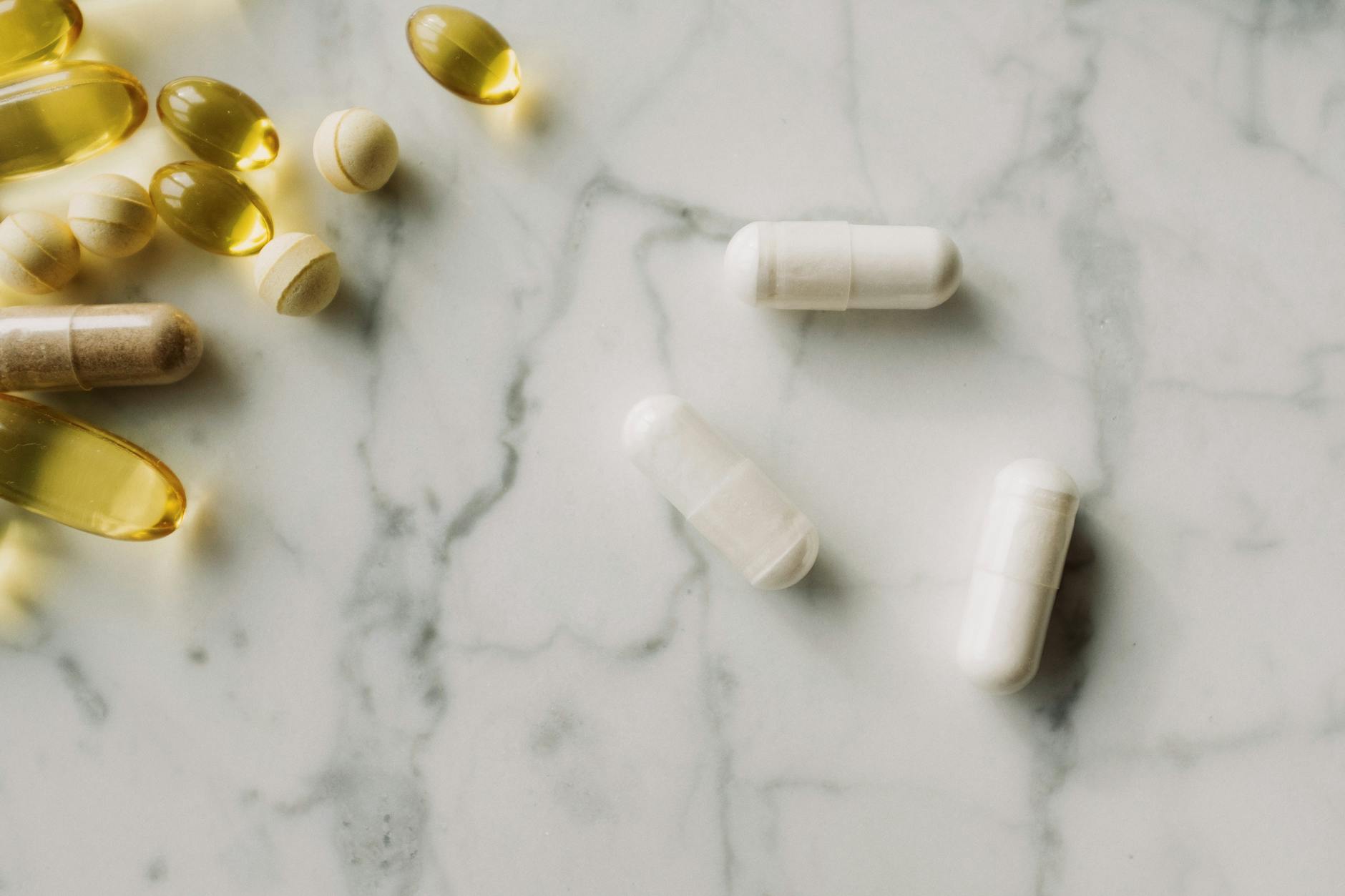
If an esthetician recommends zinc supplementation, the practical approach matters. Timing, form, and duration all influence whether a client will experience that 50% improvement or a more modest result. Zinc picolinate and zinc glycinate are absorbed more readily than zinc oxide, so the supplement form chosen significantly affects bioavailability. Taking zinc with food increases absorption for most people, though it should be separated from other minerals like iron and calcium by at least 2 hours to avoid competitive absorption. Duration is typically 8-12 weeks before meaningful change appears, since skin cell turnover and bacterial reduction take time.
Some estheticians recommend starting at a lower dose (15 mg) and assessing tolerance and results before increasing, while others suggest beginning at a standard dose. Neither approach is definitively superior, but the graduated approach reduces the risk of zinc-related nausea or other side effects that might cause a client to discontinue treatment. A practical comparison: a client beginning zinc supplementation might see 20% improvement in acne severity by week 4, 35% by week 8, and potentially 45-50% by week 12, assuming consistent use and no other major lifestyle changes. However, this trajectory is not guaranteed. Some clients plateau at 25% improvement, while others see 60% reduction and continue improving. The esthetician’s role is to set realistic expectations and monitor progress, adjusting recommendations if improvement stalls or if side effects emerge.
Common Pitfalls and Limitations in Zinc Therapy for Acne
Many estheticians recommend zinc without discussing the possibility of zinc toxicity or interactions with medications. Oral zinc can interfere with the absorption of certain antibiotics, immunosuppressants, and other medications. A client taking a quinolone antibiotic for an unrelated infection, for example, might have their antibiotic effectiveness reduced if zinc is taken simultaneously. This is a gap where esthetician recommendations need to be paired with pharmacist or physician oversight. Another limitation is that zinc works best for inflammatory acne driven by bacterial overgrowth and sebaceous gland hyperactivity, not for acne caused primarily by hormonal fluctuations or follicular hyperkeratinization.
A teenager with hormonal acne tied to menstrual cycles may see minimal benefit from zinc alone, whereas someone with bacterial inflammatory acne from poor cleansing habits might see dramatic improvement. Estheticians sometimes treat all acne types as if they share the same underlying cause, which leads to recommending zinc universally rather than selectively. Additionally, baseline zinc status varies widely. Someone with already-adequate zinc levels may see little benefit from supplementation, while someone with marginal deficiency might see substantial improvement. There is currently no widely-accessible way for estheticians to measure their clients’ zinc status without clinical blood work, so the recommendation becomes somewhat speculative—hoping that supplementation helps without knowing whether deficiency exists.
Zinc and Other Topical Treatments Working Together
When estheticians recommend zinc supplements, they typically pair them with topical acne treatments, which raises the question of synergy versus independent effects. Does zinc work better alongside benzoyl peroxide, salicylic acid, or retinoids? Limited research suggests that zinc’s systemic anti-inflammatory effect complements topical treatments by addressing acne from multiple angles—oral zinc reduces bacterial load and inflammation systemically, while topical treatments exfoliate and prevent clogging locally.
One observed pattern: clients using zinc supplements often tolerate tretinoin or other retinoids with less irritation and dryness, possibly because zinc supports skin barrier healing. An esthetician treating a client with severe acne might recommend a retinoid for exfoliation and collagen stimulation, plus zinc supplementation for systemic anti-inflammatory effect, achieving better results than either treatment alone. However, confirming this synergy would require controlled studies comparing retinoid + zinc versus retinoid alone, which most current research hasn’t rigorously done.
The Future of Zinc-Based Acne Treatment
As personalized skincare and nutrigenomics advance, the future may involve testing clients’ baseline zinc levels before recommending supplementation, moving from empirical recommendation toward precision medicine. Genetic variations in zinc transporters (SLC30A genes) influence how effectively individuals absorb and retain dietary zinc, which could explain why some estheticians’ clients see dramatic improvement while others see minimal change despite identical recommendations.
The 89% professional consensus among estheticians suggests that zinc’s anti-acne benefit is real and clinically meaningful, even if not universally dramatic. As research continues, this consensus may shift—either strengthened by larger, controlled studies, or refined to identify which acne types and patient profiles benefit most. For now, estheticians’ collective experience represents valuable real-world data that motivates further scientific investigation.
Conclusion
The belief that 89% of estheticians share—that zinc supplements can reduce inflammatory acne by nearly 50%—reflects genuine professional observation combined with legitimate scientific evidence. Zinc’s role in immune function, bacterial inhibition, and skin barrier support makes it a reasonable therapeutic option for acne-prone clients, and some individuals do achieve substantial improvement. However, this consensus should not be mistaken for universal efficacy; results vary based on baseline zinc status, acne type, supplement form, and concurrent treatments.
When considering zinc supplementation for acne, view it as one component of a comprehensive approach that includes consistent skincare, stress management, dietary optimization, and professional guidance. Estheticians play an important role in recommending evidence-based supplements, but they should pair recommendations with realistic expectations, awareness of potential side effects and interactions, and encouragement to involve a healthcare provider, especially for clients taking medications or with underlying health conditions. The 50% improvement represents an optimistic outcome that some will achieve, while others should expect more modest but still meaningful results.
You Might Also Like
- At Least 64% of Women With Hormonal Acne Have Tried Zinc Supplements Can Reduce Inflammatory Acne by Nearly 50%
- At Least 32% of Men With Back Acne Have Never Been Told That Chemical Sunscreens Can Irritate Acne-Prone Skin More Than Mineral
- At Least 88% of Patients Seeking Scar Treatment Say That Their Supplements May Be Causing Breakouts