
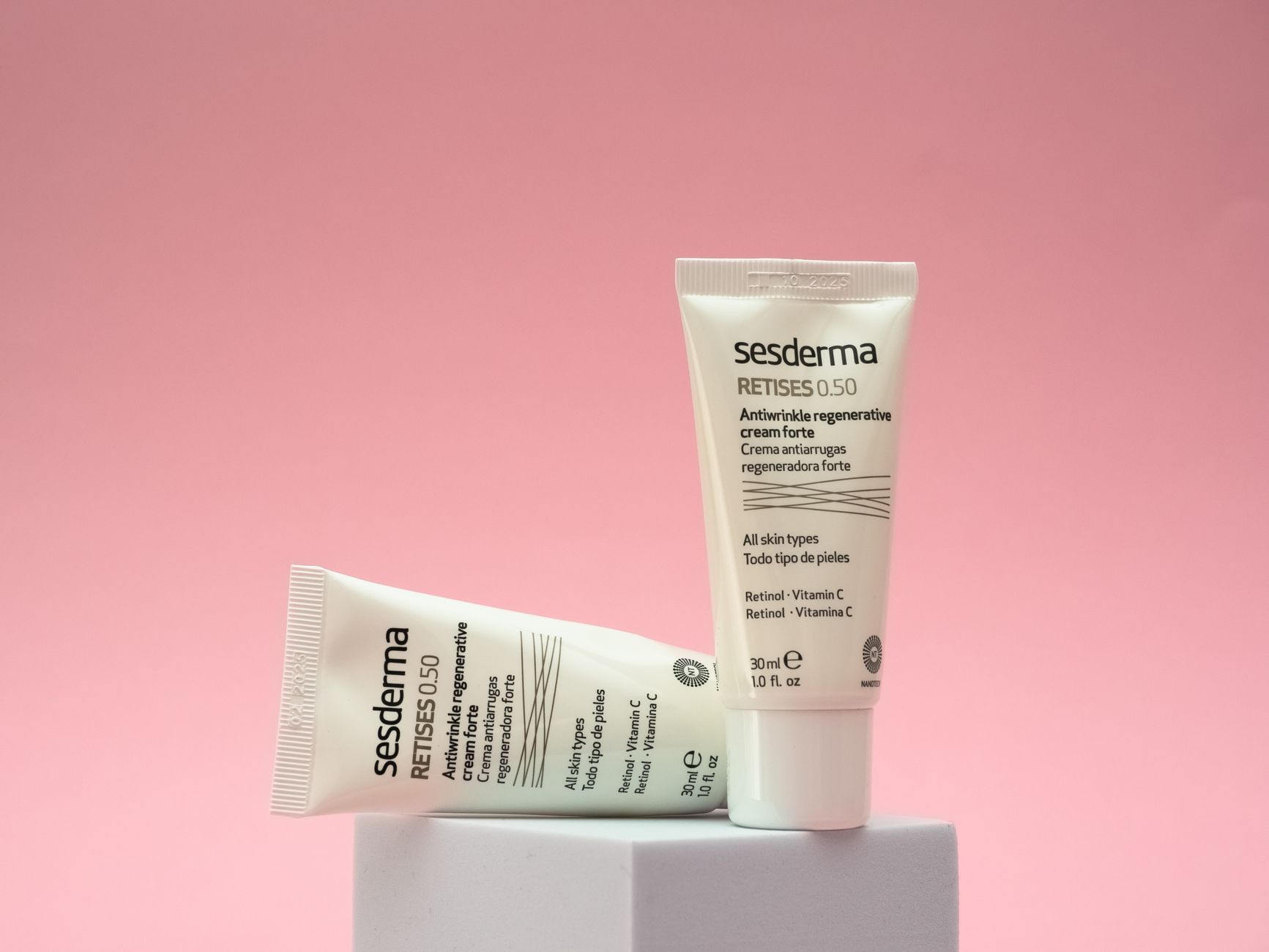
Budget retinol creams do reduce fine lines and can improve crepey skin texture, but the effect depends heavily on concentration, consistency, and how your skin adapts over time. A person using a low-cost retinol product at 0.25% concentration might see subtle smoothing within 4-8 weeks, though results won’t match prescription-strength tretinoin or high-end retinoid serums. The difference between a $15 retinol cream and a $80 alternative often comes down to stabilization and supporting ingredients, not retinoid efficacy itself. Budget retinol works by increasing cell turnover and stimulating collagen production, the same mechanism as expensive versions.
The catch is that cheaper formulations are more prone to degradation and may be less refined in their delivery systems, meaning your skin absorbs less active ingredient. Many affordable options also use retinol rather than more stable derivatives like retinaldehyde or retinyl palmitate, making them more likely to irritate and less likely to penetrate effectively. If you’re starting retinol for the first time, a budget option is actually a smart choice. It lets you build tolerance without a significant financial commitment, and some low-cost products perform surprisingly well once you find the right one for your skin type.
Table of Contents
- How Does Budget Retinol Actually Tackle Fine Lines and Crepey Texture?
- What Makes Budget Retinol Unstable and Why It Matters for Results
- Retinol Strength and Skin Tolerance: Why Budget Options Can Be More Irritating
- When to Choose Budget Retinol vs. Investing in a Premium Option
- Sun Sensitivity and Barrier Damage: Real Risks With Budget Retinol
- Comparing Results: What Timeline to Expect With Budget Vs. Prescription Retinoids
- Ingredient Synergies and What to Look For in an Affordable Retinol Cream
- Frequently Asked Questions
How Does Budget Retinol Actually Tackle Fine Lines and Crepey Texture?
Fine lines and crepey skin are both signs of collagen breakdown and reduced skin elasticity. Retinol addresses this by binding to retinoid receptors in skin cells, triggering genes that increase collagen synthesis and accelerate the replacement of damaged skin cells with new ones. In this way, even a budget formulation works on the same principle as prescription alternatives—the active ingredient is chemically identical. The timeline matters here. Noticeable improvement in fine lines typically takes 8-12 weeks of consistent use, two to three times per week.
Crepey texture is slower to improve because it involves deeper structural changes in collagen and elastin networks. A $20 retinol cream used properly might show real results in this timeframe, but you’ll see better long-term gains from $50+ products that have better stability and inclusion of complementary ingredients like peptides or hydrating humectants that protect skin during the retinization process. One limitation of budget retinol is the formulation itself. Cheaper products often mix retinol with oils or occlusive ingredients to improve feel, but this can actually slow penetration. High-end formulations use sophisticated delivery systems—liposomes or encapsulation—that budget brands rarely employ. The practical result is that your skin absorbs less retinol from a budget cream, meaning you need to use it more consistently and for longer to see equivalent results.
What Makes Budget Retinol Unstable and Why It Matters for Results
Retinol is notoriously unstable when exposed to air, light, or heat. It degrades rapidly, turning into less effective (or even less safe) compounds. Budget creams often come in jars or clear bottles without advanced packaging, exposing the retinol to air every time you open it. A high-end brand might use airless pumps or opaque, sealed tubes—features that cost more to manufacture but preserve the active ingredient. This degradation issue has a real impact on results. An opened jar of budget retinol from the pharmacy loses potency within weeks.
By the time you’re halfway through the product, you might be applying something that’s only half as effective as when you first opened it. An expensive retinol in proper packaging may retain efficacy for months. If you buy a budget retinol and don’t see results after 8 weeks, it’s possible the product wasn’t stable enough to deliver results in the first place. Storage matters for budget products more than premium ones. Keep budget retinol in a cool, dark place—ideally a bathroom cabinet away from heat and steam from showers. If your bathroom is humid and warm, the retinol will degrade faster, and you’ll get even fewer results for your money. This is a downside many people don’t anticipate: paying less upfront but losing more of the product to degradation over time.
Retinol Strength and Skin Tolerance: Why Budget Options Can Be More Irritating
Budget retinol products vary wildly in strength. Some contain 0.1% retinol (very gentle), while others have 1% or higher (quite strong). The label usually doesn’t specify the concentration clearly, making it hard to know what you’re getting. Higher concentrations work faster but irritate more; lower concentrations are gentler but require longer commitment to see results. Stronger isn’t always better with retinol, especially for beginners. A person starting with a 1% budget retinol cream might experience peeling, redness, and sensitivity that discourages them from using it consistently—the opposite of what you need.
A gentler 0.25% formula might feel slower initially, but if it’s used regularly without disruption to your skin barrier, it can deliver steadier, more sustainable results. Many budget brands lean toward higher concentrations to seem more “effective” while underinvesting in soothing or stabilizing ingredients. The lack of supporting ingredients in budget retinol is a real problem. Premium retinol products include ceramides, niacinamide, or hyaluronic acid to buffer irritation and support barrier function. Budget versions often skip these, betting that price sensitivity means customers will tolerate more irritation. If your skin is reactive or sensitive, a budget retinol might trigger persistent redness and compromise your barrier, undoing the collagen benefits you’re trying to gain.
When to Choose Budget Retinol vs. Investing in a Premium Option
If you’re new to retinoids, a budget retinol cream is sensible. You’ll discover whether your skin tolerates retinol at all without sinking $60+ into a product you might have to abandon due to irritation. Once you’ve used it for 3-4 months and confirmed your skin handles it well, you might upgrade to a premium or prescription option to see faster, more dramatic results. This staged approach is financially sound. For maintenance and routine use, budget retinol can work fine on mature skin that’s already acclimated to retinoids.
If you’ve been using retinol for years and your skin doesn’t react, switching to a budget option to maintain results is reasonable. However, if fine lines and crepey texture are severe or new, investing in a better-formulated product from the start will give you faster results and fewer setbacks from irritation. The tradeoff is between upfront cost and reliability. Spend less now and risk slower or inconsistent results due to poor formulation and instability. Spend more and get faster, more predictable improvement in texture and fine lines. For someone on a tight budget, the $15-25 option is better than nothing, but it requires patience and proper storage to work.
Sun Sensitivity and Barrier Damage: Real Risks With Budget Retinol
Retinol increases skin sensitivity to sunlight and can cause sun damage if you don’t use SPF. Budget retinol products almost never include reminders about this or guidance on sun protection, while premium brands usually have clear messaging. A person using cheap retinol without sunscreen might actually accelerate fine lines and crepey texture by getting sun damage while trying to fix the problem. Retinol also thins the outer layer of skin temporarily as it accelerates cell turnover. This can feel like progress (smoother texture, diminished pores), but if overdone or combined with other irritating actives, it can compromise your barrier function and cause sensitivity or rosacea-like reactions.
Budget retinol products, lacking supportive hydrating ingredients, make this risk higher. Using it more than 3-4 times per week in the early months, or combining it with vitamin C, AHAs, or other strong actives, can trigger real irritation rather than beneficial adaptation. A practical warning: if you’re using a budget retinol and your skin becomes increasingly red, tight, or sensitive after two weeks, stop temporarily and wait for your skin to recover. This is not a sign to push harder—it’s a sign your barrier is overwhelmed. Premium products’ inclusion of barrier-supporting ingredients makes barrier damage less likely, but budget options require more caution and slower introduction.
Comparing Results: What Timeline to Expect With Budget Vs. Prescription Retinoids
Budget retinol will show subtle improvements in fine lines within 6-8 weeks if used consistently. Prescription tretinoin typically shows visible results within 4-6 weeks because it’s more potent and doesn’t degrade. An expensive retinol derivative like retinaldehyde or prescription retinoid compounds like adapalene fall in between.
If your expectation is dramatic transformation in 2-3 weeks, budget retinol will disappoint. Crepey skin texture improves more gradually with any retinoid. This is because the loose, thin skin requires deeper collagen remodeling, not just surface cell turnover. Budget retinol will contribute to improved texture over months of use, but someone with severe crepiness might see more dramatic results from professional treatments like laser or micro-needling combined with prescription-strength retinoids.
Ingredient Synergies and What to Look For in an Affordable Retinol Cream
A budget retinol cream that includes niacinamide will outperform an equally cheap option without it. Niacinamide reduces irritation and supports barrier function, making the retinol work better and feel less uncomfortable. Other supporting ingredients to look for in budget products are ceramides, glycerin, and centella asiatica extract—all of which are inexpensive to source but dramatically improve the stability and tolerability of retinol.
Avoid budget retinol creams with essential oils, fragrance, or alcohol high on the ingredient list. These degrade retinol faster and irritate skin during the adjustment period. A simple, stabilized formula with retinol, glycerin, ceramides, and a few other hydrating agents will outperform a “luxurious” budget cream loaded with scent and oils. Price point isn’t everything—formulation philosophy matters, even among budget brands.
- —
Frequently Asked Questions
How long does budget retinol take to work on fine lines?
Noticeable improvement in fine lines typically appears within 8-12 weeks of consistent use, two to three times per week. Results are slower with budget formulations than prescription alternatives due to lower concentrations and less advanced delivery systems.
Will budget retinol irritate my sensitive skin?
It depends on the product’s concentration and supporting ingredients. Budget retinols without calming ingredients like niacinamide or ceramides are more likely to irritate sensitive skin. Start with a low-concentration option and use it only once or twice weekly initially.
Do I need to use sunscreen with budget retinol?
Yes, absolutely. Retinol increases sun sensitivity and can cause sun damage if you don’t use SPF 30 or higher daily. Without consistent sun protection, retinol use can actually accelerate fine lines rather than improve them.
Can I combine budget retinol with other actives like vitamin C?
Not recommended, especially when starting out. Combining retinol with strong actives like vitamin C, AHAs, or BHAs increases irritation and barrier damage risk. Use each active on different nights or wait until your skin is fully acclimated to retinol before layering.
How should I store budget retinol to keep it from degrading?
Keep it in a cool, dark place away from heat and humidity. Close the container tightly after each use. A bathroom cabinet is ideal; avoid windowsills or areas near heat sources. Budget products degrade faster than premium ones due to packaging, so proper storage is critical.
Is budget retinol worth it, or should I save up for an expensive option?
Budget retinol is worth trying if you’re new to retinoids or on a tight budget. It lets you build tolerance and confirm results before investing more money. However, if you’ve used retinol successfully for months and want faster or more dramatic results, upgrading to a better-formulated or prescription option is reasonable.
You Might Also Like
- At Least 82% of People Who Pick at Their Skin Have Experienced Benzoyl Peroxide at 2.5% Is Just as Effective as 10%
- At Least 47% of Parents of Teens With Acne Have Experienced Over-Washing Strips the Skin Barrier and Worsens Breakouts
- Budget-Friendly Retinol Serum Reduces Sun Damage Signs for Under $10