
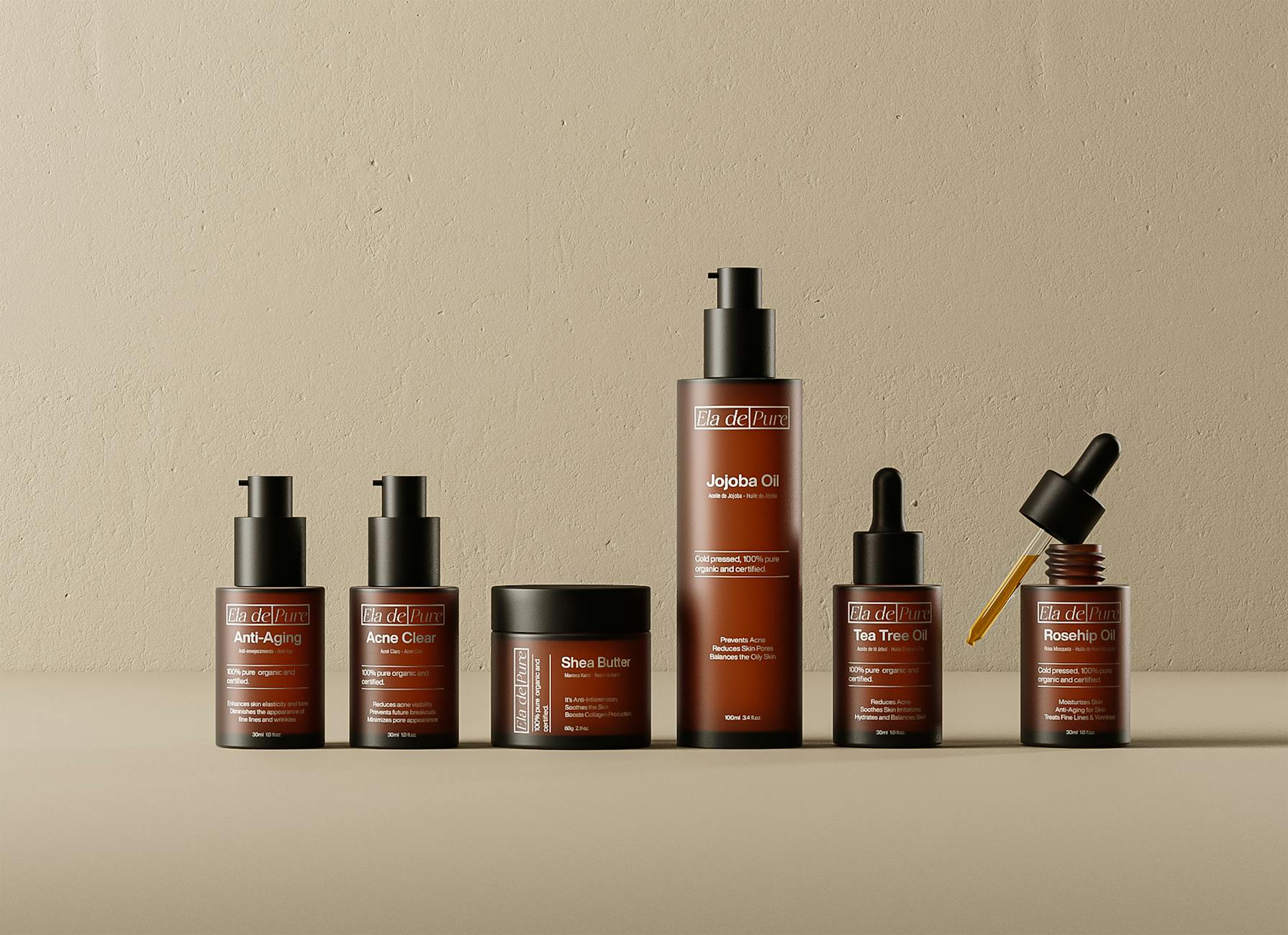
Luxury acne skincare brands often command premium prices—sometimes reaching $400 or more per month—while dermatologist-recommended drugstore routines deliver comparable results for as little as $35 monthly. The critical discovery that dermatologists across the field have confirmed is that the active ingredients doing the actual work—benzoyl peroxide, salicylic acid, and niacinamide—perform identically whether packaged in a $3 tube or a $150 bottle. This fundamental reality has reshaped how informed consumers think about acne treatment. The price disparity is real, but the efficacy gap is surprisingly small.
A person spending $400 monthly on luxury serums, creams, and specialized formulations is primarily paying for packaging, marketing, fragrance, and brand prestige—not superior acne-fighting power. Meanwhile, someone following a $35 drugstore routine with CeraVe, Neutrogena, or The Ordinary can achieve the same clear-skin results, provided they stick with clinically proven ingredients at dermatologist-recommended concentrations. This doesn’t mean all expensive skincare is worthless, or that price never correlates with quality. Rather, it means that for acne specifically—a condition that responds predictably to specific active ingredients—you don’t need to spend lavishly to see results. Understanding where the money actually goes in luxury pricing empowers you to make smarter purchasing decisions.
Table of Contents
- Why Luxury Acne Products Cost So Much More
- What Dermatologists Actually Recommend for Acne
- Real-World Cost Breakdown of Acne Routines
- When Dermatologist Prescriptions Beat Both Budget and Luxury Options
- The Consistency Trap—Why People Abandon Routines
- Ingredient Overlap: What’s Actually Different
- The Future of Acne Skincare Pricing
- Conclusion
Why Luxury Acne Products Cost So Much More
Luxury skincare brands invest heavily in aesthetic presentation, sophisticated packaging, and lifestyle marketing that has little to do with treating acne. According to packaging analysis, 70-80% of what you pay for luxury skincare goes toward the bottle, box, fragrance, preservative systems, and advertising—not the active ingredients that actually clear skin. A luxury serum like iS Clinical Active Serum retails for $158, while drugstore alternatives containing nearly identical concentrations of vitamin C and other stabilizing ingredients cost a fraction of that price.
The remaining 20-30% of luxury pricing covers ingredient sourcing, research and development claims, and brand positioning. Luxury brands often use slightly different delivery systems or stabilization methods for their actives, which can matter in edge cases, but for straightforward acne treatment with benzoyl peroxide or salicylic acid, these refinements provide minimal additional benefit. The drugstore equivalent—a basic benzoyl peroxide wash at $8—kills acne bacteria just as effectively as a $40 designer cleanser because both rely on the same antimicrobial mechanism.
What Dermatologists Actually Recommend for Acne
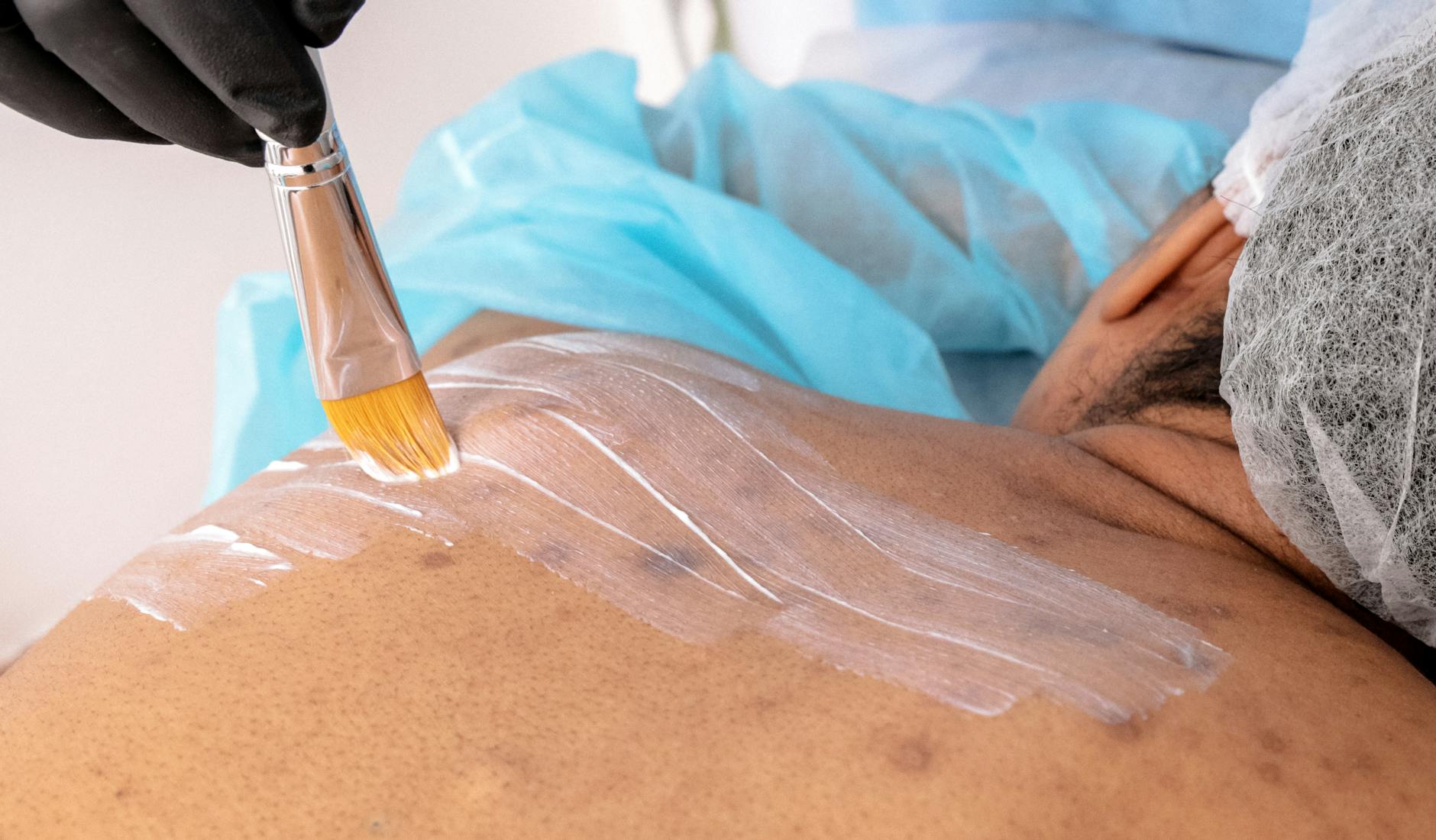
Board-certified dermatologists consistently recommend starting with affordable, ingredient-focused products rather than luxury lines. The reason is simple: acne responds to chemistry, not cost. benzoyl peroxide at 2.5% concentration unclogs pores and kills *Cutibacterium acnes* bacteria whether it’s in a $3 gel or a $30 designer formula. Salicylic acid exfoliates and opens pores at the same rate regardless of brand or price point.
However, one legitimate limitation of budget routines is consistency in formulation. Drugstore products are sometimes reformulated without notice, occasionally changing the stabilization of key ingredients or adjusting pH levels. Some people experience unexpected breakouts when their preferred drugstore product changes its formula mid-supply. Luxury brands, by contrast, maintain tighter quality control and consistency batch-to-batch, which matters for people with highly reactive or sensitive skin. Another consideration: drugstore products often use less stable forms of ingredients like vitamin C, meaning they degrade faster once opened, reducing their effective lifespan compared to more carefully formulated luxury alternatives.
Real-World Cost Breakdown of Acne Routines
A effective basic acne routine requires five essentials: cleanser, active treatment (benzoyl peroxide or salicylic acid), moisturizer, sunscreen, and optionally a targeted serum. Building this with drugstore products typically costs $30-60 monthly. A basic cleanser runs $5-8, a treatment product $8-15, a fragrance-free moisturizer like CeraVe $10-12, drugstore sunscreen $8-10, and a simple niacinamide serum (optional) $5-10. Total monthly cost: approximately $35-55 for a complete, dermatologist-sound routine.
The same routine built with luxury brands might include a high-end cleanser ($60-80), a luxury treatment serum ($150-200), a premium moisturizer ($80-120), luxury sunscreen ($50-70), and specialized serums ($150-300). This easily reaches $400-700 monthly. The acne-clearing outcomes, for most people, are equivalent. However, someone with extremely sensitive skin, a compromised moisture barrier, or previous bad reactions to drugstore products might genuinely benefit from luxury formulations—not because they’re more potent, but because they’re formulated with greater gentleness and stability.

When Dermatologist Prescriptions Beat Both Budget and Luxury Options
For moderate to severe acne, neither drugstore nor luxury routines may be sufficient. Many dermatologists skip the skincare debate entirely and move directly to prescription treatments. An initial dermatology consultation costs $150-300 without insurance, but the prescription options that follow can actually outperform any over-the-counter product at any price point.
Topical prescription medications like tretinoin or adapalene cost $45-100 monthly and address acne at the cellular level in ways benzoyl peroxide cannot. For severe nodular acne, isotretinoin (Accutane) represents the nuclear option—highly effective but expensive at $300-500 monthly and requiring monthly lab work and check-ins. The tradeoff is that prescriptions come with real side effects (dryness, sun sensitivity, potential birth defects with isotretinoin) that drugstore routines don’t carry. This is why prescriptions are reserved for cases where acne is causing scarring, significant psychological distress, or proving resistant to standard ingredients.
The Consistency Trap—Why People Abandon Routines
A significant hidden factor in acne treatment success is adherence. People abandon routines because of cost, side effects, or perceived ineffectiveness. A $35 monthly drugstore routine is far more likely to be sustained over the months required for acne improvement than a $400 luxury routine that strains the budget. Acne improvements typically take 6-12 weeks to become visible, and meaningful skin transformation requires 3-6 months of consistent use.
The warning here is that some luxury brands exploit impatience. They market their products with before-and-after images implying results in 2-4 weeks, creating unrealistic expectations. Drugstore brands, regulated more strictly by the FDA, typically make more conservative claims aligned with actual clinical timelines. Additionally, the pursuit of a “perfect” luxury routine sometimes leads to over-complicated regimens (10+ products monthly) that actually worsen acne through irritation, ingredient conflicts, or disrupted skin microbiome. Dermatologists consistently advise that simpler routines—even cheap ones—outperform complex luxury regimens for most people.
Ingredient Overlap: What’s Actually Different
Many people assume luxury products contain proprietary or exclusive ingredients unavailable in drugstore products. In reality, the core active ingredients are identical. Both drugstore and luxury lines use the same benzoyl peroxide, salicylic acid, niacinamide, retinol, and vitamin C—all of which are common chemical compounds, not patentable innovations. The difference lies in concentration, stabilization, and complementary ingredients.
For example, a luxury brand might use a stabilized form of vitamin C that maintains potency longer, or encapsulate it in a special liposomal delivery system. A drugstore brand uses a cheaper form that oxidizes faster. Both deliver vitamin C to your skin; one just stays effective longer once opened. Similarly, a luxury moisturizer might use rare botanical extracts or peptides, while a drugstore equivalent uses humectants like glycerin and occlusives like petrolatum. The results are often indistinguishable to skin, though the experience (texture, scent, aesthetic appeal) differs markedly.
The Future of Acne Skincare Pricing
The acne skincare market is shifting. Dermatologists are increasingly recommending generic, prescription-strength actives as first-line treatments, bypassing both drugstore and luxury over-the-counter products.
Simultaneously, direct-to-consumer skincare brands are disrupting traditional pricing by cutting out retail markup and luxury marketing, offering clinically sound formulations at mid-range prices ($20-50 monthly) with minimal packaging expense. This trend suggests that the future of acne treatment may resemble the future of other healthcare: separation between premium experience products (luxury skincare for aesthetic appeal and self-care) and effective clinical products (affordable, ingredient-focused options). The gap between $400 luxury routines and $35 drugstore routines will likely persist, but informed consumers increasingly recognize that the gap represents marketing and aesthetics, not acne-fighting power.
Conclusion
Dermatologist-recommended drugstore acne routines at $35 monthly deliver equivalent acne-clearing results to luxury lines costing $400 monthly because the active ingredients—benzoyl peroxide, salicylic acid, retinoids—work identically regardless of price. The cost difference primarily reflects packaging, marketing, fragrance, and brand positioning, not superior clinical efficacy. For straightforward acne, this makes budget routines a rational, evidence-based choice.
The real decision points aren’t about price, but about your skin’s individual needs. Highly sensitive skin, previous adverse reactions to ingredients, or severe acne requiring prescription strength are legitimate reasons to explore dermatologist consultation or specialized products. But for most people with mild to moderate acne seeking clear skin, a $35 routine built on proven ingredients will deliver results as reliably as any luxury alternative—often faster, because lower cost makes consistency easier to maintain.