
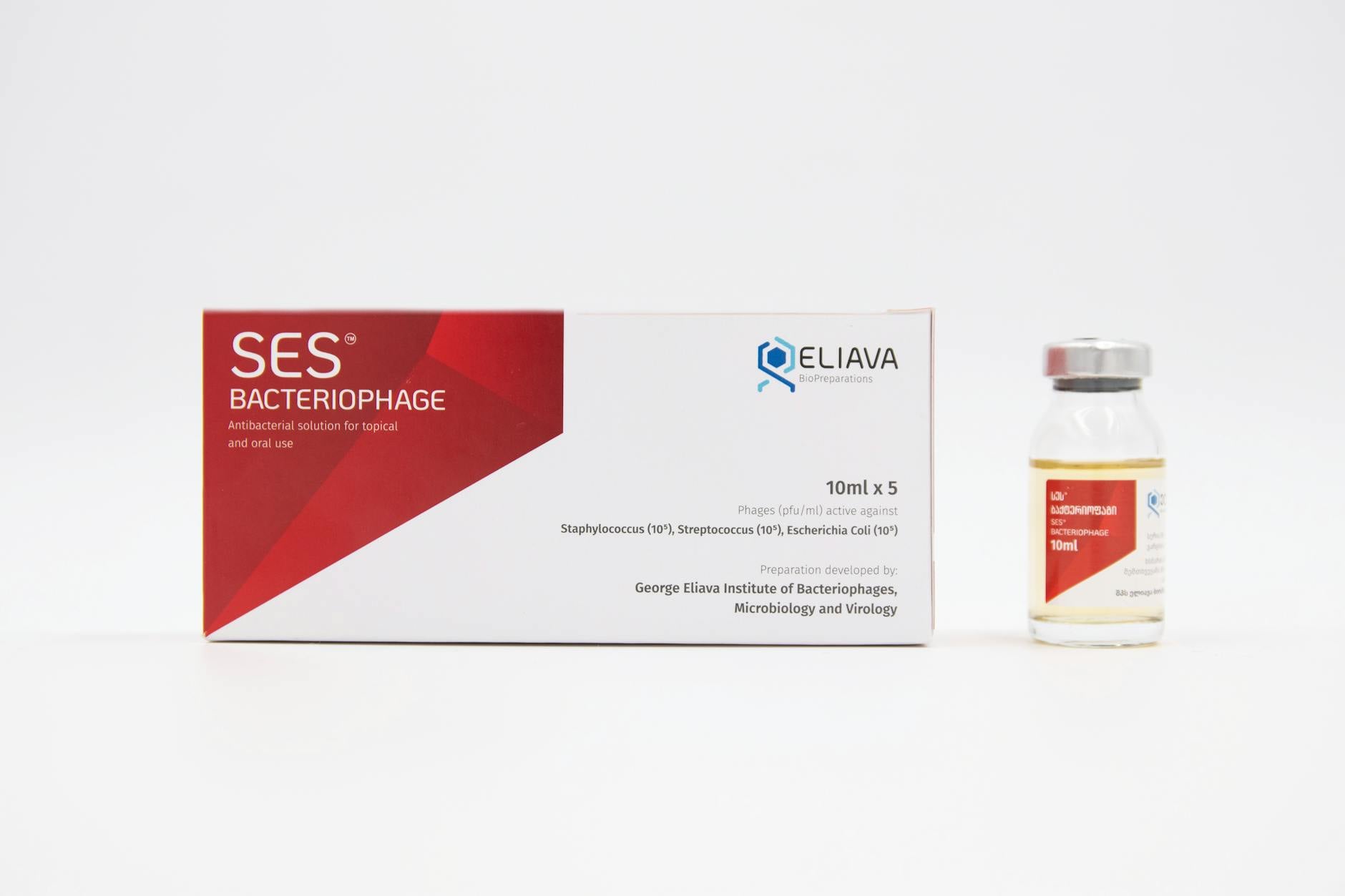
Bacteriophage therapy is moving from laboratory concept to human clinical trials as a potential treatment for acne-causing bacteria that have become resistant to conventional antibiotics. BX001, a topical bacteriophage gel developed specifically to target Cutibacterium acnes (formerly known as Propionibacterium acnes), recently completed a randomized, double-blind, vehicle-controlled Phase 1 clinical trial, marking the first major milestone in bringing viral-based acne treatment to patients. The therapy works by using viruses that have evolved over millions of years to specifically infect and kill acne bacteria—without triggering the resistance mechanisms that make standard antibiotics increasingly ineffective.
This shift toward phage therapy addresses a critical problem in dermatology: nearly half of acne bacteria worldwide now resist common antibiotic treatments. Global resistance rates for C. acnes range from 20 to 60 percent depending on geography and testing methods, and antibiotic resistance in these bacteria has increased approximately 40 percent since the 1980s. Unlike conventional antibiotics, bacteriophages attack their target bacteria through an entirely different mechanism, one that doesn’t trigger the same resistance pathways.
Table of Contents
- How Do Bacteriophages Target Acne Bacteria Without Creating Antibiotic Resistance?
- The Rising Crisis of Antibiotic-Resistant Acne Bacteria
- What the Phase 1 Clinical Trial Revealed About BX001
- Bacteriophage Therapy Versus Conventional Acne Treatments
- Challenges and Barriers to Bringing Phage Therapy to Market
- Emerging Alternatives: Phage Endolysins and Combination Therapy
- The Broader Acne Treatment Pipeline and Future Outlook
- Conclusion
How Do Bacteriophages Target Acne Bacteria Without Creating Antibiotic Resistance?
Bacteriophages are viruses that specifically infect bacteria—in this case, the bacteria responsible for acne. Once inside a bacterial cell, the phage replicates and eventually destroys the host cell from within. This mechanism is fundamentally different from antibiotics, which work through chemical processes like disrupting cell wall synthesis or protein production. Phages are incredibly specific to their target, meaning a phage engineered to kill C. acnes will not harm the beneficial bacteria that naturally exist on your skin. In the Phase 1 BX001 trial, researchers confirmed that treatment did not alter the overall diversity of the skin microbiome—a crucial advantage over broad-spectrum antibiotics that can disrupt healthy bacterial communities and cause secondary infections.
Recent laboratory research has shown the power of combining multiple phages. Eight novel phages used together achieved 100 percent eradication of clinically isolated C. acnes strains in test-tube studies, suggesting that using multiple phage types simultaneously could overcome bacterial defenses that might occur against a single phage. This combination approach mirrors how some infectious disease specialists already use multiple antibiotics together—but with a critical difference: phage resistance develops far more slowly than antibiotic resistance, if it develops at all. One important limitation to note: while phages are specific to their bacterial targets, bacteria can still theoretically evolve resistance to phages through various genetic mechanisms. However, the timeline for this resistance is significantly longer than with antibiotics, and research shows that when bacteria become resistant to phages, they often simultaneously regain sensitivity to antibiotics—a phenomenon that could potentially restore the effectiveness of antibiotic treatments.

The Rising Crisis of Antibiotic-Resistant Acne Bacteria
Over the past four decades, antibiotic-resistant strains of C. acnes have become increasingly common in acne patients worldwide. Studies document a roughly 40 percent increase in antibiotic resistance rates between the 1980s and 2000s, and the problem has continued to worsen since then. Today, in some regions of the world, more than half of isolated C. acnes bacteria show resistance to commonly prescribed acne antibiotics like doxycycline, minocycline, and tetracycline. This resistance has made it progressively harder for dermatologists to treat moderate-to-severe acne using traditional antibiotic approaches.
The development of antibiotic resistance in acne bacteria occurs through the same mechanisms that drive resistance in other bacterial infections: overuse of antibiotics, bacteria sharing resistance genes with one another, and natural selection favoring resistant strains. Many patients with acne use oral antibiotics for months or years, providing an ideal environment for resistant bacteria to emerge. When a patient’s acne bacteria have become resistant to multiple antibiotics, treatment options narrow considerably, often leaving dermatologists to rely on isotretinoin (Accutane)—a powerful but potentially serious medication with significant side effects. Bacteriophage therapy offers an exit strategy from this antibiotic resistance spiral. Because phages operate through a completely different biological mechanism, they are effective against antibiotic-resistant acne bacteria. However, dermatologists caution that relying heavily on phage therapy without careful oversight could theoretically accelerate the development of phage-resistant bacteria if the therapy becomes widely overused without proper resistance monitoring.
What the Phase 1 Clinical Trial Revealed About BX001
The Phase 1 trial of BX001, the topical bacteriophage gel, tested the treatment in patients with mild-to-moderate acne under carefully controlled conditions. Researchers applied either high-dose BX001, low-dose BX001, or a vehicle control (placebo) to patients and measured both safety and effectiveness. The results were encouraging: the high-dose BX001 formulation significantly reduced C. acnes bacterial load compared to baseline measurements and to the vehicle control. Patients treated with the high-dose gel experienced noticeable reductions in acne-causing bacteria on their skin within the trial timeframe. The safety profile was remarkably clean.
No serious adverse events were reported during the trial, and the treatment was well tolerated across participants. Importantly, researchers confirmed that the phage therapy did not disrupt the broader skin microbiome—the community of bacteria and microorganisms that naturally inhabit healthy skin. This finding is significant because broad-spectrum acne treatments can sometimes cause ecological imbalances on the skin, leading to other problems. The fact that BX001 selectively reduced C. acnes without harming other skin bacteria suggests fewer downstream side effects compared to traditional antibiotics. One practical consideration emerged from the trial: efficacy appeared to depend on dosage, with the high-dose formulation outperforming the low-dose version. This suggests that as bacteriophage therapy advances, determining the optimal dosing strategy will be crucial—different patients or different severity levels of acne may require different concentrations to achieve clinical benefit.
Bacteriophage Therapy Versus Conventional Acne Treatments
Current acne treatments fall into several categories, each with distinct advantages and limitations. Topical antibiotics (like clindamycin) and oral antibiotics (like doxycycline) have been mainstays of moderate acne treatment for decades, but their efficacy is now compromised by widespread bacterial resistance. Retinoids, including tretinoin and adapalene, work through a completely different pathway—promoting skin cell turnover and preventing pore clogging—and retain full effectiveness regardless of bacterial resistance, making them reliable options. Benzoyl peroxide, another topical standby, kills bacteria through oxidative stress and also shows no resistance issues. Bacteriophage therapy offers a middle ground: like antibiotics, it directly kills the acne-causing bacteria, addressing the root cause of inflammatory acne.
But like retinoids and benzoyl peroxide, it avoids the resistance problem entirely. The major tradeoff is that bacteriophage therapy is still investigational—it requires Phase 2 and Phase 3 clinical trials before it can be approved for general use, whereas proven treatments are available today. Additionally, the specificity of phages means the therapy works best on acne driven primarily by C. acnes bacteria; acne with other contributing factors (like hormonal influences or excess oil production) may require combination therapy. For patients with documented antibiotic-resistant acne, bacteriophage therapy represents a potential breakthrough that wouldn’t have been available even five years ago. Currently, these patients typically progress to isotretinoin or to topical-only regimens using retinoids and benzoyl peroxide.
Challenges and Barriers to Bringing Phage Therapy to Market
Despite promising Phase 1 results, bacteriophage therapy faces significant hurdles before becoming a standard acne treatment. Manufacturing and stability are among the most pressing challenges: bacteriophages are living viruses that can lose viability over time, especially at room temperature. This means developing a shelf-stable formulation requires careful pharmaceutical engineering—the BX001 gel needed optimization to maintain phage viability in a topical cream or gel vehicle without refrigeration. Any instability during shipping or storage could render the treatment ineffective. Regulatory approval also presents a complex pathway. Bacteriophage therapies are relatively novel in Western medicine, and regulatory agencies like the FDA lack extensive precedent for evaluating safety and efficacy.
While the Phase 1 results for BX001 were positive, the treatment will still need Phase 2 trials (testing more patients across multiple sites) and Phase 3 trials (larger, multi-center studies) before approval. This process typically requires several years and substantial investment. Additionally, because phages are living entities, not synthetic chemicals, manufacturers must establish quality control standards that differ from traditional pharmaceuticals. Cost and accessibility represent another potential barrier. Developing biologics (treatments derived from living organisms) is inherently more expensive than synthesizing chemical drugs. Whether phage therapy will be affordable for patients without insurance coverage, or in parts of the world with limited healthcare budgets, remains an open question.

Emerging Alternatives: Phage Endolysins and Combination Therapy
Researchers are pursuing alternative approaches using phage-derived components. Bacteriophages that infect C. acnes encode enzymes called endolysins that actually destroy the bacterial cell wall from within. These endolysins can be manufactured separately and used as a standalone treatment without needing live phages. The advantage is that endolysins are more stable molecules that are easier to formulate into conventional pharmaceutical products.
Importantly, research shows endolysins have very low reported rates of bacterial resistance, potentially offering another decades-long window of therapeutic effectiveness. Another promising strategy combines bacteriophages with conventional antibiotics. Studies have shown that when antibiotic-resistant C. acnes bacteria are exposed to phage therapy alongside antibiotics they were previously resistant to, the bacteria often regain sensitivity to those antibiotics. In essence, the phage infection can remove or disable the resistance genes, restoring antibiotic effectiveness. This combination approach could allow dermatologists to re-employ proven antibiotic treatments in patients with resistant acne, potentially extending the lifespan of these older, well-understood medications.
The Broader Acne Treatment Pipeline and Future Outlook
Bacteriophage therapy is not the only innovative acne treatment in development. An acne vaccine designed to trigger immune responses against C. acnes is currently undergoing clinical trials, with results expected by 2029. This immunological approach would represent a fundamentally different strategy—training the body’s immune system to recognize and attack acne-causing bacteria, rather than using external treatments.
Some researchers theorize that combining a preventive vaccine with phage therapy could offer comprehensive acne management for severe cases. The landscape of acne dermatology is shifting from an era dominated by antibiotics and retinoids to one where targeted biological therapies play a major role. For patients with antibiotic-resistant acne, or those who have not tolerated standard treatments, bacteriophage therapy offers genuine hope—not as a replacement for existing treatments, but as a valuable new tool in the dermatologist’s arsenal. The next 3-5 years will be critical as Phase 2 and Phase 3 trials of BX001 and similar phage therapies progress toward potential regulatory approval.
Conclusion
Bacteriophage therapy represents a paradigm shift in how acne medicine can address the problem of antibiotic-resistant bacteria. The Phase 1 clinical trial of BX001 demonstrated that topical bacteriophage treatment is safe, well-tolerated, and effective at reducing C. acnes bacterial load without disrupting the skin’s healthy microbiome.
With global antibiotic resistance in acne bacteria affecting an estimated 20 to 60 percent of patients depending on location, the timing of this advancement is critical. If Phase 2 and Phase 3 trials continue to show promise, bacteriophage therapy could become an approved treatment option within 3-5 years. Patients with antibiotic-resistant acne, those who have not tolerated other treatments, or those seeking to avoid systemic antibiotic exposure may be among the first to benefit. In the meantime, dermatologists and patients should remain informed about this emerging option and watch for updates from clinical research.