
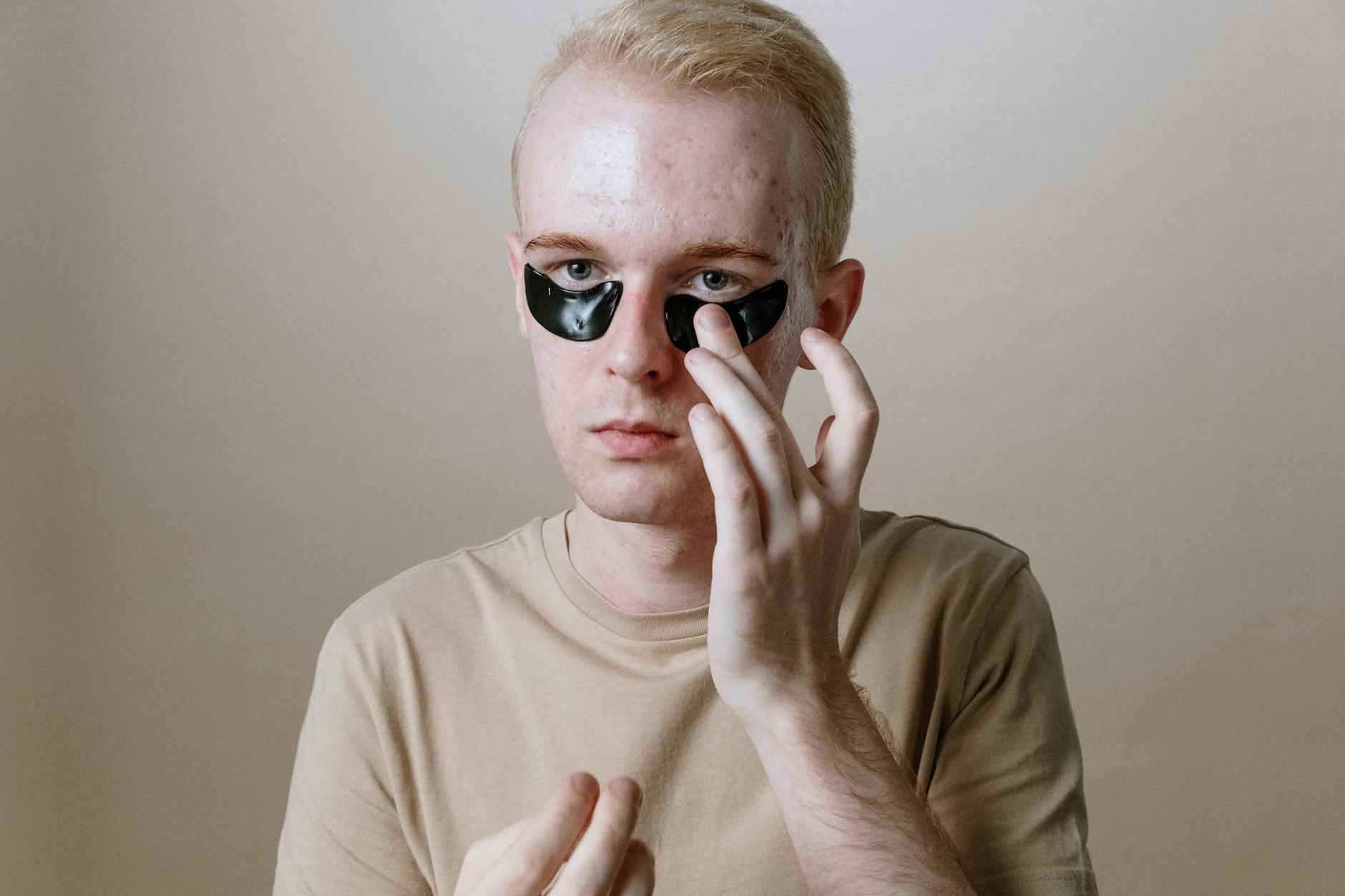
Yes, developing acne at 61 after starting a new medication is not only possible—it’s a real and increasingly common phenomenon that most people, including some healthcare providers, fail to recognize. When someone suddenly breaks out in their sixth or seventh decade of life without a prior history of significant acne, the culprit is often not hormonal changes or poor skincare, but rather a medication they’ve recently begun taking. Drug-induced acne is a documented side effect of several commonly prescribed medications, yet it remains underrecognized in older adults simply because acne is so rarely expected in this age group. Many patients dismiss it as a coincidence or attribute it to aging skin, while their doctors may overlook the connection entirely. The case of a 61-year-old developing acne shortly after starting a new medication exemplifies a pattern that dermatologists see with increasing frequency.
This person likely experienced a sudden eruption of inflammatory lesions—not the sporadic blackheads or whiteheads of teenage acne, but a uniform, widespread outbreak that appeared seemingly out of nowhere. Within weeks or months of beginning their medication, the skin changed dramatically. This scenario illustrates a critical gap in medical education and patient awareness: drug-induced acne in older adults deserves far more attention than it currently receives. Understanding whether your acne is medication-related is the first step toward effective treatment. The good news is that drug-induced acne can be successfully managed without necessarily discontinuing the medication causing it—and recognizing the connection is the key to moving forward.
Table of Contents
- Why Do Medications Trigger Acne in Older Adults?
- Medications Known to Cause Acneiform Eruptions in Older Adults
- How to Recognize Drug-Induced Acne and Distinguish It from Other Causes
- Treatment Options Without Stopping Your Medication
- Acne Prevalence in Older Adults and Why Recognition Matters
- EGFR Inhibitors and Cancer Treatment-Related Acne
- Looking Forward—Improving Recognition and Patient Outcomes
- Conclusion
Why Do Medications Trigger Acne in Older Adults?
acne at any age results from a combination of factors: excess sebum production, follicular plugging, bacterial growth, and inflammation. Certain medications directly interfere with these processes, amplifying one or more of these mechanisms. Some medications increase sebaceous gland activity, while others trigger inflammatory responses in the skin or alter the skin’s bacterial balance. In older adults, the impact can be particularly noticeable because their skin has gone years or decades without dealing with significant acne, making the sudden appearance feel especially jarring.
The reason drug-induced acne is underrecognized is partly generational expectation. When someone in their 60s breaks out, neither the patient nor their doctor immediately suspects medication as the cause. Acne is mentally filed away as a “young person’s problem,” so the sudden appearance in an older adult doesn’t trigger the obvious connection. Additionally, older adults may be taking multiple medications, making it harder to isolate which one is responsible. A patient starting a cancer treatment, a new psychiatric medication, or an immunosuppressant may not realize these drugs carry acne as a known side effect—and their prescribing physicians may not proactively warn them, especially if acne wasn’t listed as a major safety concern.
Medications Known to Cause Acneiform Eruptions in Older Adults
The medications most strongly linked to acne include corticosteroids, anabolic steroids, and testosterone—all of which have a well-documented causal relationship to acne. But the list extends far beyond these. EGFR inhibitors, used in cancer treatment, are particularly notorious; they cause drug-induced acneiform eruptions in 60 to 80 percent of patients treated with them. This extraordinarily high incidence rate means that someone taking an EGFR inhibitor has better than even odds of developing acne as a side effect.
Other medications on the acne-causing list include lithium (used for bipolar disorder), certain antidepressants, chemotherapy drugs, antiepileptic medications, halogen-containing substances like iodine, and isoniazid (an antibiotic for tuberculosis). The mechanisms vary—some boost sebum production, others trigger inflammation, and still others alter skin bacteria—but the end result is similar: a sudden acneiform eruption in someone who didn’t expect it. A limitation worth noting is that not everyone taking these medications will develop acne; individual susceptibility varies based on genetics, skin type, and other factors. This unpredictability means a medication that causes severe acne in one patient might cause none in another, making patient education all the more important.
How to Recognize Drug-Induced Acne and Distinguish It from Other Causes
The hallmark of drug-induced acne is sudden onset at an unusual age, accompanied by a recent medication start. If a 61-year-old has never had significant acne but begins breaking out weeks after starting a new drug, medication is a prime suspect. The eruption typically presents as a monomorphous eruption—meaning the lesions have a uniform appearance—consisting largely of inflammatory papules and papulopustules rather than the mix of comedones, cysts, and various lesion types seen in traditional acne vulgaris. The distribution may also differ; drug-induced acne sometimes appears more centrally on the face and upper trunk.
A second diagnostic clue is the timeline. Traditional acne develops gradually and often has a clear hormonal or genetic component; drug-induced acne typically appears suddenly, within weeks to a few months of starting the offending medication. If you can draw a clear line between starting a medication and the appearance of acne, that correlation is meaningful. The challenge is that many older adults are starting multiple medications simultaneously—perhaps a new blood pressure drug, a new diabetes medication, and a new psychiatric medication all within a few months—making it harder to pinpoint the culprit. Keeping a detailed timeline of medication starts and acne onset can help you and your dermatologist narrow down the cause.

Treatment Options Without Stopping Your Medication
One of the most reassuring facts about drug-induced acne is that you often don’t need to discontinue the medication causing it. Standard acne treatments can effectively control drug-induced acne even while you continue taking the offending drug. Topical treatments like retinoids and benzoyl peroxide work on the skin surface to reduce sebum, unclog pores, and fight bacteria—processes that are helpful regardless of whether the acne’s origin is hormonal, bacterial, or medication-induced. Oral antibiotics like doxycycline or minocycline address the inflammatory and bacterial components of acne and can be prescribed safely for older adults in appropriate doses.
The practical advantage of this approach is significant: if you’re taking a cancer drug, an immunosuppressant, or a psychiatric medication that’s genuinely helping your health, you don’t have to choose between your health and clear skin. A dermatologist can prescribe topical and oral medications to control the acne while you continue the essential medication. A tradeoff to consider is that managing drug-induced acne may require more aggressive or longer-term treatment than treating acne in a younger person, simply because the skin of older adults can be more sensitive to some treatments. Your dermatologist may need to adjust doses or switch medications if irritation becomes an issue.
Acne Prevalence in Older Adults and Why Recognition Matters
Acne is far more common in older adults than most people realize. Research shows that 9.3 percent of adults aged 40 to 64 report having acne. While acne prevalence does decline with age—dropping from 50.9 percent in women aged 20 to 29 down to 15.3 percent in women over 50—the reality is that millions of older adults deal with acne every year. This prevalence means that drug-induced acne in this age group is likely a significant but underrecognized phenomenon. Many cases probably go undiagnosed or misattributed to other causes.
The underrecognition of drug-induced acne in older adults has real consequences. Patients may suffer with embarrassing breakouts, use ineffective over-the-counter treatments, or delay seeking care because they assume acne is simply not something that happens to them. Healthcare providers may fail to mention acne as a potential side effect when prescribing medications, leaving patients blindsided. A warning worth heeding: if you’re about to start a medication—especially a cancer drug, immunosuppressant, or psychiatric medication—ask your prescribing physician explicitly whether acne is a known side effect. This simple conversation can prepare you psychologically and help you recognize the problem early if it develops.

EGFR Inhibitors and Cancer Treatment-Related Acne
EGFR inhibitor therapy provides a particularly compelling example of medication-induced acne in older adults. These drugs, used to treat certain cancers, cause acneiform eruptions in 60 to 80 percent of patients—a rate so high that dermatologists now routinely expect and proactively manage acne in cancer patients taking these medications. A 65-year-old starting EGFR inhibitor therapy for lung cancer might develop significant acne within weeks, not as a sign that the cancer treatment isn’t working, but as an almost inevitable side effect of the therapy itself.
The irony is painful: the patient is undergoing aggressive treatment to fight cancer, and acne becomes an additional burden they didn’t anticipate. Fortunately, dermatologists have developed protocols for managing EGFR inhibitor-related acne, often starting patients on preventive topical treatments and oral antibiotics before severe breakouts occur. This proactive approach can minimize the acne burden while the patient focuses on cancer treatment. The key is ensuring that oncologists and dermatologists communicate and coordinate care—something that doesn’t always happen automatically in busy medical settings.
Looking Forward—Improving Recognition and Patient Outcomes
As medications continue to evolve and more targeted therapies are developed, drug-induced acne in older adults will likely become an even more common issue. The field of dermatology is gradually improving its response: more practitioners are now educating patients about acne as a potential side effect, and more proactive treatment protocols are being established. However, there remains a significant gap between current practice and ideal practice.
Many older adults still have no idea that their sudden acne outbreak is medication-related, and many prescribing physicians don’t mention acne risk during consent conversations. Future improvements will likely include better patient education at the point of medication initiation, more routine screening for acne in patients taking high-risk medications, and stronger coordination between dermatologists and other medical specialists. For now, the onus falls on patients to be informed—to ask about acne risk when starting new medications and to seek dermatological care promptly if unexpected acne develops. The good news is that recognition and early treatment can prevent months of unnecessary suffering and keep drug-induced acne from becoming a major quality-of-life issue during an already challenging time.
Conclusion
Drug-induced acne in older adults is real, underrecognized, and far more common than most people realize. When a 61-year-old develops acne shortly after starting a new medication, the connection is often real and worth investigating. The key is recognizing the pattern—sudden onset at an unusual age, monomorphous lesions, and a clear temporal relationship to medication initiation—and connecting with a dermatologist who can confirm the diagnosis and implement effective treatment.
The encouraging takeaway is that drug-induced acne is manageable without necessarily discontinuing the medication causing it. Standard acne treatments work effectively on medication-induced breakouts, allowing patients to continue essential therapies while maintaining skin health and quality of life. If you’re starting a new medication and develop unexpected acne, ask your prescribing physician whether the medication is a known cause, and don’t hesitate to seek dermatological care. Clear skin and medical health don’t have to be competing priorities.