
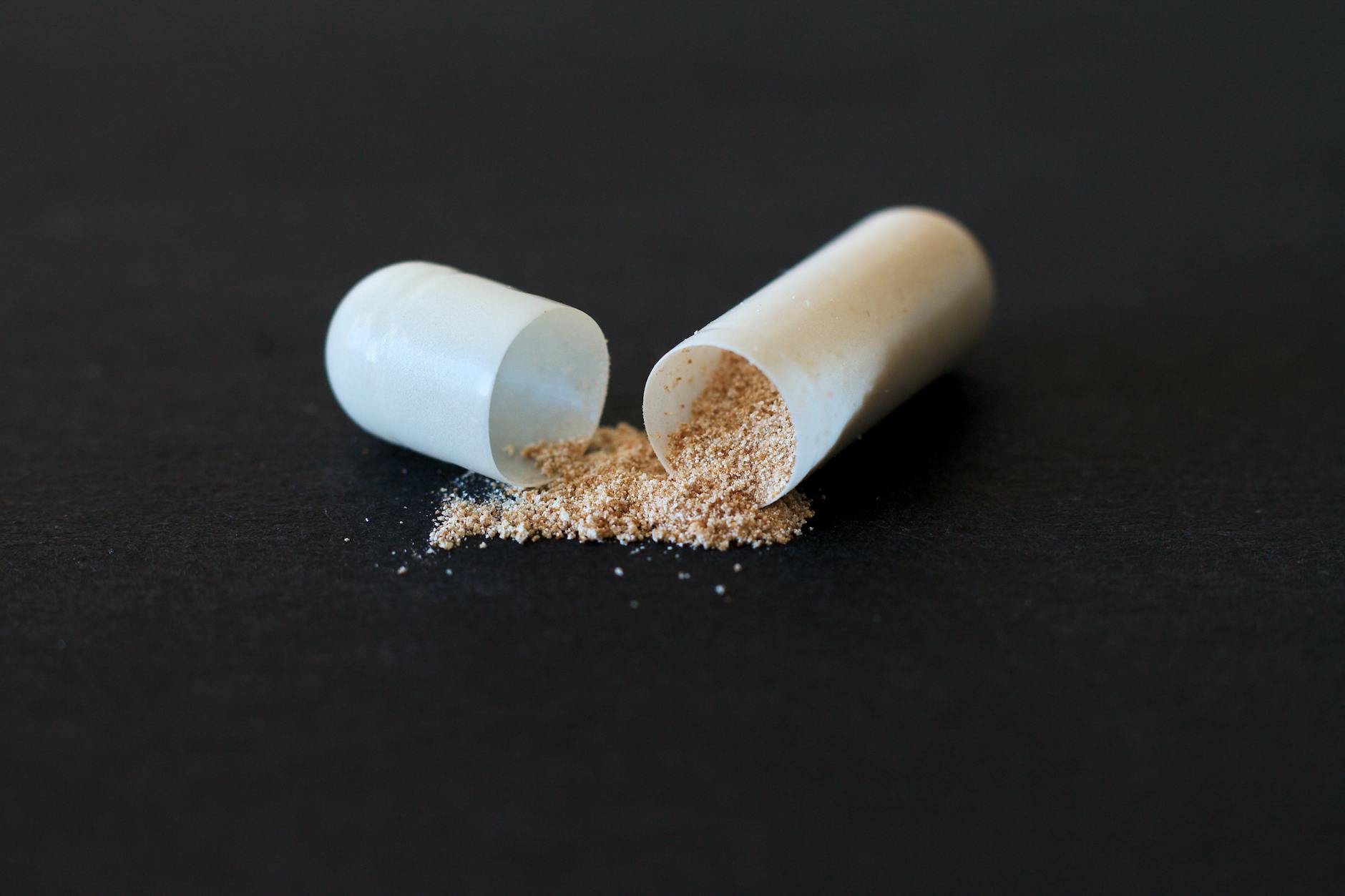
Oral microbiome capsules designed to target the gut-skin axis represent a fundamental shift in how dermatologists and researchers approach acne and systemic skin inflammation. These oral capsules—containing carefully selected probiotic strains like Lactobacillus rhamnosus and Bifidobacterium longum—work by restoring beneficial bacteria in the gut, which then communicate with skin immune cells through a bidirectional signaling pathway known as the gut-skin axis. Rather than treating acne symptoms directly on the skin, these capsules address one of the root causes: an imbalanced gut microbiome that allows pro-inflammatory signals to reach skin tissue, exacerbating acne breakouts, rosacea, and other inflammatory conditions.
The science behind this approach is now moving from laboratory research into human clinical trials. A landmark trial examining an oral probiotic capsule containing Lactobacillus rhamnosus and Bifidobacterium longum (dosed at 10^9 CFU per capsule) showed that 56% of patients experienced reduced inflammatory skin lesions compared to only 30% in the placebo group. While that trial initially focused on alopecia areata, the same bacteria and mechanisms are now being studied specifically for acne and systemic skin inflammation, with multiple Phase 1b and Phase 2 trials underway as of 2025-2026.
Table of Contents
- How Does the Gut-Skin Axis Connection Work in Acne?
- What Do Current Clinical Trials Show About Efficacy and Safety?
- Which Bacterial Strains Target Skin Inflammation Most Directly?
- How Do Oral Microbiome Capsules Compare to Topical and Systemic Acne Treatments?
- What Are the Limitations and Safety Concerns?
- Real-World Examples From Current Clinical Trials
- The Future of Microbiome-Based Acne and Skin Inflammation Treatment
- Conclusion
How Does the Gut-Skin Axis Connection Work in Acne?
The gut-skin axis is a biochemical highway where the trillions of bacteria living in your digestive tract directly influence inflammation throughout your body, including in your skin. When your gut microbiome becomes imbalanced—a condition called dysbiosis—the intestinal barrier weakens, allowing bacterial metabolites and lipopolysaccharides (LPS) to leak into the bloodstream. These compounds trigger systemic immune activation, ramping up production of pro-inflammatory cytokines like TNF-alpha and IL-6, which then circulate to skin tissue and promote acne development and flare-ups. Oral microbiome capsules work by repopulating the gut with beneficial bacteria that strengthen the intestinal barrier, reduce LPS translocation, and shift the immune response toward anti-inflammatory Regulatory T cells (Treg) that produce IL-10 and other calming signals. Recent systematic reviews from 2025-2026 confirm that Lactobacillus and Bifidobacterium species directly modulate this inflammatory cascade.
When these bacteria establish themselves in the colon, they ferment dietary fiber into short-chain fatty acids (particularly butyrate), which feed the intestinal epithelial cells, tighten tight junctions, and activate GPR43 receptors that suppress systemic inflammation. This is not a local effect—the anti-inflammatory signals generated in the gut literally reach your skin within weeks, reducing sebum oxidation, lowering sebaceous gland inflammation, and decreasing the likelihood of bacterial colonization that drives acne. The timing matters. clinical trials using these probiotic capsules typically show measurable skin improvement within 8-12 weeks of daily dosing, with continued improvement through 24 weeks. This aligns with the time it takes for beneficial bacteria to establish stable populations in the colon, for tight junctions to fully repair, and for systemic inflammatory markers to shift downward. However, the effect is not universal—genetics, diet, and concurrent antibiotic use all influence whether a patient’s microbiome will shift in response to the supplemented bacteria.
What Do Current Clinical Trials Show About Efficacy and Safety?
The most robust clinical data available comes from a Phase 1b trial that measured an oral capsule containing Lactobacillus rhamnosus and Bifidobacterium longum in patients with skin inflammatory conditions. The results showed a 56% response rate (defined as reduced inflammatory lesions) in the treatment group versus 30% in placebo—a 26 percentage point difference that is clinically meaningful, though not overwhelming. More impressively, affected skin surface area improved by 45% in treated patients versus 20% in placebo, suggesting that those who responded experienced substantial healing, not just marginal improvement. A separate trial—Microbiotica’s COMPOSER-1 study—dosed a different oral capsule (MB310) containing 8 live gut commensal bacterial strains in patients over a 12-week treatment period with a 12-week follow-up. While this trial was designed for ulcerative colitis rather than acne, the mechanism overlaps considerably: by restoring microbial diversity and reducing dysbiosis, the capsule modulated intestinal inflammation that likely reduced systemic inflammatory burden. The trial began patient dosing in November 2024, and interim data suggests the approach is safe, with adverse events typical of probiotics (mild GI bloating or gas in the first 1-2 weeks).
A critical limitation: most published microbiome trials enroll small patient cohorts (50-200 people), use different bacterial strains, and measure different outcomes, making direct comparison difficult. The Vowst trial—the world’s first FDA-approved oral fecal microbiome therapy for Clostridioides difficile—proved that oral microbiome interventions can be safe and effective, but C. difficile infection is a single-cause condition. Acne and systemic skin inflammation are multifactorial, influenced by hormones, diet, genetics, and environmental stress, so a probiotic that works for 56% of patients may not work for you. Additionally, most trials are funded by the companies developing the products, introducing potential bias in outcome measurement and reporting.
Which Bacterial Strains Target Skin Inflammation Most Directly?
The two bacterial strains showing the strongest evidence for skin benefits are Lactobacillus rhamnosus and Bifidobacterium longum, both dosed at 10^9 CFU (colony-forming units) per capsule. Lactobacillus rhamnosus is particularly effective at strengthening intestinal tight junctions through upregulation of occludin and claudin proteins; it also produces bacteriocins (antimicrobial peptides) that suppress pathogenic bacteria like Staphylococcus aureus, a strain frequently implicated in infected acne and skin infections. Bifidobacterium longum produces acetate and lactate, which lower colonic pH and suppress inflammation-promoting Clostridia species. Importantly, these strains are not interchangeable. A Lactobacillus plantarum, for example, does not have the same tight-junction-strengthening properties as L.
rhamnosus. And the dose matters—10^9 CFU is the threshold at which clinical trials demonstrated skin benefit; lower doses (10^8 or 10^7) have not been shown to produce the same 56% response rate. This is why over-the-counter probiotic supplements often disappoint: they may contain the right strains but at insufficient doses, or they may contain strains optimized for other purposes (like immune support or digestive comfort) rather than for gut barrier integrity. Some emerging microbiome therapies use 8 or more bacterial strains—like the Microbiotica approach—on the theory that greater microbial diversity mirrors a healthy gut. However, more strains does not automatically mean better outcomes. The added complexity makes it harder to know which strain is responsible if side effects occur, and some strains may compete with others for the same intestinal niche, reducing the effective dose of the beneficial bacteria.

How Do Oral Microbiome Capsules Compare to Topical and Systemic Acne Treatments?
Topical acne treatments like benzoyl peroxide, salicylic acid, and tretinoin work directly on the skin: they kill bacteria, unclog pores, and increase cell turnover. They produce visible improvement in 4-8 weeks and have decades of safety data. However, they do not address the underlying systemic inflammation that drives acne in many patients, particularly those with hormonal or stress-related breakouts. Topical treatments also cause irritation, dryness, and photosensitivity in 20-40% of users and provide no benefit for non-facial acne (chest, back, shoulders). Systemic antibiotics (doxycycline, minocycline, trimethoprim-sulfamethoxazole) suppress the inflammatory response and kill acne-causing bacteria throughout the body, which is why they work for moderate to severe acne. But long-term antibiotic use (beyond 3-6 months) drives antibiotic resistance, disrupts the entire microbiome—ironically worsening dysbiosis—and increases risk of Candida overgrowth and C.
difficile infection. Isotretinoin (Accutane) is the most effective acne treatment but carries serious teratogenicity and psychiatric risks, requiring intensive monitoring. Oral microbiome capsules occupy a different position: they address a root cause (dysbiosis and leaky gut) rather than killing bacteria or suppressing inflammation acutely. They require 8-12 weeks to show benefit (much slower than topical treatments) and work in only 56% of patients. However, they have a favorable side-effect profile, do not drive antibiotic resistance, and may provide lasting benefit if they permanently shift the microbiome toward a healthier composition. The tradeoff is clear: microbiome capsules require patience and are most useful for patients whose acne is driven or worsened by systemic inflammation, food sensitivities, or stress—not for severe cystic acne requiring immediate intervention or for patients with isolated comedonal acne.
What Are the Limitations and Safety Concerns?
The most significant limitation is that oral microbiome capsules do not work for everyone. In clinical trials, 44% of patients showed no meaningful improvement, suggesting that dysbiosis and gut-skin axis dysfunction are not the primary driver of acne in these individuals. If your acne is primarily androgen-driven (as in hormonal acne) or bacterial-overgrowth-driven (as in severe acne rosacea), a probiotic capsule alone is unlikely to clear your skin. Additionally, if you are currently taking antibiotics—a common acne treatment—those antibiotics will likely kill the supplemented bacteria, rendering the capsule ineffective until antibiotic therapy is completed. Probiotics can cause temporary gastrointestinal symptoms in the first 1-2 weeks as the microbiome rebalances: bloating, gas, mild diarrhea, and abdominal discomfort are common.
These symptoms usually resolve as the gut adjusts, but they can be uncomfortable enough that some patients discontinue treatment prematurely. Rarely, probiotics can cause bacteremia (bacteria entering the bloodstream) or systemic infections in immunocompromised patients, though this risk is extremely low with non-pathogenic Lactobacillus and Bifidobacterium species. A practical limitation: there is no reliable test to determine whether dysbiosis is driving your acne before you begin treatment. Gut microbiome testing via 16S rRNA sequencing is commercially available, but interpreting the results is complex, and no consensus exists on what microbiome composition predicts a positive response to probiotic therapy. This means you may spend months and money on a treatment that does not work for you, without knowing in advance whether it will help.
Real-World Examples From Current Clinical Trials
The alopecia areata trial that demonstrated the 56% response rate provides the closest parallel to acne: both are inflammatory conditions driven or worsened by dysbiosis. In that trial, patients who responded—those showing reduced inflammatory lesions and 45% improvement in affected skin area—typically noticed initial changes around week 4 (reduced itching, less visible inflammation) and substantial improvement by week 8-12.
Patients who did not respond showed no skin changes by week 8, and discontinuing the capsule at that point did not lead to relapse, suggesting that a 2-month trial period is reasonable for assessing efficacy. Microbiotica’s COMPOSER-1 trial is still enrolling and following patients, but the company’s announcement in November 2024 that the first patient had been dosed signals that the safety and tolerability bar was met in preclinical testing. The trial is designed to assess whether the 8-strain capsule (MB310) reduces intestinal inflammation in ulcerative colitis patients; if successful in this high-inflammation context, the same mechanism would logically apply to skin inflammation, though a separate acne-specific trial would be needed to confirm efficacy.
The Future of Microbiome-Based Acne and Skin Inflammation Treatment
The field is moving toward personalized or “precision” microbiome medicine—using individual microbiome profiling to select which bacterial strains, doses, and combinations are most likely to benefit a specific patient. Microbiotica’s approach reflects this trend: MB310 contains 8 strains selected to address specific dysbiosis patterns in inflammatory bowel disease, rather than a one-size-fits-all probiotic. Within the next 2-3 years, expect to see similar precision approaches in dermatology: microbiome analysis followed by targeted bacterial supplementation chosen specifically to address your dysbiosis profile.
Additionally, combination therapies are being explored—pairing oral microbiome capsules with dietary interventions (low-glycemic diets, increased fiber and polyphenols to feed beneficial bacteria) or with light anti-inflammatory medications to accelerate recovery. The FDA’s approval of Vowst signals regulatory willingness to approve oral microbiome therapies, which may ease the pathway for dermatology-focused products. However, the high cost of developing and trialing such capsules ($50-100 million per product) means we will likely see only 3-5 oral microbiome therapies specifically marketed for skin conditions within the next 5 years, rather than a flood of options.
Conclusion
Oral microbiome capsules targeting the gut-skin axis represent a scientifically grounded approach to acne and systemic skin inflammation, backed by clinical trial data showing a 56% efficacy rate in reducing inflammatory lesions. These capsules work by restoring beneficial bacteria that strengthen the intestinal barrier, reduce systemic inflammation, and shift immune responses toward anti-inflammatory signaling—a mechanism fundamentally different from topical treatments or antibiotics.
However, they require 8-12 weeks to show benefit, do not work for all patients, and are most useful for those whose acne is driven by dysbiosis and systemic inflammation rather than hormonal or bacterial overgrowth factors. If you have acne or inflammatory skin conditions accompanied by digestive symptoms (bloating, irregular bowel movements, food sensitivities), ongoing stress, or a history of antibiotic use, an oral microbiome capsule containing Lactobacillus rhamnosus and Bifidobacterium longum at 10^9 CFU per dose is worth discussing with a dermatologist—particularly if topical treatments have provided insufficient benefit. The key is setting realistic expectations: commit to 8-12 weeks of daily dosing before assessing efficacy, continue or discontinue based on visible skin improvement rather than how you feel, and consider combining the capsule with dietary improvements (increased fiber, reduced sugar) that feed beneficial bacteria and amplify the treatment’s effect.
You Might Also Like
- New Topical Antiandrogen Cream in Clinical Trials…Blocks Hormones at the Skin Level Without Systemic Side Effects
- New Microbiome Transplant Cream in Clinical Trials…Replaces Harmful Skin Bacteria With Beneficial Strains
- New Nitric Oxide-Releasing Gel in Clinical Trials…Kills Acne Bacteria Through Oxidative Stress Without Resistance Development