
Niacinamide Skin Benefits Update 2026: Evidence and Open Questions

Learn which niacinamide strengths help oil, tone and fine lines, and when to ask a dermatologist instead.
Learn which niacinamide strengths help oil, tone and fine lines, and when to ask a dermatologist instead.

Learn the common 2% starter dose, safe application habits, and daily sunscreen step for calmer breakouts.

Track product, place, timing, and spot type to tell purging from breakout and know when to stop.

Compare proven acne treatments with microbiome options and learn safe routines that protect skin balance.
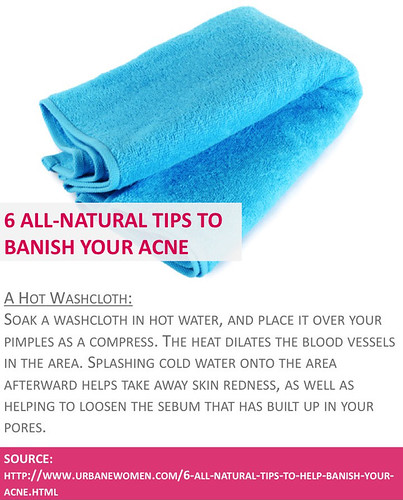
Learn which gentle steps, proven actives and warning signs matter, plus what to ask before starting care.
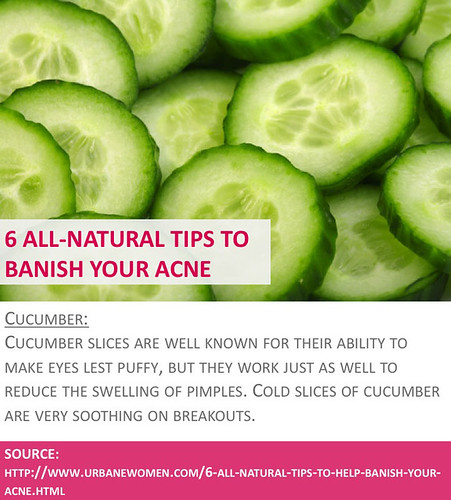
Match your breakouts to pore-blocking ingredients, then reset your routine one product at a time.

Protect acne-prone skin with gentle cleansers, barrier moisturizers, and low-irritation retinoid habits.

Understand acne triggers, proven treatment options, and simple daily habits that support clearer, less scarred skin.

Daily sun protection, gentle cleansing, quick moisture, and proven acne care your family can use.

Learn how gentle cleansing, oil-free care, and timely clinician advice control shine and breakouts.