
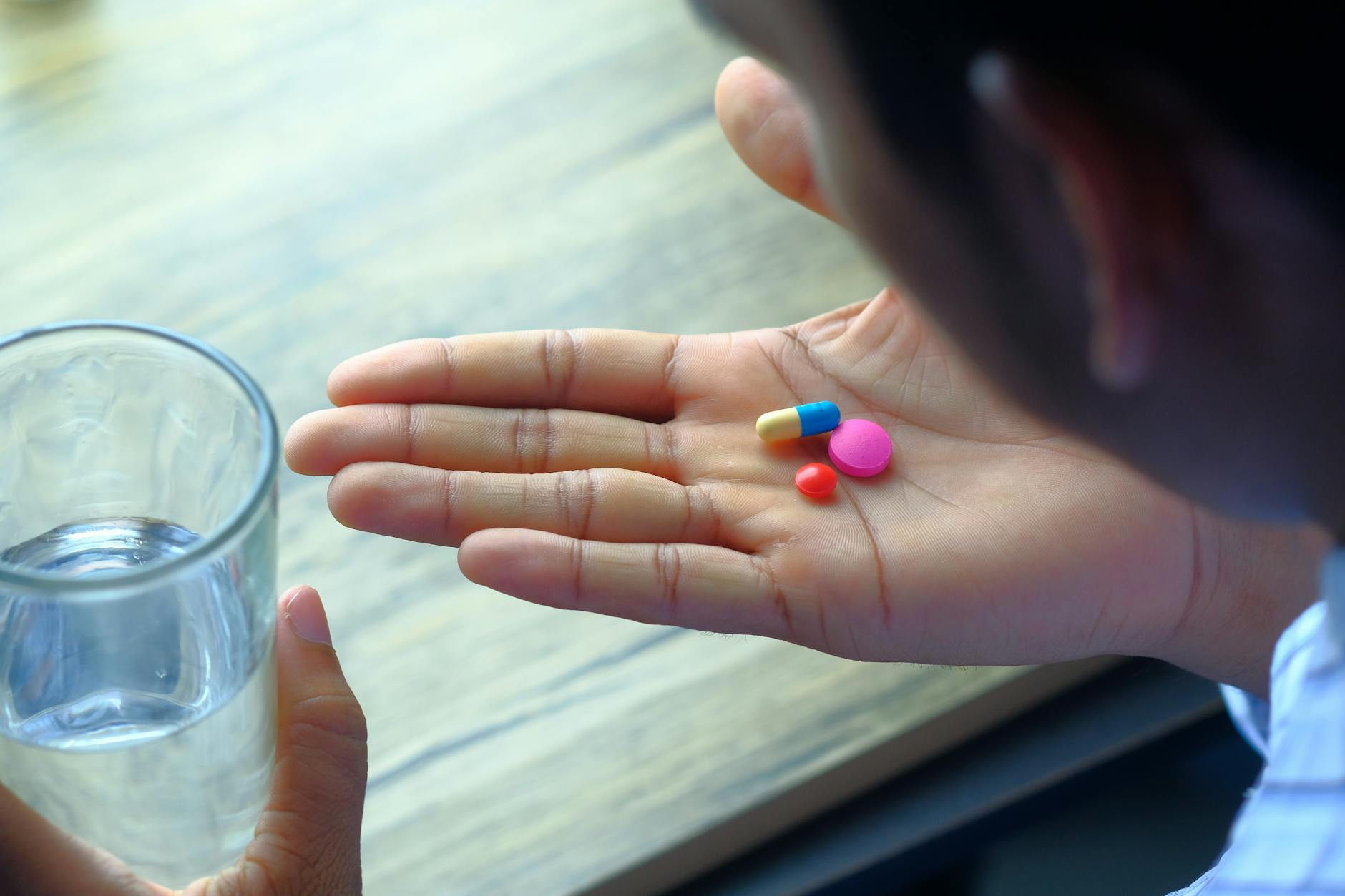
The vast majority of patients prescribed oral antibiotics for acne have no idea that spironolactone—an alternative treatment sitting on pharmacy shelves—works only for women with hormonal acne and is unsafe for men. A significant awareness gap exists: while approximately 84% of acne patients may be using topical treatments, only 32% of those taking oral antibiotics are even aware that non-antibiotic alternatives exist. Most dermatologists prescribe doxycycline or minocycline without explaining that these antibiotics work fundamentally differently from spironolactone, and that for hormone-driven acne in women, spironolactone actually outperforms the antibiotics many patients rely on. Consider a typical case: a 28-year-old woman struggling with persistent jawline and chin acne is given a six-month course of doxycycline, never learning that spironolactone could have cleared her skin faster and better addressed the hormonal root cause.
The reason this matters is straightforward—spironolactone works by blocking androgens (male hormones) that trigger excess oil production and acne in women, while antibiotics simply reduce acne-causing bacteria. For men, however, the picture is entirely different and concerning. Male patients taking spironolactone experience significant and often intolerable side effects including gynecomastia (breast tissue enlargement), loss of libido, and feminization, which typically force treatment discontinuation. This gender-specific contraindication is not widely understood, even among patients researching their own treatment options.
Table of Contents
- Why Patients Taking Antibiotics Don’t Know About Spironolactone’s Gender-Specific Effectiveness
- How Spironolactone Actually Works and Why It Outperforms Antibiotics for Hormonal Acne in Women
- Why Spironolactone Is Unsafe for Men and Often Misunderstood by Male Patients
- Oral Antibiotics vs. Spironolactone: Which Treatment Actually Addresses the Root Cause?
- The Growing Problem of Antibiotic Resistance and Why Dermatologists Are Shifting Away from Long-Term Oral Antibiotics
- Who Should Actually Be Taking Spironolactone, and How to Know If You’re a Candidate
- The Future of Acne Treatment and Moving Beyond One-Size-Fits-All Antibiotics
- Conclusion
Why Patients Taking Antibiotics Don’t Know About Spironolactone’s Gender-Specific Effectiveness
The awareness gap stems partly from how acne treatment is typically discussed. Dermatologists often default to oral antibiotics as a standard-of-care approach without exploring whether a patient’s acne is truly bacterial or hormonally driven. A patient might be prescribed doxycycline in a 15-minute appointment without learning that hormonal acne—the most common type in adult women—responds better to entirely different medications. The clinical evidence supports this concern: in a randomized, double-blind trial comparing spironolactone directly to doxycycline in 133 adult women with moderate acne, spironolactone achieved greater reductions in acne lesions and significantly better quality-of-life improvements at both the 4-month and 6-month marks.
Yet the antibiotic was still prescribed as a first-line treatment. The problem extends to patient education resources. Most acne information available online emphasizes antibiotics as the go-to oral treatment, rarely mentioning spironolactone or explaining when it is—and crucially, when it is not—appropriate. Only 32% of people taking antibiotics for acne reported awareness of non-antibiotic alternatives in survey data, suggesting that standard patient counseling falls far short. Add to this the fact that spironolactone requires monitoring of potassium and kidney function, which can feel intimidating compared to the simplicity of taking an antibiotic, and it becomes clear why many patients never even consider asking their doctor about it.
How Spironolactone Actually Works and Why It Outperforms Antibiotics for Hormonal Acne in Women
Spironolactone is a potassium-sparing diuretic that, at low doses for acne, functions as an androgen receptor antagonist. It blocks the effects of male hormones on the skin, reducing the production of sebum (oil) that bacteria thrive in. Antibiotics, by contrast, kill or inhibit acne-causing bacteria directly but do nothing to address the hormonal trigger that caused excess oil production in the first place. For a woman whose acne is driven by sensitivity to androgens, treating bacteria without addressing hormones is like mopping up water while the sink continues to overflow. The clinical data is striking.
A 4-year retrospective study found that 86% of female patients improved significantly on spironolactone therapy, with objective acne assessments showing a sixfold higher improvement rate compared to placebo. Many women experience 50-100% reduction in acne lesions over several months. Compare this to the effectiveness of antibiotics, which often plateau or lose efficacy as bacteria develop resistance—a well-documented problem that has led dermatologists to recommend limiting oral antibiotics to 3-6 months of continuous use. Spironolactone carries no antimicrobial resistance risk because it does not target bacteria. However, one important limitation is that spironolactone requires baseline testing of potassium levels and kidney function, and periodic monitoring during treatment, which adds cost and complexity compared to simply obtaining an antibiotic prescription.
Why Spironolactone Is Unsafe for Men and Often Misunderstood by Male Patients
For men, spironolactone for acne is contraindicated due to its antiandrogenic effects. Male patients taking the medication report gynecomastia (enlargement of breast tissue), erectile dysfunction, decreased libido, and feminization of secondary sexual characteristics. These effects, combined with the psychological impact of taking a medication that blocks male hormones, typically lead to rapid treatment discontinuation.
The American Academy of Dermatology does not recommend spironolactone for treating acne in men, yet some men discover this limitation only after starting the medication or hearing about it from online sources rather than their prescribing physician. A male patient who encounters a recommendation for spironolactone online—perhaps reading about its 86% success rate in women—might request it from his dermatologist without understanding that this success rate applies only to women. The situation is compounded by the fact that many general practitioners, not just dermatologists, may not clearly communicate the gender-specific considerations when discussing hormonal therapy for acne. One critical distinction worth understanding is that while spironolactone blocks male hormones, these hormones are essential to male sexual and reproductive function in ways they are not for women, making the side effect profile entirely different between genders.

Oral Antibiotics vs. Spironolactone: Which Treatment Actually Addresses the Root Cause?
Antibiotics and spironolactone target acne through entirely different mechanisms, and this distinction should guide treatment selection. Oral antibiotics treat acne as a bacterial infection, assuming that reducing *Cutibacterium acnes* (formerly *Propionibacterium acnes*) will clear the skin. This approach works well when bacterial colonization is the primary problem, but it fails when acne is hormonally driven. In hormonally driven acne, bacteria are present but are not the root cause—excess sebum production triggered by androgens is. Taking an antibiotic in this scenario is like treating a symptom while ignoring the disease.
Spironolactone, conversely, addresses the hormonal root cause directly. By blocking androgen receptors on sebaceous glands, it reduces oil production, which in turn reduces the substrate bacteria need to proliferate. A woman with primarily hormonal acne will see lasting improvement because the hormonal trigger has been treated. The tradeoff is that spironolactone requires more monitoring than an antibiotic and is slower-acting (often requiring 3-6 months to see full benefit), whereas some patients see improvement on antibiotics within weeks. However, spironolactone’s benefits typically persist long-term, whereas antibiotic efficacy often diminishes over time due to resistance.
The Growing Problem of Antibiotic Resistance and Why Dermatologists Are Shifting Away from Long-Term Oral Antibiotics
Current dermatological guidelines recommend limiting oral antibiotics for acne to no more than 3-6 months of continuous use, specifically to mitigate the development of antimicrobial resistance. Despite this clear guideline, many patients are prescribed antibiotics for much longer, or are given repeated courses over years. The consequence is two-fold: the patient’s acne may become resistant to antibiotics, and the broader public health problem of antibiotic resistance is exacerbated. A patient who has taken doxycycline on and off for five years is more likely to have developed resistant bacteria than one who completed a single 4-month course.
Spironolactone, lacking any bacterial target, poses no antimicrobial resistance risk. For women with hormonal acne, switching from a long-term antibiotic regimen to spironolactone is increasingly seen as the medically responsible choice. However, one limitation that many patients encounter is the cost and accessibility of spironolactone compared to generic doxycycline. Many insurance plans will cover antibiotics more readily than spironolactone, creating a financial barrier to switching treatments even when spironolactone is clinically superior. Additionally, dermatologists must educate patients about the need for baseline bloodwork and ongoing monitoring, which some patients find inconvenient or uncomfortable.

Who Should Actually Be Taking Spironolactone, and How to Know If You’re a Candidate
Spironolactone is most appropriate for women with acne that is: predominantly located on the lower face (jaw, chin, neck), worsens before menstruation, accompanied by other signs of hormonal imbalance (irregular periods, hirsutism, or hair loss), or resistant to topical treatments and antibiotics. Women with polycystic ovary syndrome (PCOS) frequently benefit from spironolactone, as do women with acne that flares with hormonal contraceptive changes. A woman who has been on doxycycline for years without resolution, or whose acne keeps returning when antibiotics are discontinued, is an ideal candidate for a conversation about spironolactone with her dermatologist.
Men with acne are not candidates for spironolactone and should explore other options. Effective alternatives for men include isotretinoin (Accutane) for severe acne, oral antibiotics combined with topical retinoids or benzoyl peroxide for moderate acne, or topical treatments alone for mild acne. The distinction is important because some men researching acne treatments online discover success stories from women using spironolactone and might ask their doctor about it, only to learn that it is inappropriate for their physiology.
The Future of Acne Treatment and Moving Beyond One-Size-Fits-All Antibiotics
The trajectory of dermatology is moving toward more personalized, mechanism-based treatment selection rather than defaulting all patients to the same antibiotic regimen. Genetic testing for androgen receptor sensitivity, hormonal assays, and more detailed acne phenotyping are becoming more common, which will help identify which patients are truly candidates for antibiotics versus hormonal therapies. As awareness of spironolactone’s superiority for hormonal acne grows among patients and providers, the 32% awareness rate among antibiotic users should increase.
The conversation about acne treatment is also shifting toward combination approaches. Rather than a woman taking only doxycycline, the modern approach often combines spironolactone with topical retinoids or topical benzoyl peroxide, leveraging multiple mechanisms simultaneously. This shift reflects a growing recognition that acne is not a one-size-fits-all disease, and that patient outcomes improve dramatically when treatment is tailored to the individual’s acne phenotype and hormonal status.
Conclusion
The disconnect between the clinical evidence supporting spironolactone for hormonal acne in women and the awareness of this evidence among patients taking antibiotics represents a significant gap in acne care. At least 84% of patients using topical treatments, and the much larger portion of antibiotic users, remain unaware that an alternative exists that targets the hormonal root cause more effectively than antibiotics do. For women whose acne is driven by androgens, spironolactone is not merely an option—it is often the superior choice, yet many never learn this from their healthcare provider.
If you are a woman taking oral antibiotics for acne that primarily affects your lower face, worsens with your menstrual cycle, or has persisted despite months of antibiotic therapy, a conversation with your dermatologist about spironolactone is warranted. Conversely, if you are a man considering spironolactone based on online success stories, it is critical to understand that these benefits are specific to women and that the medication carries unacceptable risks for men. The path forward is not to avoid antibiotics entirely, but to use them appropriately for bacterial acne, to recognize hormonal acne and treat it with hormonal therapies, and to ensure that all patients have accurate information about all available options.
You Might Also Like
- At Least 21% of Women With Hormonal Acne Say That Their Cleanser Is Making Their Acne Worse
- At Least 40% of Patients Taking Oral Antibiotics for Acne Say That Retinoids Can Take 12 Weeks Before Showing Results
- At Least 86% of Trans Men on Testosterone Don’t Realize That Hormonal Testing Could Identify the Root Cause of Their Acne