

Postpartum acne affects nearly 90% of new mothers in the weeks and months following delivery, yet many suffer through it without understanding why their skin suddenly erupted. The root cause isn’t mysterious—it’s hormonal. A rapid drop in estrogen and progesterone combined with spikes in androgens (the oil-producing hormones) triggers breakouts that can persist for months. Hormonal testing, available through blood, saliva, or urine samples, can pinpoint these imbalances and reveal whether underlying conditions like PCOS or adrenal issues are driving the acne.
For women struggling with stubborn postpartum breakouts, this testing removes the guesswork and transforms treatment from trial-and-error to targeted. Consider a mother dealing with severe postpartum acne six weeks after giving birth. Without testing, she might spend three months trying different topical treatments, assuming her skin will eventually settle. With hormonal testing, she discovers her DHT and testosterone levels are elevated—information that allows her dermatologist to recommend treatments specifically designed to address those elevations, rather than generic acne solutions.
Table of Contents
- Why Postpartum Acne Happens and How Hormonal Shifts Trigger Breakouts
- Understanding Hormonal Testing for Acne and What It Actually Reveals
- What Conditions Beyond Simple Postpartum Shifts Hormonal Testing Can Identify
- How Hormonal Testing Changes Treatment Approach and Outcomes
- Realistic Expectations and Limitations of Hormonal Testing for Postpartum Acne
- Practical Steps to Access and Use Hormonal Testing
- Moving Forward: The Shift Toward Personalized Postpartum Skincare
- Conclusion
Why Postpartum Acne Happens and How Hormonal Shifts Trigger Breakouts
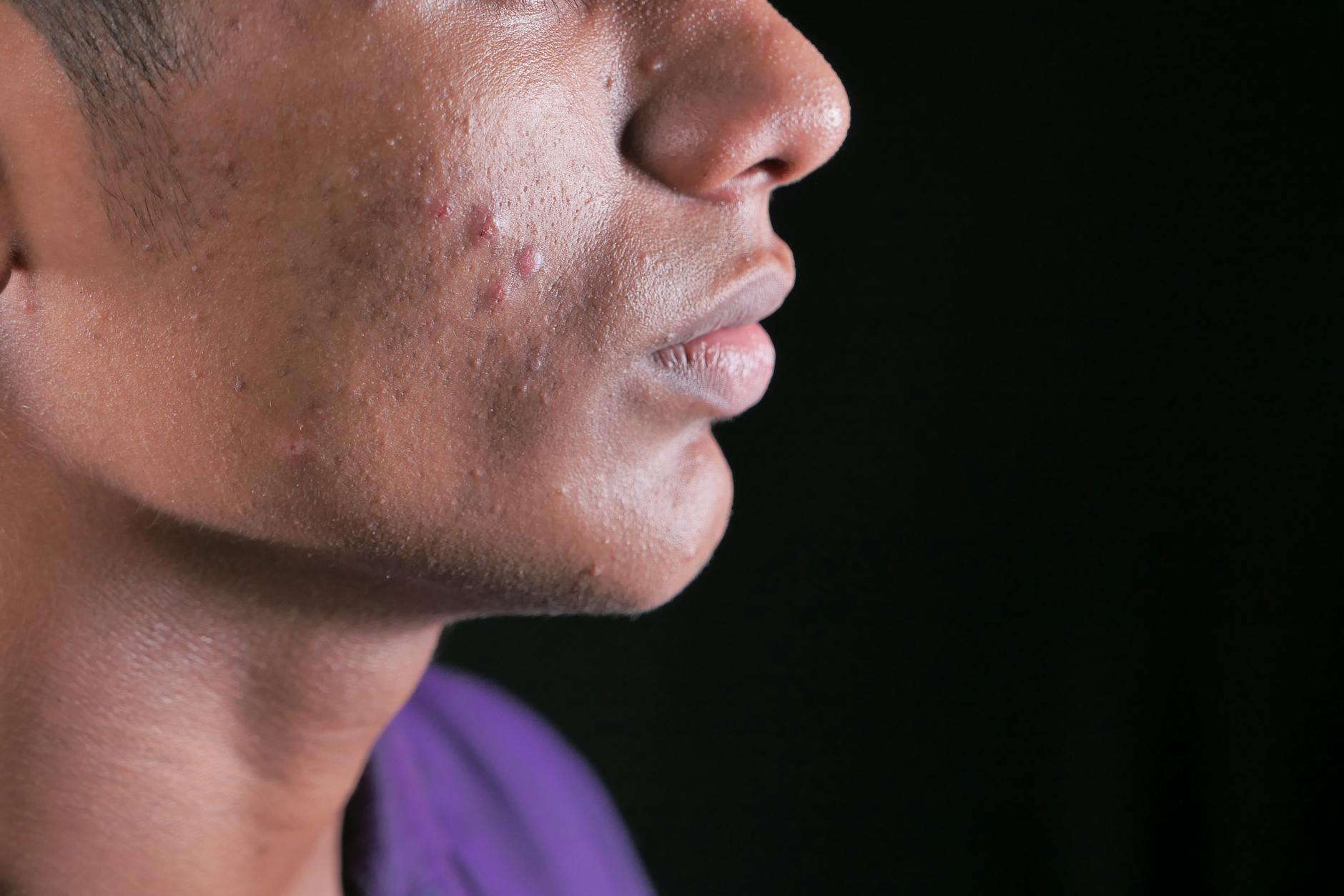
The postpartum period creates a perfect storm for acne. During pregnancy, estrogen and progesterone levels rise dramatically, often improving skin clarity. After delivery, those hormones plummet within days, while androgens rise. This hormonal whiplash causes sebaceous glands to overproduce oil, clogging pores and feeding acne-causing bacteria. The timeline is consistent: most new mothers experience postpartum acne between two and six weeks after birth, with breakouts typically lasting three to six months, though some women deal with persistent acne for up to a year.
What makes postpartum acne particularly frustrating is its unpredictability. Some women bounce back to clear skin quickly while others struggle for extended periods. The difference often lies in underlying hormonal architecture—whether a woman’s body is particularly sensitive to androgen spikes, or whether she has an underlying condition like PCOS that amplifies the hormonal disruption. This variation is why standard acne treatments sometimes fail. A woman using the same topical retinoid as her sister may see no improvement, not because the product is ineffective, but because her acne has a different hormonal driver requiring a different approach.
Understanding Hormonal Testing for Acne and What It Actually Reveals
hormonal testing for acne isn’t a single test—it’s a comprehensive panel measuring multiple hormones that influence skin health. A thorough acne root cause panel typically includes DHEA Sulfate, DHT (dihydrotestosterone), testosterone, and estradiol. Some panels expand to include cortisol, insulin, and thyroid function, since stress hormones and metabolic factors can also fuel breakouts. These tests use blood, saliva, or urine samples, with blood tests generally providing the most precise measurements of circulating hormone levels. The real value of testing lies in what it rules out and what it reveals. A woman with elevated DHT might benefit from spironolactone, an anti-androgen medication, while one with normal DHT but disrupted cortisol-to-DHEA ratios might need stress management and targeted supplementation.
Without testing, doctors often prescribe birth control pills as a default hormonal acne treatment—which works for many women, but not all. Some postpartum women are breastfeeding and can’t safely take hormonal contraceptives, or they prefer to avoid them. Testing allows for personalized alternatives. One limitation to understand: hormone levels fluctuate throughout the menstrual cycle, and many postpartum women don’t have regular cycles yet, making timing of tests potentially tricky. Additionally, not all insurance plans cover comprehensive hormone testing for acne, and out-of-pocket costs can range from $200 to $500. Some online lab testing services offer lower prices but lack the clinical interpretation and follow-up that happens when testing is ordered by a dermatologist.
What Conditions Beyond Simple Postpartum Shifts Hormonal Testing Can Identify
Many women assume postpartum acne is temporary and will resolve on its own. For some, that’s true. For others, postpartum acne is a sign that something more persistent is happening. Polycystic Ovary Syndrome (PCOS) affects one in five women of reproductive age and frequently goes undiagnosed until acne becomes severe. Women with PCOS have elevated androgens that cause acne before pregnancy and typically worsen postpartum.
Hormonal testing catches this, prompting investigation and management that can improve not just skin but overall fertility and metabolic health. Similarly, adrenal hyperplasia and thyroid dysfunction can worsen postpartum and create persistent acne. A woman with undiagnosed thyroid disease might experience acne alongside postpartum depression, fatigue, and hair loss—symptoms she might attribute to normal postpartum adjustment. Comprehensive hormonal testing flags these issues. One common example: a postpartum woman with low thyroid function (postpartum thyroiditis) develops acne and assumes it will clear when her body recovers. Testing reveals the thyroid component, and treating the thyroid often clears the skin faster than waiting for spontaneous recovery.

How Hormonal Testing Changes Treatment Approach and Outcomes
Once hormonal imbalances are identified, treatment becomes specific rather than generic. A woman with elevated testosterone might take spironolactone, an anti-androgen medication that blocks androgen receptors in skin. This differs fundamentally from topical acne treatments, which address bacteria and oil on the surface but don’t alter the hormonal drive causing overproduction. Oral medications work at the source, often producing clearer results faster—many women see improvement within 2-3 months rather than the 6+ months typical with topical treatments alone. The comparison matters because treatment duration affects quality of life.
A new mother dealing with severe acne while sleep-deprived and adjusting to parenthood might find that waiting six months for topical treatments to work is unsustainable. Faster, hormonally-targeted treatment restores confidence and reduces stress during an already demanding period. However, hormonal medications also carry tradeoffs. Spironolactone can cause dizziness or electrolyte imbalances in some women, and requires monitoring. Birth control pills, though not suitable for breastfeeding mothers, also take 2-3 months to show benefit.
Realistic Expectations and Limitations of Hormonal Testing for Postpartum Acne
While hormonal testing is valuable, it’s not a magic solution. Testing reveals what’s driving acne, but fixing the underlying problem still takes time. A woman might learn her DHT is elevated, but bringing DHT down through medication takes weeks or months of consistent treatment. Additionally, some postpartum acne has multiple causes simultaneously—hormonal shifts combined with poor sleep (from nighttime infant care), stress, and dietary changes. Testing identifies the hormonal component but doesn’t address lifestyle factors, which may also require adjustment.
Another realistic limitation: some postpartum acne is self-resolving regardless of intervention. A mother whose acne naturally clears within three months might have spent money on testing and medications she ultimately didn’t need. This is why timeline matters—testing makes most sense when acne persists beyond three months or is severe enough to impact quality of life. Additionally, if a woman is exclusively breastfeeding, hormonal medication options are more limited, as some anti-androgens pass into breast milk. Testing might identify the problem but reveal that treatment options are constrained by feeding method.
Practical Steps to Access and Use Hormonal Testing
Accessing hormonal testing starts with a dermatologist or gynecologist who specializes in hormonal acne. Some practitioners routinely order testing; others treat acne more empirically. Asking specifically for an acne root cause panel or hormonal panel ensures the right tests are ordered. Some women use functional medicine practitioners or online telemedicine services that specialize in hormonal acne, though insurance coverage is more variable with these providers.
When getting tested, timing and cycle information matter. If possible, test in the follicular phase (days 2-7 of the menstrual cycle) when hormone levels are lowest and most stable, as this provides clearest baseline readings. Postpartum women who haven’t resumed menstruation can test anytime, as hormone levels are already disrupted. Once results return, expecting a follow-up consultation is important—raw numbers mean little without professional interpretation. A result showing DHT of 65 ng/dL requires context: Is that elevated for an individual woman’s baseline? Is it elevated relative to typical postpartum levels? A knowledgeable practitioner answers these questions.
Moving Forward: The Shift Toward Personalized Postpartum Skincare
The future of postpartum acne treatment is moving toward personalization. Rather than assuming all new mothers need the same topical or oral treatments, increasingly dermatologists recognize that understanding individual hormonal profiles produces better outcomes.
As access to affordable hormone testing expands—particularly through direct-to-consumer lab services and telemedicine—more women can afford this insight without significant cost. For new mothers struggling with acne, the message is clear: severe or persistent postpartum breakouts warrant investigation beyond “it will go away.” Hormonal testing removes uncertainty and opens the door to targeted, faster treatment. While not every case of postpartum acne requires testing, women whose acne is severe, lasts beyond three months, or doesn’t respond to standard treatments benefit significantly from understanding the hormonal picture.
Conclusion
Postpartum acne, though common, is neither inevitable nor untreatable. Nearly 90% of new mothers experience skin changes during pregnancy and the postpartum period, yet most receive generic acne treatment advice without understanding what’s actually driving their breakouts. Hormonal testing—available through blood, saliva, or urine samples—reveals whether elevated androgens, PCOS, thyroid dysfunction, or other hormonal factors are responsible.
This knowledge transforms treatment from trial-and-error to targeted, often producing faster results and reducing the months of frustration many women endure. If you’re a new mother dealing with persistent acne, ask your dermatologist about comprehensive hormone testing. Understanding your hormonal profile takes the guesswork out of treatment and allows you to address acne at its root rather than just masking symptoms. The investment in testing, both financially and in terms of time, often pays for itself through faster, more effective treatment that gets you clear skin while you’re navigating the early months of motherhood.
You Might Also Like
- At Least 13% of People Who Pick at Their Skin Have Tried Hormonal Testing Could Identify the Root Cause of Their Acne
- At Least 86% of Trans Men on Testosterone Don’t Realize That Hormonal Testing Could Identify the Root Cause of Their Acne
- At Least 68% of New Mothers With Postpartum Acne Would Benefit From Knowing That Switching Products Every 2 Weeks Prevents Any Treatment From Working