
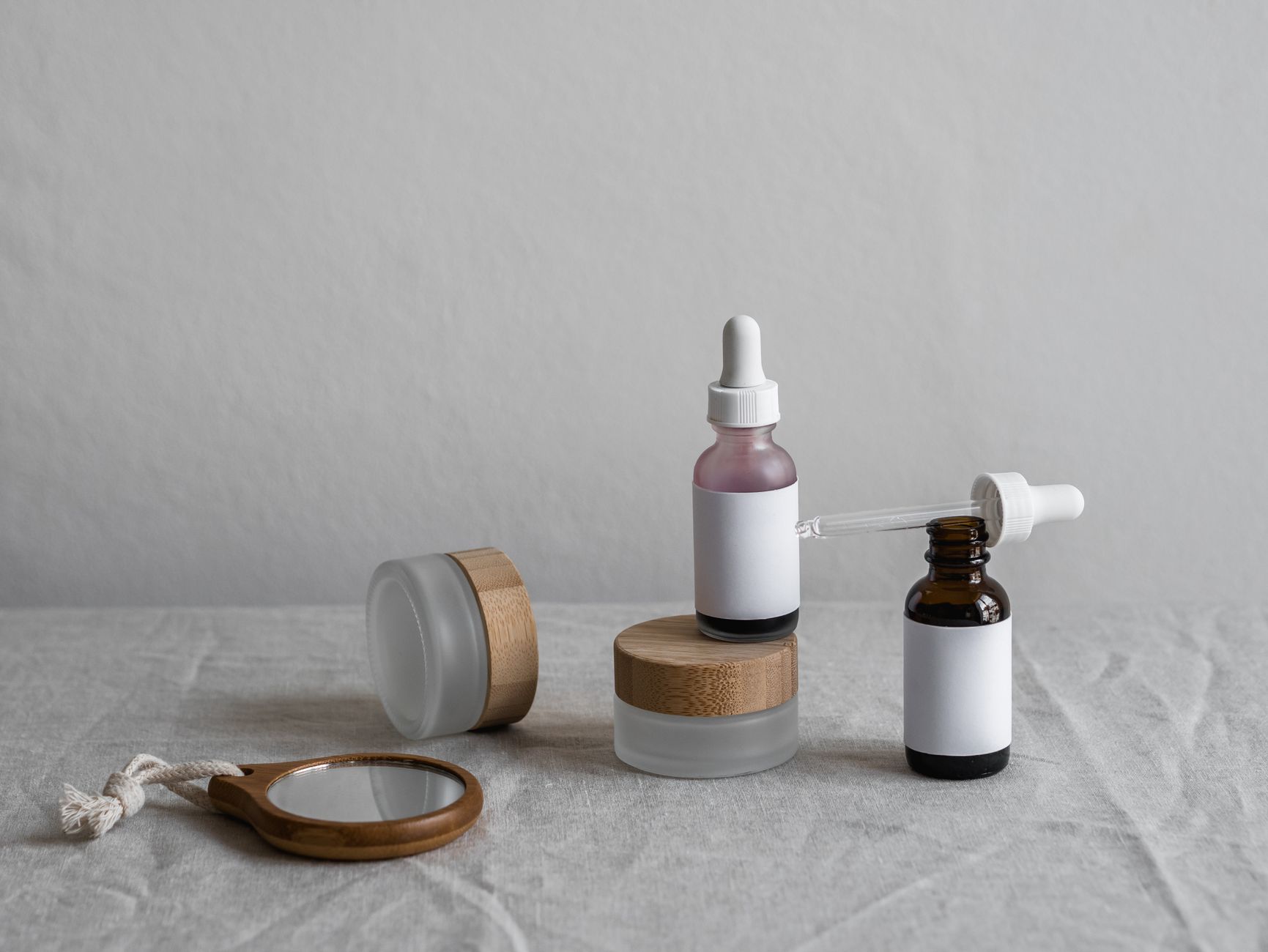
Dermatologists recommend retinol products as one of the most effective over-the-counter options for addressing fine lines and aging skin, though their effectiveness depends heavily on consistent use and proper formulation. Retinol works by converting to retinoic acid in the skin, increasing cell turnover and stimulating collagen production—processes that visibly reduce fine lines when used correctly over weeks and months. A person starting a retinol routine might notice smoother texture within 6 to 8 weeks, with more significant improvements to fine lines appearing around the 3-month mark.
The reason dermatologists frequently recommend retinol over other anti-aging ingredients is its decades-long track record of clinical effectiveness. Unlike many trend-driven skincare ingredients, retinol’s benefits are supported by peer-reviewed research showing measurable improvements in collagen density and skin firmness. However, retinol is not a quick fix—it requires patience, sun protection, and a willingness to tolerate some initial irritation as the skin adjusts.
Table of Contents
- What Strengths of Retinol Do Dermatologists Recommend?
- How Retinol Addresses Fine Lines and Aging Mechanisms
- Product Formulations Dermatologists Favor
- Starting and Building Retinol Tolerance
- Critical Warnings and Contraindications
- Prescription Retinoids as the Dermatologist-Recommended Gold Standard
- Real-World Application and Product Selection
- Frequently Asked Questions
What Strengths of Retinol Do Dermatologists Recommend?
retinol comes in different forms and concentrations, and dermatologists recommend specific strengths based on skin type and tolerance. For someone new to retinol, a concentration between 0.25% and 0.3% is often recommended as a starting point, allowing the skin to build tolerance without excessive irritation. Once the skin adapts—typically after 4 to 6 weeks of use—stronger formulations or alternative retinoids like retinaldehyde or adapalene can be introduced.
Many dermatologists distinguish between over-the-counter retinol and prescription retinoids like tretinoin. Prescription options offer faster results because they require no conversion in the skin, making them the strongest choice for someone dealing with significant photo-aging or deep wrinkles. However, over-the-counter retinol remains popular because it’s more accessible, often causes less irritation initially, and still delivers measurable improvements for fine lines and skin texture when used consistently. Someone with sensitive skin or moderate fine lines typically gets excellent results from a solid retinol product at 0.5% or less, while someone with resilient skin and more pronounced aging might eventually graduate to stronger retinoids.
How Retinol Addresses Fine Lines and Aging Mechanisms
Retinol’s anti-aging effects operate through multiple mechanisms that directly target the causes of fine lines. By accelerating skin cell turnover, retinol helps the outer layer of skin renew more rapidly, which improves surface smoothness and reduces the appearance of fine lines caused by dehydration or dead skin buildup. Simultaneously, retinol stimulates fibroblasts—the cells responsible for producing collagen—which addresses the deeper structural breakdown that causes lines and sagging over time.
A critical limitation of retinol is that it cannot completely reverse deep wrinkles or severe loss of collagen; it works best on fine lines and prevention of future damage. Someone with heavily sun-damaged skin and pronounced folds may need to combine retinol with other approaches like professional treatments (laser, microneedling) or stronger prescription retinoids to see dramatic results. Additionally, retinol’s benefits plateau after several months of consistent use, meaning that the impressive improvements in fine lines from months 1 to 3 typically stabilize rather than continue accelerating indefinitely. Consistent sun protection becomes non-negotiable because retinol increases sun sensitivity, and sun exposure directly undoes the collagen-building benefits the retinol is creating.
Product Formulations Dermatologists Favor
Dermatologists pay close attention to how retinol is formulated because retinol is notoriously unstable—it degrades when exposed to light, air, and heat, which means a poorly formulated retinol product may contain very little active ingredient by the time a person uses it. Opaque, dark packaging and airless pump bottles are favored over jars or transparent containers because they protect retinol from degradation. A person buying a retinol serum in a clear plastic bottle stored on a bright shelf has likely lost significant potency before application. The delivery system also matters significantly.
Retinol suspended in oil-based serums penetrates differently than retinol in lightweight gels, and this affects both efficacy and irritation potential. Oil-based formulations tend to be gentler on sensitive skin but may feel occlusive, while gel-based retinol penetrates more readily but can be more irritating. Encapsulated retinol (microencapsulated or liposomal delivery) offers a middle ground by providing controlled release, which reduces irritation while maintaining effectiveness. Some dermatologists also recommend looking for products that combine retinol with soothing ingredients like centella asiatica or niacinamide, which buffer irritation without compromising retinol’s potency.
Starting and Building Retinol Tolerance
Proper introduction of retinol is essential because many people abandon it after experiencing irritation or peeling—experiences that are often preventable with a correct starting protocol. The standard recommendation is to begin with the lowest concentration (0.25% to 0.3%) applied just two or three times per week, gradually increasing frequency as tolerance builds. Someone might apply retinol every third night for the first two weeks, then every other night for the next two weeks, before attempting nightly use.
“Retinization” is the adjustment period where skin experiences redness, dryness, and peeling as it adapts to retinol, and this typically resolves within 4 to 6 weeks. However, jumping into nightly applications of high-concentration retinol from day one dramatically extends this uncomfortable period and often causes the person to stop using it altogether. A comparison: someone who starts conservatively with twice-weekly 0.3% retinol typically experiences mild flaking for 3 to 4 weeks before moving to comfortable nightly use, while someone who starts with nightly 1% retinol may experience severe peeling for 8 to 12 weeks or longer. The person using a gentler approach actually reaches daily retinol use faster and with better skin barrier integrity.
Critical Warnings and Contraindications
Retinol is not suitable for everyone, and dermatologists are specific about who should avoid it or use it with extreme caution. Pregnant people should not use retinol or any retinoid because of potential teratogenic effects, a limitation that requires switching to alternative anti-aging approaches during pregnancy and nursing. People using certain medications—particularly some acne treatments and certain antibiotics—may experience compounded photosensitivity that makes retinol use risky.
Sun protection is non-negotiable with retinol use; studies consistently show that retinol increases UV sensitivity, which means that retinol users must apply broad-spectrum SPF 30 or higher daily without exception. This is not optional or negotiable—someone using retinol without daily sun protection is actively accelerating sun damage while simultaneously treating it, essentially undermining the entire routine. Another important warning: retinol can interact poorly with other active ingredients. Combining retinol with vitamin C, niacinamide, or AHAs on the same night often causes excessive irritation or reduces efficacy because these ingredients compete for skin penetration or create an overly harsh environment.
Prescription Retinoids as the Dermatologist-Recommended Gold Standard
While over-the-counter retinol is effective, dermatologists often point out that prescription retinoids like tretinoin (Retin-A), adapalene (Differin), and retinaldehyde represent the gold standard for anti-aging because they either require no conversion in the skin or convert much more efficiently than retinol. Tretinoin is particularly well-documented in research showing significant improvements in fine lines, collagen density, and overall skin texture—improvements that typically exceed what over-the-counter retinol delivers at equivalent timeframes.
The trade-off is that prescription retinoids typically cause more pronounced irritation, have a longer retinization period, and require more careful monitoring, especially early in use. Someone starting tretinoin at even 0.025% often experiences significant peeling and redness for the first 8 to 12 weeks, whereas over-the-counter retinol at 0.3% might produce only mild adjustments. For someone dealing with significant photo-aging or deep wrinkles, this stronger option often justifies the discomfort, but for mild fine lines or prevention, over-the-counter retinol frequently delivers satisfactory results with fewer barriers to consistent use.
Real-World Application and Product Selection
The most important factor in retinol’s effectiveness is consistency—a person using a mediocre retinol product every night will see better results than someone using an excellent formulation sporadically. This reality shapes how dermatologists recommend people approach product selection: identify a retinol product that feels tolerable on the skin, that fits the budget well enough for sustained use, and that comes in stable packaging. A pharmacy retinol in an opaque pump bottle used nightly will outperform an expensive retinol serum in a jar that sits open on the bathroom counter.
Product layering also affects outcomes. Retinol should be applied to clean, completely dry skin (waiting at least 20 minutes after cleansing), followed by a moisturizer once the retinol has fully absorbed. Some dermatologists recommend a technique called “retinization spacing”—applying retinol to dry skin first, then layering a hydrating toner or essence over it once absorbed—which reduces irritation while maintaining efficacy. Someone with severe dryness or sensitivity might benefit from applying a small amount of moisturizer to the skin before retinol (called the “sandwich method”), which slightly reduces irritation at the cost of marginally slower penetration, but still delivers visible improvements to fine lines over time.
Frequently Asked Questions
How long before I see results from retinol?
Most people notice smoother skin texture within 4 to 6 weeks and visible improvement in fine lines by 8 to 12 weeks of consistent use. Deeper collagen-building effects continue improving for 3 to 6 months.
Can I use retinol every night immediately?
No. Start with 2 to 3 applications per week at a low concentration (0.25% to 0.3%), then gradually increase frequency over 4 to 6 weeks as your skin adjusts.
Does retinol work for all types of wrinkles?
Retinol is most effective for fine lines and prevention. It cannot reverse deep wrinkles or severe photo-aging; prescription retinoids or professional treatments may be needed for those concerns.
Can I use retinol with other active ingredients?
Avoid combining retinol with vitamin C, AHAs, or other strong actives on the same night. Spacing them on alternate nights reduces irritation without sacrificing effectiveness.
Is retinol safe during pregnancy?
No. Retinol and all retinoids should be avoided during pregnancy and nursing due to potential birth defects. Switch to alternative anti-aging approaches for this period.
Do I need SPF if I use retinol?
Yes, absolutely. Retinol increases sun sensitivity, and daily broad-spectrum SPF 30 or higher is essential to prevent sun damage and protect the collagen-building benefits of your retinol routine.