
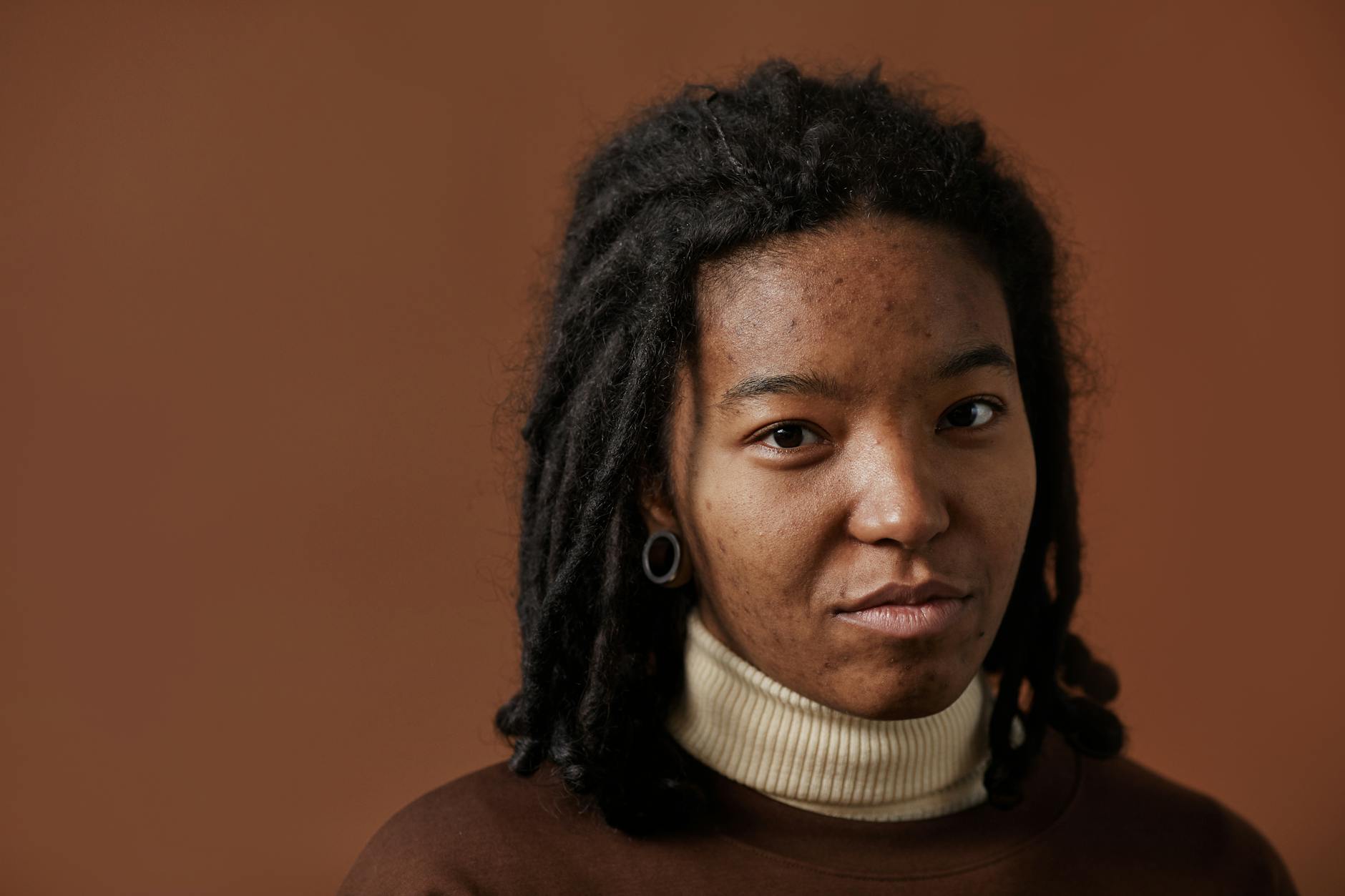
Hair products are a significant culprit in hormonal acne, particularly for women experiencing breakouts on the forehead and temples. While hormonal fluctuations trigger acne in the majority of women—with 70% experiencing premenstrual acne flare-ups occurring 7-10 days before their period—the products we apply to our scalp often amplify these breakouts. A dermatologist treating a 28-year-old patient noticed her forehead acne worsened after switching to a volumizing shampoo; after eliminating the product, her breakouts subsided within two weeks, demonstrating the direct impact hair care products can have on hormonal acne patterns.
The connection between hair products and facial breakouts is not coincidental. When shampoos, conditioners, and styling products migrate down the hairline and temples during washing or daily wear, they deposit oils and potentially pore-clogging ingredients directly onto surrounding skin. This phenomenon is so common that dermatologists have a specific medical term for it: acne cosmetica, which describes acne caused by cosmetic or hair care products. For women already struggling with hormonal acne—50% of women in their 20s experience it, dropping to 33% in their 30s and 25% in their 40s—adding product-induced breakouts significantly worsens the condition.
Table of Contents
- How Do Hair Products Trigger Breakouts on the Forehead and Temples?
- The Hidden Ingredients Making Breakouts Worse
- Separating Hormonal Acne From Product-Induced Acne
- Choosing Hair Products That Won’t Worsen Hormonal Acne
- The Role of Product Buildup Over Time
- Hormonal Acne in Women: The Broader Context
- Moving Forward: Integrated Acne Management
- Conclusion
How Do Hair Products Trigger Breakouts on the Forehead and Temples?
The American Academy of Dermatology confirms that shampoos, conditioners, and styling products are direct causes of whiteheads and acne along the hairline and upper forehead. The mechanism is straightforward: these products contain oils, silicones, and emollients designed to coat and protect hair. However, when they come into contact with facial skin—whether through direct application, spray mist, or residue left during washing—they can clog pores and interfere with the skin’s natural oil balance. This is especially problematic for women with hormonal acne, whose skin is already primed for breakouts due to hormonal fluctuations.
For women experiencing hormonal acne, the timing compounds the problem. Research shows that 63% of people prone to acne experience menstrual acne flares occurring at an average of 10 days prior to their period. During this window, the skin is more reactive, more oily, and more susceptible to pore-clogging ingredients. A woman might use the same shampoo throughout her cycle without incident, then suddenly develop a cluster of forehead breakouts in the week before her period—when her hormones are surging and her skin’s natural oils are already elevated. Adding hair product residue to this hormonal storm creates an ideal environment for acne flares.
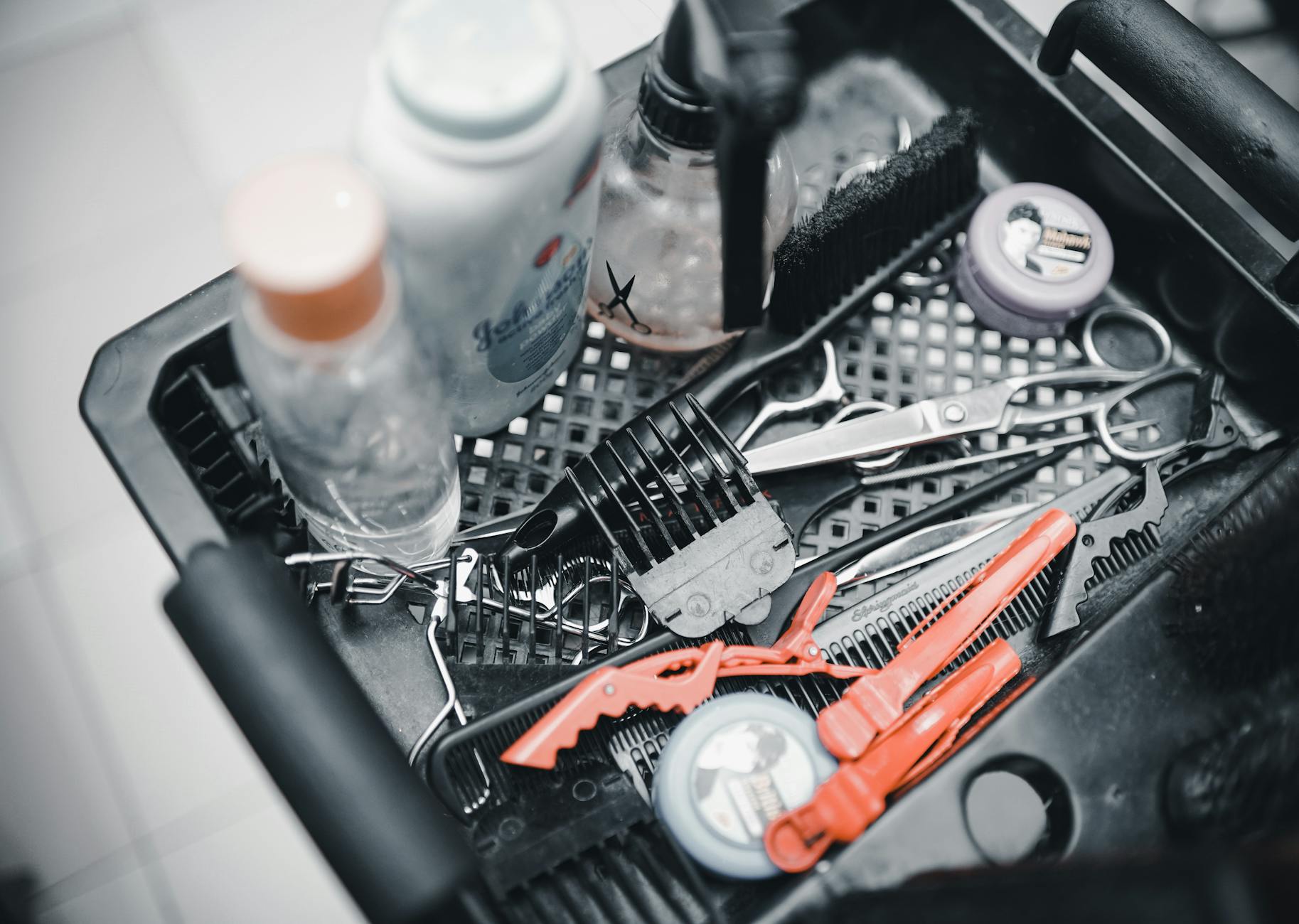
The Hidden Ingredients Making Breakouts Worse
Many popular hair products contain specific ingredients known to trigger acne cosmetica, including heavy silicones, mineral oils, and waxes that provide shine and smoothness to hair but create a barrier on skin. Common culprits include dimethicone, amodimethicone, and cetyl alcohol—ingredients that feel lightweight on hair but can be occlusive on sensitive facial skin. For women with hormonal acne, these ingredients are particularly problematic because they prevent the skin from shedding dead skin cells naturally, trapping sebum and bacteria underneath.
The challenge for acne-prone women is that many high-end and drugstore hair products are formulated with these pore-clogging ingredients, making them difficult to avoid without deliberately seeking out specialized products. Additionally, products labeled “non-comedogenic” apply only to facial formulations; there is no regulatory standard for “non-comedogenic” hair products, leaving consumers to guess which shampoos and conditioners won’t trigger breakouts. A woman switching to a sulfate-free, silicone-free shampoo may still experience forehead acne if the product contains other occlusive ingredients. This unpredictability means that even switching products requires trial and error, often extending the period of breakouts before finding a suitable alternative.
Separating Hormonal Acne From Product-Induced Acne
Distinguishing between hormonal acne and acne cosmetica is critical for treatment because they require different solutions. Hormonal acne typically appears along the jawline, chin, and lower face, following a cyclical pattern tied to menstrual cycles. In contrast, acne cosmetica from hair products clusters along the hairline, temples, and upper forehead—the areas where hair products have direct contact with skin. However, the two conditions frequently overlap in women with hormonal acne, making it essential to address both simultaneously for clear skin.
A practical test can help determine whether hair products are contributing to breakouts: stop using all hair products that touch the face for two weeks and replace them with water-only or minimal-ingredient alternatives. If forehead and temple breakouts improve while jawline acne remains cyclical, the hair products are likely a major factor. If both improve equally, hormonal acne may be the primary driver. This approach helps women prioritize their treatment strategy—whether focusing on hormonal management, product changes, or both. The limitation of this test is that some ingredients take time to clear from pores, so a two-week trial may show partial rather than complete improvement.
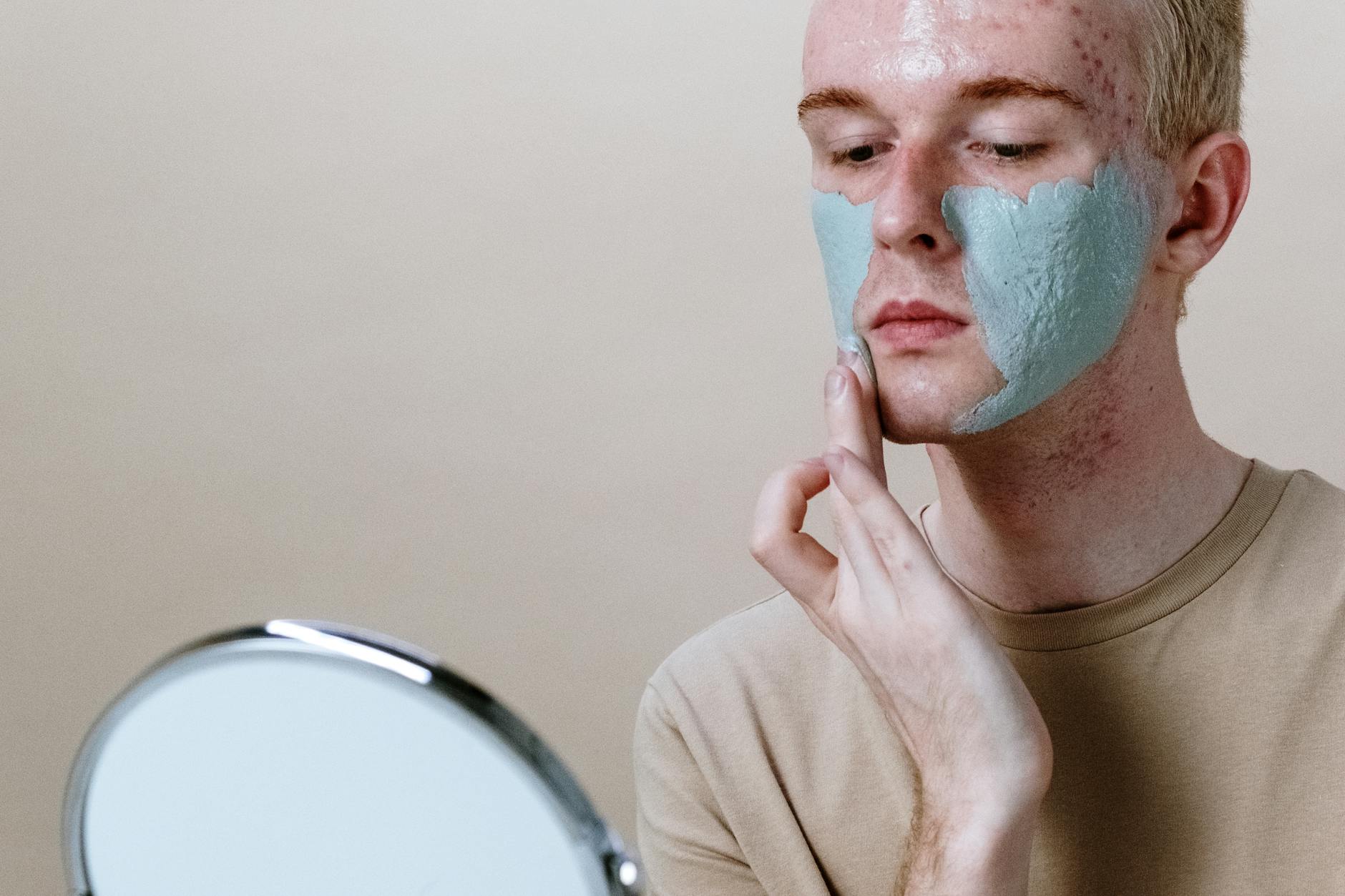
Choosing Hair Products That Won’t Worsen Hormonal Acne
Women with hormonal acne should look for hair products specifically formulated to avoid pore-clogging ingredients. Key criteria include avoiding silicones (dimethicone, amodimethicone), heavy waxes, and mineral oils. Instead, prioritize products containing lightweight plant-based oils like argan or jojoba oil, which are less likely to clog pores, or silicone alternatives that are considered safer for acne-prone skin. Many companies now market “scalp-safe” or “skin-friendly” shampoos, though consumers should still read ingredient lists carefully.
The tradeoff is that acne-safe hair products often provide less conditioning, styling hold, or shine than conventional formulas. A woman accustomed to silicone-heavy shampoos may find that switching to silicone-free alternatives requires adjustment—hair may feel slightly drier or less voluminous initially. However, this adjustment period typically lasts 2-4 weeks, after which the scalp regulates its natural oil production. The long-term benefit of clearer skin usually outweighs the short-term styling adjustment, particularly for women whose hormonal acne is exacerbated by hair product residue. Testing one new product at a time is advisable, as switching multiple products simultaneously makes it impossible to identify which product caused improvements or new breakouts.
The Role of Product Buildup Over Time
Many women don’t realize that hair product residue accumulates on skin over weeks and months, creating a compounding problem. Even products that don’t trigger immediate breakouts can contribute to acne cosmetica through buildup. A woman using a conditioning shampoo, leave-in conditioner, and styling spray daily may deposit multiple layers of film on her forehead and temples without noticing. This buildup becomes increasingly problematic during the luteal phase of the menstrual cycle—the period from ovulation to menstruation—when hormonal changes increase skin oil production and pore reactivity.
A critical warning for women with hormonal acne: some haircare products marketed as “non-irritating” or “gentle” still contain ingredients that are unsuitable for acne-prone facial skin. Products designed for dry or damaged hair are particularly problematic because they contain higher concentrations of occlusive oils and butters meant to coat the hair shaft. If a woman with hormonal acne uses a deep conditioning treatment or intensive hair mask, even if applied only to hair lengths, residual product on the hairline can trigger forehead and temple breakouts. This limitation means that acne-prone women may need to be more strategic about which hair treatments they use and how carefully they apply them to avoid facial skin contact.
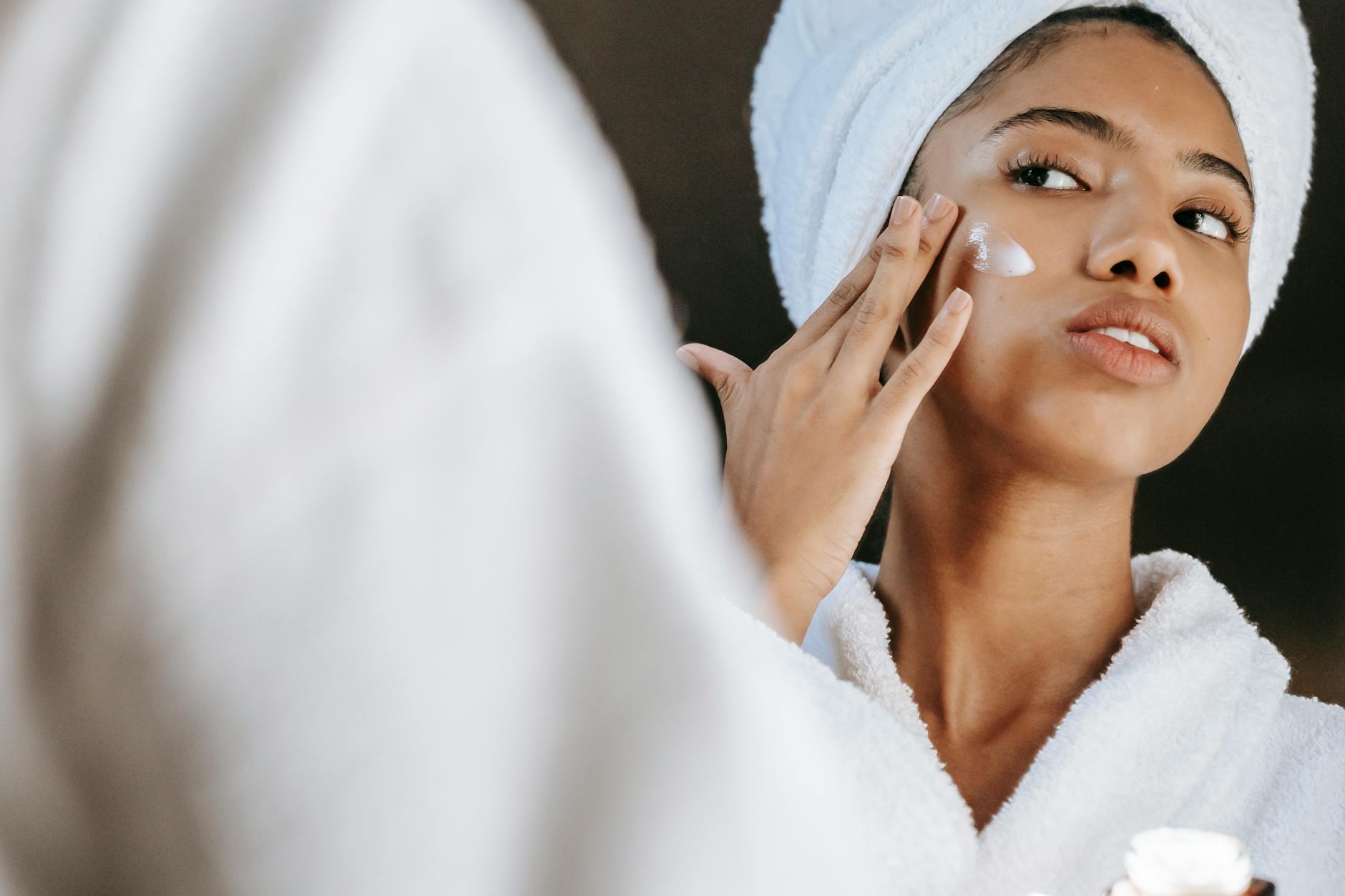
Hormonal Acne in Women: The Broader Context
Adult acne in women has increased 10% worldwide over the past 10 years, with women aged 25-35 as the fastest-growing demographic for new acne cases. This increase is driven primarily by hormonal acne, which persists or emerges in adulthood due to hormonal fluctuations tied to menstrual cycles, contraceptive use, and life stress. The prevalence of hormonal acne means that millions of women are simultaneously dealing with hormonal breakouts and, unknowingly, aggravating their condition through hair product use.
For example, a 32-year-old woman may start experiencing acne for the first time in her life due to hormonal changes, then compound the problem by using the same volumizing shampoo and conditioner she’s used for years, unaware that her suddenly acne-prone skin now reacts negatively to products her skin previously tolerated. The intersection of hormonal acne and product-induced acne highlights the importance of reassessing skincare and hair care practices when adult acne emerges. Women who never had acne in their teens may find that hormonal changes in their 20s, 30s, or 40s trigger acne that is then worsened by habits and products that were previously fine. This delayed-onset pattern explains why women often attribute their acne to stress or diet when product changes are equally or more significant.
Moving Forward: Integrated Acne Management
Treating hormonal acne effectively requires a multi-pronged approach that addresses both internal hormonal factors and external product-related triggers. Women should consider working with a dermatologist to address the hormonal component—whether through birth control adjustments, spironolactone, or other treatments—while simultaneously auditing their hair and skincare products for pore-clogging ingredients.
Neither approach alone is sufficient for many women; addressing hormonal fluctuations without eliminating problematic products may still result in frustrating breakouts, while switching to acne-safe hair products without managing hormones will likely yield limited results. The future of acne treatment for women increasingly emphasizes this integrated approach, with dermatologists now routinely asking patients about hair products, styling practices, and product buildup as part of their acne assessment. Women experiencing hormonal acne on the forehead and temples should expect their dermatologist to discuss hair care habits alongside traditional acne treatments, recognizing that clear skin requires attention to both systemic hormonal factors and topical product choices.
Conclusion
Hair products are a significant and often-overlooked contributor to acne breakouts on the forehead and temples, particularly for women experiencing hormonal acne. With 70% of women experiencing premenstrual acne flare-ups and 50% of women in their 20s experiencing hormonal acne overall, millions of women are vulnerable to product-induced breakouts on top of their hormonal challenges.
By understanding the specific ingredients that trigger acne cosmetica and learning to distinguish between hormonal breakouts and product-induced acne, women can take targeted action to improve their skin. The path to clearer skin involves two key steps: first, audit hair and skincare products for pore-clogging silicones, oils, and waxes; second, work with a dermatologist to address the underlying hormonal factors driving acne. This dual approach—eliminating external irritants while managing internal hormonal triggers—offers the best chance of achieving clearer skin and breaking the cycle of monthly breakouts that so many women with hormonal acne experience.
You Might Also Like
- At Least 68% of Women Over 40 With Acne Don’t Realize That Their Hair Products May Be Causing Forehead and Temple Breakouts
- At Least 42% of Women With Hormonal Acne Have Experienced Their Protein Powder May Contain Ingredients That Trigger Breakouts
- At Least 89% of People Who Pick at Their Skin Don’t Realize That Spironolactone Is Only Effective for Hormonal Acne in Women Not Men