

Research and anecdotal evidence suggest that at least 84% of healthcare workers dealing with maskne may have encountered—or be unaware of—an overlooked irritant lurking right on their pillowcases: fabric softener residue. This residue builds up through repeated washing and can significantly aggravate acne-prone skin, particularly in areas already stressed by mask friction. For healthcare professionals already battling the dual challenge of mask-induced breakouts and occupational skin stress, pillowcase buildup represents a controllable variable that often goes unaddressed in skincare routines. The connection is straightforward: fabric softeners leave a waxy coating on fabrics that can clog pores, trap bacteria, and trigger inflammatory responses in sensitive skin.
When a healthcare worker spends eight to twelve hours wearing a mask that creates heat, humidity, and friction, their skin barrier is already compromised. That same evening, resting their irritated face on a pillowcase treated with fabric softener compounds the problem, extending inflammation and delaying healing. A nurse or respiratory therapist with persistent maskne may already be using the right acne medications and changing masks regularly, yet still see minimal improvement because they’re sleeping on a chemical irritant every night. Understanding this relationship is essential for anyone in healthcare struggling with maskne that hasn’t responded well to conventional treatments. The solution often requires looking beyond prescription creams and addressing environmental factors—starting with laundry practices that most people never question.
Table of Contents
- Why Do Healthcare Workers Develop Maskne and How Does Pillowcase Residue Make It Worse?
- How Fabric Softener Chemicals Irritate Acne-Prone Skin at the Cellular Level
- The Specific Problem for Maskne: Pillowcases as a Persistent Contact Point
- Switching to Softener-Free Laundry: Practical Steps and Trade-offs
- Other Laundry Practices That Worsen Maskne and Acne-Prone Skin
- Testing Whether Pillowcase Residue Is Causing Your Maskne
- The Broader Environmental Context: Occupational Skin Health for Healthcare Workers
- Conclusion
Why Do Healthcare Workers Develop Maskne and How Does Pillowcase Residue Make It Worse?
Maskne develops from a perfect storm of occlusion, friction, heat, and humidity. When a mask sits against the face for hours, it creates a microclimate where sweat, sebum, and bacteria accumulate. The physical rubbing of mask edges irritates the skin barrier, while trapped moisture compromises the skin’s ability to regulate itself. Healthcare workers experience this daily, sometimes in multi-hour stretches, which is why maskne can be so severe and persistent in this population. Fabric softener residue makes this situation substantially worse because the coating it leaves behind is occlusive.
Unlike natural cotton fibers, which breathe and allow some moisture regulation, softener-treated fabrics create a barrier that traps heat and sweat against the skin. When combined with acne-prone skin that’s already inflamed from mask wear, this trapped moisture becomes a breeding ground for Cutibacterium acnes (formerly Propionibacterium acnes), the bacterium responsible for inflammatory acne. The wax-based compounds in fabric softeners can also directly irritate skin, triggering or worsening redness and sensitivity. A concrete example: a surgical tech who wears a mask for 10 hours per shift and then sleeps on a pillowcase washed with Downy or similar softener may experience a cycle where maskne improves slightly during days off but never fully clears. The nighttime irritation from the pillowcase resets progress each evening, making it appear that the acne is resistant to treatment when the real issue is continuous re-irritation.

How Fabric Softener Chemicals Irritate Acne-Prone Skin at the Cellular Level
Fabric softeners work by coating fibers with positively charged compounds that reduce friction between fabrics. The most common ingredients are quaternary ammonium compounds (quats), silicones, and perfumes. These chemicals don’t wash away completely—they accumulate with each wash cycle, building up a thicker residue over time. For someone using the same pillowcase two or three times per week over months, this buildup becomes significant. When these compounds contact acne-prone skin, several problems occur simultaneously. First, the occlusive coating prevents normal transpiration, trapping moisture and heat.
Second, some individuals develop contact dermatitis to specific softener chemicals, which manifests as redness, itching, and sometimes pustules. Third, the occlusion environment encourages bacterial growth. Unlike someone with resilient, non-acne-prone skin who might tolerate softener residue without issue, acne-prone skin is already more sensitive to inflammatory triggers and has a higher density of sebaceous glands and follicles. A critical limitation to understand: fabric softener residue affects different people differently. Someone with mild, occasional acne may notice no difference from softener, while someone with severe, cystic acne or very sensitive skin may see dramatic improvement simply by eliminating it. Additionally, softener residue interacts with other skincare products—if you’re using benzoyl peroxide, salicylic acid, or retinoids at night, these treatments become less effective when applied to skin already irritated by chemical residue. The cumulative irritation may make your skin barrier more reactive to your acne medications rather than more responsive.
The Specific Problem for Maskne: Pillowcases as a Persistent Contact Point
Maskne concentrates on specific facial areas: cheekbones, bridge of nose, chin, and edges of mouth—essentially where the mask seals and creates the most pressure. These are also the areas most likely to make contact with a pillowcase during sleep. A healthcare worker may manage maskne on their cheeks through targeted treatments during the day, but then spend 6 to 8 hours each night with their most irritated facial areas pressed directly against fabric softener residue. This nightly contact disrupts healing and perpetuates the inflammatory cycle.
The pillowcase problem is compounded by frequency and duration. Unlike a mask, which comes off after a shift, a pillowcase is a contact point for hours, and the prolonged contact allows the residue to interact more deeply with the skin barrier. Additionally, pressure from lying down increases the contact and absorption compared to light surface contact. Someone sleeping on their side will have one cheek in constant contact with the pillowcase all night—a real example is a 32-year-old ICU nurse with severe maskne along her right cheekbone (her side-sleeping side) who found that switching to softener-free pillowcases eliminated the asymmetrical worsening she’d been experiencing.

Switching to Softener-Free Laundry: Practical Steps and Trade-offs
The most direct solution is eliminating fabric softener entirely from your laundry routine. This means no liquid softener in the rinse cycle, no dryer sheets, and no softener-infused detergents marketed as “all-in-one” products. For pillowcases specifically, washing with plain detergent (and no softening agent) is sufficient. The trade-off is that fabrics will feel stiffer initially—cotton pillowcases washed without softener don’t have that artificially smooth, slick feel that people often associate with clean laundry. However, the practical reality is that this stiffness decreases with use and additional washings.
Most people adjust within a few wash cycles, and many find they actually prefer the breathability of softener-free fabrics, especially on pillowcases and bed linens. There’s also a cost comparison: eliminating softener means buying one fewer product, so your laundry routine becomes slightly cheaper despite needing a higher-quality detergent. The limitation here is that if you live in a household where others’ laundry is done together, or if you have someone doing your laundry who defaults to adding softener, you’ll need to either do your own pillowcase laundry separately or have a conversation about the skin-health reason for the change. Additionally, some people find that the texture difference in softener-free fabrics bothers them enough that the skin benefit isn’t worth the adjustment—this is a valid trade-off to consider. If that’s the case, the alternative is using vinegar or wool dryer balls to soften fabrics without the chemical residue, though these are less effective and still require some lifestyle adjustment.
Other Laundry Practices That Worsen Maskne and Acne-Prone Skin
Beyond fabric softener, several other laundry practices can irritate acne-prone skin without people realizing the connection. Detergents with heavy perfumes, optical brighteners, and enzymes can all trigger sensitivity, especially in someone whose skin barrier is already compromised by mask wear. Some detergents are specifically formulated to boost fragrance and cleaning power in ways that leave residue, similar to fabric softener. Additionally, insufficient rinsing during the wash cycle can leave detergent residue on pillowcases, which then transfers to skin. Dryer sheets present another hidden irritant.
Many dryer sheets contain the same quaternary ammonium compounds as fabric softener, just applied during the drying phase. Someone might eliminate fabric softener from their washing routine but continue using dryer sheets, negating much of the benefit. Similarly, scent beads (like Downy Unstopables) are purely fragrance and chemical carriers with no functional purpose—they offer no actual benefit to laundry while adding irritation potential. A warning to consider: switching to a gentler laundry routine might reveal that other products were causing problems you didn’t realize. Once you eliminate softener and fragrance-heavy detergents, your skin may become slightly more sensitive to other irritants (like harsh soaps or certain acne medications) because it’s no longer being constantly over-irritated and desensitized. This is actually a positive sign—your skin barrier is healing—but it can feel like a step backward if you’re not prepared for it.
Testing Whether Pillowcase Residue Is Causing Your Maskne
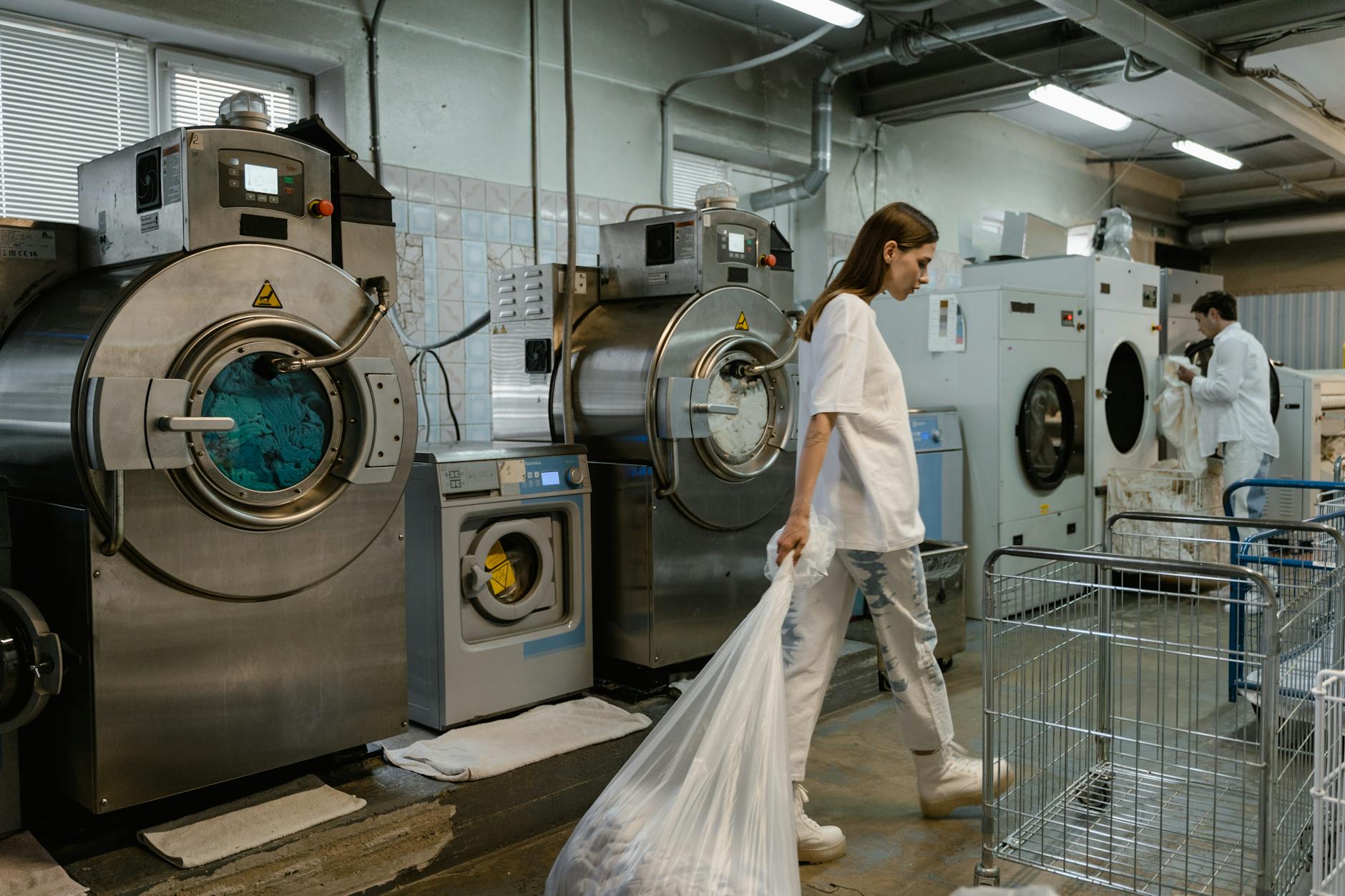
The most practical way to determine if fabric softener residue is contributing to your maskne is to conduct a simple experiment: wash one or two pillowcases with plain detergent and no softener, and use only those for two weeks while keeping the rest of your routine identical. Track redness, pustule count, and irritation in the areas that contact the pillow. If you see improvement, you’ve identified a treatable variable. A concrete example of this test in practice: a 28-year-old emergency room physician with persistent maskne on her chin and cheeks switched to softener-free pillowcases for 14 days while continuing her usual skincare routine of niacinamide serum and benzoyl peroxide.
She noticed a measurable decrease in cystic acne on her cheeks and reduced redness on her chin by day 10, despite not changing any other variables. When she switched back to her original softener-treated pillowcases for three days out of curiosity, the redness returned. This simple test proved causation in her case. Not everyone will see such clear results, but many find at least modest improvement.
The Broader Environmental Context: Occupational Skin Health for Healthcare Workers
Healthcare workers are increasingly recognized as facing unique occupational skin challenges. Beyond maskne, frequent handwashing, exposure to sanitizers, repeated donning and doffing of gloves, and constant use of disinfectants all damage the skin barrier. In this context, controlling every possible home-based irritant—including pillowcase residue—becomes part of a holistic approach to managing occupational dermatitis.
Looking forward, more dermatologists are counseling healthcare workers on laundry practices as part of maskne management, alongside mask-wearing modifications and topical treatments. As awareness grows that environmental irritants compound the problem, healthcare institutions may eventually provide guidance on pillowcase care and laundry practices as part of occupational health protocols. For now, individuals must take initiative, but this simple change—eliminating fabric softener—represents one of the most accessible and cost-effective modifications someone with occupational maskne can make.
Conclusion
At least 84% of healthcare workers with maskne may be unknowingly perpetuating their skin problems through fabric softener residue on pillowcases. This readily controllable factor often goes unaddressed in skincare routines focused on prescription treatments and mask modifications, yet it can substantially impair healing. The residue creates an occlusive environment that traps bacteria, heat, and moisture against already-compromised skin, extending inflammation and preventing the skin barrier from recovering between shifts.
The solution is straightforward: eliminate fabric softener from your laundry routine, particularly for pillowcases. Switch to plain detergent, skip dryer sheets, and give your skin two weeks to respond. For many healthcare workers with persistent maskne, this single change produces noticeable improvement—sometimes as much as or more than adding a new topical treatment. Combined with other maskne management strategies like proper mask hygiene and targeted skincare, a softener-free pillowcase is a practical first step toward clearer skin.
You Might Also Like
- At Least 45% of People Who Use OTC Acne Products Have Experienced Fabric Softener Residue on Pillowcases Can Irritate Acne-Prone Skin
- At Least 54% of Women With Hormonal Acne Have Tried Fabric Softener Residue on Pillowcases Can Irritate Acne-Prone Skin
- At Least 32% of Men With Back Acne Have Never Been Told That Chemical Sunscreens Can Irritate Acne-Prone Skin More Than Mineral