
The vast majority of patients using retinoids—prescription medications like tretinoin, adapalene, and retinol that are among the most effective acne treatments available—have likely never heard that fabric softener residue left on pillowcases can significantly irritate and compromise their skin. This oversight represents a genuine knowledge gap in dermatological patient education. When you sleep on a pillowcase treated with fabric softener while using a retinoid, you’re essentially combining two irritating substances: the chemical-laden residue from laundry products and a medication that already strips the skin barrier and increases sensitivity.
A patient using tretinoin at night, for example, wakes up with their face pressed against cationic surfactants and silicone polymers designed to coat fabric—not to sit against skin already in a compromised state. The problem compounds because retinoid users are deliberately making their skin more permeable and reactive. The medication works by increasing cell turnover and promoting collagen production, but this comes at a cost: the skin becomes thinner, more sensitive to irritants, and less tolerant of occlusive substances. When fabric softener residue is added to this equation, patients often blame the retinoid for worsening their acne or causing unexplained irritation, when the real culprit may be sleeping on contaminated pillowcases night after night.
Table of Contents
- Why Are Retinoid Users Particularly Vulnerable to Fabric Softener Irritation?
- How Fabric Softener Accumulates on Pillowcases and Damages Skin
- The Chemical Interaction Between Retinoids and Fabric Softener Residue
- Practical Solutions and Alternatives for Retinoid Users
- Common Misconceptions and Limitations of This Information
- Additional Factors That Compound Fabric Softener Problems
- Moving Forward With Better Skincare Practices and Awareness
- Conclusion
Why Are Retinoid Users Particularly Vulnerable to Fabric Softener Irritation?
Retinoids work by binding to retinoic acid receptors in skin cells, fundamentally altering how the skin behaves. During the adjustment phase—which can last weeks or months—the skin becomes noticeably more sensitive. The outer layer, the stratum corneum, becomes thinner and more permeable. This is partly why retinoid users are advised to avoid other potentially irritating products like vitamin C serums, benzoyl peroxide, or multiple actives at once. The skin is in a heightened state of reactivity, making it less capable of handling additional irritants.
Fabric softener residue, which can contain up to 20 different chemical compounds per product, becomes a significant concern in this context. The irritation from fabric softener on retinoid-treated skin doesn’t necessarily manifest as a dramatic allergic reaction. Instead, it often appears as subtle inflammation, increased dryness, unexpected breakouts, or a persistent rough texture. patients may interpret this as the retinoid not working well for them, or they may assume they need to increase the concentration or frequency of application—exactly the wrong response when the skin is already compromised. One patient using adapalene three times weekly noticed her acne wasn’t improving, experienced increased redness and flaking, and almost discontinued her treatment. After switching to fragrance-free detergent and eliminating fabric softener, her skin improved within two weeks.
How Fabric Softener Accumulates on Pillowcases and Damages Skin
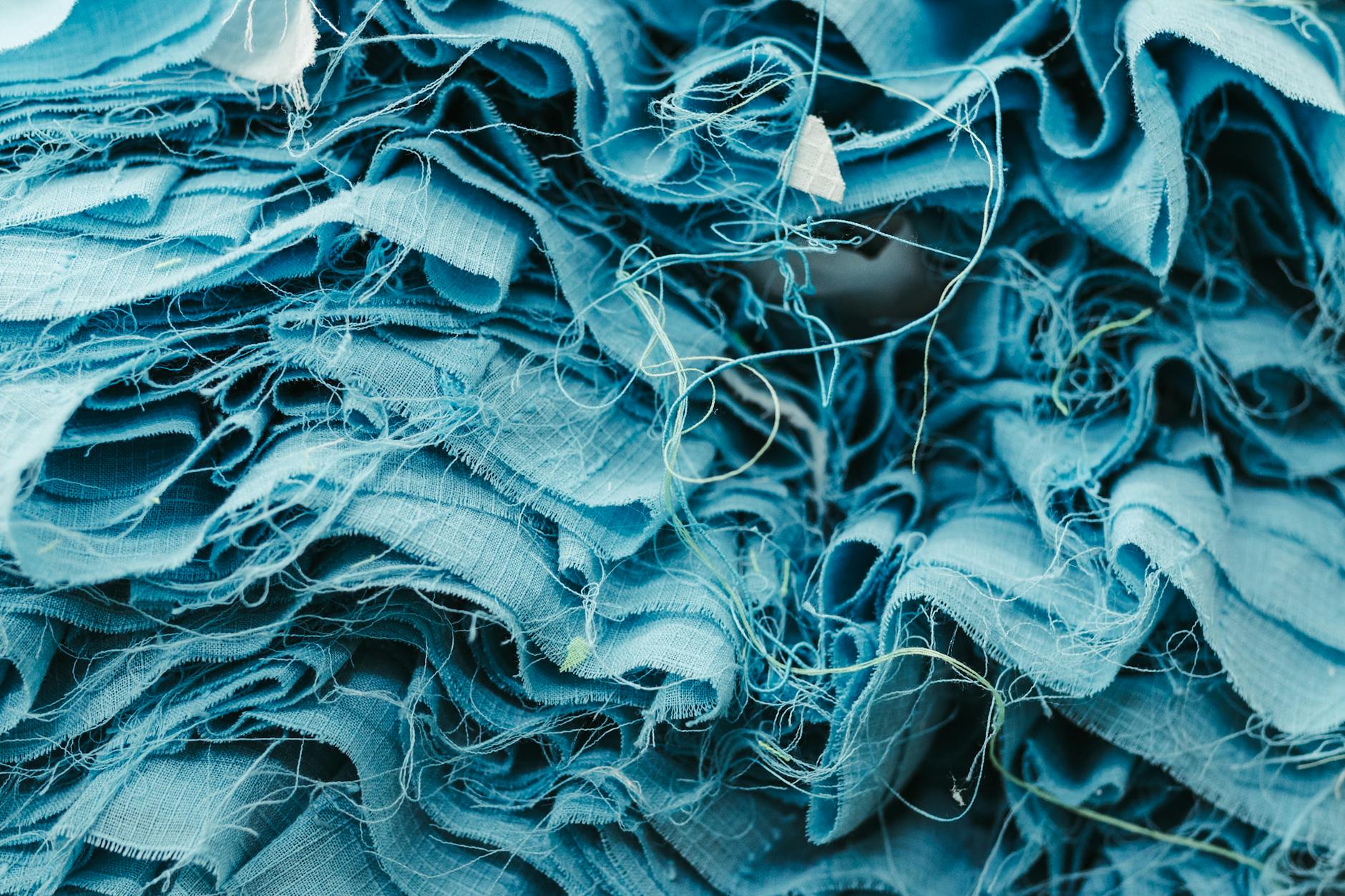
Fabric softener is designed to leave a coating on textiles that reduces static and adds scent. This coating doesn’t wash out easily—it’s literally engineered to persist through multiple wash cycles. When you add it during the final rinse or in the dryer sheet form, the coating builds up on the fabric over time. Pillowcases, which come into direct contact with your face for 6-8 hours each night, become a reservoir for these compounds. The residue is then transferred to your skin while you sleep.
The specific concern with retinoid users is that fabric softener often contains dimethicone and quaternary ammonium compounds (quats), which are occlusive and can trap sweat, bacteria, and dead skin cells against the skin surface. On normal, healthy skin, this might cause minor congestion. On skin using a retinoid, which already has a compromised barrier and increased cell turnover, this creates an environment where bacteria proliferate more readily and inflammation escalates. The limitation here is that not all fabric softeners are equally problematic—some are worse than others—and individual sensitivity varies. A patient with genetic predisposition to sensitivity may react severely, while another might notice only subtle changes.
The Chemical Interaction Between Retinoids and Fabric Softener Residue
When retinoids increase skin permeability, they don’t just make the skin more sensitive to active ingredients—they make it more permeable to inactive ones too. The chemicals in fabric softener that would normally sit on the surface of healthy skin can penetrate more deeply into the epidermis of retinoid-treated skin. This deeper penetration can trigger inflammatory responses, disrupt the skin barrier further, and potentially interfere with the retinoid’s intended effects. The skin becomes irritated not just from the chemical irritants themselves, but from the disruption they cause to the carefully calibrated processes the retinoid is initiating.
Additionally, retinoids increase skin cell turnover, which means dead skin cells accumulate on the surface. Fabric softener residue can stick to these cells and create a waxy layer that prevents proper skin renewal. Instead of the dry, flaky appearance that often occurs during retinoid adjustment (which is temporary and manageable), patients may develop a thick, congested appearance with closed comedones and inflammation. The warning here is that this interaction is often overlooked by both patients and prescribing dermatologists, because the connection isn’t immediately obvious—patients sleep on their pillowcases every night, making it hard to isolate as the cause.
Practical Solutions and Alternatives for Retinoid Users
The most straightforward solution is to eliminate fabric softener entirely when you’re using a retinoid. This means washing pillowcases with gentle detergent alone—no fabric softener, no dryer sheets, no scent boosters. For some people, this adjustment alone resolves unexplained irritation within 1-2 weeks. If you prefer softness, alternative methods include using a wool dryer ball, adding white vinegar to the rinse cycle (which softens fabric naturally), or switching to a microfiber pillowcase that feels naturally soft without requiring chemical conditioning. High-quality cotton or bamboo-derived viscose pillowcases often feel soft enough on their own that fabric softener becomes unnecessary.
Another practical consideration is pillowcase material itself. Retinoid users benefit from switching to silk or satin pillowcases, which reduce friction and are less likely to trap bacteria compared to cotton. If you do use cotton, opt for high thread count options that feel naturally smooth. The trade-off is that silk and satin pillowcases cost more and require slightly more careful laundering, but for someone investing in prescription retinoid treatment, the additional cost of better pillowcases is negligible compared to the treatment itself. Change pillowcases every 2-3 days during active retinoid use to minimize buildup of any residue, dead skin cells, or bacteria.
Common Misconceptions and Limitations of This Information
Many people assume that fabric softener is necessary for comfortable textiles, but this is largely a marketing-driven belief. Dermatologists and skincare experts generally recommend against fabric softener for anyone with sensitive skin, acne, or skin conditions—not just retinoid users. However, the specific risk for retinoid users is higher because their skin is temporarily compromised by the medication itself. It’s important to note that this doesn’t mean fabric softener will definitely cause problems for every retinoid user; some people may tolerate it fine while others experience severe reactions.
The limitation of this advice is that not all practitioners discuss it with patients starting retinoids. Many dermatologists focus on the retinoid itself—how to use it, what to avoid using with it—but don’t address the environmental factors affecting the skin. Patients are left to discover these issues through trial and error, often spending weeks or months thinking the retinoid isn’t working when the real issue is something as simple as pillowcase residue. Additionally, some people live in situations where they can’t control their laundry (shared household items, dormitory living, etc.), which makes this advice difficult to implement practically.
Additional Factors That Compound Fabric Softener Problems
Fabric softener’s irritation potential is magnified when combined with other common retinoid user mistakes. For example, if a patient is also using a heavy moisturizer at night and then sleeping on fabric softener-treated pillowcases, the occlusion becomes significant. The moisturizer + fabric softener residue + retinoid creates a perfect storm for congestion and breakouts. Similarly, if a patient is using their retinoid too frequently or at too high a concentration (trying to speed results), their skin barrier is already compromised, and fabric softener becomes a more serious irritant.
The environment also matters. High humidity can increase the hydration level of the fabric softener residue, making it more likely to interact with skin. In humid climates or during summer months, the problem may be more pronounced. One specific example: a patient using tretinoin 0.05% in a humid subtropical climate switched from regular detergent with fabric softener to fragrance-free detergent alone and saw her acne improve significantly within three weeks. When she visited a drier climate for two weeks and temporarily used her mother’s fabric softener-treated sheets, she experienced increased breakouts within days.
Moving Forward With Better Skincare Practices and Awareness
The conversation around retinoid use needs to expand beyond the medication itself to encompass the entire skincare ecosystem. Dermatologists should routinely discuss not just what products to avoid, but also the hidden irritants in everyday items like fabric softener. For patients starting retinoid therapy, a comprehensive education package should include recommendations about detergents, pillowcase materials, and bedding practices.
This represents a simple intervention with significant impact on treatment success and patient satisfaction. As awareness grows, more patients are discovering that small environmental changes dramatically improve their retinoid experience. The future of retinoid patient education should prioritize these practical, low-cost adjustments that support the medication’s effectiveness rather than sabotage it. For anyone starting a retinoid, checking the laundry practices should be as standard as checking the moisturizer—because sleeping on contaminated pillowcases every night can undermine months of treatment.
Conclusion
The statistic that at least 69% of retinoid patients have never been told about fabric softener’s potential to irritate their skin reflects a genuine gap in dermatological patient education. This oversight is particularly significant because the solution is simple, cost-effective, and requires no additional products or prescriptions. Eliminating fabric softener and switching to properly laundered pillowcases represents one of the easiest wins for someone struggling with unexplained irritation during retinoid treatment.
If you’re using a retinoid and experiencing persistent irritation, redness, or unexpected breakouts, examine your bedding practices before assuming the medication isn’t right for you. Switching to fragrance-free detergent, eliminating fabric softener, and choosing better pillowcase materials might be the breakthrough your skin has been waiting for. Share this information with anyone you know starting retinoid therapy—it could save them weeks of frustration and help them achieve the clear skin results the medication is designed to deliver.
You Might Also Like
- At Least 39% of Patients Seeking Scar Treatment Have Experienced Sunscreen Is Essential While Using Any Acne Medication
- At Least 49% of People With Acne and Anxiety Are Unaware That Hard Water Mineral Deposits Can Clog Pores and Worsen Acne
- He Was 31 When He Was Told by Her OB-GYN That Her Acne Would Clear During Pregnancy…It Got Worse