

Generic tretinoin is chemically and therapeutically identical to brand-name Retin-A, according to FDA bioequivalence standards. Both contain the same active ingredient—all-trans retinoic acid—at identical concentrations, and the FDA requires generic versions to meet the same rigorous manufacturing and quality standards as their brand-name counterparts. For people with acne scars, this equivalence matters because the tretinoin molecule that reduces scarring in clinical studies is the same whether it comes from Retin-A (cost: $100-200+ per tube) or a generic alternative (cost: $28-47 with discounts). A patient could spend four times as much for the brand name and see no additional benefit because the medication doing the work is identical in both.
Many people delay acne scar treatment because they assume Retin-A is the only effective option, or they believe the higher price reflects superior efficacy. This misconception costs patients real money and delays the scar improvement they could be experiencing. A 35-year-old with shallow boxcar scars from teenage acne could start generic tretinoin through an online dermatology service for under $35 and see measurable improvement within 12 weeks—the same timeline as someone paying triple that amount for brand-name Retin-A. The science is clear: efficacy and timeline are determined by the tretinoin molecule and concentration, not the brand name on the tube.
Table of Contents
- Why Does Generic Tretinoin Work Identically to Brand-Name Retin-A?
- How Effective Is Tretinoin for Treating Acne Scars?
- Real-World Results: What Tretinoin Actually Achieves for Acne Scars
- Cost Comparison: Why Switching to Generic Saves Real Money
- Myths and Limitations You Should Know About Tretinoin
- What to Expect When Starting Tretinoin for Acne Scars
- The Future of Tretinoin and Evolving Treatment Options
- Conclusion
Why Does Generic Tretinoin Work Identically to Brand-Name Retin-A?
The FDA requires generic drugs to prove bioequivalence to brand-name versions before approval—meaning the generic must deliver the same amount of active ingredient to the bloodstream or skin at the same rate as the original. For topical tretinoin, this means a generic cream at 0.025% concentration performs chemically and biologically the same as Retin-A at the same strength. Recent approvals like Alembic Pharmaceuticals’ generic tretinoin cream demonstrate this process in action: the FDA confirmed therapeutic equivalence, meaning patients achieve identical results regardless of whether they use the generic or brand formulation. What often confuses patients is the difference between formulation and active ingredient. Brand-name Retin-A might use a proprietary moisturizing base or stabilizer to make the tretinoin less irritating, while generics use simpler bases—but the tretinoin itself is doing the scar-reducing work.
For acne scars specifically, studies confirm that tretinoin’s mechanism (stimulating collagen remodeling and cellular turnover) is independent of these inactive ingredients. A generic tretinoin cream with a less fancy base will reduce acne scars just as effectively; the trade-off is that it might feel slightly more drying during the adjustment period. The cost difference exists because brand-name manufacturers invested in development, clinical trials, and marketing—expenses already recouped by the time patents expire. Generic manufacturers skip these upfront costs, which is why they can charge a fraction of the price. This cost advantage means a patient with insurance might pay $5-30 per tube for generic tretinoin versus $100+ out-of-pocket for brand-name Retin-A, with identical therapeutic outcomes.

How Effective Is Tretinoin for Treating Acne Scars?
Clinical evidence shows that 79-94% of patients see measurable improvement in acne scars with consistent tretinoin use over 6-12 months. The improvement is most pronounced in shallow atrophic scars (the indented, “ice pick” style scars common from teenage acne) and in post-inflammatory hyperpigmentation (dark marks left behind after acne heals). These aren’t dramatic overnight transformations—tretinoin works by stimulating collagen remodeling and accelerating skin cell turnover, which requires sustained use and patience. The timeline matters for setting expectations. Visible improvement typically appears around 6-12 weeks of consistent daily use, though many patients don’t notice anything until 3-6 months in.
This slow timeline is actually reassuring because it reflects the deep cellular work happening: the tretinoin is gradually remodeling the collagen beneath the scar, not just reducing surface inflammation. Someone starting tretinoin in January might see meaningful scar softening by May, with continued improvement through the summer and fall. The 6-12 month window represents the point where most patients reach their plateau of improvement. One important limitation: tretinoin is less effective for severe rolling scars (the wavy, undulating texture caused by extensive dermal damage) and raised hypertrophic or keloid scars. For these deeper scarring patterns, tretinoin works best as part of a combination approach alongside professional treatments like microneedling, chemical peels, or laser therapy. A dermatologist can assess which scar types will respond well to tretinoin monotherapy versus which require additional interventions.
Real-World Results: What Tretinoin Actually Achieves for Acne Scars
A common pattern in dermatology clinics: a patient in their twenties or thirties with moderate boxcar scarring from acne in their teens finally addresses the issue after avoiding it for years. Within 8 weeks of daily 0.025% tretinoin use, the scars appear softer and less defined—not erased, but noticeably less prominent. By 6 months, the improvement is often substantial enough that the scars no longer dominate the appearance of the skin. The key is that tretinoin works on the underlying collagen, not by “filling” the scar, so results look natural rather than like a cosmetic procedure. Post-inflammatory hyperpigmentation (the dark spots left after acne lesions heal) responds even faster and more dramatically than atrophic scarring. A patient who starts tretinoin with both active acne lesions and dark post-inflammatory marks may see the marks fade by 12 weeks while simultaneously seeing their new breakouts decrease.
This dual benefit—treating current acne while addressing past damage—is why tretinoin is often considered the single most versatile acne-related medication for long-term skin health. The challenge in real-world use is tolerability during the adjustment phase. Tretinoin causes an initial “retinization period” (weeks 1-4) where skin becomes flaky, red, and sensitive. Many people quit during this phase, assuming they’re having a bad reaction, when they’re actually experiencing expected temporary irritation. Patients who push through this period with proper sun protection and moisturizing typically see the irritation subside by week 4-6, after which improvement accelerates. This is where generic tretinoin might feel rougher than brand-name formulations with softer bases—but the underlying benefit is identical.

Cost Comparison: Why Switching to Generic Saves Real Money
A patient using brand-name Retin-A 0.025% cream at $150+ per tube might spend $900+ per year on their acne scar treatment. The same therapy using generic tretinoin costs $28-47 per tube without insurance, or under $30 with GoodRx coupons—roughly $168-282 per year. For people with health insurance, the difference is even more dramatic: most commercial and Medicare Part D plans cover tretinoin as a Tier 1 or Tier 2 medication, meaning copays of $0-30 per prescription regardless of brand. An insured patient pays $10-30 for a month’s supply of generic tretinoin, while uninsured patients pay $3-5 per tube with pharmacy coupons.
Over the 6-12 month treatment window required to see meaningful acne scar improvement, generic tretinoin could save someone $600-800 compared to brand-name Retin-A—money they could redirect toward dermatology consultations, complementary treatments like sunscreen (essential with tretinoin use), or professional scar treatments if needed. For someone paying out-of-pocket, this cost advantage often means the difference between treating scars and delaying treatment indefinitely. The financial trade-off is minimal: generic tretinoin might be slightly more irritating in the first few weeks due to a simpler formulation base, but this is managed with good moisturizing and gradual dose escalation. A patient could start with the generic version, assess tolerability, and switch to a fancier formulation only if needed—rather than paying brand-name prices from the start based on an assumption of superiority. For the majority of people, generic tretinoin delivers the scar-reducing results at a fraction of the cost.
Myths and Limitations You Should Know About Tretinoin
A persistent myth: “Generic versions are weaker or lower quality than brand-name drugs.” This is false. The FDA requires generics to have identical active ingredient concentrations and therapeutic effects as brand-name versions. A 0.025% generic tretinoin cream has the same amount of tretinoin as brand-name Retin-A 0.025%—the quality control is equally rigorous. What differs is the inactive ingredients (moisturizers, thickeners, preservatives), which affect texture and comfort but not efficacy for acne scars. Tretinoin’s limitations deserve honesty: it doesn’t work overnight, it requires daily consistency to be effective, and it can initially make skin worse before better.
People with severe cystic acne or deep rolling scars often find tretinoin alone insufficient—they need professional treatments like microneedling or laser resurfacing. Additionally, tretinoin is a pregnancy category C medication (though topical exposure is minimal), so people trying to conceive should discuss its use with a doctor. Sun protection is non-negotiable: tretinoin increases photosensitivity, and unprotected sun exposure can cause hyperpigmentation or reduce tretinoin’s effectiveness. Another important limitation: tretinoin is less effective once scars are very old (10+ years) and deeply set, because the collagen remodeling mechanism works best on relatively recent scarring. Someone with fresh acne scars from the past 1-3 years will typically see better results than someone addressing scarring from a decade ago, though improvement is possible at any age. This isn’t a reason to delay starting tretinoin, but rather a realistic expectation: older scars may require combination treatments rather than tretinoin monotherapy.
What to Expect When Starting Tretinoin for Acne Scars
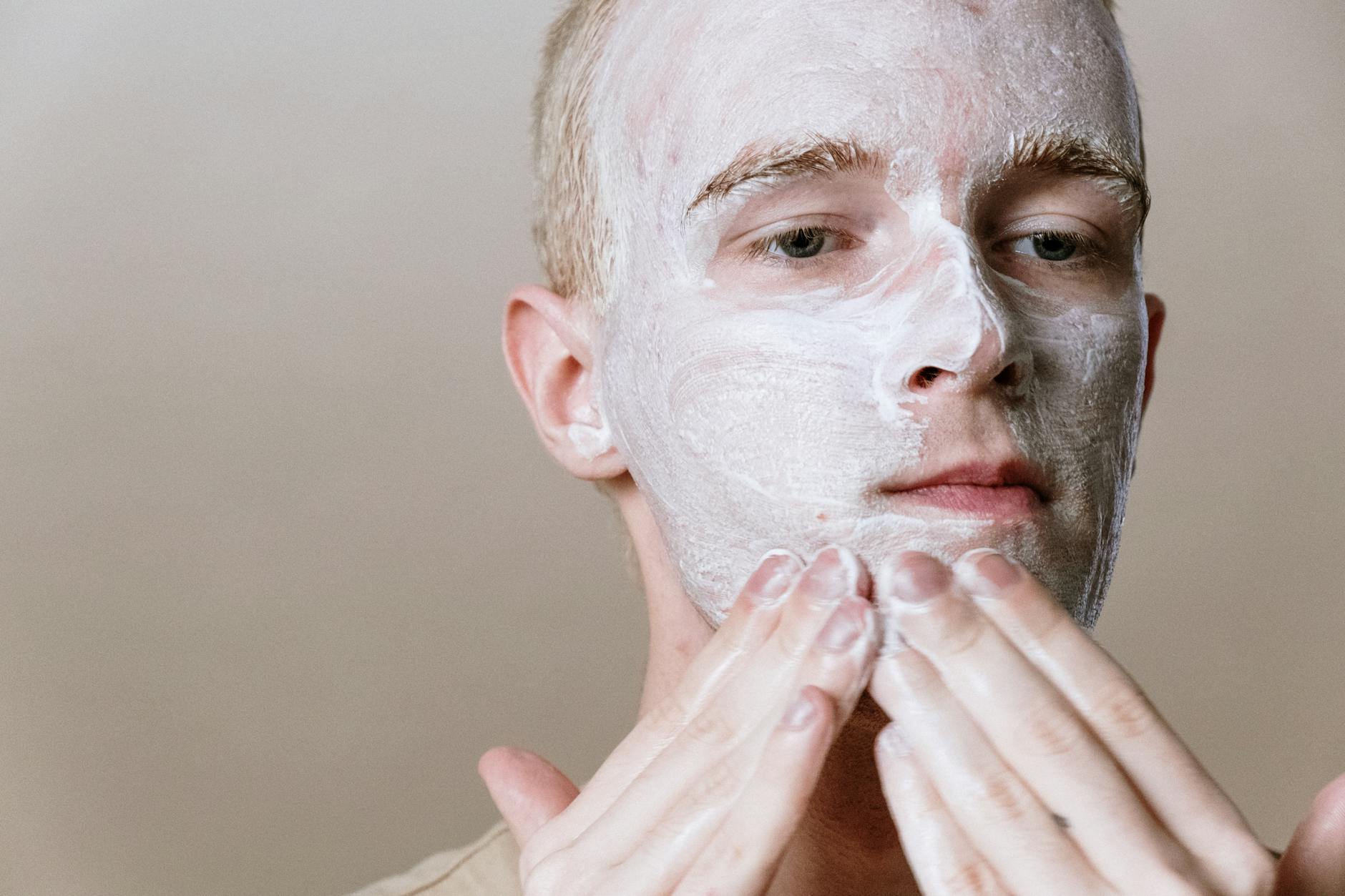
The first 4 weeks of tretinoin use are often called the “retinization period,” during which skin adjusts to the medication. Expect mild to moderate redness, flaking, dryness, and sensitivity. This is not an allergic reaction or a sign that generic tretinoin is “bad”—it’s a normal phase that occurs with both brand-name and generic formulations. Most dermatologists recommend starting at the lowest concentration (0.025%) and using it 2-3 times per week initially, then gradually increasing frequency to daily use as skin tolerates. By week 4-6, irritation typically subsides, and the real scar-reducing benefits begin to manifest. Moisturizing is non-negotiable during tretinoin use.
A simple, fragrance-free moisturizer applied after tretinoin dries helps minimize irritation and flaking. Sun protection (SPF 30+) is equally essential—tretinoin increases sun sensitivity, and sun exposure can cause hyperpigmentation that defeats the purpose of treating acne scars. A patient starting generic tretinoin should budget for a good daily moisturizer and sunscreen alongside the medication; these support the tretinoin’s effectiveness and reduce the risk of complications. One realistic scenario: a patient starts generic tretinoin 0.025% twice weekly in January, tolerates it well, increases to three times weekly by February, and reaches daily use by March. By June (5 months in), they notice softening of their boxcar scars and fading of post-inflammatory marks. By October (9 months in), improvement is substantial. This timeline is typical for both generic and brand-name tretinoin because the pharmacology is identical.
The Future of Tretinoin and Evolving Treatment Options
Tretinoin remains the gold standard for topical acne scar treatment because decades of clinical evidence support its safety and efficacy. Recent generic approvals, like Alembic Pharmaceuticals’ FDA-approved tretinoin cream, expand access by making the medication more affordable and available. This democratization of tretinoin—shifting it from an expensive brand-name therapy to an affordable generic—is changing the landscape of acne scar treatment, allowing more people to access proven therapy.
The emerging trend in dermatology is combination therapy: using tretinoin as the foundation (building collagen from within via cellular turnover) alongside professional treatments like radiofrequency microneedling or laser resurfacing for faster or more dramatic results. For people with moderate scarring, tretinoin alone remains sufficient and cost-effective. For severe scarring, the combination approach delivers results that either modality alone cannot achieve. As more generic tretinoin options become available, the cost barrier to starting tretinoin decreases, making this evidence-based approach more accessible.
Conclusion
Generic tretinoin is scientifically equivalent to brand-name Retin-A for treating acne scars. Both contain identical active ingredients, are approved by the FDA for therapeutic equivalence, and produce the same 79-94% improvement rates in acne scarring over 6-12 months. The meaningful difference is cost: generic tretinoin at $28-47 per tube (or $0-30 with insurance) versus brand-name Retin-A at $100-200+ per tube. For someone with boxcar scars or post-inflammatory hyperpigmentation, choosing generic tretinoin means accessing the same scar-reducing therapy at a fraction of the price, with visible improvement typically appearing within 12 weeks and substantial results by 6 months.
If you’re considering tretinoin for acne scars, start with the generic version. Your skin doesn’t distinguish between brand names—it responds to the tretinoin molecule and your consistency in using it daily. Budget for moisturizer and sunscreen to support the treatment, manage expectations for the initial retinization period, and commit to 6-12 months of consistent use. If you have severe scarring or see minimal improvement after 6 months of tretinoin alone, combine it with professional treatments recommended by a dermatologist. The goal is not finding the most expensive option—it’s choosing the most effective, affordable, and sustainable path to treating your acne scars.
You Might Also Like
- At Least 13% of Women With PCOS-Related Acne Are Unaware That Generic Tretinoin Works Identically to Brand-Name Versions
- At Least 57% of Patients on Accutane Are Unaware That Generic Tretinoin Works Identically to Brand-Name Versions
- At Least 52% of People With Sensitive Acne-Prone Skin Would Benefit From Knowing That Retinoids Can Take 12 Weeks Before Showing Results